
Home » Testosterone Replacement Therapy East Orlando » BioTE Bioidentical Hormone Optimization for Men in Orlando | Svelte Medical Weight Loss – East Orlando
BioTE Bioidentical Hormone Optimization for Men in Orlando | Svelte Medical Weight Loss - East Orlando
Signs of Low Testosterone in Orlando Men

Men walk into our offices all the time, assuming their fatigue stems from everyday life. They’ll blame it on Orlando’s heat and humidity, long drives down I-4, or the pressures of their job. But lab work frequently tells a different story.
Low testosterone rarely makes its arrival with a dramatic symptom; it tends to come on slowly.
Maybe you were once able to crush your reps at a gym in Waterford Lakes, but now you can barely make it through a single set. Maybe you’re getting 8 hours of sleep every night, yet you still find yourself feeling worn out by 3 pm. Perhaps your mood is fluctuating without warning. Perhaps you’re snapping at your wife and kids. Perhaps you just can’t care anymore about things you used to care about (like your relationship). Many men say to us, “I thought this was just the way things are when you get older.” It isn’t always.
We hear these symptoms from men all the time at our Florida offices:
- Tiredness that doesn’t disappear after a night of full sleep (or with the help of your morning cup of coffee)
- Loss of muscle or resistance to building lean muscle mass, despite exercising
- Decreased interest in sex or performance issues
- Brain fog, lack of focus, forgetfulness
- Hard to lose belly fat, even with a healthy diet
Other signs include joint pain, short temper, or just a sense that your body doesn’t act like it used to. Because Florida is warm year-round, Orlando-area men are often more active than their northern counterparts, and a decline in energy can be all the more noticeable.
Of course, some of the symptoms of low T mirror those of stress, sleep deprivation, and other conditions. That’s why, at a minimum, we look at the lab results, the health history, and the symptoms. Your doctor looks at total testosterone levels, free testosterone, other hormone levels and other markers for a more complete picture. Many men don’t realize their level is low until they are tested.
Does any of the above sounds like you? Don’t write off your symptoms as a natural part of aging. Your body is telling you something, and you have a right to know exactly what.
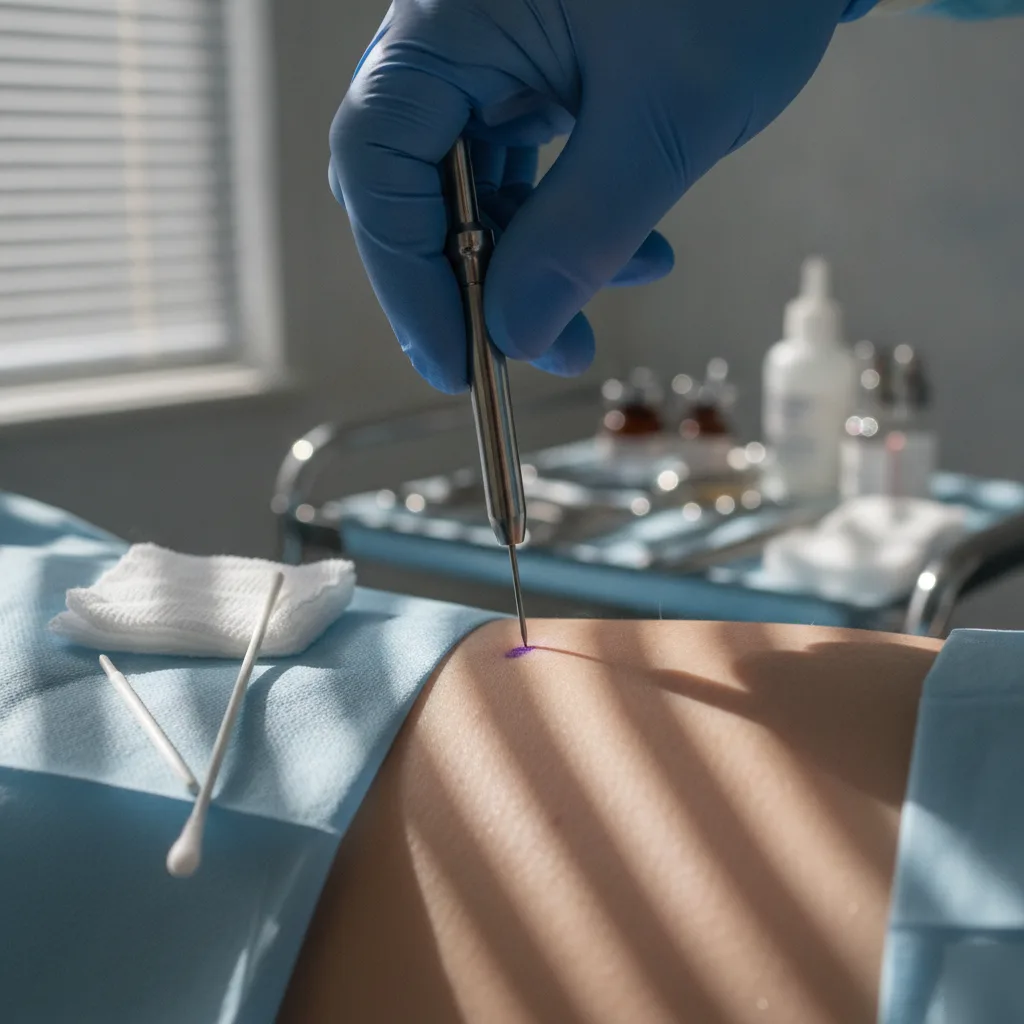
How Pellet Insertion Works, Step by Step
Many men would like a clear, step-by-step description of the BioTE pellet insertion process, and this is where we can help.
- Get a blood test and review it with a doctor. Start with a full hormone panel. This is a lab draw, not a finger stick. It measures total testosterone, free testosterone, thyroid markers, metabolic markers and more. A doctor will look at all these results before moving on.
- Make your plan of treatment. Based on your blood lab results, symptoms and health history, your doctor determines how much you should have of each pellet you need. Treatment isn’t a one-size-fits-all approach. A 42-year-old runner training for a half-marathon near UCF has different needs than a 58-year-old desk-jockey in Dr. Phillips, who lives with symptoms including brain fog and fatigue.
- The insertion itself. The insertion itself takes about ten minutes. We numb a small area on the upper hip with local anesthetic. A tiny incision, smaller than a pencil eraser, is made. The BioTE pellets are placed just beneath the skin using a sterile trocar. There are no stitches, only a small adhesive strip.
- You leave and go about your day. Most patients drive themselves home immediately after. We ask you to avoid lower-body heavy lifting and submerging the insertion site in water for about five days. That completes the immediate post-procedure care.
Many men report they barely felt anything during the procedure.
The pellets dissolve slowly over three to five months, releasing a steady stream of bioidentical testosterone. This means no weekly injections to remember and no messy gels transferring to your partner or kids. Consistent delivery helps you avoid the hormonal fluctuations that creams and shots can cause. Your body receives what it needs at a usable pace.
Follow-up labs occur four to six weeks after insertion. At this point, we confirm your levels are within a healthy range and assess how your symptoms are responding. If you would like to know more about what this could mean for you, call our team for a detailed explanation.
Every insertion is performed by a men’s health physician East Orlando patients trust, not delegated to unsupervised staff. This level of oversight is important for a procedure that directly affects your hormone levels for months.
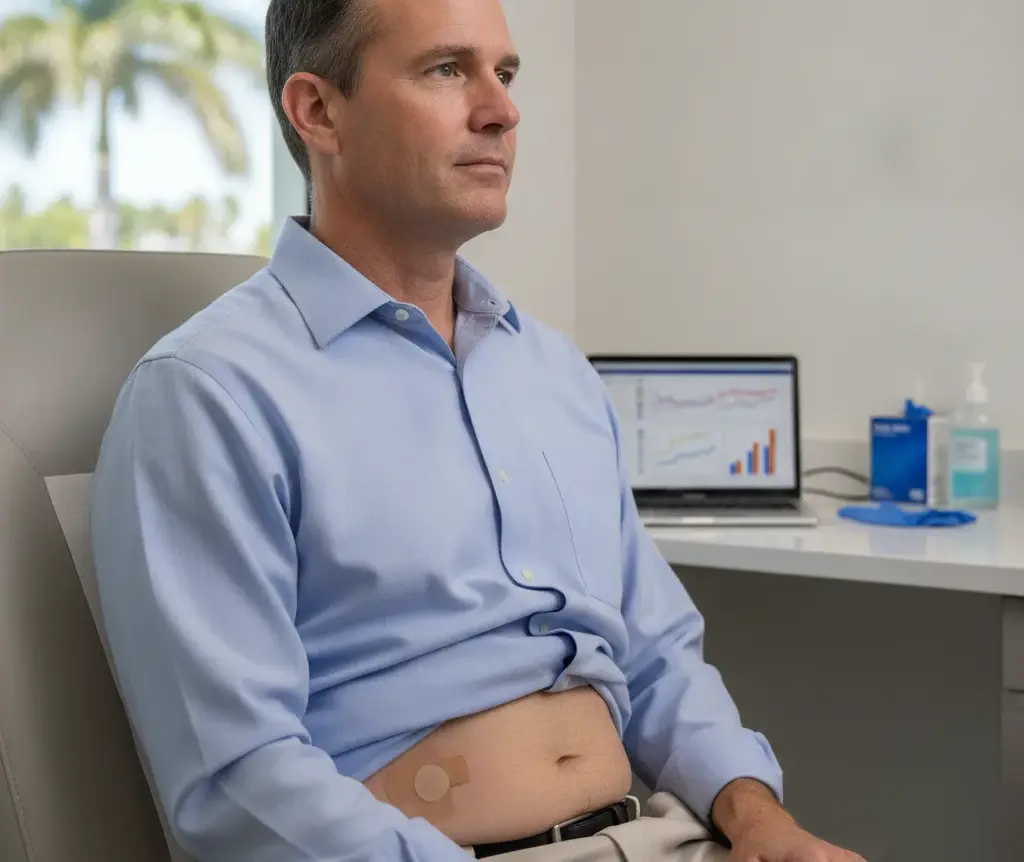
BioTE Pellets Compared to Other Hormone Delivery Methods
You have several options for testosterone replacement. Not all delivery methods work the same way, and the differences are important to understand.
Topical gels and creams are common, requiring daily application. They can transfer to partners or children through skin contact. Your hormone levels also fluctuate throughout the day, spiking after application and then dropping. This inconsistency often means you feel unwell by evening.
Weekly or biweekly injections offer more control over dosing. However, we consistently observe that men often begin with good intentions, but busy lives interfere. They miss a shot, double up on the next, or skip again. This inconsistency creates its own problems: mood swings, energy crashes, and irritability right before the next dose is due. It becomes a cycle that can be draining.
BioTE pellets function differently. A physician places tiny pellets, smaller than a grain of rice, just under the skin near the hip. This procedure takes about ten minutes. Your body then absorbs a steady, consistent dose of bioidentical testosterone over three to five months. Which is good because that’s exactly how your body used to work.
Consistency is another big plus. If you live here in Orlando, you know that we are never not outside, as it’s the year round trails of Moss Park or the courts in Waterford Lakes, guys who play basketball are outdoors most of the year. That can make a topical gel get sweaty or rub off, a patch stick to your clothes or come off. Pellets, though, are under your skin and not impacted by Florida weather.
There are other forms of testosterone replacement such as pills or nasal gels, but they have liver issues that prevent doctors from wanting to put you on them. And the nose gel you use multiple times a day. No, we really like BioTE because it’s set it and forget it for men.
For many men, we start BioTE pellets because it results in less side effects and less clinic visits, which we like and men prefer. It’s much easier for men to continue treatment if they aren’t taking a pill or using some gel or injections that they have to remember to take every single day. Because again, we want you to know this is a long haul, it’s a long-term process of getting your body back to a place of wellness.
When Hormone Replacement Therapy Is Not First
We always get guys who are convinced they have low testosterone because they are tired, gaining weight and cannot focus their minds. That’s true, those are all symptoms of low testosterone, and sometimes it can be low T but not always.
It happens often. A guy will come in feeling bad in his 40s and wants to just get pellet therapy. We pull his labs and he has normal testosterone levels. Other issues may be at play such as poor sleep, chronic stress, an underactive thyroid, or diabetes. Many are tricked by symptoms similar to those that mimic low T.
We tell the guys that the hard truth is if your lab work isn’t low enough for hormones, then we wouldn’t be your first step. And if you’re in a normal T range, it’s not going to fix the problem; in fact, it could make you more sick if your doctor didn’t work with you to figure out the actual cause of your symptoms. We want you to feel 100% like you are supposed to, and a medical provider is your key to doing that.
We also look to treat the following, first:
- Untreated sleep apnea, very common in Central Florida and known to decrease testosterone levels
- Certain medicines like antidepressants or opioids which lower testosterone as a side effect
- Prostate issues that must be resolved before hormone treatment begins
- Obesity, and that losing weight in many cases raises T levels
We are going to be honest because this is what we believe. Our board-certified MD reviews every set of labs. So, if the data shows “fix your sleep first,” “let’s start with your thyroid,” that is a very good recommendation. But if you’ve already done the sleep thing, handled the stress well, cleaned up your diet, and you’re still not feeling great, then it’s worth testing. There are a lot of men here in Innovation Way who are often in the hospital or at high tech companies where their schedule might not be typical and that can cause hormone levels to crash a little sooner than expected. It’s a question of what is it that needs fixing first?

Muscle Loss During Weight Loss, and the Role of Hormones
You are making the good food choices, you’re putting in the extra workouts, and the scale is moving. Something’s not right though. Maybe you’re not stronger, you’re smaller. Maybe your arms look a little thinner now, not fatter. You’re exhausted at 2 p.m., you just lost 15 pounds but now you feel a bit weaker. Your body isn’t just using fat for energy when you are dieting, it’s also using muscle for energy and low T can make that worse. This is a pattern we see again and again with 40+ men here in our Orlando offices who’ve tried to diet without the right help.
Muscle is costly. It takes calories to maintain it. If you are cutting those calories and not getting enough hormonal support, your body may view muscle as an extravagance. According to the Endocrine Society, men with low testosterone levels will lose more lean muscle mass during a calorie restricted diet than those with normal hormonal levels. It’s not a vanity issue, this leads to a lowered metabolism, and more of the body weight can come rushing back in quickly once the diet is over.
That’s why we integrate BioTE hormone optimization with the weight loss protocols and why we do not approach them as separate things, because testosterone is directly involved in protein synthesis, the mechanism used by the muscles for repair and growth. If you don’t have enough, you’ll have a diminishing return on your time spent in the gym.
Here’s an example. Two men are running the same weight training routine in the Orlando summer. One has healthy testosterone. The other is hormonally depleted. The first man will gain lean tissue, lose fat, look good and feel good. The second one will lose weight, look and feel worse. Both men spent the same amount of time and energy. It’s frustrating because no matter how hard you work or how much protein powder you drink or how many times you hit the gym, you can never fully overcome a hormone deficiency on your own.
The pellet therapy we use here from BioTE provides a constant dose of bioidentical testosterone and can help your body to maintain the lean tissue you put in the work to acquire as you shed unwanted fat. If your weight loss plan makes you more and more exhausted every day, talk to our doctor team here about how we can help.
Book Your Consultation
Frequently Asked Questions
What should I do to prepare for my BioTE pellet insertion appointment?
You don’t need to do much to prepare, but you should plan for a short recovery window. Wear loose pants that won’t rub against your upper hip, since that’s where the pellets go. Bring your recent lab work if you have it, though we’ll draw a full hormone panel if you don’t. After insertion, plan to avoid heavy lower-body lifting and keep the area dry for about five days. Most men drive themselves home right after and go on with their day.
How long does it take to feel results after BioTE pellet insertion?
Most men start noticing changes within a few weeks, though full results build over time. The pellets release a steady stream of testosterone over three to five months, so energy, focus, and libido tend to improve gradually rather than overnight. We schedule follow-up labs four to six weeks after your insertion to confirm your levels are in a healthy range. This checkpoint also lets your doctor see how your symptoms are responding and adjust future dosing if needed.
Can I stay active outdoors in Orlando after getting BioTE pellets?
Yes, that’s one of the biggest advantages of pellets over other methods. Once you’re past the initial five-day recovery, the pellets sit securely under the skin near your hip, so they’re not affected by heat, humidity, or sweat. Men running trails near Moss Park or playing pickup games in the Waterford Lakes area often tell us they stopped worrying about gels sweating off or patches peeling in Central Florida’s climate.
How do I know if I’m dealing with low testosterone instead of just being tired from work or the Orlando commute?
The clearest way to know is through bloodwork, not guesswork. Fatigue from an I-4 commute or a demanding job can look a lot like low testosterone, but lab results often tell a different story. We check total testosterone, free testosterone, and other markers alongside your symptoms and health history. If you’re getting full sleep but still feel drained, losing muscle despite regular training, or noticing mood changes, it’s worth getting tested rather than assuming it’s just age.
What happens at my follow-up visit after pellet insertion?
Your follow-up visit is mainly about checking your progress with new labs. We draw blood four to six weeks after insertion to confirm your hormone levels landed in a healthy range. Your physician also reviews how your symptoms have changed, whether that’s more energy, better focus, or improved workouts. This visit helps fine-tune future dosing, since a 42-year-old training near UCF and a 58-year-old desk worker in Dr. Phillips often need different adjustments going forward.
Is pellet therapy a better option than gels or injections for busy men?
For most active men, yes, because pellets remove the daily routine that gels and injections require. Gels need daily application and can transfer to family members through skin contact. Injections require sticking to a schedule, and missed or doubled-up doses can cause mood swings and energy crashes. BioTE pellets are placed once and release a steady dose for three to five months, so you avoid the peaks, valleys, and reminders that come with the other methods.