
Home » Can I Stay Active Outdoors in Orlando After Getting BioTE Pellets?
Can I Stay Active Outdoors in Orlando After Getting BioTE Pellets?
Why Aftercare Restrictions Exist After Pellet Insertion
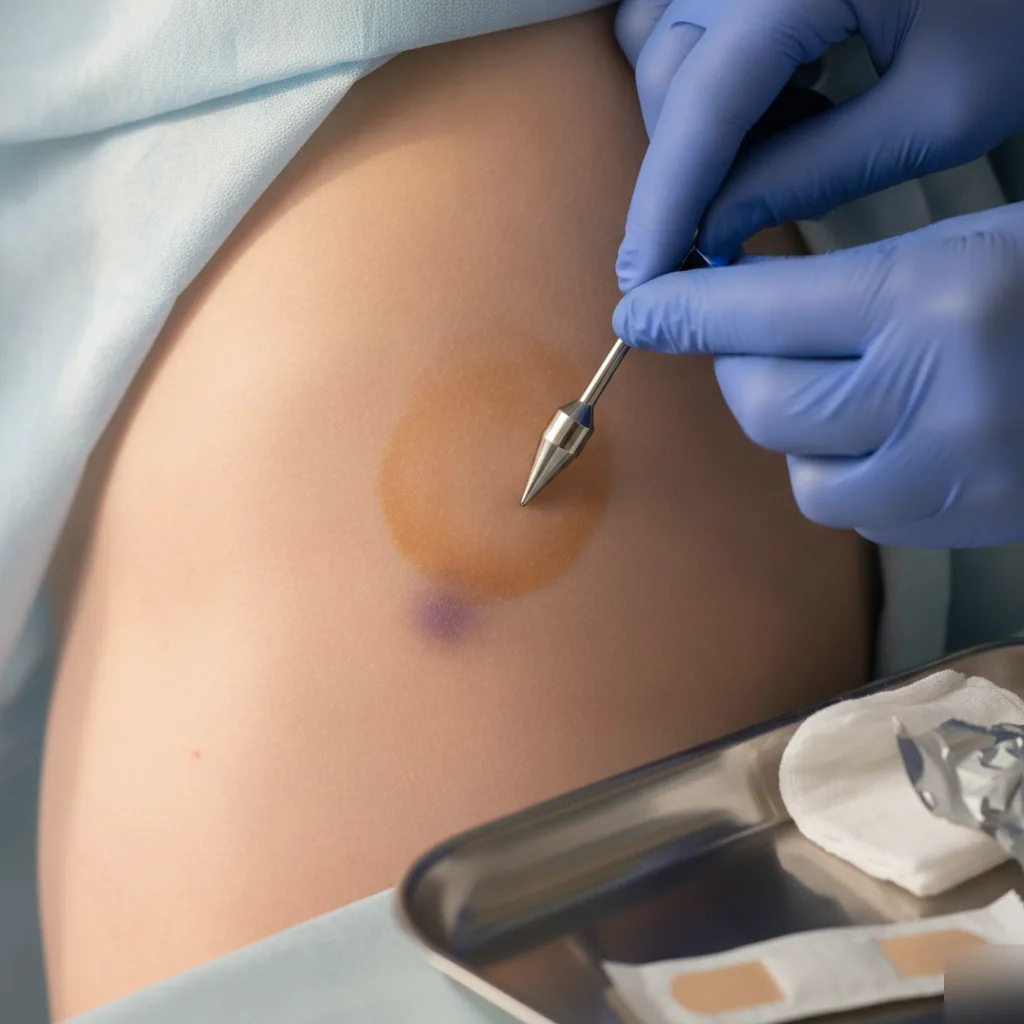
BioTE pellets go just under the skin, usually near the hip, through a tiny incision. Your body needs a few days to close that spot and settle the pellet in. The rules about sweat, heavy movement, and soaking exist to protect that small wound while it heals.
Here’s what’s actually happening under your skin. Your provider makes a small cut during insertion and tucks the pellet into the fatty tissue layer. That spot needs time to close, kind of like a mini surgical site. It’s not a big wound. But it’s an open door for bacteria until it seals shut.
So why does this matter for jogging around Lake Eola or walking your dog through Baldwin Park? Movement and sweat both put pressure on the area. Sweat irritates the incision. Heavy leg or hip movement can shift tissue around the pellet before it settles. Patients who come to us for BioTE bioidentical hormone optimization hear this at every insertion appointment.
We tell patients this constantly in the office. The first few days matter more than people expect.
- Bleeding or bruising at the insertion site from strained movement
- Pellet migration, meaning it shifts from where it was placed
- Infection risk from sweat, pool water, or lake water reaching the incision early
- Slower healing if the area stays irritated or rubbed by clothing during activity
None of these are common. But they’re the reason your provider asks you to hold off on hard workouts for a short window.
Orlando’s climate adds another layer here. Between the heat and humidity, you sweat fast, even on an easy walk. That’s a real factor your provider is weighing, not generic advice copied from a practice up north.
A quick scenario. One patient came in after a beach trip to Cocoa a few days post-insertion. She’d worn a swimsuit that rubbed right against the site all afternoon. No infection, thankfully. But the area stayed irritated and tender for another week. Small choices like that add real recovery time.
This isn’t about fear. It’s about giving a tiny incision the quiet time it needs.
Exercise After Hormone Pellet Insertion: What's Safe Early On
Here’s the honest answer: you can stay active, but not right away. Your body needs a short window to heal around the insertion site near your hip. Most patients feel fine within a day or two. The tissue underneath needs more time than that.
For the first 48 to 72 hours, we ask patients to keep things gentle. This isn’t about being overly cautious. It’s about letting the pellets settle and cutting your risk of bruising, swelling, or a pellet shifting out of place.
- Skip running, cycling, or anything with hard hip movement for at least 2-3 days
- Avoid swimming or submerging the insertion site until it’s fully closed
- Hold off on heavy lifting, squats, or lunges that put pressure on the hip area
- Don’t do intense core or lower body workouts right away
- Avoid saunas or hot yoga in Orlando’s summer heat while the area heals
Walking is usually fine right away, and we encourage it. A slow stroll around your neighborhood or a lap at Lake Eola Park gets your blood moving without straining the site. Skip the hills. Keep the pace easy for the first few days.
By day four or five, most people ease back into light cardio. By the end of week one, a lot of patients are back to their normal walking routine, even on trails like Cady Way. Everyone heals a little differently, so watch how the area feels, not just the calendar.
Here’s a scenario we see often. A patient gets pellets on a Friday, feels great by Saturday, and wants to jump straight into a Sunday morning run through their Orlando neighborhood. We get it, that’s a good sign your energy is already picking up. But rushing back too fast can cause soreness or bruising that lingers longer than it needs to.
Orlando heat and humidity add another layer worth thinking about. Sweating heavily right over a fresh insertion site can irritate the skin before it closes. Give it a few extra days if you’re planning anything outdoors during peak summer months.
If you want a clear, step-by-step plan built around your own activity level, our main service page walks through what to expect before and after treatment.
Full activity, including gym sessions and higher-impact workouts, usually returns within a week to ten days.
Swimming, Sweat, and Humidity: The Real Risk Factor
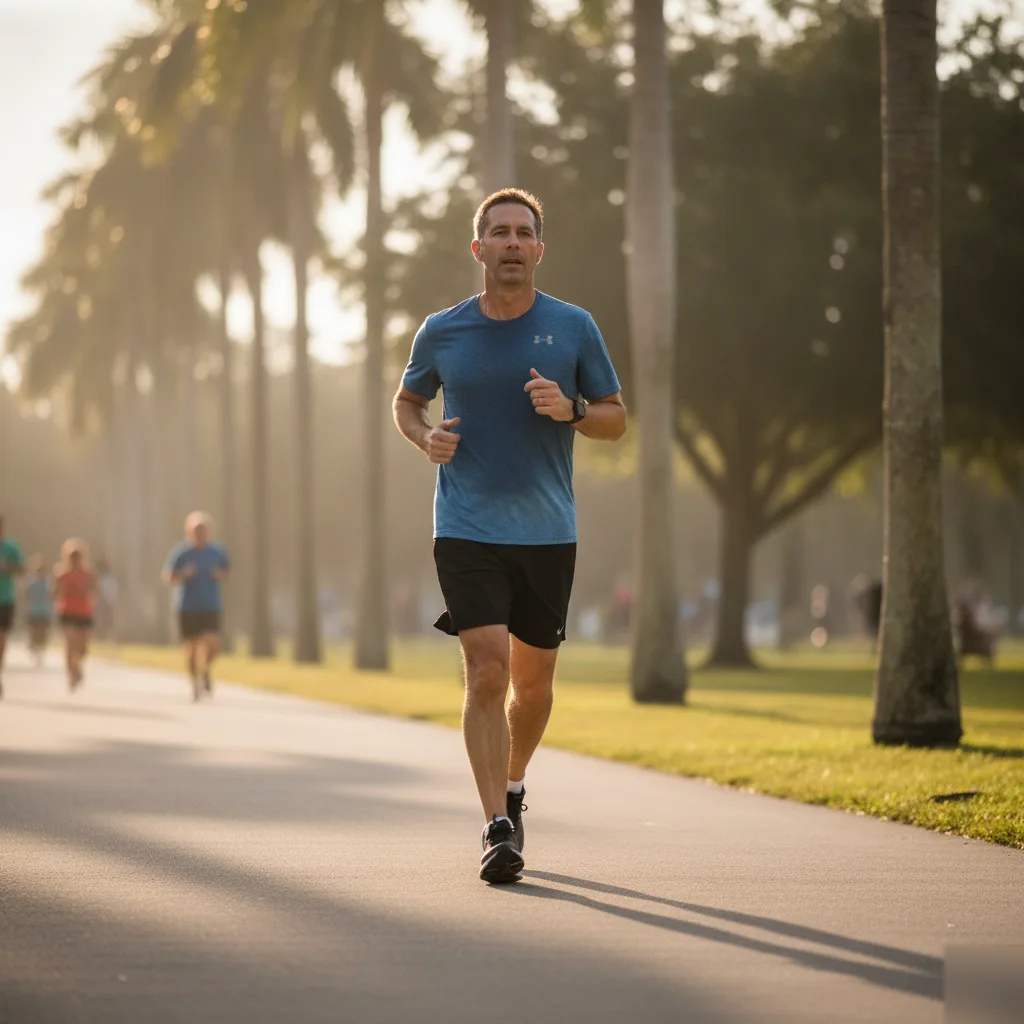
Here’s the truth about living in Central Florida after a pellet insertion. Our humidity is no joke. It’s the biggest wild card in your recovery. You’re not just dealing with sweat from a workout. You’re dealing with air that feels wet even when you’re standing still. That moisture sits against your skin longer than it would somewhere dry, and that matters for a small, healing incision on your hip.
So what raises your risk? Not the sun itself. It’s what the sun and heat bring with them, sweat, bacteria, softened skin around the incision.
- Sweat pooling against the bandage during a July afternoon walk near Lake Eola
- Pool or lake water pushing bacteria into an incision that hasn’t sealed yet
- Sunscreen or chlorine chemicals irritating fresh skin at the insertion site
- Tight athletic clothes trapping moisture and heat right where you need airflow
We see this mistake all the time. A patient feels great two days after their appointment and heads straight into a pool at their apartment complex. The pellets themselves are fine, sitting deep under the skin. The open incision on top is the vulnerable part, and pool water isn’t sterile no matter how clean it looks.
Swimming and submerging the incision needs to wait until it’s fully closed, usually a few days, sometimes longer depending on how you heal.
Sweat is a little different. Light sweat from a walk around Blue Jacket Park or a slow bike ride usually isn’t a big deal, as long as you keep the area dry and clean afterward. Heavy sweat from a hard run in August heat is another story. Orlando summers regularly push heat index numbers past 100 degrees, according to National Weather Service data, and that kind of workout soaks clothing fast. Wet fabric sitting against the bandage for an hour creates exactly the damp, warm environment bacteria like.
Ask yourself this before you head out: will this activity leave me soaked for a long stretch? If yes, save it for later in the week.
A simple pattern helps most patients get through this stage without stress. Change out of sweaty clothes quickly. Pat the area dry, never rub it. Skip the pool, lake, or ocean until you’re told it’s okay. Keep an eye on the incision daily for anything that looks off, redness, warmth, or drainage.
Book Your Consultation
Frequently Asked Questions
How long do I really need to wait before working out after BioTE pellets?
Plan on 2-3 days before anything harder than walking. Your hip needs that time to close the small incision and let the pellet settle in place. Light cardio can usually start around day four or five. Full workouts, including lifting and running, are typically fine within a week to ten days. If you want a clear plan based on your own routine, our main BioTE pellet therapy page walks through what to expect before and after treatment.
Is walking outside safe right after getting BioTE pellets?
Yes, walking is one of the safest things you can do. A slow stroll around your neighborhood or a lap at Lake Eola Park keeps blood moving without straining the insertion site. Skip hills and keep the pace easy for the first few days. Walking doesn’t put the same pressure on your hip that running, cycling, or squats do, so it’s a smart way to stay active without slowing your healing.
What’s a common mistake people make with activity after pellet insertion?
The biggest mistake is thinking feeling good means you’re fully healed. Your energy can bounce back within a day or two, but the tiny incision under your skin still needs time to close. Jumping into a run or a swim too soon can cause bruising, soreness, or irritation that lasts longer than the original recovery window would have. Watch how the area feels, not just how you feel overall.
Does Orlando’s humidity change how I should handle recovery?
Yes, humidity matters more here than in drier climates. Moist air keeps sweat sitting against your skin longer, which raises irritation risk around a healing incision. Even an easy walk near Lake Eola can leave you sweatier than the same walk somewhere dry. That’s why we tell Orlando patients to keep the area dry and clean after any outdoor activity, and to give themselves a little extra time before pushing into harder workouts during peak summer heat.
Can I swim in a pool or lake in Orlando before my incision heals?
No, you should wait until the incision is fully closed before swimming or submerging it. Pool and lake water both carry bacteria that can reach an open incision, even if the water looks clean. This usually means waiting a few days, sometimes longer depending on how your body heals. Light sweat from a slow walk is generally fine, but soaking the site in water is a different risk altogether.
How do I know if I pushed my activity too hard too soon?
Watch for bruising, swelling, or soreness that lingers longer than a day or two near the insertion site. These signs usually mean the tissue got more pressure than it was ready for. It doesn’t mean something went seriously wrong, but it’s a signal to slow back down to gentle walking for a few more days. If soreness keeps getting worse instead of better, check in with your provider.
Ready for a Svelte transformation?
Take the first step toward better health and metabolic stability today.
Our team is here to support you.