
Home » How Long Does It Take to Feel Results After BioTE Pellet Insertion? An Orlando Patient’s Guide
How Long Does It Take to Feel Results After BioTE Pellet Insertion? An Orlando Patient's Guide
The Real Timeline: Onset, Peak, and Decline
Most patients notice small shifts in energy or mood within the first one to two weeks after BioTE pellet insertion. Fuller results build over four to six weeks. Hormone levels typically peak around six to eight weeks, then slowly taper as the pellets dissolve over the following months. Everyone’s timeline looks a little different. Patience during those first few weeks pays off.
Nothing dramatic happens on day one. Your body needs time to absorb the hormone from the pellet and start using it. We tell every Orlando patient the same thing during their follow-up call: don’t judge results at the two-week mark.
The first two weeks are quiet. Some people notice slightly better sleep or a little less brain fog, but for most, it’s subtle. That’s normal. Your body is still adjusting to the new hormone level, kind of like turning up a dimmer switch instead of flipping it on all at once.
- Week 1-2: Subtle shifts. Sleep may improve slightly. Mood swings can soften a bit.
- Week 3-4: Energy usually picks up. Many patients say they feel more like themselves again.
- Week 5-8: Peak effect. This is when most people report the biggest improvements in libido, focus, and stamina.
- Month 3-4: Levels start to gradually decline as the pellet continues dissolving.
- Month 4-5 (women) or Month 5-6 (men): Time for a follow-up pellet insertion to maintain results.
Why the wait? Pellets release hormone steadily through tiny blood vessels near the insertion site, usually the hip. It’s a slow, controlled release, not a quick spike. The curve looks more like a gentle hill than a cliff – it climbs, holds, then eases back down over months.
One Orlando patient we worked with described it well. She said week one felt like nothing changed. By week five she woke up without an alarm for the first time in years.
Florida’s heat and humidity can make some symptoms, like fatigue and irritability, feel more intense before treatment starts working. Worth knowing if you’re timing your insertion around a busy season at work or school.
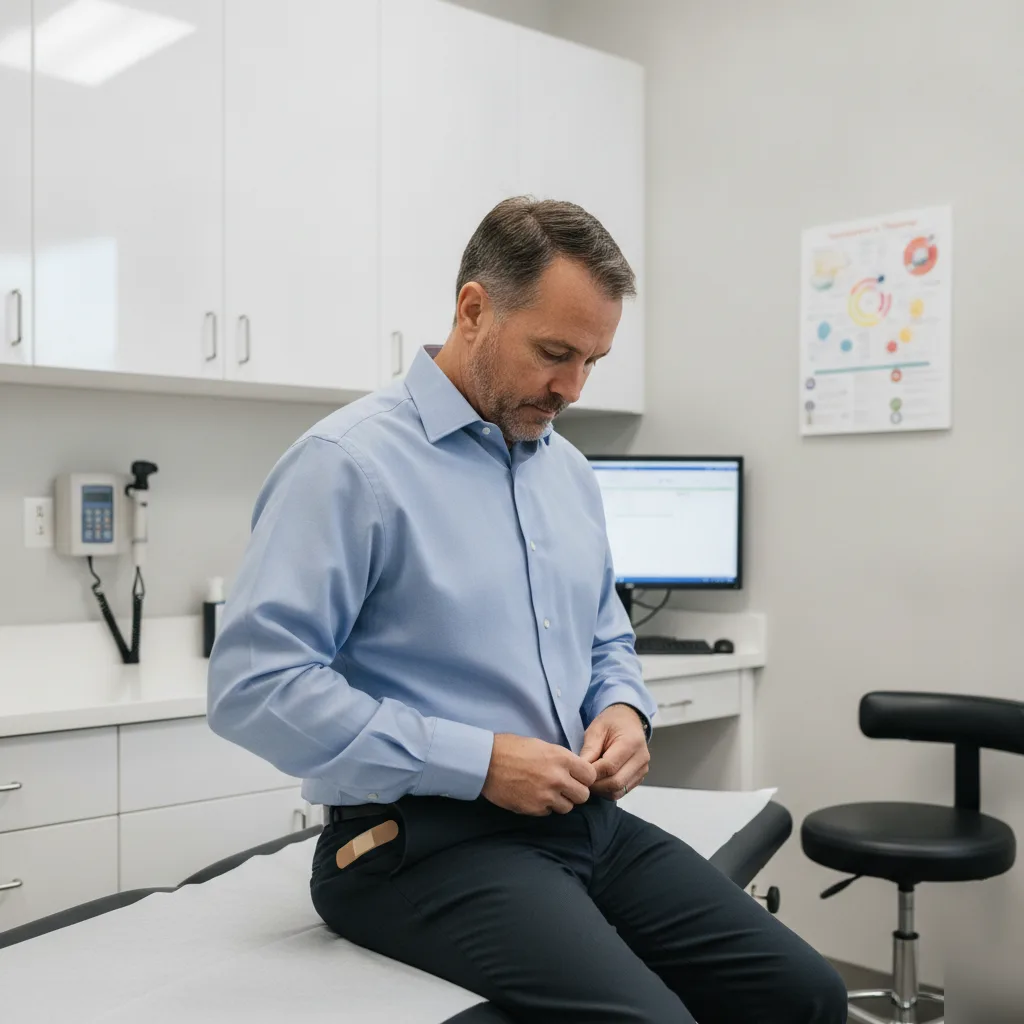
Early Signs Your Pellets Are Starting to Work
You won’t wake up on day three feeling like a new person. That’s not how this works – and we’d be a little worried if you did. Bioidentical hormones released from a pellet build up in your body slowly. Most patients notice the first small shifts somewhere between week two and week four, though it varies person to person.
So what shows up first? Rarely dramatic. Think fog lifting a little at a time.
- Sleeping a bit deeper, even if you’re still waking up at your usual time
- Feeling less foggy by mid-afternoon, the kind of tired that used to hit like a wall
- Noticing your mood settle, fewer sudden dips or irritable moments
- A small uptick in motivation to move or exercise
- Slightly better focus during work tasks that used to feel like a slog
One patient we worked with described it as finally finishing his workday without needing a nap in his car during lunch. That kind of change is common around the three to four week mark. Subtle at first. But real, and it tends to build from there.
Here’s the thing. Everyone’s hormone levels start in a different place. And your dose gets calculated based on your labs, not guesswork. That’s why we run bloodwork before insertion and again a few weeks out – so we can see the numbers behind what you’re feeling.
Libido and energy usually shift before things like skin texture or muscle tone. Those take longer, sometimes eight to twelve weeks, because tissue changes need more time than mood or sleep does.
Still waiting for something to feel different by week two? Don’t panic. That’s still within a normal range for a lot of people.
We get asked a lot whether it’s normal to feel nothing for the first ten days. It is. The pellet has to settle into the tissue and start releasing hormone at a steady rate. Rushing to judge results too early is one of the most common mistakes we see. Give it the full window before deciding anything.
If you’re in the Orlando area and want a clear picture of what your own timeline might look like based on your labs and history, our main service page walks through the full process from testing to follow-up care.
Small wins early on usually mean bigger ones are coming.
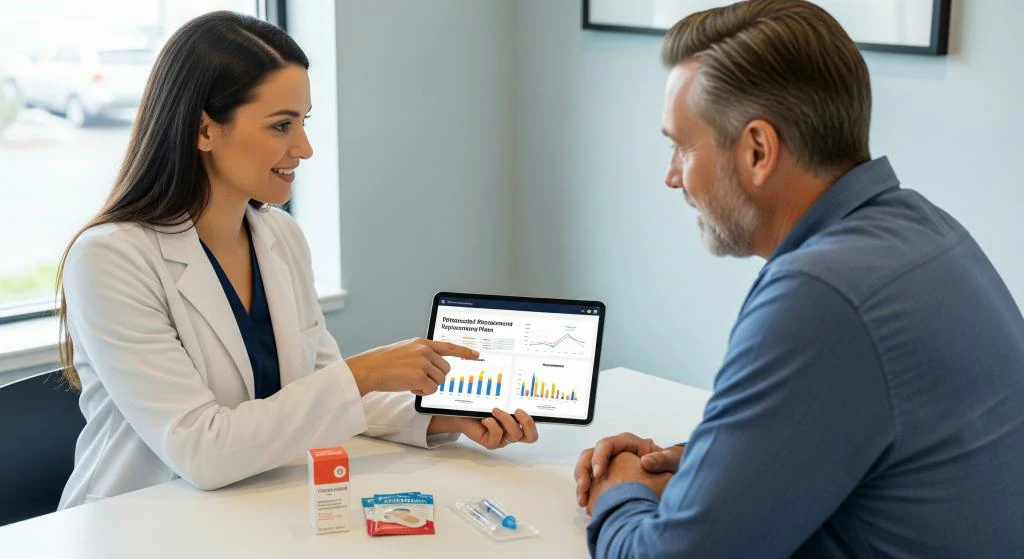
When to Check In With Your Provider vs. When to Wait It Out
Most people feel some mild soreness at the insertion site for a few days. Normal, and it usually fades on its own. But some symptoms deserve a phone call instead of a wait-and-see approach. Knowing the difference can save you a lot of worry.
We tell patients in our Orlando office the same thing every time. If something feels off but mild, give it a week. If it feels wrong, call us. Trust your gut here – you know your body better than a chart on the wall.
Here’s a scenario we see often. A patient calls three days after insertion worried about bruising near the hip. Usually, that’s just normal healing. We walk through it on the phone, and most of the time no visit is needed.
- Mild soreness, light bruising, or a small bump at the insertion site in the first week
- Feeling a bit more tired than usual during the first ten days as hormones shift
- Slight mood swings or sleep changes in the early adjustment window
- No noticeable results yet within the first two to three weeks
Those things fall under normal and expected. You don’t need to call the office for any of them, though you’re always welcome to ask questions.
Now here’s what does warrant a call.
- Redness, warmth, or drainage at the insertion site that gets worse instead of better
- A fever or chills within the first week after your appointment
- Sudden, severe mood changes that feel out of character for you
- Symptoms that were improving and then suddenly reverse after several weeks
If any of those show up, don’t wait it out. Call your provider the same day. Infection at the insertion site is rare. But it’s the one thing you don’t want to guess about.
Here’s a simple rule we give every new patient.
If it’s uncomfortable but stable, give it time. If it’s getting worse day by day, pick up the phone.
Unsure whether your six-week mark should feel different than this? That’s a fair question. So ask it. We’d much rather field a simple question than have you sit on a worry for another month.
Timing matters too. Most patients don’t need a check-in visit until the follow-up window your provider set at your first appointment. Early concerns, especially anything at the insertion site, shouldn’t wait for a scheduled visit.
Book Your Consultation
Frequently Asked Questions
What should I expect during the first week after BioTE pellet insertion?
You should expect mild soreness, light bruising, or a small bump near the insertion site during the first week. Your body is just starting to absorb the hormone, so most people notice little to no change in how they feel. This quiet period is normal and doesn’t mean the pellet isn’t working. Think of it like a slow dimmer switch turning up, not a light flipping on. Rest, drink water, and avoid heavy leg workouts for a few days to help the area heal.
Is it normal to feel no results for the first two weeks after BioTE pellet insertion?
Yes, feeling little to no change in the first two weeks is completely normal. Many people expect fast results and worry when nothing happens right away, but that’s a common misconception. The pellet needs time to settle into tissue near the hip and release hormone at a steady rate. Most patients notice small shifts, like better sleep or less brain fog, between week two and week four. Judging results too early is one of the most common mistakes we see in our Orlando patients.
Does Orlando’s heat and humidity affect how fast I feel results from BioTE pellets?
Orlando’s heat and humidity can make symptoms like fatigue and irritability feel worse before your pellets start working. This doesn’t slow down the hormone release itself, but it can make the early adjustment window feel harder to push through. If you’re timing your insertion around a busy work or school season, keep this in mind. Staying hydrated and getting enough rest during Orlando’s warmer months can help you feel more comfortable while your body adjusts.
How can I tell if my hormone levels are rising after pellet insertion?
The only reliable way to know is through follow-up bloodwork, not just how you feel day to day. Your dose is calculated from your original labs, and a second round of testing a few weeks after insertion shows the numbers behind your symptoms. Energy and mood usually shift before physical changes like skin texture or muscle tone, which can take eight to twelve weeks. Our full BioTE hormone pellet therapy process page walks through this testing schedule in detail if you want to see how it works.
What’s the difference between peak effect and decline after BioTE pellet insertion?
Peak effect happens around week five to eight, when most Orlando patients report their biggest improvements in energy, focus, and libido. Decline starts around month three or four, as the pellet continues to dissolve and hormone levels gradually taper off. This isn’t a sign something went wrong. It simply means your body is using up the hormone supply, which is why a follow-up insertion is scheduled before levels drop too low.
Ready for a Svelte transformation?
Take the first step toward better health and metabolic stability today.
Our team is here to support you.