
Home » Low Testosterone Treatment in Lake Mary | Svelte Medical Weight Loss – Lake Mary
Low Testosterone Treatment in Lake Mary | Svelte Medical Weight Loss – Lake Mary
Recognizing the Symptoms That Point to Low Testosterone

Many men do not suddenly recognize low testosterone. The change often feels gradual. You might simply notice a general feeling of being unwell, a sense that something isn’t quite right. Perhaps you feel tired through the afternoon, even after getting enough sleep. Or you have less interest in activities you once enjoyed. When those feelings persist, it is worth speaking with a board-certified men’s health physician. We hear stories like this from men in Lake Mary almost every week.
The challenge is that low testosterone symptoms can resemble those of stress, poor sleep, or typical aging. Because of this, men often dismiss their symptoms for months, sometimes even years. However, we repeatedly observe a specific pattern of symptoms. Once you understand what to look for, these symptoms often become clear.
Here are the most common signs that lead men to our clinic:
- Ongoing fatigue that neither coffee nor rest seems to fix
- Reduced sex drive or difficulty with erections
- Mental fogginess, difficulty focusing, or a feeling of being mentally slow
- Unexpected muscle loss despite consistent workouts
- Increased belly fat that resists diet and exercise changes
There are also less obvious signs. These can include irritability that appears without reason or a general feeling of flatness or lack of motivation. Some men near the Heathrow area share that they initially thought they were dealing with depression until a blood panel revealed a different cause. The American Urological Association notes that testosterone levels below 300 ng/dL are generally low. However, symptoms can appear even before your levels drop to that specific number.
Many people do not realize that low testosterone affects more than just how you feel day-to-day. Over time, it can influence bone density, cardiovascular health markers, and metabolic functions. Addressing these concerns early is important for your overall health.
If you are unsure whether your experiences align with these symptoms, this is quite common. The men we speak with often say, “I didn’t think it was serious enough to get checked.” In most cases, these concerns are indeed worth evaluating. A simple blood draw can accurately show us your current hormone levels, removing any guesswork.
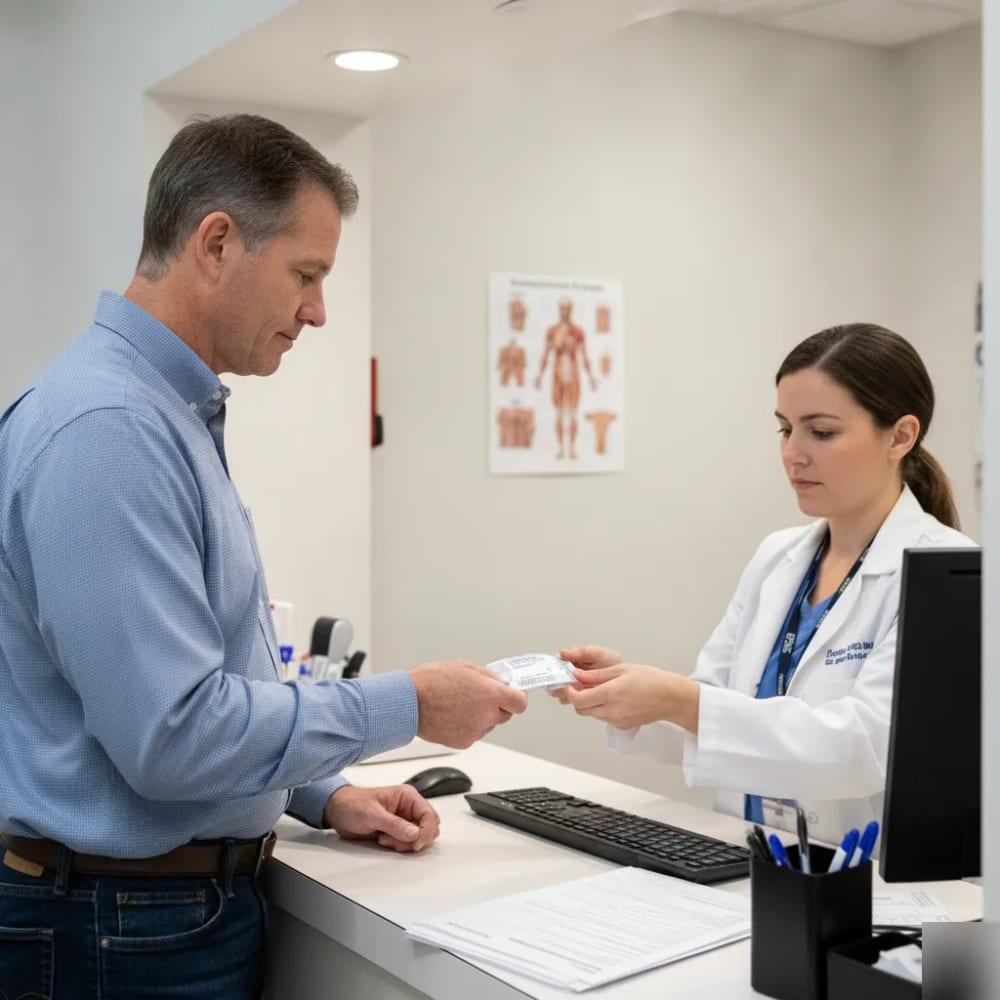
How Low Testosterone Is Diagnosed at a Men's Health Clinic
Effective treatment begins with an accurate diagnosis. This is why every patient in Lake Mary receives a proper diagnosis before any treatment begins.
Many men arrive at our clinic already suspecting their testosterone levels are low. They may have researched it online or heard about a friend’s experience. Often, their suspicions are correct. However, we always require bloodwork to confirm these suspicions, as symptoms alone do not tell the complete story.
What the Blood Panel Measures
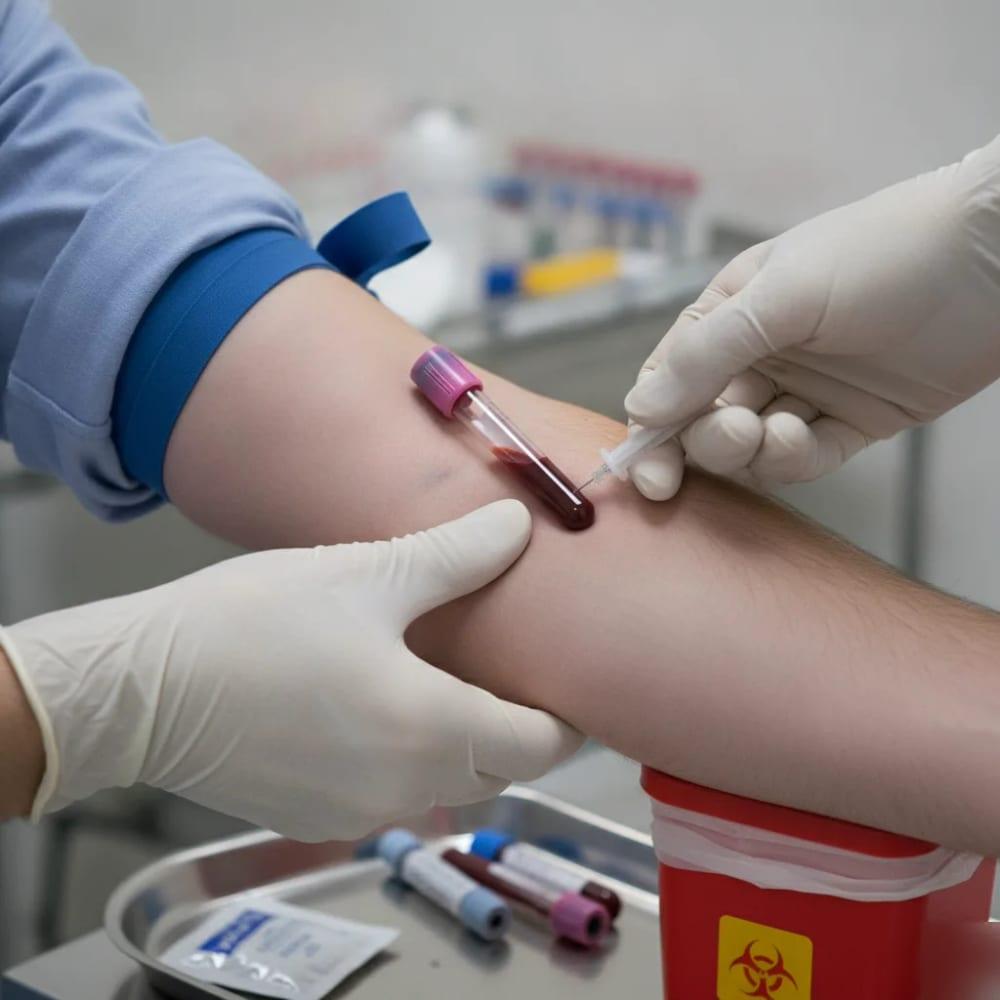
We do not rely on a single reading. A single total testosterone number can be misleading because your levels fluctuate throughout the day. They also shift due to stress, sleep, and even your diet., we conduct a full hormone panel that measures several specific markers:
- Total testosterone and free testosterone levels
- Sex hormone-binding globulin (SHBG), which affects how much testosterone your body can use
- Luteinizing hormone (LH), which helps us determine if the issue originates in the brain or the testes
- A complete metabolic panel and CBC to rule out other potential causes
We draw blood in the morning. This timing is essential for accurate results. Testosterone levels peak early in the day, so an afternoon draw can show inaccurately low numbers. Clinical guidelines recommend testing before 10 a.m. to accuracy. We adhere to this standard consistently.
What Happens After the Labs
Once your results are available, we meet with you to review each number in detail. This is not a quick summary. We have a thorough conversation about what your levels indicate, what falls within normal ranges, and what these results mean for your symptoms. Frequently, the lab findings precisely reflect what patients described when they first came in.
Some men near the Heathrow area have shared that they had bloodwork done elsewhere but never received a clear explanation. We believe you deserve to understand your own results clearly.
If your levels are below the clinical threshold, we discuss the next steps. If your levels are within normal range, we explore other potential causes for your symptoms. In either case, you leave with a clear answer. We provide data and a treatment plan that suits your body, without assumptions.
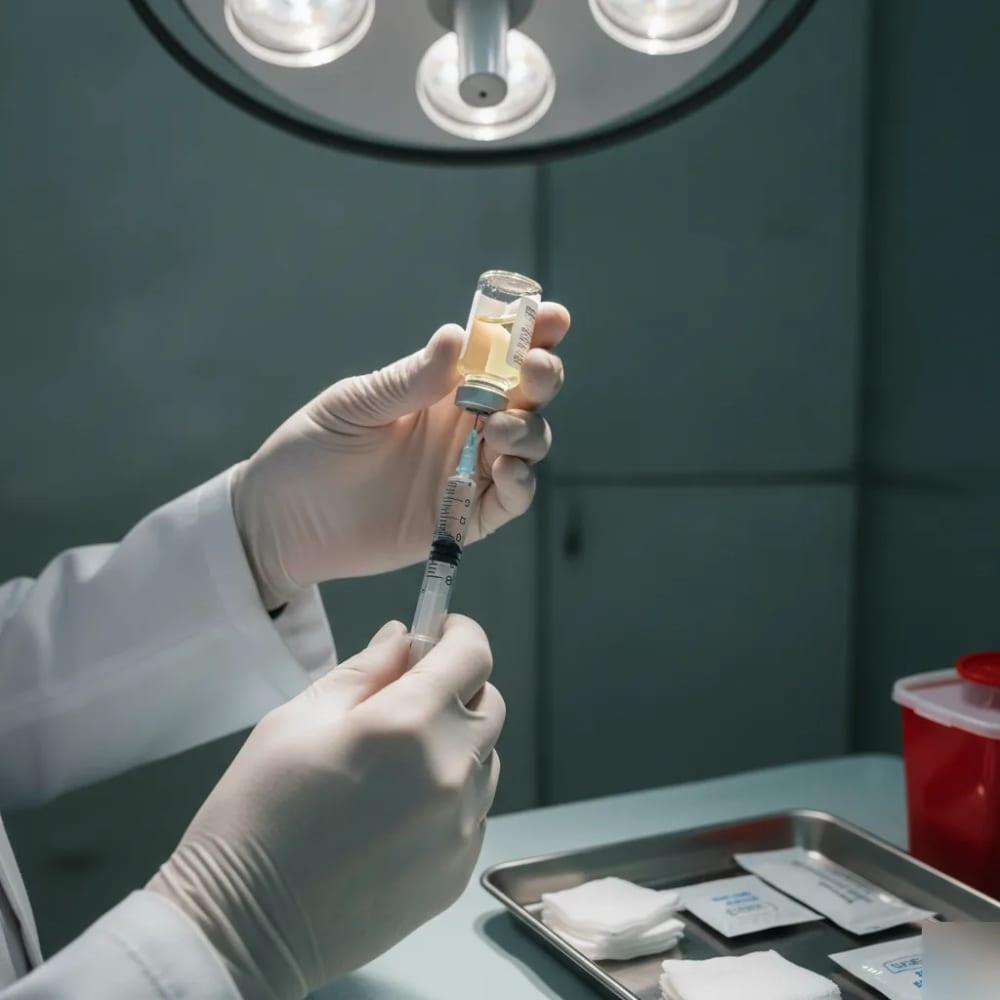
Treatment Options for Low Testosterone Explained Clearly
So, your lab results confirmed it: your testosterone is low. What happens next? that this part can feel a little overwhelming for many men. There are several approaches to low testosterone treatment. The right choice for you depends on your specific numbers, your symptoms, and what aligns with your lifestyle. During your consultation, we review every option with you thoroughly, with ample time for your questions and no pressure to make immediate decisions.
The Common Approaches We Use
Here are some of the ways low testosterone is treated in practice:
- Testosterone injections. This is a common and widely used method. You will receive injections on a regular schedule, typically weekly or biweekly. Many of our Lake Mary patients prefer this approach because the dosing is precise and straightforward to adjust.
- Topical testosterone gels or creams. These are applied daily to the skin. Gels and creams work well for men seeking a steady, consistent delivery of testosterone without needles.
- Testosterone pellets. Small pellets are placed under the skin every few months. This option involves less frequent clinic visits, which some men find more convenient.
- Clomiphene citrate (oral medication). This medication does not contain testosterone itself. Instead, it signals your body to produce more testosterone naturally. We sometimes use this for younger men or those who wish to preserve fertility.
Most initial discussions often focus on injections. They are effective, well-researched, and give us excellent control over your testosterone levels. However, individual situations vary for every man.
It is important to remember that not every method works the same for every person. A gel that is highly effective for one man may not impact another’s levels. This is why we closely monitor your bloodwork after starting treatment. We check free testosterone, total testosterone, estradiol, hematocrit, and PSA levels at regular intervals. Ongoing lab monitoring is an essential part of safe testosterone therapy, and we prioritize this.
We do more than just provide a prescription. Our medical team near the Timacuan area reviews your progress, adjusts your dosing as needed, and confirms your improved well-being. Our goal is not just a favorable number on a lab report. Our goal is for you to wake up with renewed energy, think clearly, and feel like yourself again.
If you are wondering which option makes sense for you, schedule a consultation, and we will determine the path together.
What Happens After You Start Low Testosterone Treatment
Many men expect to feel different immediately after starting treatment. We explain to every patient that low testosterone treatment is a gradual process as your body adjusts over several weeks. Some changes appear quickly, while others take longer to develop. Here is a typical timeline of what we observe with our Lake Mary patients:
- Weeks 1-2: You may begin to notice slight improvements in energy and mood. Sleep quality might start to improve. Significant changes are generally not yet apparent.
- Weeks 3-4: Mental clarity often improves during this period. Patients near the Timacuan area frequently report feeling “less foggy” at work. A return of motivation often begins here.
- Weeks 6-8: At this point, most men experience noticeable momentum. Libido can improve, changes in body composition may start to occur, and that persistent fatigue often begins to lift considerably.
- Months 3-6: Muscle recovery, fat loss, and emotional stability tend to become more consistent. We conduct follow-up labs during this time to recheck your levels and make any necessary adjustments to your treatment plan.
Not everyone follows this exact timeline. Your initial testosterone levels, your age, and your overall health all play a role in your individual response. However, this general pattern holds true for most of the men we treat.
We schedule follow-up bloodwork around the 6-to-8-week mark. This step is not negotiable. It allows us to confirm that your dose is correct and that your body is responding safely to the treatment. At a minimum, we check total testosterone, free testosterone, hematocrit, and estradiol. If any adjustments are needed, we can address them early.
We do not simply place you on a protocol and then become unavailable. You will have direct access to our medical team between visits. If you have a question about a side effect, you can reach out to us for support.
The changes from treatment are not just physical. Often, a patient’s partner is the first to notice an improvement in his mood. He may become more patient and present in daily life. These personal improvements are just as important as the numbers on a lab report.
If you are wondering whether your current treatment is truly working for you, schedule a consultation, and we will review your labs together.
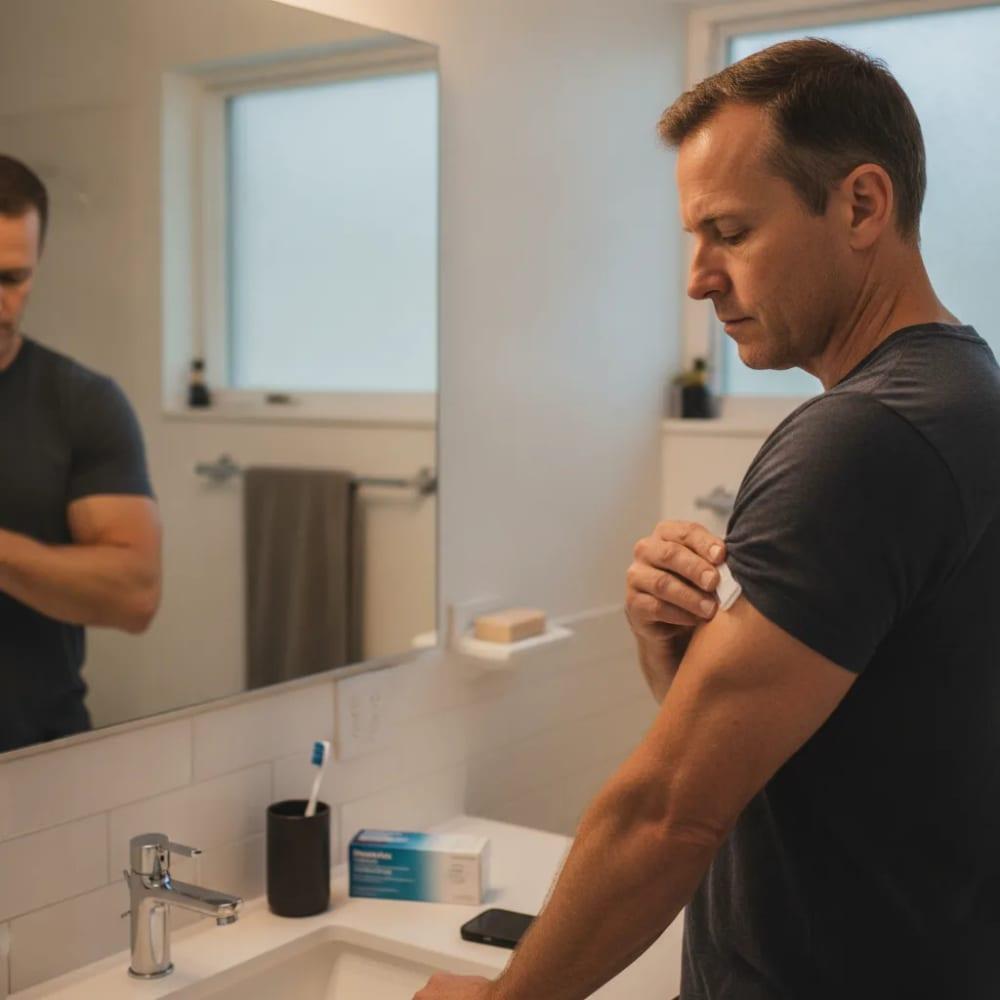
Why Lake Mary Professionals Are Seeking This Treatment Now
You dedicate long hours to your work. You are present for your family. But somewhere around ages 35 or 40, you might have noticed a shift. The energy you once had seems diminished, your focus feels less sharp, and you might not remember the last time you woke up truly feeling rested.
We hear this experience described almost daily by men right here in Lake Mary.
Low testosterone treatment was not openly discussed in the past. That has changed. More men in their 30s, 40s, and 50s now recognize that their symptoms are not just “getting older.” Instead, they may indicate a measurable hormone deficiency. This deficiency can be identified with a simple blood panel and addressed under medical supervision. Clinical data indicates that testosterone levels below 300 ng/dL are considered low, and symptoms can appear well before levels drop to that range.
What is driving this change now? Several factors contribute. Men are more aware of the signs of low testosterone. They are reading about it, hearing about friends’ positive experiences, and noticing how others who sought help feel like themselves again. The previous stigma surrounding hormone therapy has also lessened. Especially in active communities like those near the Timacuan and Heathrow areas, men want to maintain their competitive edge at work and remain engaged at home. They are choosing not to simply accept a decline in their well-being.
Here are the common reasons we see men finally schedule that first consultation:
- Ongoing fatigue that does not improve with additional sleep
- Mental fogginess and difficulty concentrating during work hours
- Loss of muscle mass or increased body fat despite consistent exercise
- Low motivation, irritability, or mood changes that feel uncharacteristic
- Decreased libido or challenges with sexual performance
None of these symptoms suggest you are permanently “broken.” Instead, they indicate your body may not be producing enough testosterone to support your active lifestyle. The good news is that a straightforward lab test can reveal your exact hormone levels. This removes any need for guesswork or assumptions.
However, delaying action does not help. Low testosterone does not correct itself. Men who come to us in Lake Mary frequently express the same sentiment afterward: “I wish I had done this sooner.”

Book Your Consultation
Frequently Asked Questions
How long does it take to feel better after starting low testosterone treatment in Lake Mary?
Most men notice early changes within two to four weeks of starting treatment. Energy and mood often improve first. Sexual function and muscle changes usually take longer closer to eight to twelve weeks. Your body needs time to respond to restored hormone levels. We track your progress with follow-up labs so we can adjust your dosing if needed. Every man responds a little differently, but steady improvement is the typical pattern we see.
Do I need a referral to get tested for low testosterone at a men’s health clinic in Lake Mary?
No referral is needed to come in for a low testosterone evaluation. You can schedule directly with us. Many men in Lake Mary come in on their own after noticing symptoms for months. We handle everything in-house — the blood draw, the lab review, and the treatment plan. You do not need to go through your primary care doctor first, though we are happy to coordinate with them if you prefer.
What is the difference between total testosterone and free testosterone on my lab results?
Total testosterone measures all the testosterone in your blood. Free testosterone measures only the portion your body can actually use. Some men have decent total numbers but low free testosterone because a protein called SHBG is binding too much of it. This is why we test both. If we only looked at total testosterone, we could miss the real reason you are feeling the way you do. Both numbers together give us a much clearer picture.
Can low testosterone cause the fatigue and mental fog I have been feeling?
Yes, fatigue and mental fog are two of the most common symptoms men describe before treatment. Many men near the Heathrow area initially thought they were just stressed or not sleeping well. A blood panel often tells a different story. Low testosterone affects brain chemistry, energy metabolism, and sleep quality all at once. Once levels are restored, most men report sharper focus and steadier energy within the first month or two of treatment.
Will testosterone treatment affect my ability to have children?
This is an important question and one we take seriously. External testosterone can reduce sperm production in some men. If you are planning to have children, we discuss this before starting any treatment. Clomiphene citrate is one option we use specifically for men who want to preserve fertility while still addressing low testosterone. We never start treatment without talking through this consideration with you first, especially for younger men in Lake Mary who may be in that stage of life.
How often do I need to come in once I start low testosterone treatment in Lake Mary?
Visit frequency depends on which treatment method you choose. Injection patients typically come in weekly or biweekly at first. Pellet patients return every three to four months for a new insertion. All patients get follow-up labs at regular intervals so we can monitor your levels and adjust as needed. After your first few months, many men settle into a comfortable routine that fits around their schedule here in Lake Mary.