
Home » What Is the Difference Between Total Testosterone and Free Testosterone on My Lab Results? A Lake Mary Physician Explains
What Is the Difference Between Total Testosterone and Free Testosterone on My Lab Results? A Lake Mary Physician Explains
Total Testosterone and Free Testosterone Measure Two Different Things
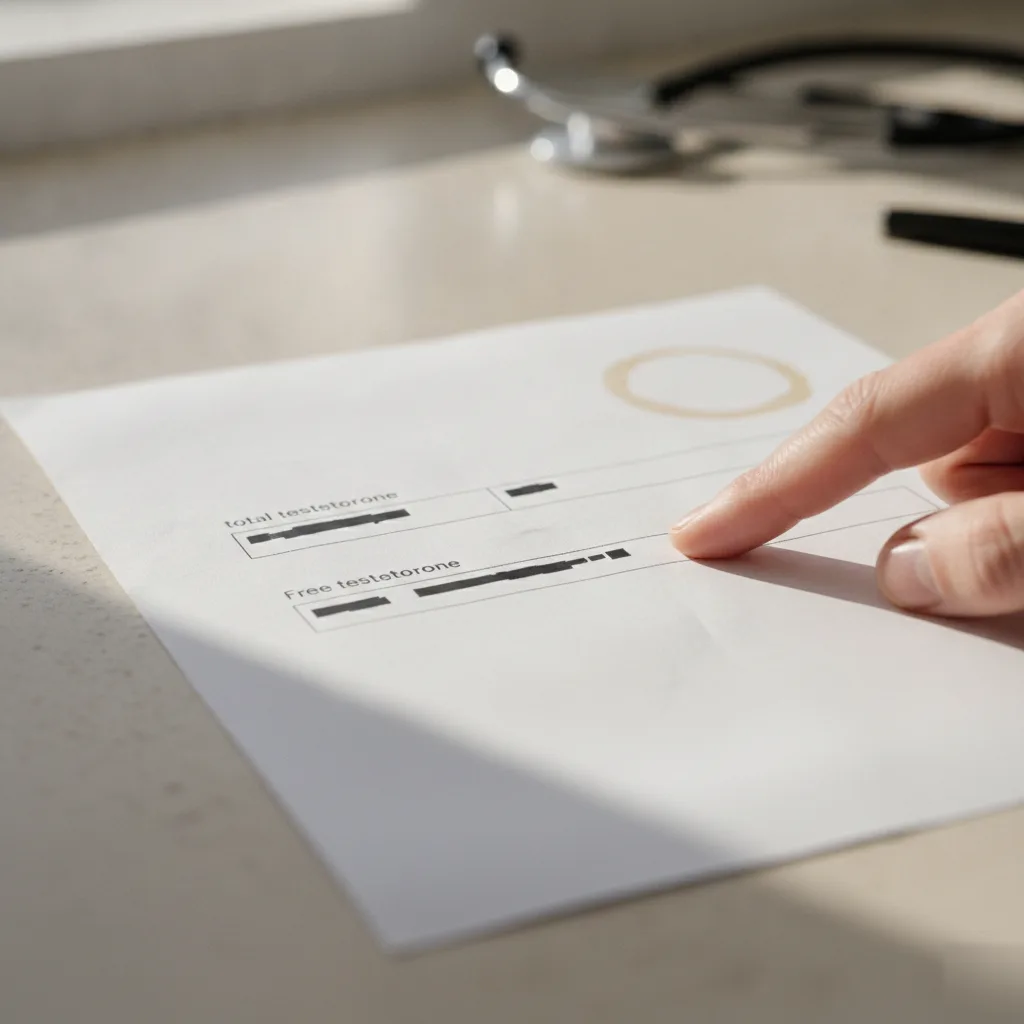
Total testosterone measures all testosterone in your blood. This includes both the hormone ready for use and the hormone bound to proteins, which cannot act on your body. Free testosterone measures only the active part, the amount your muscles, brain, and libido can use. This difference matters more than most patients realize.
Most of your testosterone binds to a protein called SHBG, sex hormone binding globulin. Bound testosterone sits in reserve. It is not available to your tissues immediately. Free testosterone is the small percentage, usually one to two percent, that remains unbound. It is ready to act on receptors in your body. A man can have a “normal” total testosterone number and still feel exhausted, foggy, and low on drive because his free testosterone is low.
We see this constantly. A patient often comes in holding lab results that show his total testosterone is 450, technically in range. He feels confused why he still feels flat. Most of the time, the missing piece is SHBG. Age, thyroid function, liver health, and body weight all push SHBG up or down. This changes how much free testosterone you have available.
This is why we don’t stop at one number. A Comprehensive Men’s Hormone Panel looks at total testosterone, free testosterone, and SHBG together. We read the full picture instead of guessing from a single data point.
Total testosterone tells you what’s in the tank. Free testosterone tells you what your body can run on.
Do you want to know where you stand, not just what one number suggests? We believe this is a conversation worth having with your provider before any treatment decision gets made.
SHBG Is Usually Why Your Two Numbers Disagree
Few people explain this before you see your results. Sex hormone binding globulin, or SHBG, is a protein that binds to testosterone and carries it through your blood. Testosterone bound to SHBG cannot get into your tissues and do its job. Only the unbound portion, the free testosterone, is available to your muscles, brain, and libido. Two men can have the same total testosterone number and feel different. Their SHBG levels are not the same.
We check SHBG on every comprehensive men’s hormone panel and every comprehensive women’s hormone panel we run. Skipping it can lead to missed low testosterone diagnoses. High SHBG locks up more testosterone. This leaves less free hormone even when the total looks fine. Low SHBG does the opposite. It can make total testosterone look low while free testosterone is okay.
What raises SHBG? Age, thyroid issues, and certain liver conditions can raise it. What lowers it? Obesity, insulin resistance, and some steroid use tend to push SHBG down. This is why two 45-year-old men can walk into our clinic with identical total testosterone results, yet only one may need low testosterone treatment.
We have seen patients with total testosterone in the low 500s, technically normal, who felt exhausted and foggy every day. Their SHBG was high, and their free testosterone was low. This explained their symptoms. A number on a page does not tell the whole story; your SHBG does.
The Lab Method Behind Your Free Testosterone Number Matters
Most patients are never told this: not all free testosterone tests are performed the same way. Two men can go to different labs with the same hormone levels and receive different free testosterone numbers. Why? The method used to calculate it.
Equilibrium dialysis is the gold standard. This direct measurement separates free testosterone from bound testosterone in the blood sample itself. Many commercial labs skip this. They use a calculated free testosterone instead. This is an estimate built from your total testosterone, SHBG, and albumin using a mathematical formula. It is faster and cheaper. It is also less precise, especially at the low end of the range. This is where many treatment decisions are made.
We order direct, measured free testosterone whenever possible, not the calculated version. This single choice can change whether you qualify for treatment. It also determines if you are told your levels are “normal” when they are not.
If you have had blood work done near Lake Mary and want fasting results before traffic backs up on Rinehart Road, we schedule morning draws for that reason. Fasting affects SHBG and insulin. Both of these factor into how your free testosterone is calculated. A rushed, non-fasting draw at lunchtime can skew your numbers.
Ask your provider one question before you trust any free testosterone result: was this measured directly, or calculated? If they cannot answer that clearly, get a second opinion. Our comprehensive men’s hormone panel includes direct free testosterone testing. This means you are not guessing based on a formula. That distinction alone has changed treatment plans for patients who were told everything looked fine elsewhere.
Normal Numbers Without Symptoms Usually Don't Need Treatment
We often tell patients this: a number on a page does not tell the whole story. If your total testosterone comes back in the normal range, and your free testosterone also looks fine, you likely do not need treatment right now. This is true if you are not dealing with low energy, low libido, or trouble building muscle. We are not trying to talk you out of anything. This is simply the honest answer.
Lab results can look “borderline” and still mean nothing clinically. We see this every week. A man often comes in worried because his total testosterone sits at the bottom edge of the reference range. However, his free testosterone is solid, and he feels great. He has no fatigue, no mood changes, and his sleep is fine. In that case, starting testosterone replacement therapy would not make sense. Treatment is for symptoms plus lab findings together, not lab findings alone.
When should you wait instead of treat? A few situations come to mind.
If you are under real physical or emotional stress right now, due to illness, poor sleep, or a rough few months, your numbers can dip temporarily and bounce back. If you had bloodwork drawn late in the day, testosterone naturally runs lower in the afternoon than in the morning. That alone can skew results. If this is your first time testing, one lab draw is not the full picture. We usually want to see a second draw before making any real decision.
Most of the time, if the numbers are normal and you feel okay, the right move is simple. Retest in a few months, especially if something in your life changes. Keep an eye on symptoms rather than chasing a perfect number. Physician-supervised monitoring exists. You do not have to guess at any of this on your own.

What to Expect at a Testosterone Panel Review in Lake Mary
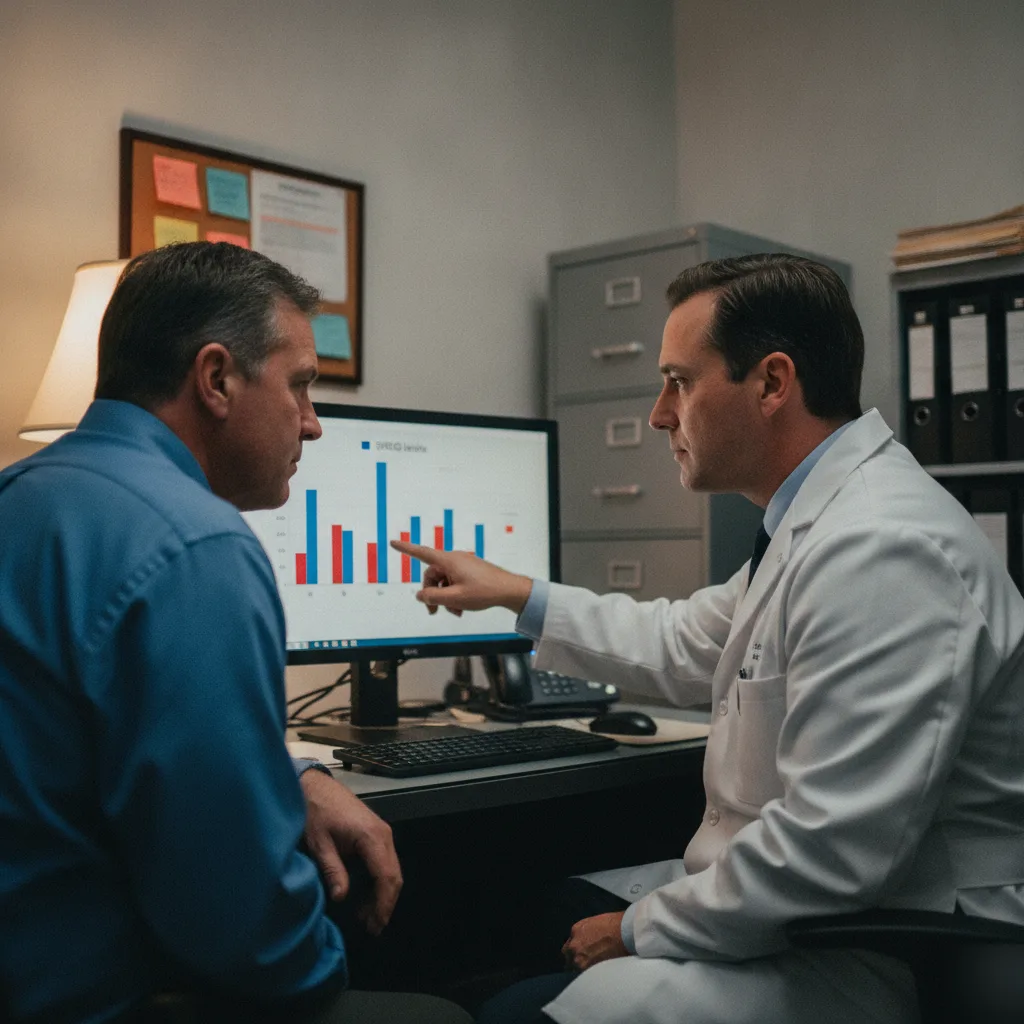
You got your blood drawn, and now you are staring at a lab report full of numbers. Total testosterone, free testosterone, SHBG. What does any of this mean? This is why we sit down with you for a real review, not just a printout handed across a desk.
Here is how it usually goes. We start by pulling your total testosterone number and comparing it against your free testosterone. Total tells us the overall amount circulating in your blood. Free testosterone is the smaller portion available for your cells to use right now. A man can have a “normal” total number and still feel exhausted, foggy, and low on drive. This happens because his free testosterone is quietly low. We see this every week.
During your review, we walk through what drives the gap between those two numbers. Often it is SHBG, sex hormone binding globulin, a protein that binds to testosterone and locks it up. High SHBG can make your total look fine while your free number tells a different story. We also ask about your symptoms: energy, sleep, libido, and muscle recovery. The lab work only means something when we connect it to how you feel.
Patients often come in expecting a single number to explain everything. It rarely works that way.
We also cover next steps if your levels support treatment. Options include testosterone pellet therapy, testosterone injections, or HCG therapy. We also discuss what monitoring looks like going forward. There is no guesswork, and no rushed explanations. You receive a clear breakdown from your Svelte MD provider, in plain language, before you decide anything.
Book Your Consultation
Frequently Asked Questions
Ready for a Svelte transformation?
Take the first step toward better health and metabolic stability today.
Our team is here to support you.