
Home » How Long Does It Take to Feel Better After Starting Low Testosterone Treatment in Lake Mary?
How Long Does It Take to Feel Better After Starting Low Testosterone Treatment in Lake Mary?
The General Timeline: What to Expect After Starting Treatment
The question we hear most often is, “When will I feel like myself again?” It is a fair question. No one wants to start a treatment plan without knowing what to expect. We will explain the process.
Most men using testosterone injections or testosterone pellet therapy as a low testosterone treatment notice initial changes within two to three weeks. Sleep may become deeper. Moods often steady. The mental fog that can make afternoon meetings difficult tends to lift. These early improvements are often subtle, which is normal.
By four to six weeks, energy usually picks up noticeably. Patients tell us their gym sessions feel different, with effort yielding better results. Libido and morning energy often improve during this time. For those on testosterone pellet therapy, this period is when the pellets release enough hormone to build a steady level in the blood.
Months two and three are when more significant changes appear. Muscle mass and energy improvements from testosterone therapy develop gradually, rather than suddenly. Body composition shifts. Many patients from Lake Mary drive up 417 or over from Heathrow to our clinic for follow-up hormone panels around this stage. This blood work confirms that what you feel is not merely a placebo effect.
We cannot promise a specific week for you. Bodies respond differently based on starting hormone levels, age, and your consistency with treatment. A reliable pattern exists.
Patients often describe feeling “like a switch flipped back on” when they experience the full benefits. This usually settles in around the three to six month mark. We do not guess at this. We track it through repeat hormone level testing and by patients describing their daily experiences during follow-up visits.
How Delivery Method Changes the Timeline
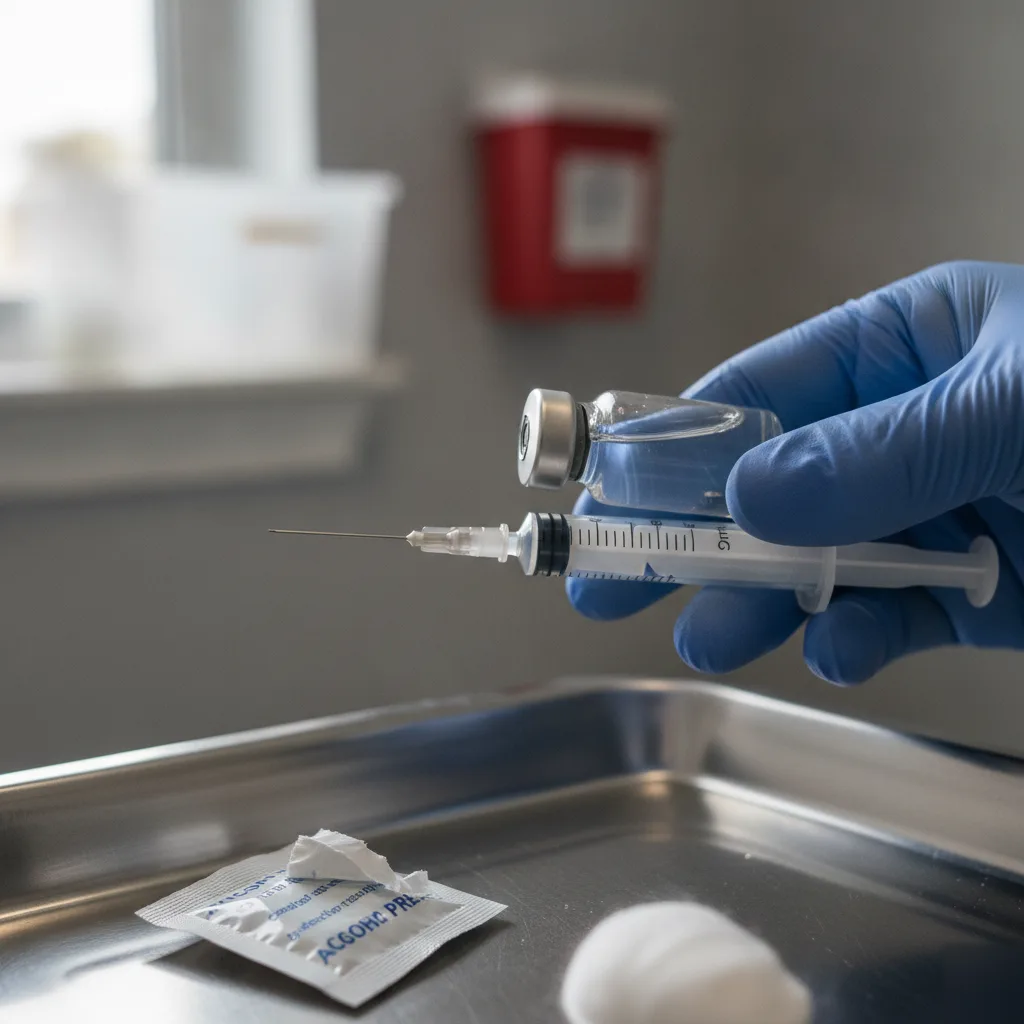
Not every treatment works on the same timeline. This often causes confusion. Testosterone injections raise your blood levels quickly, sometimes within days. However, they also cause levels to spike and then dip. This means some men may feel great on day three but feel flat again by day ten. This fluctuation is normal early on. It usually smooths out once your provider adjusts your dose or your injection interval.
Testosterone pellet therapy functions differently. Pellets release hormone slowly and steadily over months, not days. The initial timeline appears quieter. Most patients notice gradual changes in energy and mood over four to six weeks rather than a sudden jump. The benefit is fewer highs and lows once your levels settle. The trade-off is needing patience during that first month.
HCG therapy also plays a role, especially for men who want to support their body’s own hormone production alongside testosterone treatment. It does not replace testosterone directly. Therefore, it will not impact your energy or libido on the same timeline as injections or pellets. Consider it a supporting treatment, not the primary one.
The Pellet Taper Curve: Why Progress Can Plateau
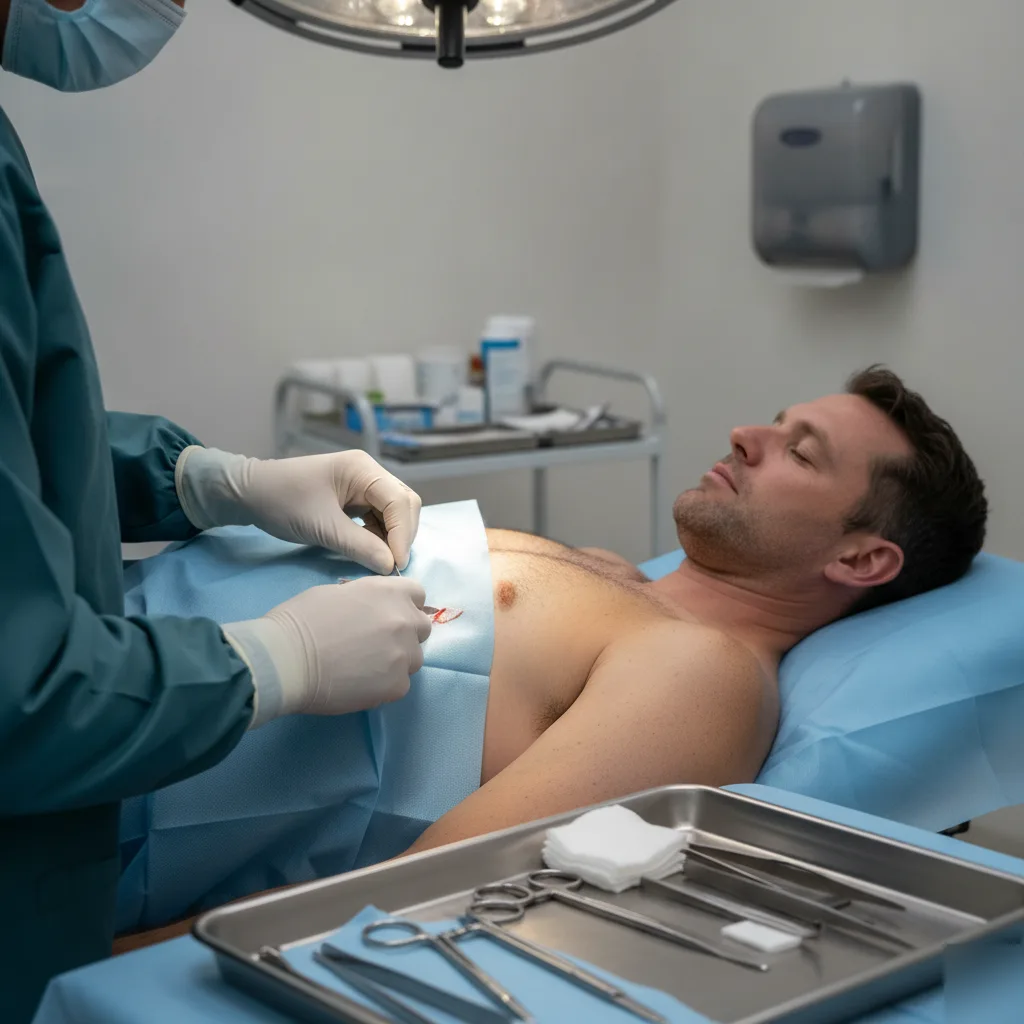
We explain to nearly every new patient at Svelte MD that testosterone pellet therapy does not release hormone in a flat, steady line. It curves. Levels typically climb quickly in the first few weeks, hold at a peak for a stretch, and then taper down slowly until your next insertion. This taper is why some patients feel excellent in month one, but then around month three wonder if the treatment is “wearing off.”
Patients are not wrong to notice this change. The pellet functions as designed. It simply releases more hormone earlier in its cycle than it does near the end.
This is normal, but it can feel confusing without prior explanation. We inform patients upfront to expect a strong middle stretch, followed by a gradual decline as your body works through the dose. Most often, when someone calls saying their energy dropped again, it is simply time to check hormone levels and discuss the next pellet insertion, not a sign of an issue.
Men on testosterone pellet therapy and women on hormone pellet therapy both follow this same taper pattern. Dosing and timing differ based on your detailed hormone panel results. We do not simply “set it and forget it.” Follow-up bloodwork shows us where your levels are on the curve. This allows us to adjust future cycles if the taper feels too sharp or too short.
If you notice symptoms returning before your scheduled follow-up, we advise you to call us. Do not push through it quietly. A hormone level check helps us determine if it is a normal taper or if a different approach is needed for your next round.
Physician Monitoring and Follow-Up Visits in Lake Mary
Feeling better is not a single event. It is a process we track, visit by visit, with actual lab numbers instead of guesswork.
Your first follow-up usually happens around the four to six week mark. At that point, we draw new labs and check your total testosterone, free testosterone, and estradiol compared to your initial levels. We also ask about your sleep patterns, energy changes, and daily mood or focus. A patient who arrived exhausted and irritable might report better mornings by this time, even if still tired by afternoon. This is normal, and it helps us determine where to adjust treatment.
Dosing is not static. Testosterone injections and testosterone pellet therapy both need periodic recalibration. This is based on how your body responds, not solely on a chart. Some men need a small dose increase at the second visit. Others need less, especially if estradiol climbs too high alongside testosterone. Physician supervision matters here; we do not hand you a prescription and then disappear.
For patients on hormone pellet therapy, follow-up timing differs slightly. Pellets release steadily over months, rather than needing weekly management. Even so, we still check labs partway through the cycle to confirm your levels hold where we want them.
Women on estrogen and progesterone therapy, or those dealing with low libido and hot flashes, follow a similar process. This involves detailed women’s hormone panel testing first, followed by a visit to assess symptom changes.
Most often, the follow-up visit is where treatment is fine-tuned. Lake Mary patients who maintain their scheduled visits tend to reach steady, comfortable levels faster than those who skip them. Missing a follow-up does not undo progress, but it does slow down how quickly we can fine-tune your plan.

When Slow Progress Signals a Real Problem
Most men who feel nothing at week four are simply in the early stages. However, some men are not responding, and there is a difference. We watch for this closely because identifying it quickly allows for a rapid adjustment.
A real problem usually presents as follows. You are eight weeks into treatment. Your energy has not improved. Your libido has not moved. You still wake up tired regardless of how much sleep you get. This is not a situation where you should “give it more time.” It signals that we need to investigate further.
A few factors can cause this. Sometimes the dose set at your first visit does not match how your body processes testosterone. Follow-up bloodwork often reveals this. At times, low testosterone may not be the cause of fatigue. A thyroid issue or sleep apnea may be present. We have seen patients arrive convinced testosterone was the sole factor, only for a fuller Men’s Hormone Panel to show a different underlying cause.
Missed doses also matter. Testosterone injections only work if administered consistently. Skipping weeks resets progress more than people expect. Alcohol, poor sleep, and high stress can also reduce results, even when the treatment itself is working exactly right.

Book Your Consultation
Frequently Asked Questions
How long does it take to feel better after starting testosterone treatment?
Most men notice small changes within two to three weeks, like better sleep and a calmer mood. Energy and gym results usually improve by four to six weeks. The bigger shifts in muscle and body shape show up around months two and three. Full benefits often settle in by the three to six month mark. Your timeline depends on your starting hormone levels, your age, and how consistent you are with treatment.
Why do I feel good one week and flat the next on testosterone injections?
This happens because injections cause your levels to spike quickly, then dip before your next dose. You might feel great on day three but flat again by day ten. This is a normal pattern early in treatment. It usually smooths out once your provider adjusts your dose or the time between injections. If the ups and downs bother you, tell us at your next visit so we can fine-tune your schedule.
Why does my energy drop around month three on pellet therapy?
This is the pellet taper curve, and it is expected, not a sign something is wrong. Pellets release more hormone in the first weeks, hold steady for a stretch, then slowly taper before your next insertion. Feeling strong in month one and slower in month three is normal for this delivery method. If symptoms return before your scheduled follow-up, call us. A quick lab check tells us if it is a normal taper or if your next round needs adjusting.
How often will I need follow-up visits after starting treatment in Lake Mary?
Your first follow-up usually happens around four to six weeks after starting, whether you drive in from Lake Mary or come over from Heathrow. We draw new labs to check total testosterone, free testosterone, and estradiol against your starting numbers. We also ask about sleep, energy, and mood. Patients on pellet therapy still get a mid-cycle lab check, even though pellets need less frequent dosing than injections.
Does HCG therapy help me feel better faster?
HCG therapy supports your body’s own hormone production, but it does not act as fast as injections or pellets for energy and libido. It works alongside testosterone treatment rather than replacing it directly. Think of it as a supporting piece of your plan, not the main driver of how quickly you feel results. If you are on HCG along with testosterone, expect your primary symptom relief to follow the injection or pellet timeline instead.
What should I do if I still don’t feel better after a few months?
Call us instead of waiting quietly until your next scheduled visit. A drop in energy or mood after feeling good is often just part of the normal pellet taper or an injection dosing gap, not a failed treatment. We use repeat hormone panels, not guesswork, to see where your levels sit and whether your dose needs adjusting. Many Lake Mary patients find that one dosing change after a follow-up lab makes a noticeable difference.
Ready for a Svelte transformation?
Take the first step toward better health and metabolic stability today.
Our team is here to support you.