
Home » What Should I Expect at My First Visit? A Guide for Svelte Medical Weight Loss Patients in Lake Mary
What Should I Expect at My First Visit? A Guide for Svelte Medical Weight Loss Patients in Lake Mary
Why Your First Visit Sets the Direction for Your Whole Plan
Your first visit is a fact-finding mission. We use your symptoms, history, and lab numbers to build a plan that fits your body. No generic protocols here. Skipping this step is the biggest reason hormone therapy fails for some people.
Here’s the thing most patients don’t expect: your first visit for anti-aging hormone therapy is where the real work starts. We aren’t just checking a box before we hand you a prescription. We gather the pieces that tell us what’s going on in your body. Low energy and low libido can come from testosterone, thyroid issues, sleep problems, or stress. You can’t fix what you haven’t measured.
We had a patient in Lake Mary last year. He assumed his fatigue was just testosterone. His panel showed something else contributing. We caught it because we asked the right questions. We ran full labs at that first visit, not a quick spot check. A rushed appointment misses that kind of detail. It just does.
So what happens during that visit? A few things need to line up. Then we talk about testosterone injections, pellet therapy, or hormone therapy for women.
- A detailed symptom review, including energy, mood, sleep, and libido changes over the past year.
- Blood work covering testosterone, estrogen, progesterone, or a full hormone panel depending on your history.
- A conversation about your goals, whether that’s more energy, better sleep, or relief from hot flashes and night sweats.
- A review of your medical history and any medications that might affect hormone levels.
- A plan discussion. You’ll understand your options before you decide anything.
This is also where men’s and women’s care split. A man dealing with low testosterone and erectile dysfunction needs a different panel. He needs a different conversation than a woman going through perimenopause with hot flashes and low libido. We treat these as separate paths. The biology and symptoms rarely overlap.
The labs tell a story your symptoms alone can’t tell, that’s why we lean on both.
We see this mistake all the time. People wait months, sometimes years, before getting tested. They assume feeling tired or foggy is just part of getting older. It’s not always age. Sometimes it’s a hormone level that’s dropped. A simple panel can confirm that in one visit.
Your first visit isn’t about locking you into anything. It’s about giving us enough information to make a real decision. If your numbers come back normal, we’ll tell you that too. We’re not here to sell a plan you don’t need. It’s pretty straightforward.
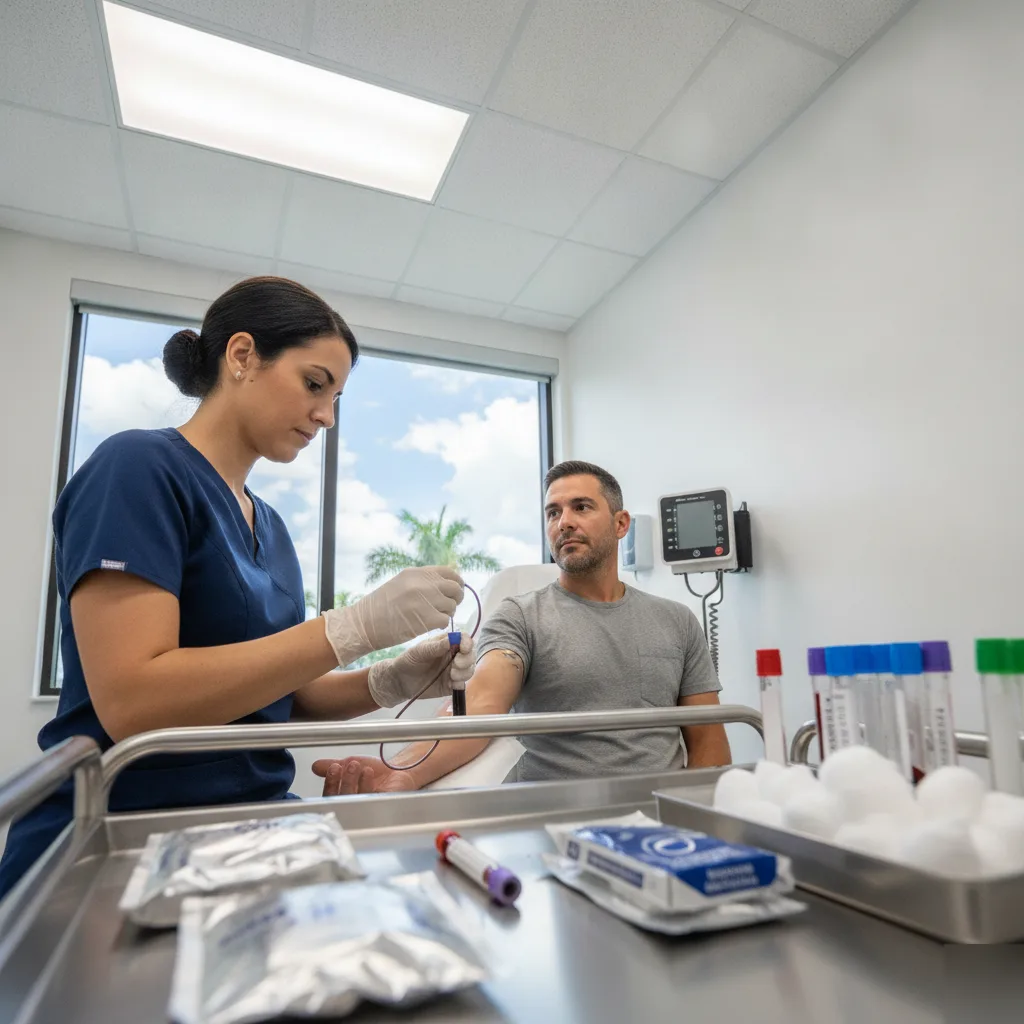
What Happens Step by Step During the Appointment
So what should you expect at your first visit? Most patients picture something clinical and rushed. It’s not. We built our process to feel more like a conversation than an exam. Here’s how a typical first visit unfolds at our Lake Mary clinic.
- Check-in and paperwork. You’ll fill out a health history form covering your symptoms, past labs if you have them, and current medications. This takes about ten minutes.
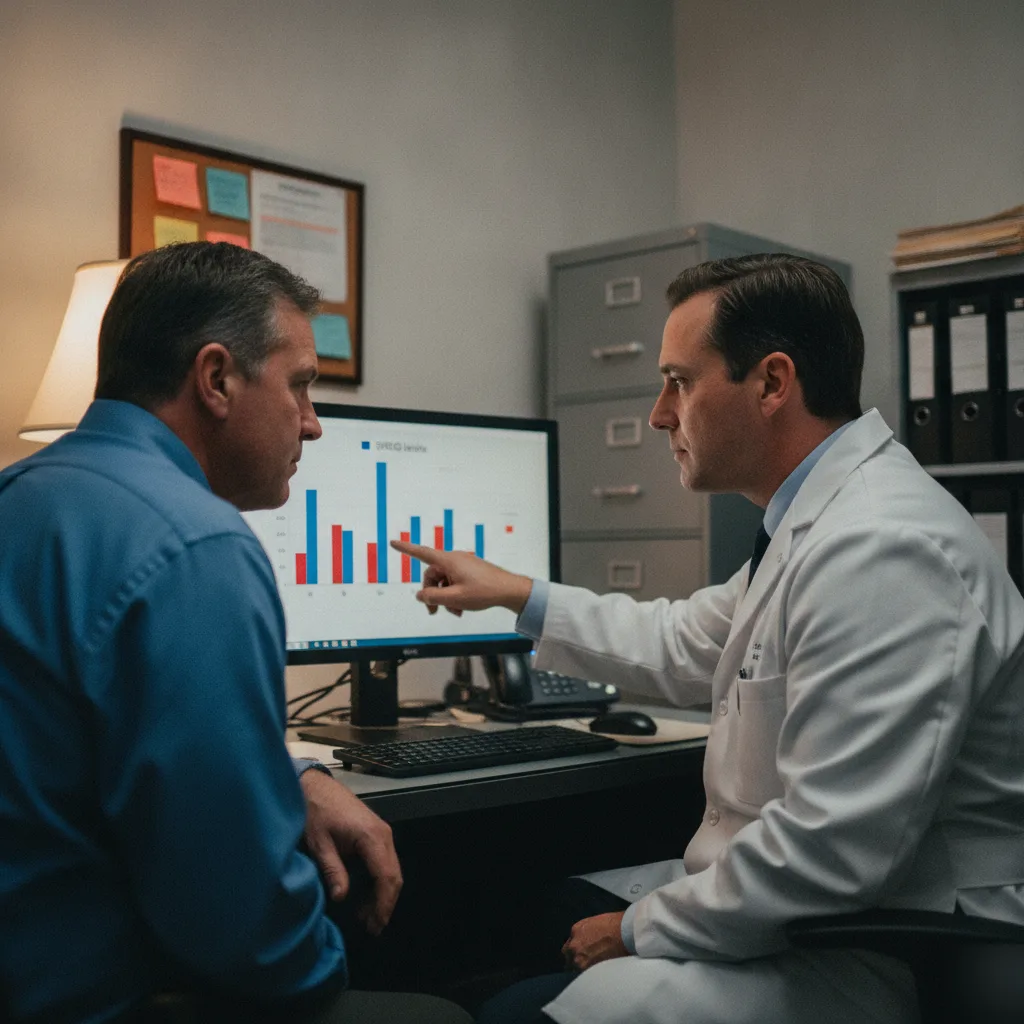
- One-on-one symptom review. A provider sits down with you. We ask about energy, sleep, mood, weight, and libido changes. We want the full picture, not just one complaint.
- Blood draw for hormone testing. For men, this usually checks total and free testosterone. For women, it may include estrogen, progesterone, and testosterone levels depending on your symptoms and age.
- Physical check. Blood pressure, weight, and a general health check happen here. Nothing invasive, just baseline numbers we’ll track over time.
- Discussion of your history. We ask about family history, prior surgeries, and any conditions that could affect treatment choices like BioTE pellet therapy or testosterone injections.
- Same-day conversation about next steps. Your provider explains what the labs will likely show based on your symptoms. We discuss what treatment paths might make sense once results come back.
- Scheduling your follow-up. Labs typically take a few days to process, so we’ll set a time to review results together and build your treatment plan.
One thing patients tell us over and over: they expected to feel rushed. Instead, the visit ran 45 minutes to an hour. That’s on purpose. Hormone symptoms rarely show up alone. A five-minute chat won’t cut it.
We had a patient last year. He was a man in his late 40s from Lake Mary. He came in expecting a quick blood draw and a prescription. He left surprised. Much of the visit was just talking through his sleep, his workouts, and his mood over the past year. That conversation shaped his entire treatment plan.
For women, the visit often includes a longer talk about cycle changes, hot flashes, or night sweats. These symptoms can point to different hormone imbalances than fatigue alone. And for men, we spend more time on questions about muscle mass, drive, and mental focus. Those symptoms often move together with low testosterone. It’s a different focus.
No treatment gets started at this first visit. That surprises some people. But it’s intentional. We don’t guess. Every treatment decision, whether it’s testosterone injections, pellet therapy, or estrogen and progesterone therapy, waits until we have real lab numbers in front of us.
What to Bring and How to Prepare Beforehand
A little prep goes a long way. Most of what you need to bring is simple. But skipping one item can slow down your visit. It might even push your bloodwork to another day. We’ve seen patients show up ready to go. They walk out same-day with labs done. We’ve also seen folks have to reschedule because they ate breakfast before a fasting panel. Let’s make sure that’s not you.
Start with paperwork. If you’re coming from another Lake Mary area clinic or your primary care doctor, bring any recent bloodwork results you already have. This can save you a duplicate test. It gives us a fuller picture of your hormone levels over time. If you don’t have anything, that’s fine too. We’ll run a full panel during your visit.
- A current list of medications and supplements, including dosages.
- Any recent lab work or hormone test results, even if they’re a few months old.
- Your insurance card if you plan to use insurance for the consultation.
- A photo ID for check-in.
- A written list of your symptoms and when they started.
That last one matters more than people think. We ask a lot of questions during your first visit. It’s easy to forget details when you’re sitting in the room. Jot down things like when your energy started dropping. How has your sleep changed? When did you first notice low libido or hot flashes? Specific details help us match your symptoms to what your labs are showing. It makes a real difference.
Fasting matters for accurate results, so plan around it. If we’re drawing blood for your hormone panel, we may ask you to fast for eight to twelve hours beforehand. That means water is fine. But skip food, coffee, and sugary drinks the morning of your appointment. Testosterone levels can shift throughout the day too. Morning appointments before 10 a.m. tend to give us the most dependable numbers for men. By the way, Lake Mary mornings are usually beautiful, so getting in early is a nice start to the day.
Wear something comfortable. Make sure a sleeve rolls up easily. Sounds small. It makes the blood draw faster and less of a hassle.
One more thing worth doing before you arrive, write down your questions. Are you curious about testosterone injections versus pellet therapy? Wondering how long it takes before you notice a difference? Bring that list. We’d rather answer five specific questions than have you leave wishing you’d asked something.
Book Your Consultation
Frequently Asked Questions
Do I need to fast before my first visit?
Yes, in most cases you should fast for at least 8 hours before your blood draw. Fasting gives us more accurate readings for testosterone, glucose, and other hormone markers. If you eat breakfast beforehand, your labs may need to be rescheduled for another day. Drinking water is fine and helps with the blood draw. Ask ahead of time so you know exactly what applies to your panel before you come in.
How long does the first appointment usually take?
Most first visits run 45 minutes to an hour. That surprises a lot of people who expect a quick blood draw and nothing else. The time goes toward a real conversation about your symptoms, history, and goals, not just paperwork. Hormone symptoms rarely show up alone, so a rushed visit misses details that matter. Plan your schedule around a full hour so you’re not rushing out the door.
Will I get a diagnosis or treatment plan on the same day?
No, treatment decisions wait until your lab results come back, usually a few days after your visit. Your first appointment is about gathering information, not guessing. We’ll walk you through what your symptoms might suggest, but nothing gets started without real numbers in front of us. This protects you from starting a plan that doesn’t match what’s happening in your body. You can read more about how this works on our hormone therapy services page.
What’s the biggest mistake people make before their first visit?
The biggest mistake is waiting too long to get tested. Many Lake Mary patients assume fatigue or low mood is just part of getting older. Sometimes it is age, but often it’s a hormone level that’s dropped and can be measured in one visit. Another common mistake is skipping the fasting instructions, which can delay your bloodwork. Getting tested early, and prepared, saves you time and gets you answers faster.
Is the first visit different for men and women?
Yes, the conversation and lab panels differ based on your symptoms and history. Men often talk more about muscle mass, drive, and mental focus alongside testosterone levels. Women often discuss cycle changes, hot flashes, or night sweats, which point to different hormone imbalances. Both paths start with the same fact-finding approach, but the questions and blood work are tailored to what your body is telling us. This split helps build a plan that fits you.
What if my lab results come back normal?
If your numbers come back normal, we’ll tell you that. Not every symptom traces back to a hormone imbalance, and we’re not here to start a plan you don’t need. Normal results might mean we look at other factors like sleep, thyroid function, or stress instead. Either way, you’ll leave your first visit with real answers, not a generic prescription based on guesswork alone.
Ready for a Svelte transformation?
Take the first step toward better health and metabolic stability today.
Our team is here to support you.