
Home » What to Bring to Your Hormone Testing Appointment in Orlando
What to Bring to Your Hormone Testing Appointment in Orlando
The Core Checklist: Items to Bring With You
For your hormone testing appointment, bring your photo ID, insurance card, a full list of medications and supplements, any past lab results, and notes on your symptoms. Women should also bring the date their last period started. These few items help your doctor read your results correctly and build a plan that fits you.
Packing for a hormone testing appointment isn’t hard. But a few small items make a big difference in how useful your results turn out to be. Your hormones don’t exist in a vacuum. Sleep, stress, medications, and even the time of month can all shift your numbers. So the more context you bring, the clearer the picture gets.
Here’s the list we give every new patient who walks through our Orlando office:
- Photo ID and insurance card. Our front desk needs these to check you in and keep your records secure.
- A full list of your medications and supplements. Write down the name, the dose, and how often you take each one. Vitamins and herbal products count too.
- Past lab results from the last year or two. Old thyroid panels or testosterone levels let your doctor spot trends, not just a single snapshot.
- Notes on your symptoms. Jot down what you’ve noticed, like low energy, poor sleep, hot flashes, weight changes, or mood swings, and roughly when each one started.
- The first day of your last period, if you menstruate. Many female hormones rise and fall across your cycle, so timing matters.
- A short list of questions. You’ll forget them in the room otherwise. Everyone does.
That supplement list deserves extra attention. We see this mistake all the time. People leave off a hair and nail vitamin because it seems harmless. And many of those products are loaded with biotin. The U.S. Food and Drug Administration has warned that biotin can interfere with certain lab tests, including some thyroid tests. That can lead to results that look off when nothing’s wrong.
Not sure if something counts? Bring it anyway.
A photo of each bottle label works great. One patient from Winter Park showed up last spring with a sandwich bag full of pill bottles, she apologized for the mess., it was perfect. Our doctor caught a supplement that could have skewed her thyroid numbers, and she paused it before her retest. Her second panel told a much more accurate story.
Symptom notes are the other piece people tend to skip. A blood test shows your levels on one morning. Your notes show how you feel day to day. Put the two together and your physician can see patterns a lab report alone would miss. Even a few lines on your phone’s notes app is enough.
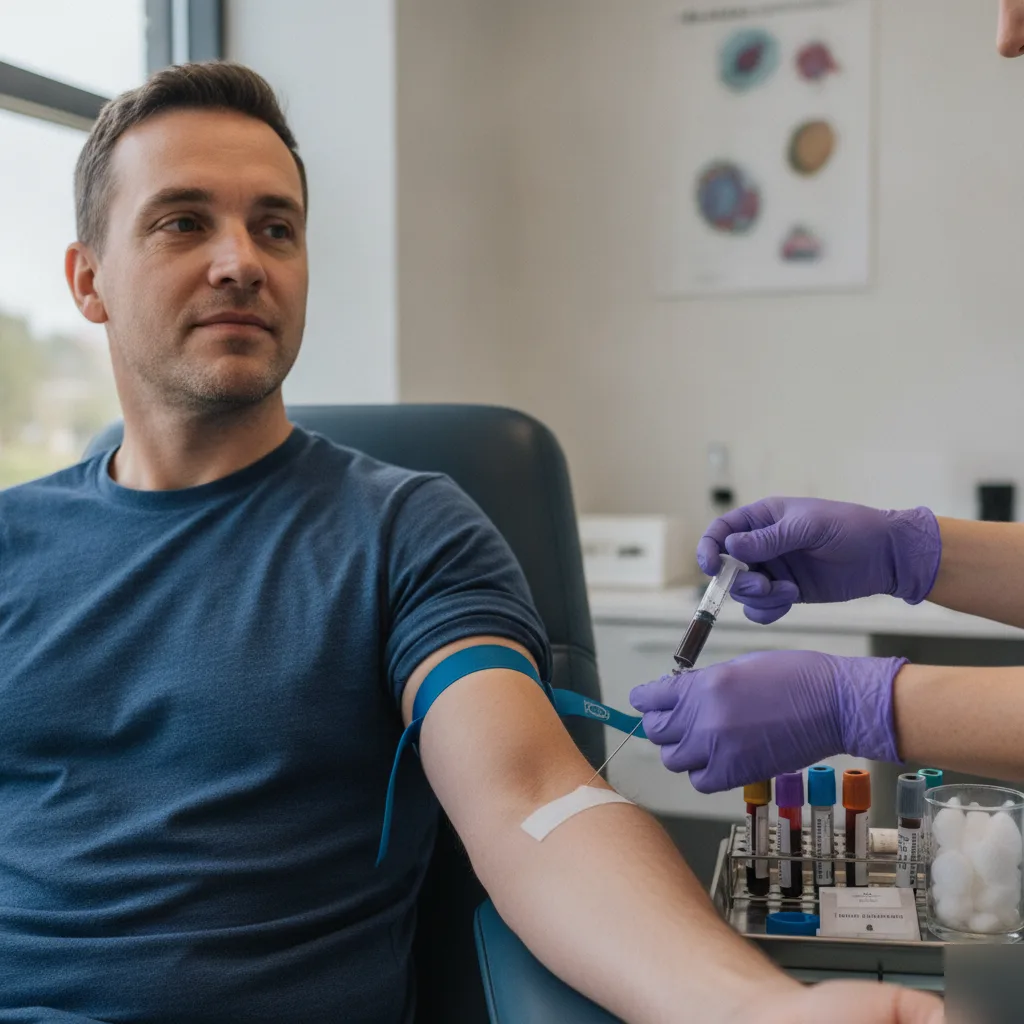
A few comfort items help too. Wear a short-sleeve shirt or something with sleeves that roll up easily. If you’ve been asked to fast, pack water and a small snack for right after your blood draw. Orlando heat is no joke, and nobody wants to feel lightheaded walking back to the car on I-4 traffic days. Or any day, really –
Prefer to talk it through in Spanish? Our staff can help with that. Se habla español.
Why Fasting Rules Depend on Which Hormones Are Tested
Here’s the short answer. Not every hormone test needs fasting. Some do. Others care more about the clock than your breakfast. That’s why two friends can get totally different instructions for what sounds like the same blood draw.
It comes down to what’s on your lab order. Hormone testing is rarely just one hormone. Your doctor often checks a small group of markers at once. And some of those markers react fast to food.
Eat a bagel, and both jump within minutes. A lipid panel can shift too. So if your order includes any of these, you’ll usually be asked to fast for 8 to 12 hours. Water is fine. Plain water helps,.
Other hormones don’t care much about food, they care about time of day.
Testosterone peaks in the early morning and drops as the day goes on. Cortisol follows a similar daily rhythm. A draw at 4 p.m. can make normal levels look low. That’s why many offices schedule these tests before 10 a.m. Here’s a quick look at how common markers tend to work:
- Testosterone: an early morning draw matters more than skipping food.
- Cortisol: timing is key, since levels are highest soon after you wake up.
- Thyroid (TSH, free T4, free T3): fasting usually isn’t needed, but biotin supplements can throw off results.
- Estrogen, progesterone, FSH, and LH: for women who still cycle, the day of your cycle often matters most.
See the pattern? Each marker has its own rules. Your doctor builds the instructions around the whole panel, not just one number.
We see this mix-up all the time. A patient fasts perfectly, then books a 3 p.m. slot because it fits their lunch break. The glucose looks great. But the testosterone reads low, and now nobody’s sure if it’s real. A redraw fixes it. Still, nobody wants a second needle stick.
Thyroid medicine is another sneaky one. Some doctors want you to take your thyroid pill after the blood draw, not before. Biotin is tricky too. It shows up in hair and nail vitamins, and many energy blends. High doses can make thyroid and some other hormone results look off. Many labs suggest stopping biotin a few days ahead, but check with your doctor first.
Never stop a prescribed medicine on your own. Ask first.
For women, timing can matter even more. Progesterone is often checked about a week before your period. FSH and estradiol are often checked early in your cycle. If you’re in perimenopause and your cycles are all over the place, that’s okay. Just tell your doctor the date your last period started. Bring it written down or saved in your phone.
One more local tip. Orlando mornings get hot and humid fast, even in spring. If you’re fasting, drink water before you leave the house. Being well hydrated makes your veins easier to find. It also keeps you from feeling woozy in the chair.
Not sure which rules apply to you? That’s normal. Most people aren’t. Our physician-supervised team will tell you exactly what to do before your hormone testing, including fasting, timing, and which supplements to pause.

Why Timing of Day Can Change Your Results
Your hormones aren’t flat lines. They rise and fall all day long. So the same blood test can show two very different numbers depending on when you take it.
That’s why hormone testing timing matters as much as what you bring.
Testosterone is the best example. It usually peaks in the early morning and drops as the day goes on. A man tested at 4 p.m. might look low on paper. But his real level could be perfectly normal. The Endocrine Society recommends checking testosterone in the morning after fasting. It also suggests confirming a low result on a second day.
Cortisol follows a similar pattern. It’s highest shortly after you wake up, then slowly falls. Test it late in the day and you’ll get a very different picture.
What about women? For you, the calendar matters as much as the clock. Estrogen and progesterone shift across your cycle. Progesterone is often checked about a week before your period is due. Other tests are done in the first few days of your cycle. Your doctor will tell you which day fits your goals, and it helps to track your cycle before you come in.
Here are the timing basics we share with most patients:
- Book a morning slot, ideally between 7 and 10 a.m.
- Fast for 8 to 12 hours if your doctor asks, water is fine
- Know the first day of your last period if you menstruate
- Skip hard workouts the day before, since they can shift some levels
- Ask before stopping biotin, which can throw off thyroid results
None of these are hard. They just take a little planning the night before.
We see timing mix-ups more than any other prep mistake. A patient once came in after a long afternoon at work, tired and stressed. His testosterone came back low. We had him return at 8 a.m. after a good night’s sleep and no breakfast. His number was right in the normal range. Same man, same week. Different time of day.
That retest saved him from starting treatment he didn’t need.
Shift work adds another layer. Orlando has a lot of people working nights at hospitals, hotels, and theme parks. If you sleep during the day, your body clock may run on a different schedule. In that case, “morning” means a few hours after you wake up. Not 8 a.m. on the wall clock. Tell us your work hours when you book, we’ll help you pick a draw time that matches your real rhythm.
And don’t stress if you can’t fit everything perfectly. Life happens. Our board-certified physician reviews every result with your timing in mind. If a number looks off because of when it was drawn, we’ll talk about it and retest if needed. No guessing. No pressure.
Not sure which time slot is right for your hormone testing? Our team in Orlando can walk you through it in a quick call. Se habla español.
Book Your Consultation
Frequently Asked Questions
What are the signs that my hormones might be out of balance?
Common signs include low energy, poor sleep, hot flashes, weight changes, and mood swings. Some people also notice hair thinning, brain fog, or changes in their cycle. No single sign proves a hormone problem on its own. That’s why we ask you to write down what you’ve noticed and when it started. These notes help your doctor connect your symptoms to your lab numbers. If several signs sound familiar, it’s worth booking a hormone testing appointment in Orlando to get clear answers.
When is the best time to check hormone levels if I’m in perimenopause?
The best time depends on whether your cycle is still regular. If you still have periods, FSH and estradiol are often checked early in your cycle, while progesterone is usually tested about a week before your next period starts. If your cycles have become unpredictable, that’s normal during perimenopause. Just write down the date your last period began and bring it to your appointment. Your doctor will use that date to choose the right testing window for accurate results.
Does Orlando’s heat and humidity affect my hormone test results?
Heat itself doesn’t change your hormone levels, but dehydration can make your blood draw harder and leave you feeling lightheaded. Orlando mornings warm up fast, even outside summer. Drinking water before you leave home keeps your veins easier to find and helps you feel steady afterward. If you’re fasting, plain water is still fine. Pack a small snack for right after your draw, especially if you’re heading back out into midday heat.
Is it a mistake to skip listing my vitamins and supplements before testing?
Yes, this is one of the most common mistakes we see. Many hair, nail, and energy supplements contain biotin, which the FDA has warned can interfere with certain lab tests, including some thyroid tests. People often leave these off their list because they seem harmless. Write down every supplement, not just prescription medicine, or bring the bottles with you. This small step can prevent a confusing or inaccurate result on your first panel.
Do I need to fast before every hormone test?
No, fasting rules depend on which hormones are on your lab order. Hormones like testosterone and cortisol care more about the time of day than food, so an early morning draw matters more. Thyroid tests usually don’t require fasting at all. Always follow the specific instructions given for your panel, since mixing up the rules can lead to a confusing result and a repeat visit.
What should I do if my symptoms don’t match my test results?
This happens more than you’d think, since one blood draw only shows a single moment in time. Your symptom notes give your doctor the bigger picture that a lab report alone can’t show. Bring details on when symptoms started and how often they happen. If your results and symptoms still don’t line up, your doctor may suggest a retest at a different time or cycle day. Being prepared with notes helps sort out these mismatches faster.
Ready for a Svelte transformation?
Take the first step toward better health and metabolic stability today.
Our team is here to support you.