
Home » What Should I Bring to My First Visit for Low Testosterone Treatment in Orlando?
What Should I Bring to My First Visit for Low Testosterone Treatment in Orlando?
Why Timing Matters More Than Your Checklist
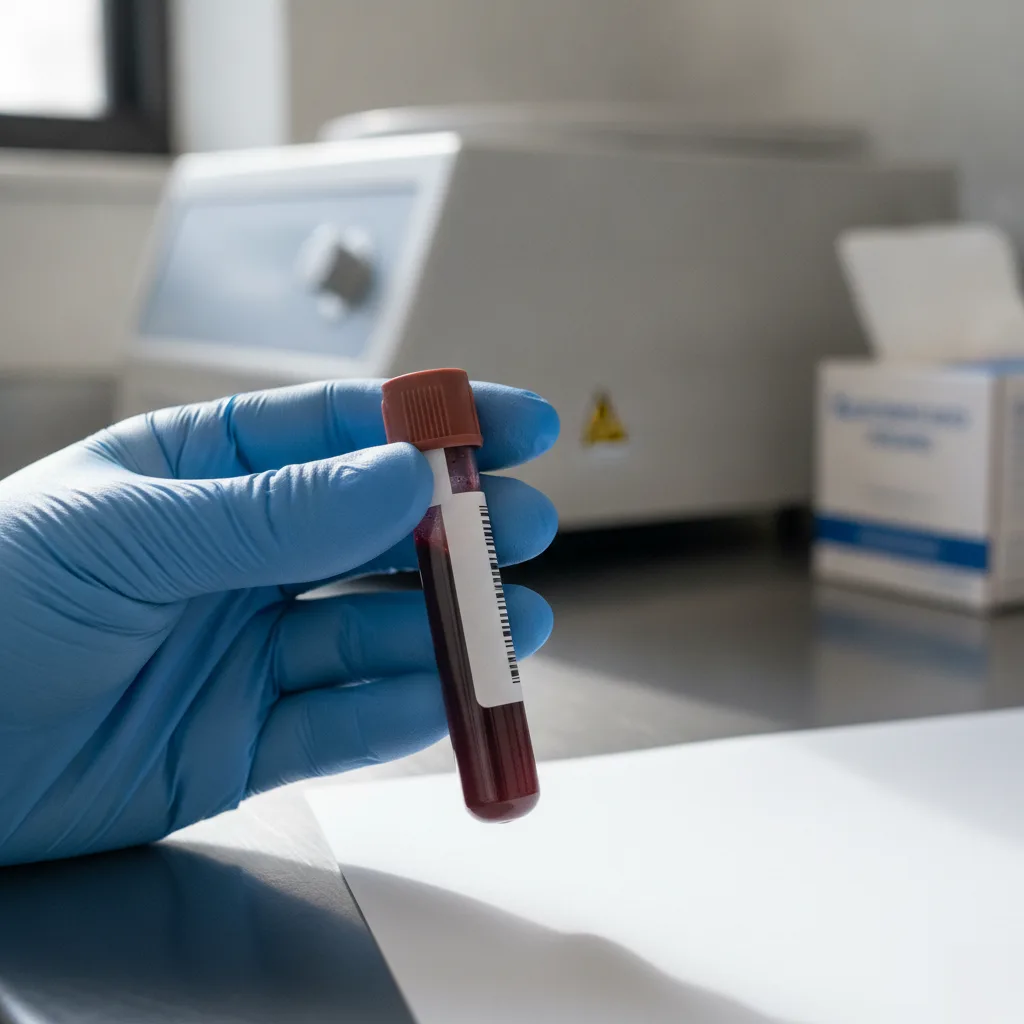
Your testosterone levels change throughout the day. They’re usually highest in the morning and lower by afternoon. Booking an early, fasting lab draw on a normal day gives your doctor the clearest picture of what’s really going on.
You can bring every form and every pill bottle. But if your blood is drawn at the wrong time, your results may not tell the true story. That’s the part most people miss.
Testosterone isn’t a fixed number. It rises while you sleep and peaks soon after you wake up. Then it slowly drops as the day goes on. So a 3 p.m. lab draw can read lower than your real baseline.
The Endocrine Society’s clinical guidelines say testosterone should be checked with a morning, fasting blood test. They also recommend confirming a low result on a second day. One number alone isn’t enough to make a diagnosis.
Why does this matter so much? Because the treatment plan is built on those numbers.
We see this all the time. A man comes in with a low result from an afternoon checkup somewhere else. We retest him early in the morning, his number lands in a very different spot. Sometimes treatment still makes sense. Sometimes it doesn’t. Either way, he deserves an accurate answer.
A few everyday things can also throw off your results. Here’s what to watch for in the days before your visit:
- A big meal or sugary drink before your lab draw can lower your reading for a few hours
- One rough night of sleep may pull your number down
- Recent flu, COVID, or any illness can suppress hormones for a while
- Heavy drinking the night before isn’t a good idea
- Skipping your regular medications without asking your doctor first
If any of these apply, tell us. We’d rather move your appointment than base your care on a bad day.
Shift workers need a little extra planning. Orlando has a lot of them. Think theme park crews, hospital staff, and airport workers at MCO. If you work nights, your “morning” may not be 8 a.m. Let our team know your sleep schedule when you book. Your doctor can help figure out the best time for your lab draw.
And plan for the drive. Morning traffic on I-4 can turn a 20-minute trip into 45 minutes, fast. Leave early so you’re not stressed and rushing in hungry. Bring water. Plain water is fine before a fasting lab draw, and staying hydrated makes the blood draw easier.
Here’s a simple rule we give every new patient.
Book the earliest slot you can. Skip breakfast. Sleep normally the night before. Bring your list of medications and supplements. That’s it. A board-certified physician will review your results with you in plain language and explain what they mean for you.
Documents and Health History to Have Ready
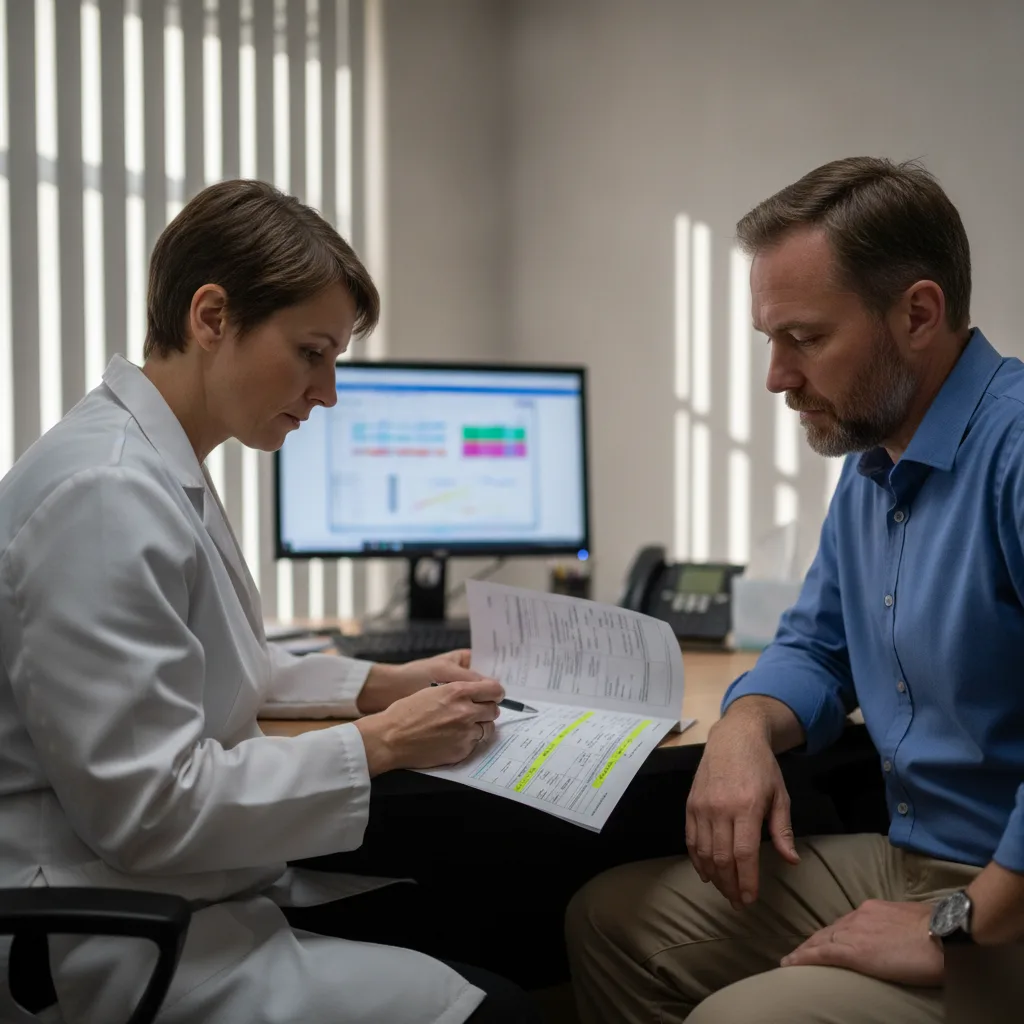
Paperwork isn’t exciting. But it’s the thing that makes your first visit useful. Your doctor can only make good choices with good information. The more you bring, the less guessing happens in the exam room.
Start with the basics. Then work your way toward the health details most guys forget.
- A photo ID, like your driver’s license
- Any recent blood work, especially testosterone levels from the past 6 to 12 months
- A full list of the medications you take, with doses
- Vitamins and supplements too, even the gym ones
- Names and phone numbers for your primary care doctor and any specialists
- Notes on past surgeries, hospital stays, or major diagnoses
Lab results matter most here. If you’ve had testosterone checked before, bring a copy. Many Orlando patients get labs through AdventHealth or Orlando Health, and most of those results are easy to pull from your patient portal. Print them or save them as a PDF on your phone.
Why does the timing of old labs matter? Testosterone runs highest in the morning. A test drawn at 4 p.m. can read lower than your true level. So write down what time of day your blood was drawn if you know it.
We see this all the time. A patient we’ll call Marcus came in from Winter Park with one lab result on a sticky note. Just a number. No date, no time of day, no other markers. He was frustrated when we explained we’d need fresh labs before making any treatment decision, it felt like a wasted trip to him. But if he’d brought the full report, we could’ve moved faster.
Your health history is the other half of the picture. Low testosterone treatment isn’t a one-size plan. Some conditions change what’s safe for you.
Be ready to talk about these: prostate problems or an elevated PSA, heart disease or high blood pressure, past blood clots, sleep apnea, and any history of breast or prostate cancer. Also think about whether you’d like to have kids in the future. Testosterone treatment can lower sperm production, and your doctor needs to know this up front.
Family history counts as well. Did your dad or brothers have prostate cancer? Heart attacks young? Jot it down. You don’t need perfect details.
And don’t skip the supplements. Most people don’t realize that some testosterone boosters sold online contain real hormones or stimulants. They can throw off your labs. Bring the bottle if you’re not sure what’s in it.
One more tip from years of doing this. Write your symptoms down before you come in. Low energy, poor sleep, belly weight that won’t budge, a dip in sex drive. Note when each one started. Nerves make people forget things in the moment, and a simple list keeps the visit focused on you.
Feeling a little unsure about sharing personal stuff? That’s normal. Everything you tell us is handled under HIPAA rules. And if you’d feel more at ease in Spanish, our staff can help. Se habla español.
Good records lead to a safer plan.
Which Provider You See Can Change What You Need to Bring
Not every low testosterone treatment visit looks the same. The type of provider you book with shapes your whole checklist. So it helps to know who you’ll be sitting across from before you pack your folder.
A physician-supervised clinic usually wants the full picture. Our board-certified doctor looks at your hormones and your weight together, not as two separate problems. That’s why we ask for more than a single lab number.
Here’s how the list shifts depending on where you go:
- In-person visit at a physician-supervised clinic: bring recent blood work, every medication and supplement you take, and a photo ID. Fresh labs may be drawn that same day.
- Telehealth visit for eligible Florida patients: have your Florida address ready. Use a phone or laptop with a working camera, and upload lab results ahead of time.
- Primary care office: your insurance card matters most here. Ask for a copy of any testosterone tests they’ve already run.
- Urologist or endocrinologist: bring the referral note plus past hormone readings. Any imaging reports help too.
See the pattern? The more your provider looks at the whole person, the more they’ll want to see.
Telehealth trips people up the most. It feels casual, you’re sitting on your own couch. But your doctor still needs the same facts. They just can’t hand you a clipboard.
We had a patient from Winter Park who booked a video visit to skip the I-4 traffic. Smart move. He’d uploaded his labs the night before, but his pill bottles were still in the kitchen. So we spent ten minutes reading labels through his phone camera. Not a disaster. Just time he could’ve spent asking his own questions.
Our tip is simple. Lay everything out on a table before the call starts.
And in-person visits have their own quirks. Walking into a clinic means you can bring a partner, a notebook or a printed symptom log. Many men find it easier to talk about energy, mood and sex drive face to face. Your partner may notice changes you’ve missed, they often do.
Language matters too. If Spanish is easier for you, tell us when you book. Se habla español, so you won’t need to bring an interpreter. Some patients still bring a spouse or adult child for support. That’s always welcome, and it’s never required.
What about privacy? We handle your records under HIPAA rules whether you visit in person or online. So you can share old lab reports and health history without worry.
One last thing most people don’t realize. Switching from another provider means bringing their records, even if they seem old or incomplete. A testosterone reading from two years ago still tells your doctor a story –
Bring it anyway.
Book Your Consultation
Frequently Asked Questions
How do I know if my symptoms point to low testosterone instead of something else?
Watch for low energy, poor sleep, belly weight that won’t budge, and a lower sex drive. These signs can also point to thyroid issues, sleep apnea, or stress, so lab work is the only way to know for sure. Write down when each symptom started before your visit. This helps your doctor spot patterns faster. Our low testosterone treatment page walks through the full symptom list if you want to compare notes first.
Why do morning lab results differ so much from afternoon ones?
Testosterone peaks soon after you wake up and drops steadily through the day. A test drawn at 3 p.m. can read much lower than one drawn at 8 a.m., even on the same person. The Endocrine Society recommends morning, fasting blood draws for this reason. If your past labs came from a later appointment, mention the draw time to your doctor so they can judge the number correctly.
Does shift work in Orlando make it harder to get accurate testosterone labs?
Yes, shift work can shift your personal ‘morning’ to a different hour than 8 a.m. Orlando has many theme park crews, hospital staff, and MCO airport workers on rotating schedules. Your true hormone peak happens a few hours after you wake up, not a fixed clock time. Tell your care team your sleep pattern when you book, so they can time your draw to match your body instead of a standard schedule.
What’s a common mistake people make before their first low testosterone visit?
The biggest mistake is bringing one lab number without any context, like date, time, or fasting status. A single result from a random afternoon appointment doesn’t tell the whole story. Big meals, poor sleep, recent illness, and heavy drinking can also lower your reading before a test. Skip these the night before, and bring full lab reports instead of handwritten notes, so your doctor can trust the data.
Can supplements or over-the-counter testosterone boosters affect my results?
Yes, some boosters sold online contain real hormones or stimulants that can throw off your labs. Bring the bottle or a photo of the label if you’re not sure what’s inside. Even vitamins and gym supplements count, so list everything you take regularly. This small step helps your doctor read your results correctly and avoid surprises during your visit.
Does Orlando traffic affect my lab appointment?
It can, especially if you’re driving in during morning rush hour. Traffic on I-4 can turn a short trip into a much longer one, which may push you past your ideal fasting window or leave you stressed before the draw. Leave earlier than you think you need to, bring water, and aim for the first appointment slot of the day to keep your results accurate.
Ready for a Svelte transformation?
Take the first step toward better health and metabolic stability today.
Our team is here to support you.