
Home » What Happens During Your First Testosterone Therapy Visit in Orlando
What Happens During Your First Testosterone Therapy Visit in Orlando
Your First Visit Is an Evaluation, Not a Same-Day Prescription
Your first testosterone therapy visit here in Dr. Phillips is a medical evaluation, not a prescription pickup. We have a board-certified physician review your symptoms. They order labs. This confirms testosterone therapy is the right fit before we prescribe anything. It protects your health. Treatment works.
Here’s what surprises many new patients. You can’t start testosterone therapy on day one. Symptoms might seem obvious. But that’s a good thing, honestly. Low testosterone can mimic other issues. Thyroid problems. Sleep apnea. Depression, even certain heart issues. We need to rule those out first. A responsible physician does.
We see this mistake a lot. Guys come in expecting a shot before they leave our Orlando clinic. But testosterone therapy without proper labs is guesswork. Guesswork with hormones is not how we operate. Your first visit is when a physician listens. Low energy, low libido, brain fog, weight gain – all get connected to real numbers on a blood panel.
So what happens at that first appointment? It’s more thorough than people might think.
- A full symptom history. We ask about sleep, mood, sex drive, and energy patterns.
- A physical exam relevant to hormone function.
- Blood work. This covers total and free testosterone, plus related markers.
- A review of any past labs or medical records you bring in.
- A direct conversation with the physician. We talk about your goals for treatment.
Most Orlando patients get their labs drawn the same day. Results usually come back within a few days. Sometimes less. That’s when the real plan takes shape, not before.
Think of it this way: a mechanic wouldn’t replace your transmission just because your car feels sluggish. They’d run diagnostics first. Your hormone levels deserve that same respect.
One patient we worked with, a 44-year-old from the Dr. Phillips area, came in convinced his fatigue was just aging. His labs told a different story. Testosterone was well below normal range. That diagnosis only came because someone took the time to test, instead of assume.
This is where physician oversight really matters. Anyone can sell you a supplement. Not everyone can read a lab panel. They need to match it to a safe, effective dose.
If your labs confirm low testosterone and your symptoms line up, your physician builds a treatment plan. It’s around your specific numbers. No generic protocol here. That’s the difference between guessing and treating.
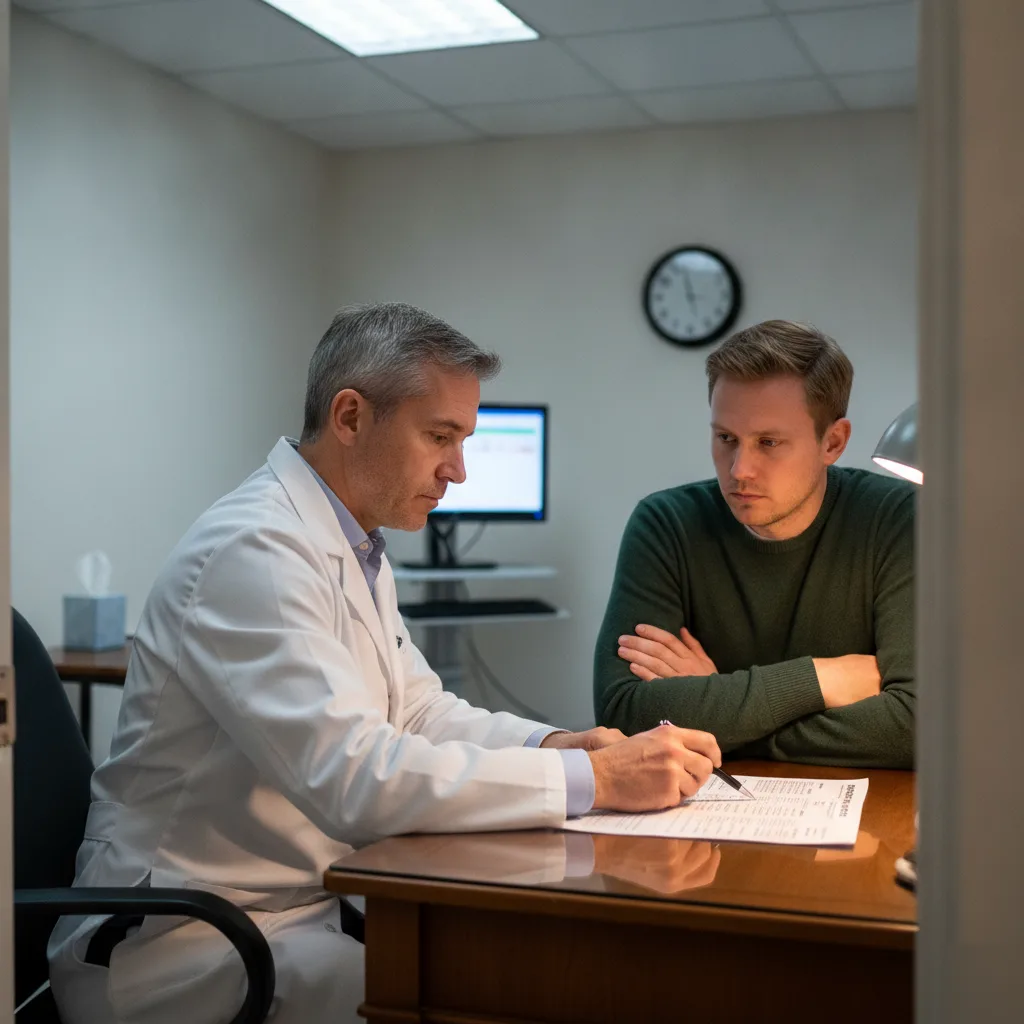
Step-by-Step: What Happens During the Appointment
So, what actually happens at that first appointment? It’s more structured than most men expect. We’ve run this exact visit hundreds of times. The order rarely changes. Each step builds on the last. Here’s the real sequence, start to finish.
- Check-in and paperwork. You’ll fill out a health history form. It covers sleep, energy, libido, mood, and current medications. Takes about ten minutes.
- Vitals and a short physical check. Blood pressure, weight, waist measurement. We’re building a baseline. We’re not judging you.
- One-on-one conversation with the provider. You talk. We listen. What symptoms brought you in? Fatigue? Low drive? Trouble building muscle even with regular workouts? We ask direct questions. Vague answers give vague treatment.
- Blood draw for labs. We test total and free testosterone. Also markers like PSA, estradiol, and a metabolic panel. Labs are non-negotiable. No provider should start testosterone therapy without them.
- Review of your goals. Some men want more energy for work. Others want strength back in the gym. We map the plan to your actual goal. Not a generic target number.
- Discussion of next steps. If your history and symptoms point to low testosterone, we explain treatment options once labs return. If something else is going on, we say so directly.
- Scheduling the follow-up. Labs usually take a few days. We book your results review before you leave. No guessing game.
That’s it, seven steps. You’re done. Most first visits run 30 to 45 minutes total. None of it feels rushed.
A quick real-world example. A patient in his mid-40s from an established Dr. Phillips neighborhood came in last year. He felt ‘off’ – tired by 2 p.m., short-tempered. Gym gains stalled despite clean eating. His labs showed testosterone well below normal range. We didn’t guess. We tested, confirmed, then built a plan around his actual numbers.
One thing we’ve noticed across Central Florida: patients relax once they realize this isn’t a rushed, transactional visit.
You’re not signed up for anything on day one. And you won’t leave with a prescription before labs confirm what’s happening. Low testosterone symptoms overlap with sleep apnea, thyroid issues, and stress. Labs separate real hormone deficiency from something else.
We also talk through what results might look like. We tie it back to how testosterone affects insulin and metabolic pathways. We watch these closely with every patient. Stable hormones and stable insulin work together, you see, not against each other.
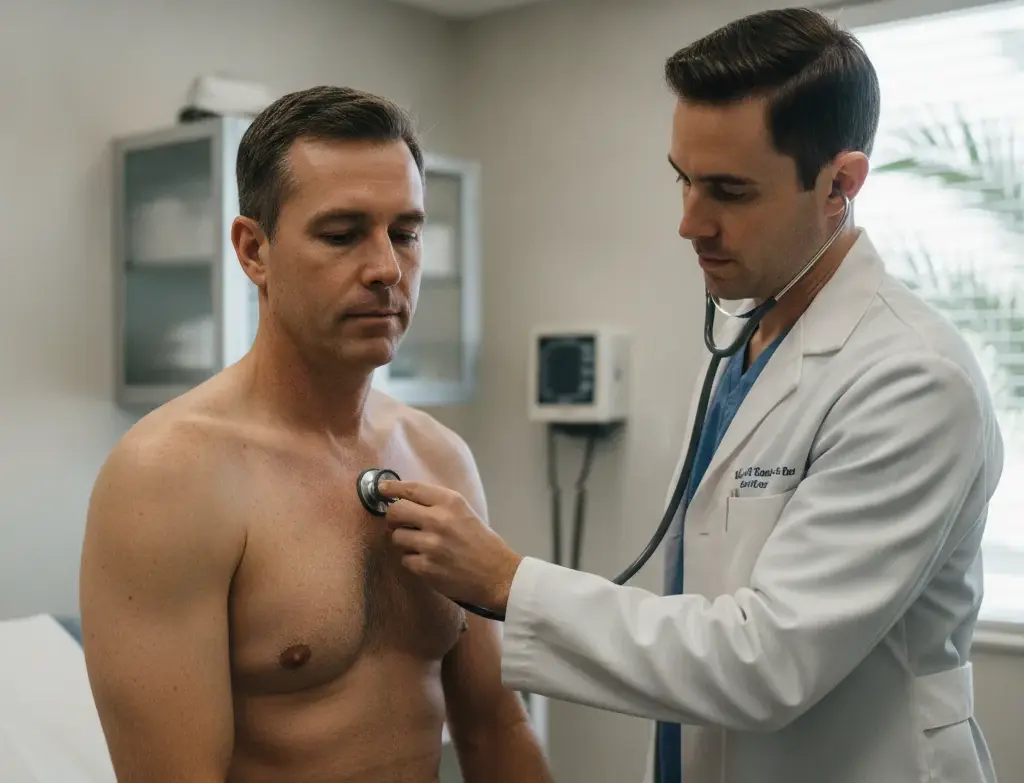
What to Expect When You First Start Taking Testosterone
Your first few weeks won’t feel dramatic. Most patients tell us the same thing: nothing happens right away. Then suddenly they notice they slept better last night. That’s normal. Testosterone doesn’t flip a switch. It works gradually, rebuilding your body’s hormone levels week by week.
The early adjustment period matters more than people think. Your body is used to running on low testosterone. Even a healthy dose feels like a change at first. Some men feel a little more energetic within the first two weeks. Others don’t notice anything until closer to the six-week mark. Both are fine.
We track progress with follow-up labs, not guesswork. That’s the difference between a monitored program and just picking up a prescription. Your levels get measured. Your dose gets adjusted based on how your body responds, not on a generic chart.
- Weeks 1 to 3: Mild changes in mood or sleep quality, sometimes nothing noticeable yet.
- Weeks 4 to 6: Energy improves. Mental fog often starts lifting.
- Weeks 6 to 12: Strength gains begin. Libido and drive typically increase.
- Months 3 to 6: Body composition shifts. More muscle, less fat. Better workout recovery.
- Ongoing: Mood stability and consistent energy become the new normal, not the exception.
Here’s a scenario we see a lot. A patient in his mid-40s, maybe from one of the Sand Lake communities, comes in exhausted, irritable. Gaining weight despite eating the same way. Three months into therapy, his labs look better. So does he. He’s not chasing food noise all evening. He’s sleeping through the night. He’s back at the gym without dreading it. That’s the pattern we watch for.
Side effects, if they show up, tend to be mild. And manageable. Some men notice slight water retention or oily skin early on. A few report more frequent workouts because their recovery time drops. Your physician will walk you through what’s typical. They adjust if something feels off.
Not every case is the same, that’s why we do ongoing monitoring.
Consistency makes therapy work. Skipping doses or spacing them out unevenly slows progress. It makes it harder to tell what’s working. We ask patients to stick to their schedule. Bring any questions to follow-up visits. Don’t guess on your own.
Most importantly, this isn’t a program you start once and forget. It’s an ongoing relationship between you, your labs, and your physician. That oversight is what separates real testosterone therapy from anything you’d find without medical supervision.
Proper diagnosis starts with understanding your specific hormone levels, which is why medical organizations like the Endocrine Society emphasize accurate laboratory testing for any hormone-related condition.
Book Your Consultation
Frequently Asked Questions
How do I know if I need testosterone therapy instead of just being tired?
You know based on lab results, not symptoms alone. Fatigue can come from low testosterone, but also from thyroid issues, sleep apnea, or stress. That’s why a physician orders blood work before assuming anything. If your labs show low total and free testosterone, and your symptoms match, that points to a real deficiency. Guessing wastes time. Testing gives you an answer you can trust.
Can low testosterone symptoms be something else, like sleep apnea or thyroid problems?
Yes, this happens often. Low energy, brain fog, and low libido can come from several conditions, not just low testosterone. Thyroid problems and sleep apnea cause similar symptoms. Some heart issues do too. That’s why your first visit includes a full symptom history and blood work, not just a quick chat. Ruling out other causes protects you from starting a treatment you don’t need.
How long does it take to get testosterone lab results back in Orlando?
Most Orlando patients get results back within a few days, sometimes sooner. Labs are drawn the same day as your first visit at our Dr. Phillips clinic. Your follow-up appointment is usually scheduled before you even leave. This keeps the process moving without unnecessary delays. It also means your treatment plan gets built around real numbers, not a rushed guess.
Why can’t I just start testosterone therapy on my first visit?
You can’t start on day one because labs haven’t confirmed anything yet. A responsible physician needs your blood work before prescribing testosterone. Starting without labs is guesswork with hormones, and that’s risky. Your first visit is for evaluation only. Once results come back and match your symptoms, your physician builds a plan around your actual numbers. That’s how safe treatment works.
What’s the biggest misconception people have about their first testosterone visit?
Most men expect to leave with a shot the same day. That’s the biggest misconception. Your first visit is a medical evaluation, not a prescription pickup. A physician reviews your symptoms, checks your history, and orders labs first. This protects your health and confirms testosterone therapy is the right fit. If you want the full picture of what treatment looks like after labs come back, the testosterone therapy page walks through it step by step.
Does Orlando’s climate or lifestyle affect testosterone levels or treatment?
Heat and activity levels can affect energy and hydration, which sometimes mask or worsen low testosterone symptoms. Central Florida’s active outdoor lifestyle means many patients notice fatigue or stalled gym progress before they connect it to hormones. That’s why physicians here factor in your daily routine, not just lab numbers, when building your plan. Local lifestyle context helps explain symptoms accurately, alongside your blood work results.
Ready for a Svelte transformation?
Take the first step toward better health and metabolic stability today.
Our team is here to support you.