
Home » What Happens at My First Appointment? A Guide for Orlando Patients
What Happens at My First Appointment? A Guide for Orlando Patients
Why Your First Appointment Looks Different From Every Visit After It
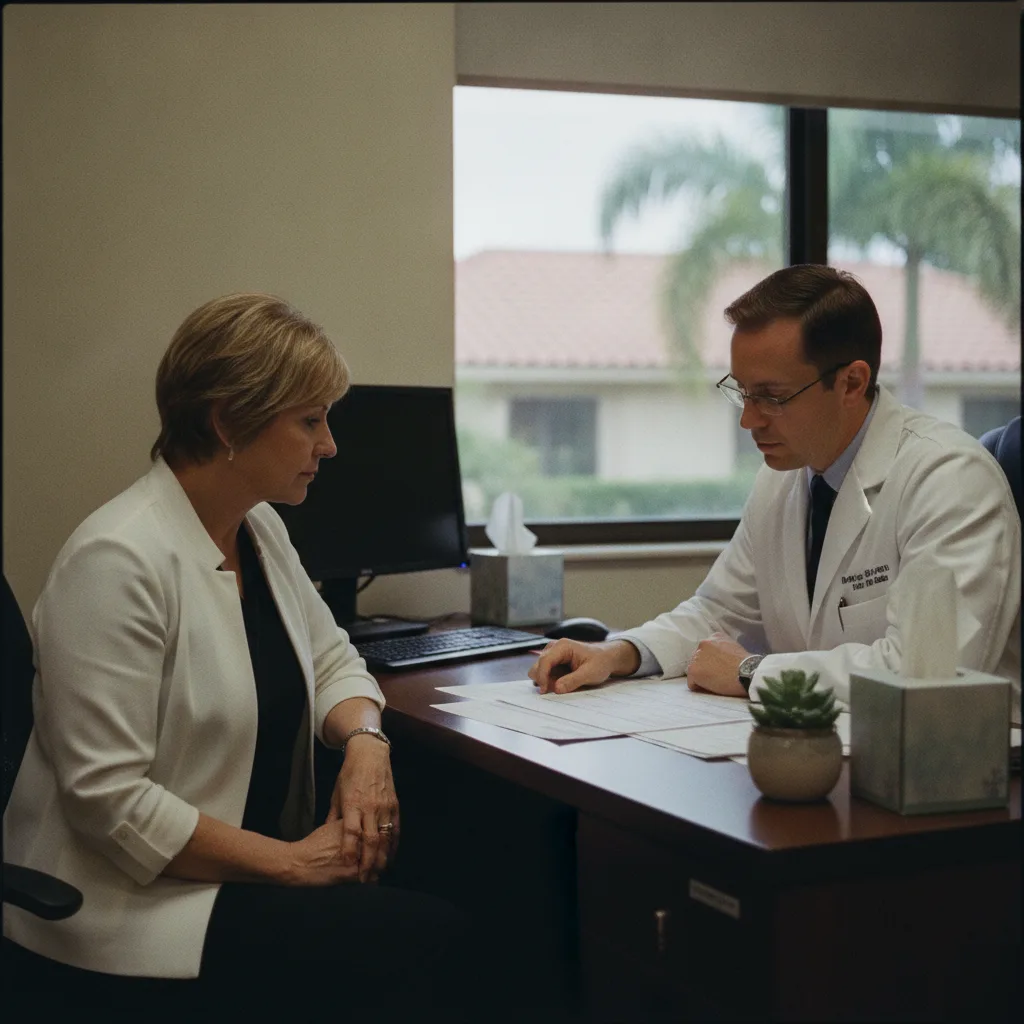
Your first anti-aging appointment in Dr. Phillips is longer and more thorough than any visit after it because we’re building your full metabolic picture from scratch. We review your health history, order labs if needed, and talk through your goals before any treatment plan gets written. Every follow-up after that builds on this one visit.
Most patients walk in expecting a quick weigh-in and a prescription. That’s not how it works here, and it shouldn’t be. Your first visit is where we figure out why your body has been storing fat instead of burning it. We ask the big questions. Is it insulin spikes from years of high-carb eating? Rebound hunger that’s been mistaken for weak willpower? Food noise that never quiets down? We can’t answer those questions in five minutes, honestly.
We see this a lot. A patient comes in after two failed diet attempts, convinced something is wrong with them. It usually isn’t. Their metabolism is running on sugar instead of fat, and no amount of willpower fixes that on its own. So the first appointment is really an investigation, not a transaction.
Here’s what typically happens during that first visit, start to finish.
- You’ll fill out a health history covering past weight loss attempts, medications, and any conditions like thyroid issues or diabetes.
- Our physician reviews your history in person, not through a form alone. That’s a big deal.
- We may order labs to check insulin levels, thyroid function, and metabolic markers before recommending treatment. This gets it right.
- We talk through your goals in plain language, no medical jargon dump. You’ll leave understanding.
- We explain whether nutrition coaching, GLP-1 medication, or a combination fits your situation.
- You leave with a written plan, not a vague suggestion to eat less and move more. No guesswork.
Follow-up visits move faster because that foundation is already built. We’re checking weight trends, adjusting medication dosing, and watching how your body responds. But none of that works well if the first visit gets rushed. We take our time.
One Orlando patient told us she’d been to three other clinics before ours, and none of them ran labs first. She’d been prescribed a GLP-1 medication without anyone checking her thyroid history, which is just wild. That’s not how we operate here in Dr. Phillips. Our physician has been practicing in Central Florida for over 18 years, and that kind of shortcut isn’t part of the process here.
So if you’re comparing your options, ask any provider what happens during their first visit. If the answer is a scale and a script, that’s a red flag. And you deserve better.
What to Bring to Your First Appointment
You don’t need to overprepare for this visit, but a little prep goes a long way. We ask every new patient in the Dr. Phillips area to bring a few basics so your physician can build an accurate picture of your metabolic health from day one. Show up empty-handed and we can still help you, but the visit moves faster and the plan gets sharper when you come ready.
Here’s what matters. We see patients skip the medication list all the time. Then we lose ten minutes tracking down dosages over the phone with their pharmacy. Bring these things. You’ll save yourself that hassle.
- A list of current medications and supplements, including dosages.
- Recent bloodwork if you have it from the last six months, or be ready to schedule labs on-site. This is key.
- Your insurance card and a photo ID for check-in.
- A short list of past diagnoses, especially thyroid issues, PCOS, prediabetes, or sleep apnea.
- Notes on past weight loss attempts – what worked, what didn’t, and why you stopped. No judgment, just data.
That last one matters more than people think. If you’ve tried keto, intermittent fasting, or a GLP-1 medication before, tell us. Your physician needs that history to understand how your body responds to insulin swings and rebound hunger. It’s not about judging past attempts. It’s about building on what your metabolism has already shown us. You’re giving us clues.
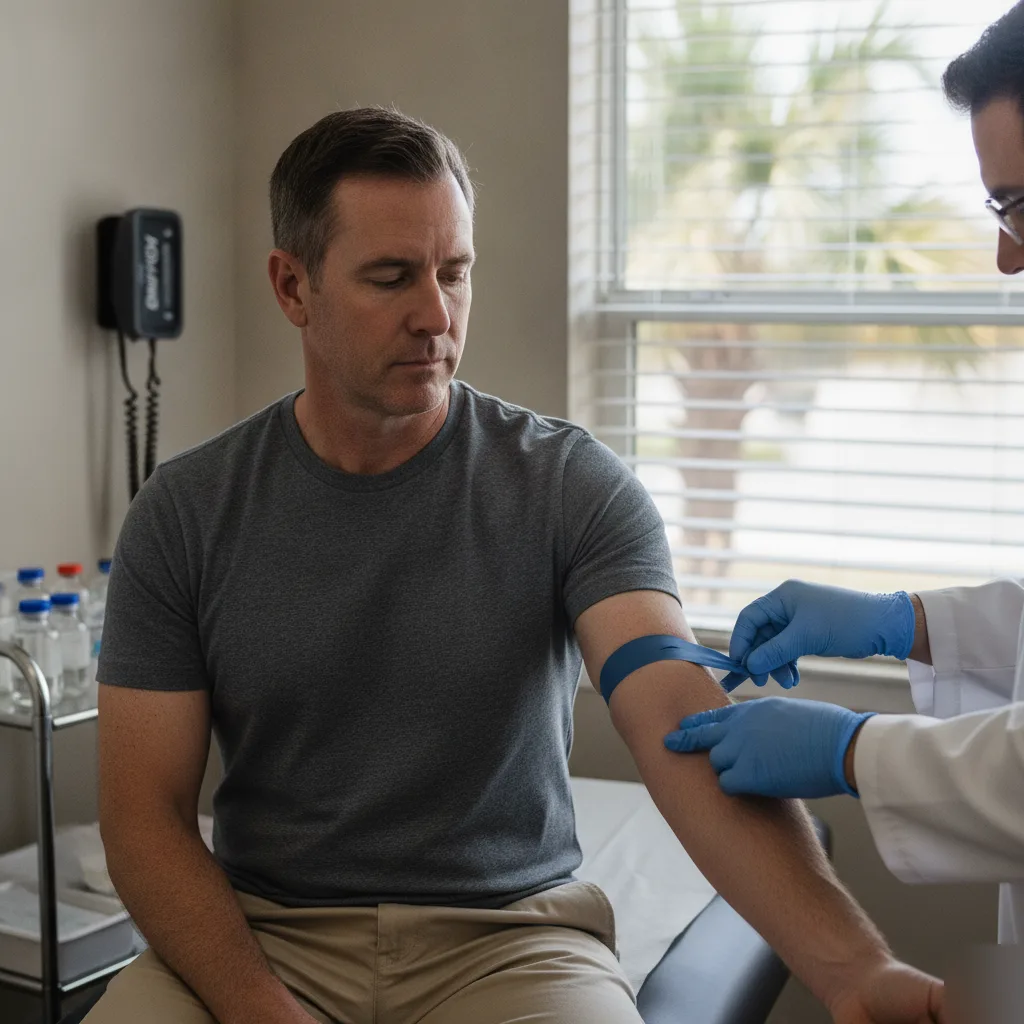
No labs yet? That’s fine. Most patients haven’t had recent bloodwork, and we’ll draw it that day or send you to a local lab within 24 to 48 hours. Labs are required before we prescribe anything. They are not optional paperwork. That’s how we confirm your program is medically sound, not a guess. We don’t guess.
Wear something comfortable. You’ll likely step on a scale and possibly have a body composition check, so avoid heavy boots or bulky layers. Some patients also bring a written list of goals. Maybe it’s five pounds by summer, or getting off blood pressure medication, or having more energy for their kids. Written goals help us track real progress against real numbers, not vague hopes. We like clear targets.
One more thing. If you’re currently pregnant, breastfeeding, or have a history of pancreatitis or thyroid cancer, tell your physician immediately. These conditions change what’s medically appropriate, and honesty here protects you.
What to Expect During the Visit Itself
You walk in, you sign in, and then things move fairly fast. Most patients tell us they expected a long, awkward wait. That’s not how we run things here in Dr. Phillips. Your first appointment has a rhythm to it, and once you know the steps, the whole visit feels a lot less intimidating.
- Check-in and paperwork review. You’ll confirm your intake forms and any lab work you’ve already had done.
- Vitals and basic measurements. We check weight, blood pressure, and sometimes waist circumference to track your starting point. These are your baselines.
- One-on-one time with the physician. This is where we talk through your health history, your goals, and what’s driving your weight gain. This is the heart of it.
- Discussion of insulin stability and your metabolism. We explain whether you’re currently a sugar-burner and what it takes to shift you toward fat-burning. We’ll break it down.
- Lab review or lab order. If you haven’t had recent labs, we’ll order them here. Bloodwork is required before any medication decision is made. No exceptions.
- Treatment plan conversation. We talk through options, including GLP-1 medication if it’s medically appropriate for you. We’ll make sure it’s a good fit.
- Next steps and scheduling. You’ll leave knowing exactly what happens next, whether that’s a follow-up visit or starting your plan. No confusion.
The physician conversation is the heart of the visit. This isn’t a five-minute chat with a nurse and a handout. You’re sitting down with a board-certified MD who wants to understand your actual history, not just your number on the scale. We care about the whole picture.
We ask about your eating patterns, your sleep, your stress, and any medications you’re already on. Most patients are surprised how much rebound hunger comes up in this conversation. If you’ve ever eaten a big carb-heavy meal and felt starving two hours later, that’s not a willpower problem. That’s your insulin spiking and crashing. We see this pattern constantly in Orlando patients, especially those who work long shifts in hospitality, healthcare, or tourism jobs where meal timing gets thrown off. It’s a real challenge.
Labs come up early because they matter. We won’t guess at a treatment plan. Fasting glucose, A1c, and a metabolic panel tell us what’s happening inside your body. Some patients arrive with recent labs from their primary care doctor, which can speed things along. Others need bloodwork done that same day or at a nearby lab partner. It’s all about evidence.
So what does a real conversation sound like? A patient in her 40s comes in frustrated after years of yo-yo dieting. She’s tried everything. During the visit, we walk through her labs, explain how her body has been stuck in sugar-burning mode, and map out how a GLP-1 medication combined with nutrition coaching could stabilize her insulin. She leaves with a plan, not just a pamphlet.
You won’t get generic advice here. Every recommendation is based on your labs, your history, and physician oversight at every step. That’s the difference between a franchise weight loss clinic and a program that’s been refining this approach in Central Florida since 2008. It’s a big difference.
Expect the whole visit to run somewhere between 45 minutes and an hour, depending on how much lab work is needed. And expect to leave with clarity, not more confusion.
Book Your Consultation
Frequently Asked Questions
How do I know if I need labs before starting a weight loss program?
You need labs if you haven’t had recent bloodwork checking insulin, thyroid, and metabolic markers. Without this data, a physician is guessing at what’s driving your weight gain instead of knowing. Many Orlando patients arrive after being prescribed medication with no labs at all, which skips a step that protects your health. Labs confirm whether insulin resistance, thyroid issues, or something else is the real cause. This is why the consultation process always starts with your health picture, not a prescription.
What’s the difference between a quick weigh-in visit and a real metabolic consultation?
A quick weigh-in only tracks your number on the scale, while a real metabolic consultation investigates why your body stores fat in the first place. The second approach looks at insulin spikes, rebound hunger, and food noise, not just pounds. Patients who’ve tried diets before usually think something’s wrong with them, but it’s often their metabolism running on sugar instead of fat. A thorough first visit uncovers that difference before any treatment plan gets written.
Is it normal to feel like past diets failed me because of willpower?
No, and this is one of the biggest misconceptions we see in Orlando patients. Failed diets usually point to a metabolism issue, not a willpower problem. If your body runs on sugar instead of fat, no amount of discipline fixes that alone. That’s why your first appointment focuses on insulin stability and metabolic markers instead of just calorie counting. Understanding this shift in thinking is often the biggest relief patients get from their first visit.
Does living in Central Florida’s heat and humidity affect my weight loss plan?
Yes, Central Florida’s climate can affect activity levels and hydration, which your physician should factor into your plan. Hot, humid weather in Dr. Phillips and across Orlando often means less outdoor movement for months at a time. This can worsen insulin resistance and rebound hunger if it isn’t addressed. A physician familiar with practicing in Central Florida understands these seasonal patterns and builds them into your nutrition and activity guidance from day one.
What should I do if I don’t have recent bloodwork before my visit?
You don’t need to worry if you don’t have recent bloodwork already. Most patients haven’t had labs done recently, so your physician can draw them on-site or send you to a local lab within 24 to 48 hours. Labs are required before any medication gets prescribed, not optional paperwork. This step confirms your plan is medically sound instead of a guess based on the scale alone.
Why does my first visit take longer than every appointment after it?
Your first visit takes longer because it builds your entire metabolic picture from scratch, and every follow-up depends on that foundation. Your physician reviews your health history, may order labs, and talks through your goals before writing any plan. Rushing this step means guessing at treatment instead of knowing what’s driving your weight gain. Follow-up visits move faster because this groundwork is already done, which is exactly why the first appointment deserves extra time.
Ready for a Svelte transformation?
Take the first step toward better health and metabolic stability today.
Our team is here to support you.