
Home » Testosterone Therapy for Muscle Mass and Energy in Lake Mary | Svelte Medical Weight Loss – Lake Mary
Testosterone Therapy for Muscle Mass and Energy in Lake Mary | Svelte Medical Weight Loss - Lake Mary
Signs Your Testosterone May BeHolding Back Your Muscle and Energy

You may be dragging through the afternoon, and the gym might feel like a chore instead of a release. No matter how many protein shakes you drink or hours you sleep, your body just won’t respond the way it used to.
Does this sound familiar? We often hear this from men visiting our Lake Mary clinic.
Low testosterone doesn’t always announce itself with one obvious symptom. Instead, it often develops gradually. Most men we see have been dealing with symptoms for months, sometimes years, before they connect the dots. Here are some signs that may indicate low testosterone:
- Muscle loss or difficulty building muscle despite consistent workouts
- Persistent fatigue that coffee and sleep cannot fix
- Increased body fat, especially around the midsection
- Low motivation or a general feeling of being “off” that won’t lift
- Reduced strength during exercises you used to handle easily
These symptoms don’t just affect how you look. They also change how you feel. We’ve had patients near the Timacuan neighborhood tell us they stopped going to the gym because the lack of results felt demoralizing. This is not a willpower problem; it is often a hormone problem.
The American Urological Association notes that testosterone levels below 300 ng/dL are considered low. However, you can still fall within a “normal” range on paper and feel terrible. Your body has its own baseline. When your levels drop below this, your muscles lose the signal they need to recover and grow properly.
Are you unsure if what you’re feeling is truly low testosterone? This is actually common. Many men attribute these symptoms to aging or stress. Sometimes these are indeed factors. But the only way to know for sure is a simple blood panel. We check total testosterone, free testosterone, and several other markers to get the full picture, leaving no room for guesswork. If you want to learn more about low testosterone signs and symptoms, MedlinePlus offers a thorough patient-focused overview.
Your body is often sending you messages. It can be worth paying attention.

How Testosterone Therapy RestoresMuscle Growth and Sustained Energy
We often hear this from men visiting our Lake Mary clinic: “I’m eating right, I’m working out, and nothing’s changing.” This frustration is common. It usually points to something going on beneath the surface.
Testosterone plays a direct role in how your body builds and maintains muscle. It signals your muscle fibers to repair after exercise. It helps your body hold onto lean tissue instead of storing fat. When your levels drop, these signals weaken. You can put in the same effort at the gym and see fewer results.
Low testosterone also drains your energy in ways that coffee cannot fix. We are not talking about normal tiredness after a long day. This is the kind of fatigue that hits you at 2 p.m. and does not let up. It is the kind that makes you skip the gym, cancel plans, or just sit on the couch wondering what happened.
How does testosterone therapy help? When we bring your levels back into a healthy range under medical supervision, your body can perform as it should again:
- Muscle protein synthesis speeds up, helping workouts produce visible results.
- Recovery time between training sessions shortens.
- Sustained energy replaces a heavy, dragging feeling throughout the day.
- Body composition shifts toward more lean mass and less stored fat.
The Endocrine Society has found that testosterone therapy in men with documented low levels can help improve lean body mass and reduce fat mass. We see this consistent with results in our own patients near Heathrow and the Colonial Town Park area.
This is not just a shot. It is a medical treatment that works when your provider monitors your bloodwork, adjusts your protocol, and checks in regularly. At our men’s vitality and hormone clinic, we approach this as a partnership. You stay consistent with your plan, and we make sure the therapy is working as intended. Most men start noticing real changes within the first couple of months.
What Your First Visit and Lab WorkActually Look Like
Many people put off calling because they do not know what to expect. this. Here is how it works when you visit our Lake Mary clinic.
Your first visit takes about 30 to 45 minutes. We take our time to listen. We sit down and talk about what you are feeling, how long it has been going on, and what your daily life looks like. We discuss sleep habits, energy crashes, and gym results that stopped showing up. All of these details matter. We have had men from the Heathrow area come in saying they thought feeling tired all the time was simply “getting older.” Their labs often tell a different story.
The Lab Panel
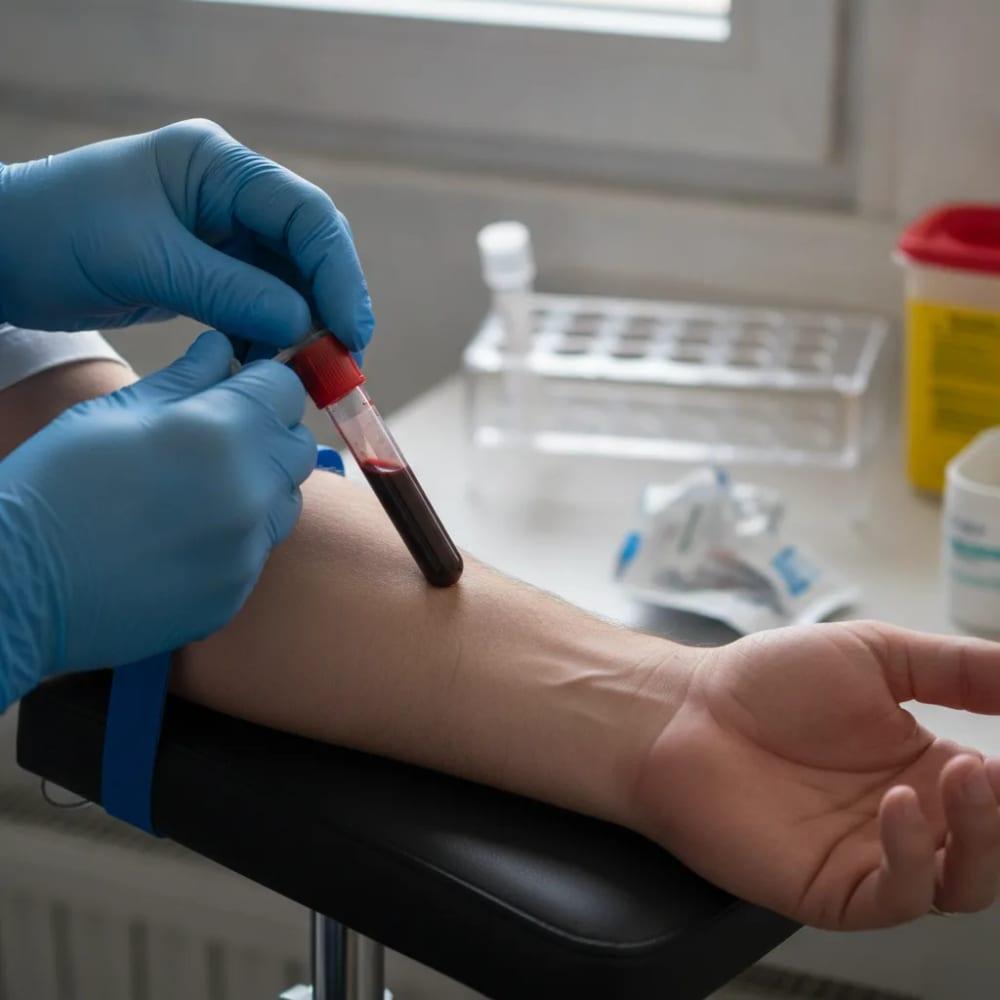
We often order blood work the same day. It is a simple draw. Here is what we look at:
- Total and free testosterone levels.
- Estradiol, because estrogen balance also matters for men.
- CBC and metabolic panel to check your baseline health.
- Thyroid markers, since low thyroid can mimic low testosterone symptoms.
Results usually come back within a few days. Then we schedule a follow-up to review everything together. This is not a phone call with a nurse reading numbers. It is a real conversation with your provider about what the data means for you.
Many people do not realize this, but your testosterone level alone does not tell the whole picture. We look at ratios between hormones, your symptoms, and your health history. A number that looks “normal” on paper can still be too low for how your body functions.
We see this every week. Someone comes in with labs from their primary care doctor that say “within range,” but they still feel awful. This is because the reference ranges are broad. They cover 18-year-olds and 80-year-olds on the same scale. We investigate further than that broad scale.
Once we have the full picture, we build a treatment plan. This happens before anything else. We avoid guessing and cookie-cutter protocols. Do you want to know where your levels stand? Schedule a consultation, and we can find out together.
The Phase-by-Phase Timeline for Muscle and Energy Improvements
We get this question more than any other: “How long before I feel different?” It is a fair question, and we will not give you a vague answer.
Here is what the timeline typically looks like once treatment starts:
- Weeks 1-3: Most men notice better sleep and a slight lift in mood. You likely will not see muscle changes yet. However, something often feels different. Energy starts to return, especially in the mornings.
- Weeks 4-8: Workouts often feel more productive again. Recovery between sessions shortens. Men in Lake Mary who have been struggling with gym routines near Timacuan or Colonial Town Park tell us this phase often feels like a significant shift.
- Weeks 8-14: Muscle density starts to change. Your clothes may fit differently. Strength numbers improve. Fat distribution shifts, particularly around the midsection. Research from the Endocrine Society shows measurable changes in lean body mass can appear within this window when testosterone levels are properly restored.
- Months 4-6: Other people often start noticing changes. Sustained energy throughout the day becomes your new normal, not something you chase with caffeine.
Here is what we tell every patient. These phases are not guarantees. They are patterns we have seen numerous times under medical supervision. Your body composition, starting hormone levels, activity habits, and diet all play a role in how fast you respond.
We monitor your labs at regular intervals during this process. If levels need adjusting at week six or week ten, we address it early. This is the difference between working with a clinic that manages your protocol and simply getting a prescription from somewhere else.
Some men feel a significant shift in three weeks. Others take closer to eight weeks before energy stabilizes. Both responses are normal.
The changes build over time. They do not all happen at once; they accumulate. Once they do, men consistently tell us they wish they had started sooner.

Making the Most of Testosterone Therapyas an Active Man
You are already putting in the work. Perhaps you are hitting the gym three days a week near the Lake Mary Sports Complex, or you are out on the trails every weekend. The results just are not matching the effort anymore.
This can be frustrating.
Testosterone therapy for muscle mass and energy can help close that gap. It works when you participate actively in your care. We tell every patient the same thing: this is not just a shot. It is a tool. Like any good tool, how you use it matters more than simply having it.
What Actually Changes When Levels Are Right
Once your testosterone levels stabilize in a healthy range, your body responds to exercise as it used to. Protein synthesis increases. Recovery times decrease. You wake up the next morning after a hard workout and feel ready to go again. Clinical data shows men with optimized testosterone levels see measurable improvements in lean body mass and reduced fat percentage when combined with resistance training.
We often see this: men start feeling better around week six or eight, they push too hard too fast, and then wonder why they are sore for days. Your muscles may be responding again, but your tendons and joints may not have caught up yet. Gradual progression still matters.
What should you do? A few things make a difference:
- Prioritize compound lifts like squats, deadlifts, and presses over isolation work.
- Get seven to nine hours of sleep, because that is when your body does the repair.
- Eat enough protein, roughly one gram per pound of body weight.
- Stay consistent with your treatment schedule and follow-up labs.
We monitor your levels regularly in Lake Mary. This includes not just total testosterone, but free testosterone, estradiol, and hematocrit. These numbers tell us whether your dose is optimized or needs adjusting. This matters more than most men realize.
Are you wondering if your current routine is getting the most out of your treatment? Schedule a consultation, and we will look at your labs together.
Book Your Consultation
Frequently Asked Questions
How long does it take to notice muscle and energy changes after starting testosterone therapy in Lake Mary?
Most men start noticing real changes within the first one to two months of therapy. Energy usually improves first. Muscle gains and body composition shifts tend to follow as your workouts start producing results again. Recovery between training sessions also shortens noticeably. Timelines vary depending on how low your levels were and how consistent you stay with your treatment plan and follow-up lab checks.
Can I still have low testosterone if my blood work comes back ‘normal’?
Yes, you can feel terrible even when your labs fall inside the standard reference range. Those ranges are broad and cover men from age 18 to 80 on the same scale. Your body has its own baseline. We look at total testosterone, free testosterone, hormone ratios, and your symptoms together. A number that looks fine on paper can still be too low for how your body actually functions. Learn more about low testosterone with normal blood work.
What should I bring or do to prepare for my first testosterone therapy visit at your Lake Mary clinic?
Come ready to talk honestly about your symptoms, energy levels, sleep habits, and gym results. You do not need to bring prior labs, but if you have recent bloodwork, bring it along. We often order a same-day blood draw during your first visit. The appointment runs about 30 to 45 minutes. Wear something comfortable since we may check vitals and discuss your full health history before building any treatment plan. Our guide on how to prepare for your first testosterone therapy visit covers what to bring and how to prep for the blood test.
Do men in Lake Mary really need testosterone therapy, or is feeling tired just part of getting older?
Fatigue and muscle loss are not things you simply have to accept. Many men near areas like Heathrow and Timacuan come in convinced they are just aging, but their labs show testosterone levels well below where they should be. Florida’s heat and humidity can also mask symptoms by making fatigue feel normal. A simple blood panel tells you whether hormones are the actual cause, so you are not guessing.
What happens after my lab results come back?
We schedule a real follow-up appointment to review your results together with your provider, not just a nurse reading numbers over the phone. We go over what the data means for your specific body, discuss your symptoms, and build a treatment plan before anything else starts. Nothing is prescribed based on guesswork. Ongoing bloodwork and check-ins are part of the process to make sure the therapy keeps working as intended.
Is testosterone therapy just for bodybuilders, or is it right for everyday active men?
Testosterone therapy is a medical treatment for men with documented low levels, not a performance enhancer for bodybuilders. Most of our Lake Mary patients are everyday active men who eat well, work out regularly, and still cannot build muscle or shake their fatigue. The Endocrine Society has found that therapy in men with confirmed low testosterone can improve lean body mass and reduce fat mass. It is about restoring your body to where it should be.
Ready for a Svelte transformation?
Take the first step toward better health and metabolic stability today.
Our team is here to support you.