
Home » Your First Testosterone Therapy Visit in Lake Mary: How to Prepare
Your First Testosterone Therapy Visit in Lake Mary: How to Prepare
Why Your First Visit Is a Starting Point, Not a Same-Day Fix
Your first visit at our Lake Mary clinic is for testing and talking, not treatment. Most men don’t notice real changes until four to six weeks in. Full benefits can take three to six months. We use that first appointment to build your baseline. Then we adjust from there.
You might walk out of your first hormone therapy appointment expecting to feel different by the weekend. You won’t. That’s normal. The first appointment is where we draw labs, review your symptoms, and talk through your health history. It’s the starting line. Not the finish line. Real hormone therapy works on a timeline your body sets.
Here’s what happens after your blood work comes back. We look at your total and free testosterone, plus other markers on your men’s hormone panel. If your numbers support treatment, we talk through options. Think testosterone injections or testosterone pellet therapy. Then we start you on a plan. We bring you back for monitoring.
So when do you feel it? Energy and mood often shift first. That’s usually somewhere between three and six weeks. Libido and sleep quality tend to follow next. Muscle mass and strength gains take longer. These often appear eight to twelve weeks into consistent treatment, paired with normal activity. This lines up with general findings from the Endocrine Society’s clinical guidelines on testosterone therapy, which note that full metabolic and body composition changes can take several months to appear.
We had a patient last year who came in frustrated. This was after two weeks, convinced the treatment wasn’t working. His labs looked good, his levels were rising right on schedule. We just needed more time. By week eight, he was back in the gym and sleeping through the night. That gap between starting treatment and feeling like yourself again is the part nobody warns you about.
- Weeks 1 to 3: labs stabilize, little to no noticeable change yet
- Weeks 4 to 6: energy, mood, and mental clarity often improve first
- Weeks 6 to 10: libido and sleep quality tend to catch up
- Months 3 to 6: muscle mass, strength, and body composition changes become clearer
This is why we schedule follow-up bloodwork. We don’t just guess. Your dose might need adjusting after your first round of labs post-treatment. Or your body may respond faster than average, and we scale back. Either way, that second and third visit matter just as much as the first one. We’re not chasing a number on paper. We’re watching how you feel and function.
Andropause and low testosterone don’t build up overnight. So they don’t resolve overnight either. Give the process room to work.
What to Bring to Your Appointment
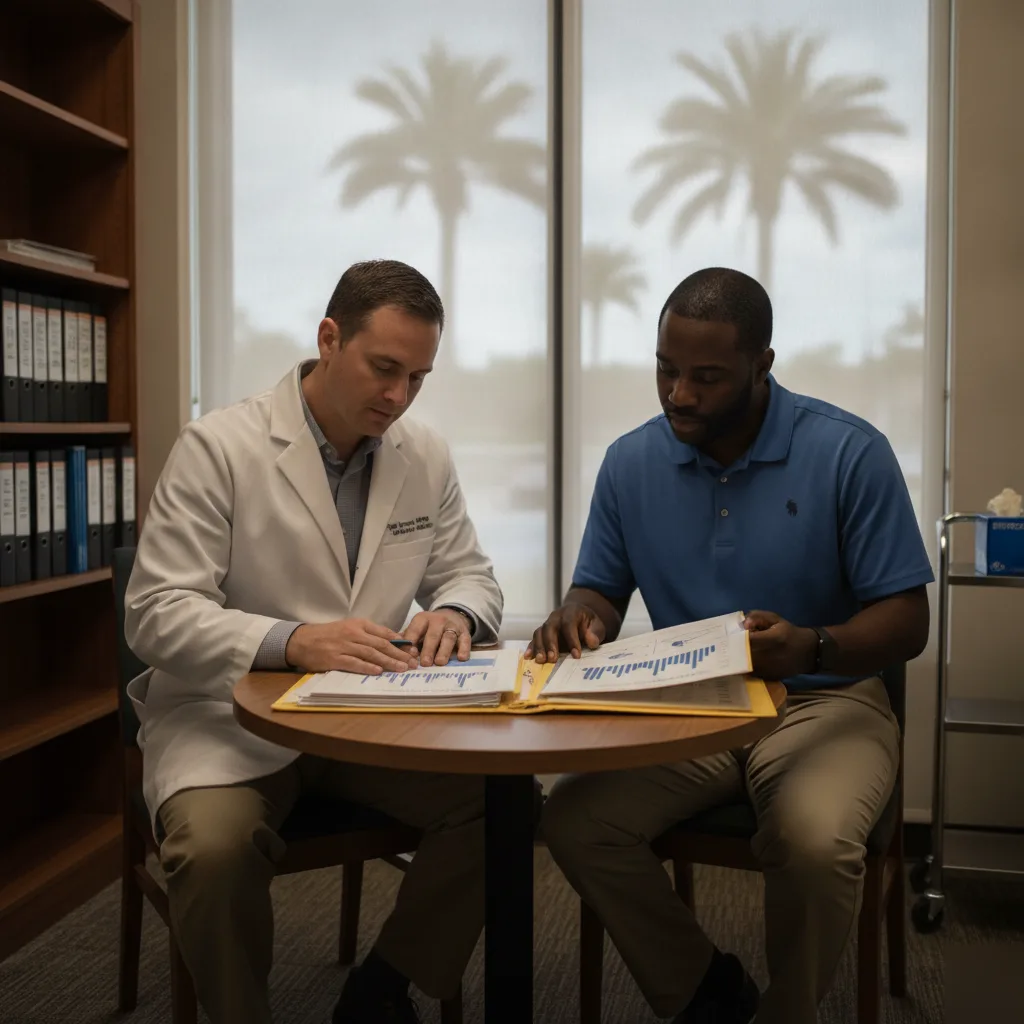
So what should you bring or do to prepare? Short answer: bring your ID, insurance card, a list of current medications, and any recent bloodwork you have. That’s the core of it. But a little extra prep helps make your visit smooth and your results accurate.
We see this mistake often. Patients show up rushed. Maybe they ate a big breakfast or skipped morning water. This can throw off certain lab values. It’s not the end of the world, but it can mean a repeat draw. We try to avoid that.
- Bring a photo ID and your insurance card. Do this even if you already gave this info over the phone.
- Bring a list of every medication and supplement you take. Include dosages. Write it down or take a photo of the bottles.
- Bring any recent hormone lab work from the past 6 to 12 months, if you have it. This helps us compare trends over time.
- Fast for 8 to 10 hours before your blood draw if possible. Testosterone levels are most accurate in a morning fasting draw.
- Skip strenuous exercise the day before your visit. Intense workouts can temporarily raise or lower certain hormone markers.
- Get a full night of sleep beforehand. Poor sleep can shift testosterone readings lower than your true baseline.
- Write down your symptoms ahead of time. Think low energy, low libido, mood changes, or trouble building muscle. Specifics help us build your treatment plan.
Here’s a real scenario we run into often. A patient in his 40s comes in. He worked a night shift. Four hours of sleep. Grabbed coffee on the way. His testosterone reads low. This isn’t surprising given the circumstances. So we talk through his sleep schedule. We repeat the draw under normal conditions a week later. The number often comes back higher. That’s why timing and prep matter. It’s not just for convenience, but for getting a true read on your hormone levels.
Morning appointments tend to give the most reliable testosterone readings. Levels naturally peak earlier in the day. They decline as hours pass. And if you’re on any other hormone medication already (even something unrelated like a thyroid prescription), bring that bottle too. It helps our team see the full picture of what’s going on in your body. Not just one number in isolation.
One more thing: don’t stress about getting everything perfect. Life happens, forgotten paperwork happens, and rushed mornings happen.
How to Prepare for the Testosterone Blood Test
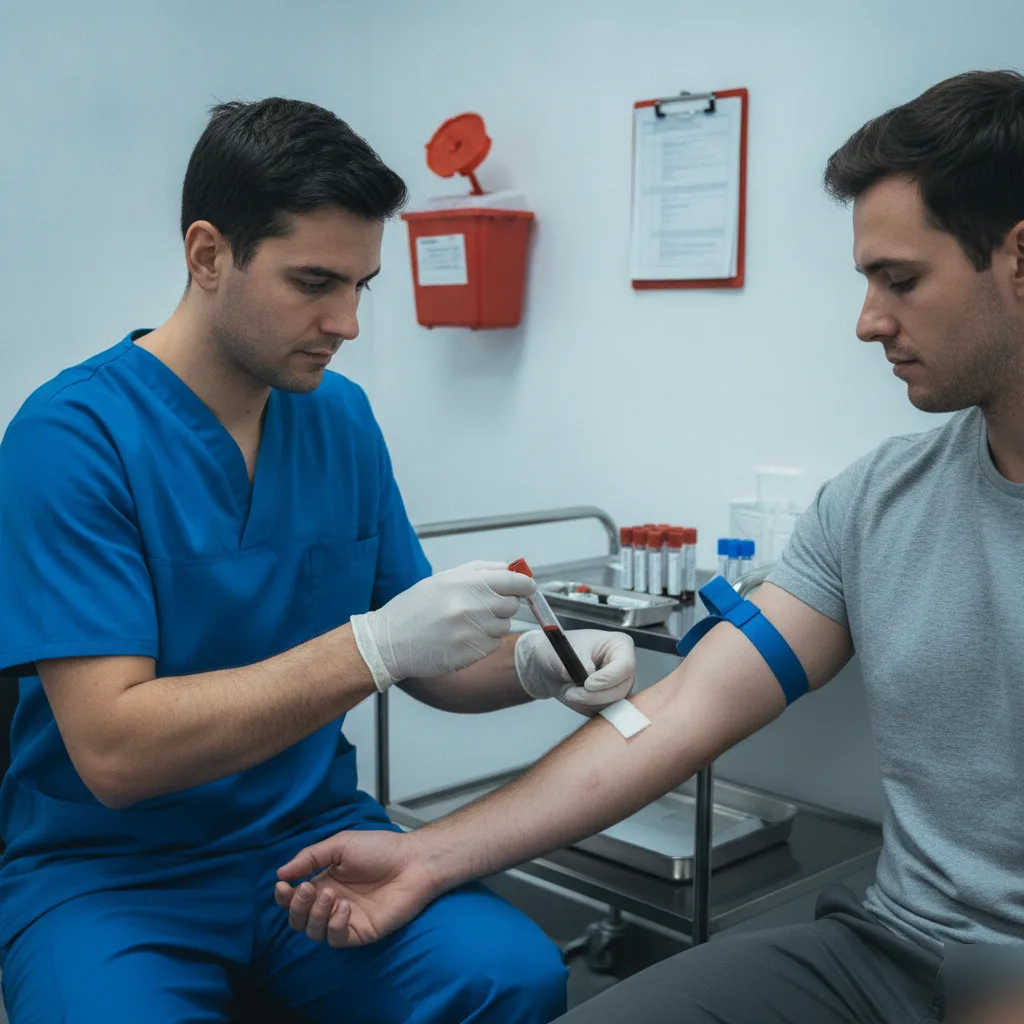
Your testosterone number can shift a lot. It depends on the time of day and what you did the night before. So the blood test isn’t something you can just show up and wing. We’ve had patients drive in from Lake Mary after a big lunch and a late night. They found their number looked lower than it really is. Timing and a few small habits matter more than most people expect.
Testosterone peaks in the morning. It drops as the day goes on. That’s why most clinics, ours included, want your blood drawn before 10 a.m. if possible. A single number pulled from a 4 p.m. draw can look completely different from the same person tested at 8 a.m., even on the same day.
- Book your draw for early morning, ideally before 10 a.m. Testosterone is highest right after waking.
- Get a normal night’s sleep before the test. Poor sleep can lower your reading. It skews the picture.
- Skip heavy exercise the day before. Intense workouts can temporarily change hormone levels.
- Avoid alcohol for at least 24 hours before your draw.
- Stay hydrated with water the morning of. You don’t need to fast unless we’ve told you otherwise for a fuller panel.
- Bring a list of current medications and supplements. Some can affect results.
- Keep the appointment even if you’re feeling off that day. A bad day is still useful data for us.
Fasting isn’t always required for a basic testosterone check. But if we’re running a full hormone panel that includes cholesterol or glucose, you may need to fast for 8 to 12 hours beforehand. We’ll tell you ahead of time which applies to you, so don’t assume either way.
Here’s something we see often. A man comes in stressed about a work deadline. Hasn’t slept well in days. Grabs a fast food breakfast on the way. His number comes back lower than expected. Is that his true baseline? Not necessarily. That’s why we sometimes repeat a low result on a second morning before making any treatment decisions. One test is a snapshot. Not the whole story.
If you’re on any medication that affects hormones-like steroids or certain pain medications-tell us before your draw.
Once your results are in, we sit down. We walk through what they mean for you. Not just a number on a page compared to a chart.
Book Your Consultation
Frequently Asked Questions
How do I know if my symptoms are low testosterone or just stress and aging?
Low energy, low libido, and mood changes can come from many causes, not just low testosterone. That’s why a blood test matters before assuming anything. Stress, poor sleep, and normal aging can mimic the same symptoms. Writing down your symptoms before your visit helps our Lake Mary clinic sort out what’s really going on. A proper hormone panel gives you a real answer instead of a guess.
Can eating breakfast or drinking coffee before my blood draw mess up my results?
Yes, eating a big breakfast or skipping water can shift certain lab values. This is one of the most common mistakes we see at our Lake Mary clinic. It won’t ruin your visit, but it may mean a repeat draw later. Fasting for 8 to 10 hours before your appointment gives the most accurate testosterone reading. A simple morning routine change can save you a second trip.
Does working night shifts in Lake Mary affect my testosterone test results?
Yes, irregular sleep from night shift work can lower your testosterone reading, even if your true levels are normal. We see this often with patients who work overnight jobs around Lake Mary. Poor sleep the night before a blood draw shifts your numbers down. If your schedule is unusual, tell your provider so they can time your test or repeat it under normal sleep conditions for a more accurate result.
Why do morning appointments matter more for testosterone testing than afternoon ones?
Testosterone naturally peaks in the morning and drops as the day goes on. A test done at 4 p.m. can look very different from the same person’s blood drawn at 8 a.m. That’s why our Lake Mary clinic recommends booking your draw before 10 a.m. whenever possible. This timing gives you the truest baseline number, which matters for building an accurate treatment plan on the parent testosterone therapy page.
Is it a mistake to expect changes right after my first testosterone therapy visit?
Yes, expecting quick changes is a common misconception. Your first visit is for testing and talking, not immediate treatment results. Most men don’t feel real changes until four to six weeks in, with full benefits taking three to six months. Your body sets its own timeline. Understanding this upfront helps you avoid frustration and stay on track with your plan.
Should I bring paperwork from another doctor if I’ve had hormone testing before?
Yes, bring any recent hormone lab work from the past 6 to 12 months if you have it. This helps your provider compare trends over time instead of starting from zero. Also bring a list of current medications and supplements with dosages. This full picture helps your Lake Mary provider build a treatment plan that fits your actual health history, not just one isolated lab number.
Ready for a Svelte transformation?
Take the first step toward better health and metabolic stability today.
Our team is here to support you.