
Home » How Soon Will I Get My Hormone Test Results? (Orlando Guide)
How Soon Will I Get My Hormone Test Results? (Orlando Guide)
What Shows Up on a Hormone Test
A hormone test usually checks several markers at once, such as testosterone, estrogen, thyroid levels, and cortisol. Each result shows up as a number next to a reference range. Some markers come back in a day or two, while specialty markers can take longer because they’re sent to an outside lab.
Most people picture one result. One number, one answer. But a hormone panel is really a group of tests run from the same blood draw. And each test can move through the lab at its own speed.
That’s why your report might fill in a little at a time. Your thyroid numbers show up first, your free testosterone shows up three days later. It’s normal. Nothing went wrong.
So what’s on the panel? It depends on your symptoms, your age, and your goals. Here are the markers we check most often for adults here in Orlando:
- Total and free testosterone, for both men and women, since low levels can affect energy, mood, and weight
- Estradiol and progesterone, which shift a lot during perimenopause and menopause
- FSH and LH, the signals your brain sends to tell your body to make sex hormones
- Thyroid markers like TSH, free T4, and sometimes free T3
- Cortisol, DHEA-S, and SHBG, which help explain stress, fatigue, and how much hormone your body can use
Many panels also include basic blood work like a blood count, blood sugar markers, and cholesterol. Men may get a PSA check. These aren’t hormones, but they matter. Your doctor needs them to know if hormone care is safe for you.
Each result comes with a number, a unit, and a reference range. You’ll see things like ng/dL for testosterone or pg/mL for estradiol. If a number falls outside the range, the lab flags it as high or low.
Here’s the part most people miss.
A number inside the range doesn’t always mean you feel fine. Reference ranges are wide. They cover a huge group of people of different ages. We see this all the time: a patient’s labs look normal on paper, but they’re exhausted, foggy, and gaining weight around the middle. The numbers only tell part of the story.
Take a woman in her late 40s from College Park. Her estradiol sits in range, but her progesterone is low and her sleep is a mess. Alone, each number looks okay. Together, with her symptoms, the picture is clear. That’s the reason a physician should read your results, not just a lab printout.
Timing of the draw matters too. Testosterone is highest in the morning, so we usually draw it early. For women who still have a cycle, certain markers are best checked on specific days. A test drawn at the wrong time can give a misleading result, and then you’re waiting all over again –
Which markers take the longest? Usually the specialty ones. Free testosterone measured by certain methods, reverse T3, and some cortisol tests often go to a reference lab. Those can add a few days. Basic markers like TSH and total testosterone tend to come back fastest.
Our board-certified physician reviews every panel with your symptoms in mind. Hormones and weight are looked at together, not in separate silos. Want to know which tests make sense for you?

Hormone Blood Test Turnaround Time: What to Expect
So, how soon will you get your hormone test results? For most standard panels, you’ll have numbers back in about two to five business days. Some come back faster. A few take a week or more.
The range depends on which hormones we’re checking. Most basic panels are routine, and labs run them every day. Testosterone, estradiol, and TSH usually come back fast because big labs test them in large batches. Specialty markers are a different story.
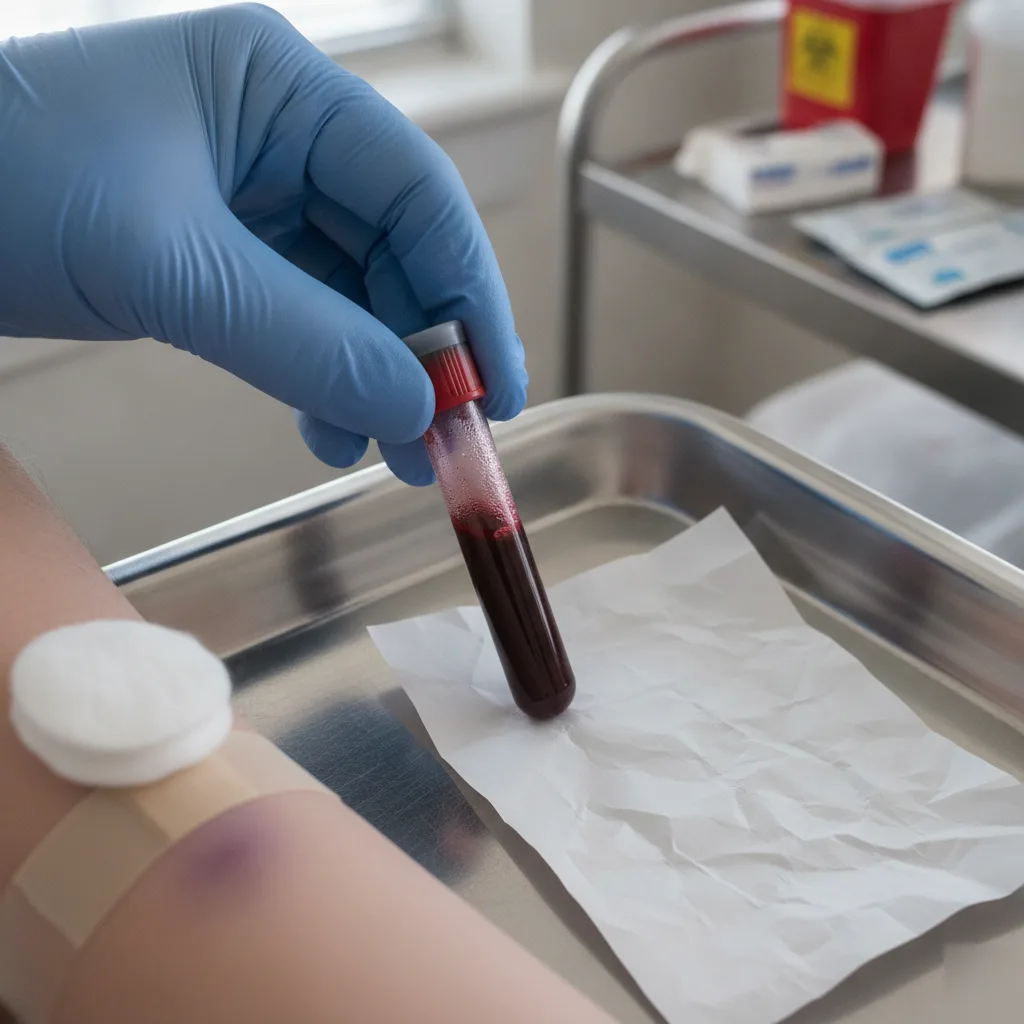
Here’s what most people don’t realize. Your blood doesn’t sit around. It’s usually on a courier the same day. This is the typical path your sample takes after your hormone test:
- We draw your blood in the office. Morning draws work best for testosterone because levels run highest early in the day.
- Your sample gets spun, labeled, and packed for same-day courier pickup.
- The lab runs common markers, often overnight.
- Results post to your chart, usually within one to three business days for standard panels.
- Your physician reviews every number before your follow-up visit.
That last step matters more than speed. A number on a screen doesn’t tell you much by itself.
Fast numbers don’t help if nobody explains them.
What can slow things down? We see the same few culprits over and over. Most of them have nothing to do with you.
- Specialty tests like free testosterone by equilibrium dialysis or reverse T3. These often go to a reference lab out of state and can add several days.
- Weekend and holiday timing. A Friday afternoon draw may not get processed until Monday.
- A sample that needs a redraw because it clotted or broke down in transit.
- Mix-ups with fasting or timing instructions before your hormone test.
One patient from Winter Park came in on the Friday before Memorial Day. She’d been exhausted for months and expected answers by Tuesday. But her panel included a specialty thyroid marker, and the holiday pushed her results to the following Friday. That’s frustrating. We told her up front, though, so the wait didn’t catch her off guard.
And the waiting is the hardest part for a lot of folks. Especially when you’ve been dragging for months and just want –
Answers. We get it.
That’s why our board-certified physician reviews your hormone test results in person or through telehealth for eligible Florida patients. You won’t get a lab printout and a shrug. You’ll get a real conversation about what your numbers mean for your energy, sleep, mood, and weight. Our hormone care and weight loss work together, so your results shape the whole plan.
Want to get your hormone test on the calendar? Morning slots fill fast at our Orlando office. Booking early in the week gives your sample the best shot at a quick turnaround.
Why Some Hormone Tests Take Longer Than Others
Not every hormone test moves at the same speed. A basic thyroid panel might come back in a day or two. A specialty test can take more than a week. The difference usually has little to do with your doctor and a lot to do with the lab.
Here’s the simple version. Common hormone tests run on big automated machines. Those machines process hundreds of samples a day. Rare or extra-precise tests need special equipment, trained staff and more steps. So they take longer.
Why does one number come back fast while another takes a week? These are the most common reasons we see:
- Your test needs a more sensitive method. Low estradiol in men often calls for mass spectrometry, and that’s slower than standard testing.
- Some tests get shipped out. Specialty markers like reverse T3 often go to a national reference lab outside Florida.
- The lab may batch it. Certain tests only run on set days of the week, so your sample waits its turn.
- Multi-day collections can’t start right away. A 24-hour urine test or a four-point saliva cortisol test begins once you’ve finished collecting.
- Weekends and holidays slow things down. Many labs run lighter crews on Saturdays and Sundays.
So if one result posts while another still says pending, don’t panic. Totally normal. Labs release each test as it’s finished, not all at once.
We get this call a lot. A patient from Lake Nona had her blood drawn on a Thursday. Her thyroid and estradiol results posted Friday afternoon. Her reverse T3 didn’t show up until the next Wednesday. She worried something went wrong with her sample, nothing was wrong at all. Reverse T3 just goes to a specialty lab that doesn’t run it every day.
Sometimes a delay does mean the lab needs a redo. A blood sample can break down if it sits too long or gets too warm. Orlando summers don’t help, we’re careful about how samples are handled and shipped for that reason. If a sample can’t be used, the lab flags it. Then you’ll need a new draw.
It’s rare. But it’s frustrating when it happens.
And then there are tests where the clock starts before you even walk in –
Testosterone is a good example. For most people it’s highest in the morning. If your draw happened late in the day, the number may read low. Your doctor might ask you to come back for a morning repeat. That adds a few days, but it’s worth it for an accurate result.
One more step adds time on our end, and it’s on purpose. Our board-certified physician reviews your full results before we sit down with you. We’d rather wait for the whole panel than give you half a picture. Your hormones work as a team. Looking at testosterone without thyroid or estradiol can point you toward the wrong plan.
A short wait for the right answer beats a fast answer that’s only partly right.
Book Your Consultation
Frequently Asked Questions
What shows up on a hormone test?
A hormone test usually shows testosterone, estrogen, thyroid levels, and cortisol, each listed with a number and a reference range. Many panels also add basic blood work, like blood count or cholesterol, so your doctor knows if hormone care is safe for you. The exact markers depend on your age, symptoms, and goals. Our Orlando patients often get testosterone, estradiol, FSH, LH, and thyroid markers checked together from one blood draw.
How long does it take to get testosterone blood work results?
Testosterone results usually come back within one to three business days for standard panels. Big labs run testosterone in large batches, so it moves faster than specialty markers. Morning blood draws give the most accurate numbers, since testosterone runs highest early in the day. If your panel includes free testosterone by a specialty method, it may take a few extra days because it ships to an outside lab.
What blood test takes the longest to get results?
Specialty markers like free testosterone by equilibrium dialysis, reverse T3, and certain cortisol tests usually take the longest. These often travel to a reference lab outside Florida, which can add several days to your wait. Weekend or holiday draws slow things down too. A Friday afternoon sample may not start processing until Monday, so booking early in the week helps your results come back faster.
Is it worth getting estrogen levels checked?
Yes, checking estrogen levels can explain symptoms like mood swings, poor sleep, and weight changes, especially during perimenopause or menopause. Estradiol and progesterone shift a lot during this time, and a number alone doesn’t always tell the full story. A physician needs to read your estrogen results alongside your symptoms, not just the lab printout. That’s how our Orlando office reviews every hormone test before your follow-up visit.
Why do some of my hormone results show up before others?
Your hormone panel is really several separate tests run from one blood draw, and each test moves through the lab at its own speed. Thyroid numbers often post first, while specialty markers like free testosterone can take a few extra days. This is normal and doesn’t mean anything went wrong. If you’re waiting on results and want a physician to walk through what each number means, the hormone testing page covers what to expect next.
Does living in Orlando affect how fast I get my hormone test results?
Yes, timing around Orlando holidays and weekends can slow down your results, since samples drawn on a Friday may not process until Monday. Local patients in areas like Winter Park and College Park sometimes wait longer around holidays like Memorial Day if their panel includes specialty markers. Booking a morning appointment early in the week gives your sample the best chance at a quick turnaround through your local lab courier.
Ready for a Svelte transformation?
Take the first step toward better health and metabolic stability today.
Our team is here to support you.