
Home » How Long Does It Take to Get Lab Results Back in Orlando?
How Long Does It Take to Get Lab Results Back in Orlando?
The Real Answer: It Depends on Two Different Clocks
Lab turnaround isn’t just one clock. It’s two. The first clock runs from your blood draw to the lab processing your sample-usually 1 to 3 days for common tests. The second clock is how fast your provider reviews those results and calls you. That can add another day or two, depending on the clinic. Honestly, this is the part most people overthink.
People always ask, “how long does it take to get lab results back?” They think there’s a single answer. There isn’t. You have two separate processes. Each one moves at its own pace.
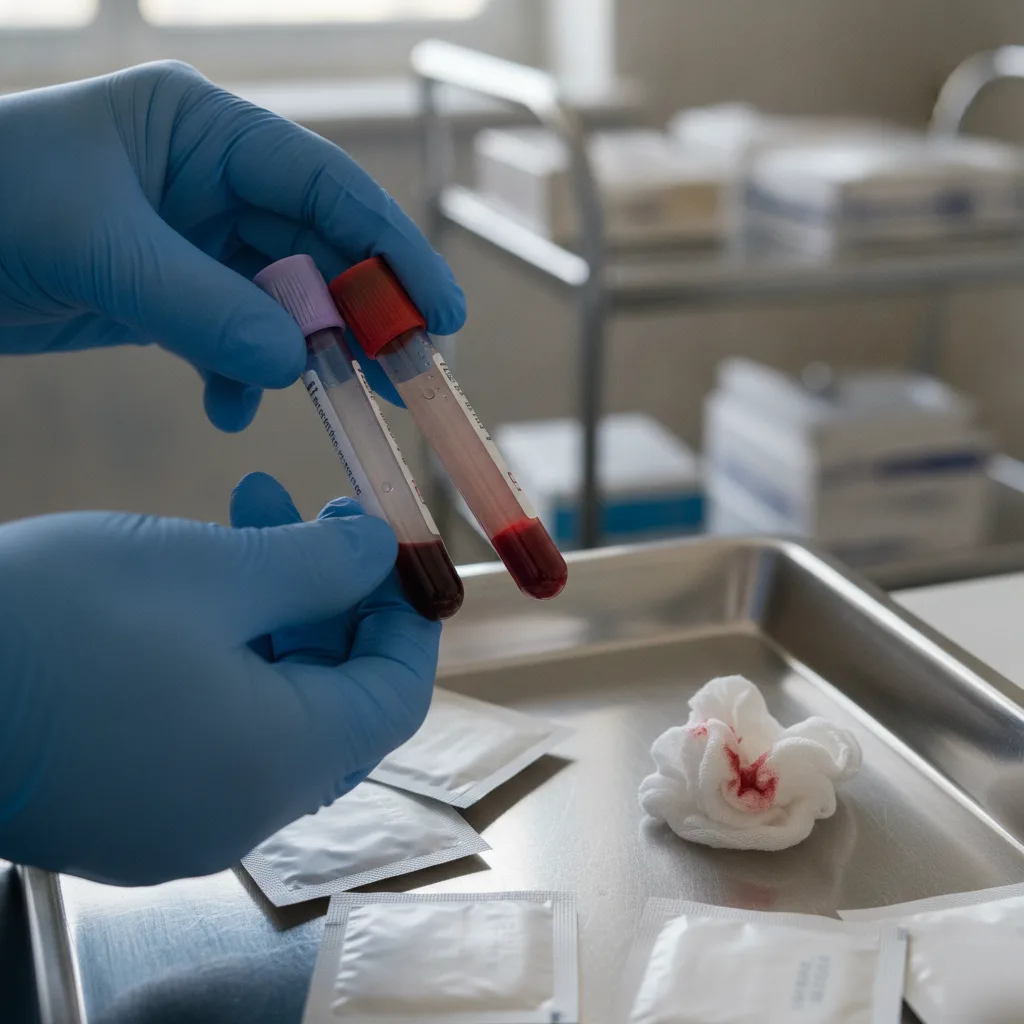
Clock one starts the second the needle leaves your arm. Your blood sample gets labeled, packaged. It then gets sent to a processing lab. Standard metabolic panels, thyroid checks, and lipid panels usually finish within 24 to 72 hours. Some specialty tests take longer. We’ll get to that later.
Clock two is a different beast. This isn’t about the lab. It’s all about your provider’s review process.
- Clock 1: Sample transport and lab processing (usually 1 to 3 business days for common panels)
- Clock 2: Physician review and results notification (varies by practice, often 1 to 2 extra days)
- Rush or STAT tests can shorten Clock 1 to a few hours in emergencies
- Complex or send-out tests can stretch Clock 1 to a week or more
Here’s what we see all the time in our Dr. Phillips anti-aging center. A patient gets an email. It says their labs are “ready” in a portal. Nobody has actually looked at the numbers yet. That’s Clock 1 finishing. Clock 2 hasn’t even started. And that gap confuses people every time.
This really matters for anyone starting a GLP-1 program. We need labs before we can even think about dosing. Insulin levels, kidney function, and metabolic markers guide how we build your treatment plan. You can’t just walk in and get a shot. The physician needs real numbers first.
So when someone asks how fast they can start treatment, the honest answer is this: it depends on which clock is running slow that week.
We’ve had patients get results and a same-week consultation. We’ve also had patients wait longer. Maybe a specialty marker needed a send-out lab. Neither situation is wrong. It’s just how blood work operates.
Understanding both clocks helps you set realistic expectations. It also helps you know when to follow up versus when to just wait it out.

Why Some Lab Results Take Longer Than Others
Not every lab test moves at the same speed. Some results are ready the next day. Others take almost a week. The wait depends on what your doctor is checking. It’s not about how busy the lab is.
A basic metabolic panel or a quick glucose check often processes fast. Sometimes same-day. But a full hormone panel or an insulin resistance workup runs through more complex testing. That just takes longer, and it should.
We see this mistake often: patients assume a slow result means something went wrong. Usually, it just means the test is more detailed.
- Test complexity – a thyroid panel or A1C test needs specialized equipment, while a basic glucose check runs faster
- Lab location – some samples get processed on-site, others go to an outside reference lab across Orlando
- Volume of testing – panels that check insulin, glucose, and metabolic markers together take longer than a single test
- Confirmation testing – abnormal results sometimes get retested to confirm accuracy before your doctor reviews them
- Day of the week – samples drawn on a Friday may not get processed until Monday
Here’s a real scenario. A patient comes in wanting to start a GLP-1 program. We draw labs. We check insulin levels, glucose, and metabolic function first. That’s not a formality. It’s how a board-certified physician decides the right starting dose. It confirms the program is medically appropriate. If we skipped that step just to move faster, we’d be guessing. We’d definitely not be practicing medicine.
So why does insulin testing sometimes take longer than a routine blood draw? Insulin levels need careful lab handling. And metabolic panels measuring how your body processes sugar require more precise analysis than a standard test.
This matters for anyone starting a weight loss program. We build our plans around insulin stability. When insulin runs high, your body stores fat. It stops burning it. Confirming that with accurate labs takes a little more time upfront. But it means your treatment plan is built on real data, not a guess.
Most patients don’t realize this until they ask. A slightly longer wait for a metabolic or hormone panel means the lab is doing more thorough work, not less.
How to Check Whether Your Results Are Ready
You had your blood drawn. Now what? Most patients want to know when to check and who to call. Here’s the process we walk our Dr. Phillips patients through every week.
- Ask at your draw appointment which lab is processing your blood and what turnaround time to expect.
- Check your patient portal first. Most labs post results there before anyone calls you.
- Wait for our team’s call. We review every lab personally before your results reach you.
- If it’s been longer than the quoted window, call us. Don’t just sit and wonder.
- Bring questions to your follow-up visit. We’ll explain what each number means for your plan.
Many patients try to read their own labs online. I get it, waiting is tough. But cholesterol panels, thyroid markers, and metabolic labs need context. A number that looks scary on its own might be normal for your body. That’s why we don’t just hand you a printout and walk away.
We call this the safety net step. It’s where physician oversight matters. Not just as a phrase on a website. It’s a real second set of eyes on your chemistry before you start GLP-1 medication.
Here’s a real scenario. A patient came in last year. She expected a same-day green light for treatment. Her fasting glucose came back a little high. Nothing alarming. But enough that we wanted a repeat test before moving forward. She was frustrated at first. Two weeks later, her numbers stabilized. We started her safely. That short delay protected her, and it’s why we never skip this step.
If your results are taking longer than expected, don’t assume something’s wrong. Labs get backed up. Couriers run late. Machines need recalibration. It happens more than people think.
Most Orlando labs process standard metabolic and hormone panels within 24 to 72 hours. Specialty tests can take longer depending on the reference lab used.
Once your labs clear, that’s when your real work starts. Insulin stability. Nutrition coaching. And if appropriate, medication to quiet the food noise and get you burning fat instead of sugar.
Book Your Consultation
Frequently Asked Questions
How soon can I start a GLP-1 program after my labs come back?
You can often start within the same week your labs come back, but it depends on both testing clocks. Your provider needs your insulin, glucose, and kidney function numbers reviewed before building a safe dosing plan. If everything looks normal, your consultation can happen quickly. If a marker needs a second look, expect a short delay. This isn’t a stall tactic. It’s how a provider makes sure your treatment plan for lab testing in Orlando starts on solid, accurate data.
Why did my portal say results are ready but my doctor hasn’t called yet?
That gap happens because the lab finished processing your sample, but your provider hasn’t reviewed the numbers yet. Those are two separate steps. The portal update only means Clock 1 is done. Clock 2, the physician review, still needs to happen before anyone calls you. This confuses almost every patient the first time. If it’s been longer than a few days past your portal update, it’s fair to call and check in.
Does the day of the week I get my blood drawn affect how fast results come back?
Yes, timing matters more than people expect. Samples drawn Monday through Wednesday usually process fastest, since labs run at full staff. Blood drawn on a Friday may sit until Monday before it even starts processing. If you’re planning around a specific appointment or program start date in Orlando, try scheduling your draw earlier in the week. It won’t guarantee a faster result, but it removes one common delay.
Why do hormone or insulin panels take longer than a basic blood test?
Hormone and insulin panels take longer because they require more careful lab handling than a routine glucose check. These tests measure how your body processes sugar over time, which needs more precise analysis. A slower result usually means the lab is doing thorough work, not that something is wrong. This extra time matters most for anyone considering a metabolic or weight loss program, since accurate insulin data shapes the entire treatment plan.
Is it normal for lab results to get flagged for retesting?
Yes, retesting abnormal results before your doctor reviews them is a normal safety step, not a red flag on its own. Labs sometimes confirm unusual numbers before sending them to your provider. This protects you from a false result driving a treatment decision. It can add a day or two to your wait, but it means your provider is working with confirmed, accurate numbers when planning your care.
What should I do if it’s been over a week and I still haven’t heard back?
Call your provider’s office directly instead of waiting longer. Most common panels finish within 3 to 5 days total, including physician review. A week or more usually means a specialty or send-out test is involved, or something got missed in the queue. Either way, following up gets you an answer faster than guessing. A quick call can also confirm whether your results are simply waiting for review.
Ready for a Svelte transformation?
Take the first step toward better health and metabolic stability today.
Our team is here to support you.