
Home » How Long Does It Take to Get a Low Testosterone Diagnosis After Your First Appointment in Orlando?
How Long Does It Take to Get a Low Testosterone Diagnosis After Your First Appointment in Orlando?
What Happens Between Your First Visit and a Diagnosis
Most men get a confirmed low testosterone diagnosis in about one to four weeks after their first appointment. That window covers two separate morning blood draws, a few days for lab results, and a follow-up visit with your doctor. The second test matters because one low number alone isn’t enough to call it low T.
Here’s the part most people don’t expect. Your first visit usually doesn’t end with a diagnosis. It starts the process. Your doctor needs proof that your levels are low and stay low, and that takes more than one snapshot.
So what’s going on behind the scenes? This is the path we see play out for most patients, step by step.
- First visit: Your doctor asks about your symptoms, sleep, weight, energy, and medications. Expect a short physical exam too.
- First blood draw: This is done early in the morning, usually before 10 a.m., when testosterone is at its daily high.
- Lab results: Most results come back in one to three business days.
- Second blood draw: If the first number is low, you’ll repeat the test on a different morning. This is often scheduled within a week or two.
- Extra labs: Your doctor may also check free testosterone, LH, FSH, prolactin, and a few others. These help explain why your levels are low.
- Follow-up visit: Your doctor reviews everything with you and confirms whether it’s low T. Then you talk about next steps.
The repeat test isn’t red tape. The Endocrine Society recommends confirming low testosterone with at least two separate morning tests before making a diagnosis. Testosterone swings from day to day. A bad night of sleep can drag it down, so can a cold or a stressful week at work.
And that’s exactly why we don’t rush it.
We had a patient from Lake Nona come in worn out and frustrated. His first number looked low. But he’d been working night shifts and sleeping maybe four hours. We rechecked him two weeks later on a normal schedule, his level was still low. That second result gave us real confidence in the diagnosis. It also gave him peace of mind that he wasn’t being treated for a fluke.
What slows things down? Usually small stuff. Missing the morning lab window is the big one. Eating a heavy breakfast before your draw can throw things off too. In Orlando, we also see people push their second test back because of travel, I-4 traffic, or summer schedules with the kids. A week here, a week there –
It adds up fast. Plan your lab mornings ahead of time and you’ll keep the whole thing on track.
Having a board-certified doctor on-site helps here. You’re not waiting on a remote provider to read your labs days later. Your results get reviewed by the same physician who saw you. If you qualify for telehealth in Florida, your follow-up visit can even happen from home. Our Spanish-speaking staff can walk you through each step too. Se habla español.
Honest truth? Most delays we see come from scheduling, not from the medicine.

Why a Second Blood Test Is Usually Required, Not Optional
Your first blood test came back low. So why does your doctor want another one? It’s a fair question. And a common one.
Testosterone isn’t a fixed number, it moves. It peaks in the early morning. Then it drops as the day goes on. It can also swing from one day to the next. One low result might be real. Or it might just reflect a rough day.
That’s why the American Urological Association recommends two separate morning blood tests before a low testosterone diagnosis. Their guideline uses a total testosterone level below 300 ng/dL as the general cutoff. Both blood draws should happen before 10 a.m.
One test is a snapshot. Two tests show a pattern.
We see this all the time. A man comes in tired and foggy, with low energy at the gym. His first test was low, his second one came back normal. What changed? Usually something on test day pulled that first number down. Common culprits include:
- A poor night’s sleep or a recent night shift
- A cold, the flu, or any recent illness
- Heavy stress during the week of the test
- A blood draw in the afternoon instead of the morning
- Certain medicines, like opioids or steroids
None of these mean something’s wrong with you. They just mean one test can’t tell the whole story.
Here in Orlando, we meet a lot of men who work odd hours. Theme park crews. Hospital staff. Restaurant workers who close up at 2 a.m. Picture a night-shift nurse who gets his blood drawn at 9 a.m., right before bed. That timing can give a misleading result. For shift workers, your physician may time the draw to your real wake-up hour instead.
The second test also protects you. Testosterone therapy is usually a long-term commitment. You don’t want to start it based on one shaky number. But you don’t want to miss a real problem either. A confirmed result lets your physician move forward with confidence.
So how much time does this add? Not much. Most second tests happen within one to four weeks of the first. Your doctor may also order other labs at the same visit. These can include LH, prolactin, or a blood count. They help explain why your level is low in the first place.
You can help make that second result as accurate as possible. Here’s what we tell our patients:
- Book your blood draw before 10 a.m. if you work a normal daytime schedule.
- Get at least seven hours of sleep the night before.
- Reschedule if you’re sick. A fever or infection can skew the number.
- Tell your physician about every medicine and supplement you take.
- Keep your normal routine that week. Now isn’t the time for a crash diet or a brand-new workout plan.
Small steps like these keep your result honest.
At our practice, a board-certified physician reviews both results with you in person or through telehealth for eligible Florida patients. You won’t be rushed into treatment. You’ll get a clear answer and a plan that makes sense for your health.
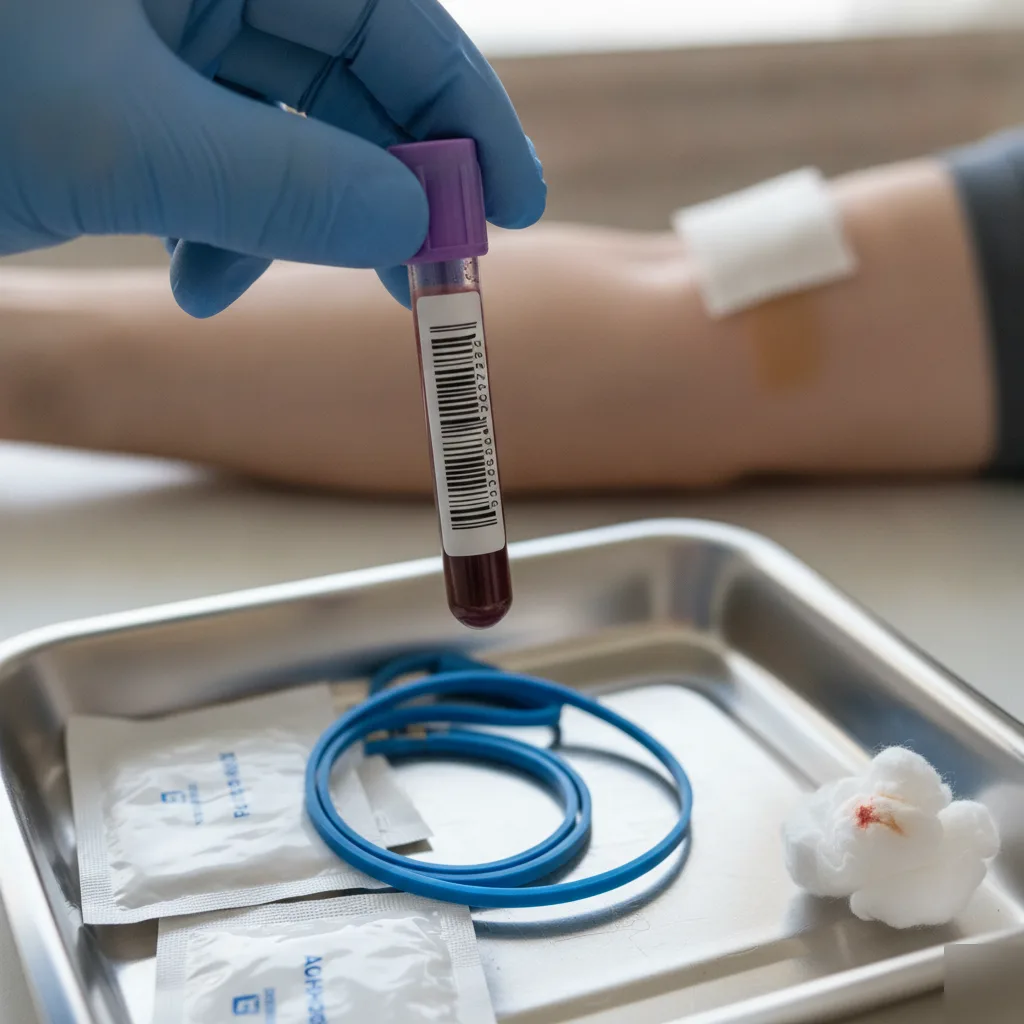
The Real Bottleneck: Scheduling Your Results Review, Not the Lab Itself
Most people don’t expect this. The blood test is fast. The wait usually isn’t.
Most testosterone panels come back from the lab in one to three business days. Your numbers may land in your patient portal before you even think to check. But a number on a screen isn’t a low testosterone diagnosis. A doctor has to read that number next to your symptoms and your health history. Your other lab values matter too.
That review visit is where the calendar slows down.
We see this all the time. Someone gets labs drawn on a Monday and the results are ready by Wednesday. Then they find out the next open follow-up is three or four weeks away. So what’s causing the hold-up? It’s usually one of these:
- The doctor’s schedule is packed, so follow-ups get booked weeks out
- Your blood was drawn in the afternoon and needs to be redone in the morning
- Only total testosterone was checked, and your doctor also wants free testosterone
- Your work hours make a midday visit hard to fit in
- Your results went to a different office and never got passed along
Notice that none of these are about the lab being slow. They’re about timing and coordination.
There’s one delay you shouldn’t skip, though. The Endocrine Society’s clinical guidelines call for two separate early-morning tests to confirm low testosterone. Levels are highest in the morning and drop as the day goes on. So a second draw is normal, it doesn’t mean something went wrong. It adds a few days. That’s all.
A patient from Winter Park came to us after almost six weeks of waiting at another office. His labs had come back in two days. The rest of that time? Just waiting for a slot on the calendar. He’d been tired and foggy the whole time, and he’d started to wonder if anyone was looking at his chart at all –
You don’t have to wait like that. These steps can cut weeks off your timeline:
- Get your blood drawn before 10 a.m. so you don’t have to repeat it for timing.
- Ask which tests are being ordered. Total and free testosterone together save a return trip.
- Book your results review at the same time you book your lab draw.
- Ask if your review can be done by telehealth. It’s often easier to schedule.
- Write down your symptoms before the visit so nothing gets missed.
Step three is the big one. Most of the weeks people lose happen because nobody booked the follow-up ahead of time.
And here in Orlando, getting across town at rush hour can eat up half a morning. That’s one reason we offer telehealth for eligible Florida patients. Your board-certified physician can go over your results from your kitchen table in Lake Nona or your break room downtown. Same doctor. Same careful review.
Our process is built to keep the gap between your lab draw and your answer short. A physician reviews your results, not just a computer flag. And because we look at hormones and weight together, you won’t get bounced to a second office for the next step.
Book Your Consultation
Frequently Asked Questions
How long does it take for a testosterone lab to come back?
Most testosterone lab results come back in one to three business days. Your doctor will call or message you once the numbers are in. If your first result is low, you’ll likely need a second morning blood draw before a diagnosis is confirmed. In Orlando, booking your draw early in the morning helps keep this timeline moving without extra delays.
How can I check my testosterone levels?
You can check your testosterone levels with a simple morning blood test ordered by a doctor. The draw should happen before 10 a.m., since levels are highest early in the day. One test alone isn’t enough for a diagnosis, so expect a second draw on a different morning. A clinic familiar with this process can guide you through both tests and explain what your results mean.
Why don’t some doctors like to test testosterone?
Some doctors hesitate because testosterone levels change daily and one test can be misleading. A single low number might just reflect poor sleep, stress, or illness rather than true low T. That’s why guidelines call for two separate morning tests before diagnosing low testosterone. A doctor who understands this pattern will test carefully instead of rushing to a conclusion based on one draw.
Why do I need two blood tests instead of just one?
You need two tests because testosterone naturally swings from day to day and even hour to hour. One low result could come from a bad night’s sleep, a cold, or stress instead of a real hormone problem. The American Urological Association recommends two separate morning tests before confirming low testosterone. This extra step protects you from starting treatment based on a fluke reading.
Does working odd hours in Orlando affect my test results?
Yes, working odd hours can affect your testosterone results if your blood draw doesn’t match your natural wake time. Many Orlando patients work theme park, hospital, or restaurant shifts that run late into the night. A draw taken right before bed can look artificially low. Telling your doctor about your schedule helps them time your draw correctly and get an accurate picture.
What happens if my two test results don’t match?
If your two test results don’t match, your doctor will likely look at your symptoms, sleep, and health history to figure out what happened. Sometimes a normal second result means the first was thrown off by stress or illness. Other times, a confirmed low result moves you toward a real diagnosis. Reviewing how low testosterone diagnosis works can help you understand what your doctor is watching for before your next visit.
Ready for a Svelte transformation?
Take the first step toward better health and metabolic stability today.
Our team is here to support you.