
Home » How Long Does It Take to Feel Results from TRT in Lake Mary? A Phase-by-Phase Timeline
How Long Does It Take to Feel Results from TRT in Lake Mary? A Phase-by-Phase Timeline
The TRT Results Timeline: Week One Through Month Six
Most men ask us the same question at their first visit: how soon will I feel like myself again? The answer is it happens in stages, not all at once. Testosterone therapy works gradually, and your body needs time to adjust to more stable hormone levels. See how our TRT in Lake Mary helps.
In the first two weeks, you may notice small shifts. You may notice better morning energy and a little less brain fog. Sleep may feel deeper, though this varies among individuals. These early changes come from testosterone injections or pellet therapy. They start correcting low testosterone at the cellular level, not from any placebo effect.
Weeks three through six often bring the changes men seek. Libido often improves. Mood tends to steady out, and some men report clearer focus at work. We see this shift happen almost like clockwork around week four for many of our Central Florida patients.
Month two often brings physical changes. You might notice increased strength, better recovery after workouts, and less midday fatigue. This is also when we recheck your hormone levels. We confirm your dose is working as it should, not just guessing.
By month three, we run a full men’s hormone panel again. Numbers matter, but so does how you feel. Both should be moving in the right direction together.
Months four through six often show the most noticeable results. You may see muscle mass gains, feel more stable energy through the day, and experience better sleep quality. Some men on hormone pellet therapy find this period most consistent. Pellets release testosterone steadily instead of in peaks and valleys. Your timeline may look a little different, and that is normal. Andropause does not reverse overnight. Physician-supervised care and the right adjustments help most men feel real change well before six months.
Injection Therapy Versus Pellet Therapy: Two Different Result Curves
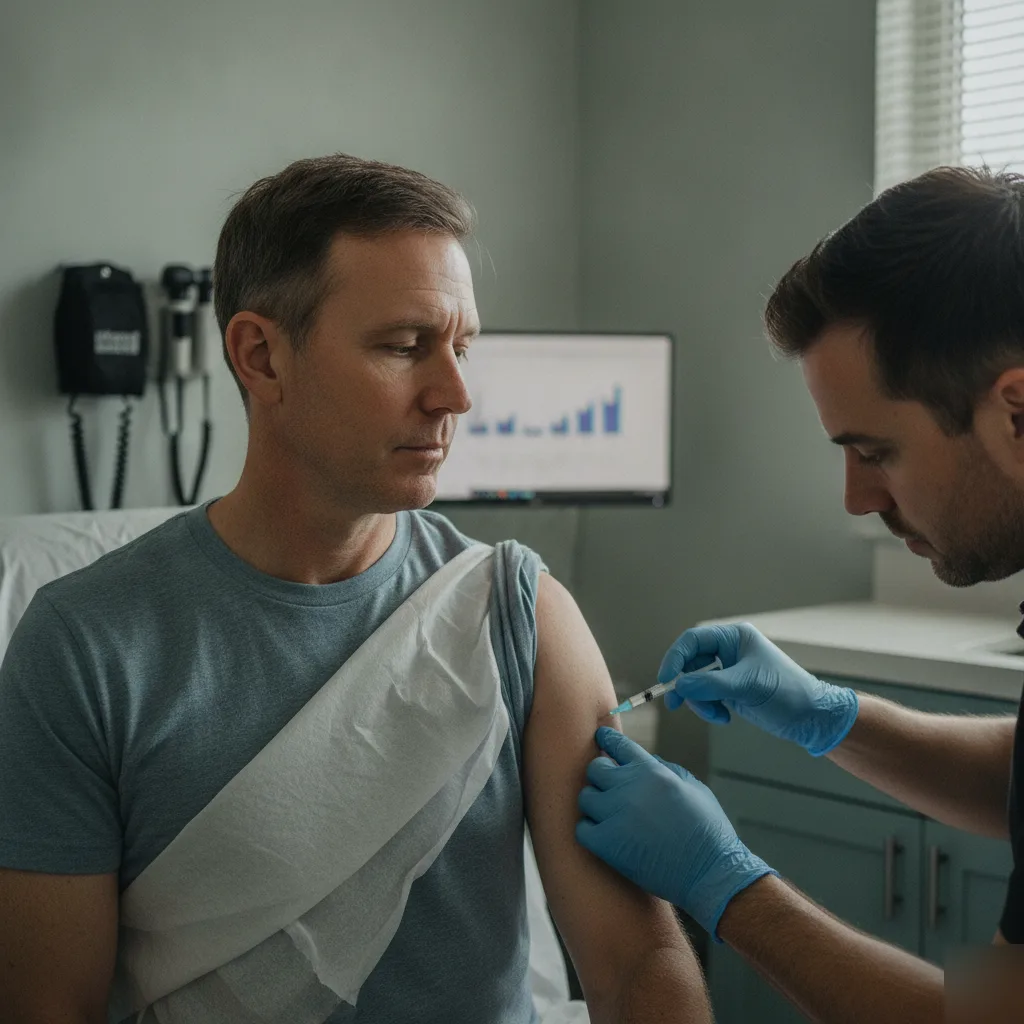
Not every man on TRT feels better on the same timeline. This often depends on the delivery method. Testosterone injections and testosterone pellet therapy work through different mechanisms. The “when will I feel it” answer is not one-size-fits-all.
With testosterone injections, you typically get a dose every one to two weeks. Your blood levels rise fairly fast after the shot, then taper down before the next one. Most men notice the biggest lift in mood and energy in the first three to five days after an injection. Then, levels dip slightly before the next dose. This is not negative; it is simply how injections work. Some patients feel this “wave” pattern for the first month or two. Then, their body settles into a rhythm.
Pellet therapy works differently.
We insert small pellets under the skin, usually in the hip area. They release testosterone slowly over three to four months. There is no peak-and-valley effect here. Most patients describe a slower, steadier climb. It often takes three to six weeks before they notice real change. Once the effect starts, it tends to stay level until the pellets need replacing.
Which method feels better faster? It depends on your body and goals. Some patients like the quicker feedback loop of injections. Others prefer not thinking about their treatment for months at a time. Pellets fit that preference.
Neither method is “faster” in a way that matters long-term. What matters is picking the method that fits your lifestyle. Then, we need enough time and lab data to fine-tune your dose. We walk through both options during your hormone panel review. This means you are not guessing which path makes sense.

Do You Need TRT? Ruling Out Other Causes First
Not every tired, unmotivated man has low testosterone. We tell patients this often.
Fatigue, low libido, brain fog, weight gain around the middle – these symptoms overlap with a dozen other conditions. Poor sleep or thyroid dysfunction can cause similar issues. Depression can look almost identical to low T on the surface. Even a rough stretch of stress or too much alcohol can lower your energy and drive. Your hormones may not be the actual problem. We have seen patients convinced they need testosterone. They turned out to have untreated sleep apnea or a vitamin D deficiency instead.
This is why we do not guess. Before anyone starts treatment, we run a Comprehensive Men’s Hormone Panel through Hormone Level Testing for Men. This checks your actual testosterone levels, not just symptoms you are describing on a phone call. Numbers matter here. A man in his 40s with a borderline reading and mild fatigue might need lifestyle changes first. A prescription may not be the initial step.
So who should skip TRT for now? If your labs come back in a healthy range, treating symptoms with testosterone will not fix the real issue. It may mask something that needs different care. If you are not sleeping seven hours a night, or you are carrying unmanaged stress, those things deserve attention first. If a recent illness or medication change could explain your symptoms, we usually retest in a few weeks. This happens before committing to anything long term.
When labs confirm Low Testosterone Treatment is warranted, patients tend to feel more confident starting therapy. They know it is not a guess, and that confidence matters just as much as the treatment itself.
Why Results Plateau: The Honeymoon Phase and Dose Adjustments
We tell every patient at the start: that first surge of energy at week two or three is not the finish line. We often call it the honeymoon phase. This is a stretch where testosterone levels spike after an injection or pellet insertion, and you feel a strong effect. Then, a few weeks later, things can feel flatter. This is normal. Do not panic.
Testosterone therapy is not a straight line upward. Levels rise, the body adjusts, and your dose may need tweaking based on follow-up bloodwork. This is exactly why hormone level testing does not stop after your first panel. We recheck labs, usually within the first few months. This shows how your body metabolized the treatment, not just how you feel on a given Tuesday.
A plateau can mean a few different things. Sometimes your dose was right at the start but your body cleared it faster than expected. Sometimes estrogen creeps up alongside testosterone. This can blunt the benefits you seek, especially with muscle mass and energy. Sometimes it is simply too early. Your nervous system and metabolism are still catching up to the new baseline.
Patients sometimes call worried that treatment “stopped working” at week six. Their labs often show levels were fine; they just needed a small pellet or injection timing adjustment. This is the value of physician supervision. A plateau is not a failure; it is data. It is a normal part of andropause treatment. This gets solved with a follow-up visit, not a guessing game at home.
How Lab-Confirmed Monitoring Verifies Progress in Lake Mary
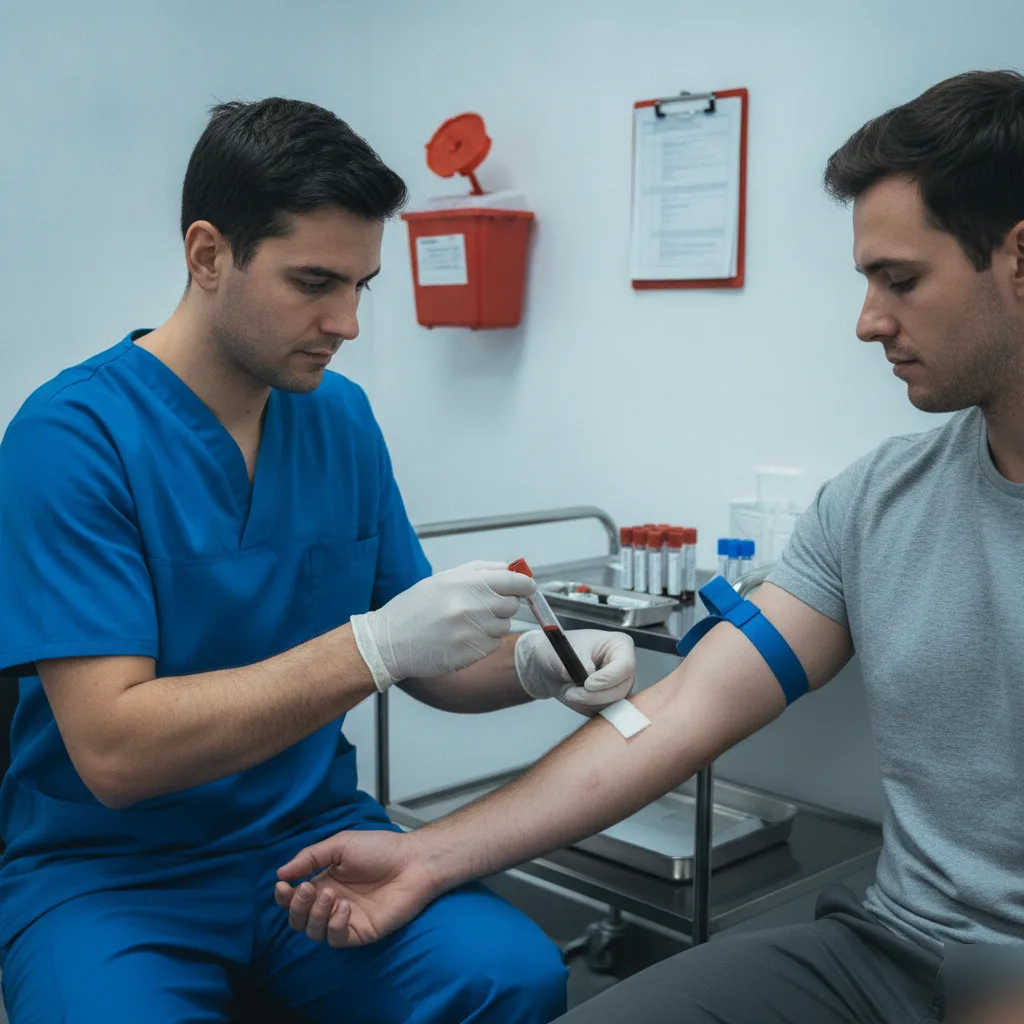
Feeling better is the first sign TRT is working. But feelings alone do not tell the whole story. This is why we do not just ask “how do you feel” and call it done. We pull blood work and compare it against where you started.
Most patients get a baseline hormone panel before starting treatment. Then, they have a follow-up draw around the six to eight-week mark. This is not busywork. Testosterone levels can rise on paper before you notice a difference in energy or mood. Sometimes the opposite happens: you feel great early due to a placebo effect or lifestyle changes. In these cases, labs show your numbers have not moved much yet. Only the blood work tells you which one is real.
A follow-up Comprehensive Men’s Hormone Panel typically checks total and free testosterone, estradiol, and other markers. These markers show how your body uses the hormone, not just how it produces it. For women on hormone therapy, a Comprehensive Women’s Hormone Panel looks at estrogen, progesterone, and testosterone together. These three hormones do not move in isolation. If someone is not feeling the results they expected, the panel often points to a dosing or absorption issue. We can adjust this, as it is not a failure of the treatment itself.
We see patients from Lake Mary who work demanding schedules. They want their follow-up draw done quickly so they can get back to their day. That is part of why we keep the process simple, walk in, get drawn, and go.
Book Your Consultation
Frequently Asked Questions
How soon will I feel results from TRT?
Most men notice small changes within the first two weeks, like better morning energy and less brain fog. The bigger shifts in libido and mood usually show up around weeks three to six. Physical changes like strength gains and better recovery often build through months two to six. Your timeline depends on your starting hormone levels and the delivery method you choose. We track your progress with follow-up hormone panels so we know it’s working, not just guessing.
Do injections or pellets work faster for feeling results?
Injections often give you a noticeable lift in mood and energy within three to five days after each dose. Pellets take longer, usually three to six weeks, but the results tend to feel steadier once they kick in. Injections create a wave pattern that rises then dips before your next dose. Pellets release testosterone slowly over three to four months with no peaks and valleys. Neither is truly faster long-term. The right choice depends on your lifestyle and how you want to track progress.
Why did my energy dip after the first few weeks of TRT?
This is normal and we call it the honeymoon phase. Your first surge of energy after an injection or pellet insertion is not the finish line. A few weeks later, testosterone levels settle and things can feel flatter. This usually means your dose needs a small adjustment based on follow-up bloodwork. We recheck labs at month two and month three for exactly this reason, so nothing gets missed.
What happens at my first hormone testing appointment in Lake Mary?
We start with a Comprehensive Men’s Hormone Panel to check your actual testosterone levels, not just your symptoms. Many Central Florida patients come in assuming they need TRT, but fatigue and brain fog can also come from sleep apnea, thyroid issues, or low vitamin D. Your lab results guide whether TRT makes sense right now or if another issue needs attention first. This step protects you from starting treatment you may not need.
How do I know if my symptoms are really low testosterone?
The only way to know is through a hormone panel, since symptoms alone can be misleading. Fatigue, low libido, and weight gain around the middle overlap with poor sleep, thyroid problems, and even stress or depression. We have had Lake Mary patients convinced they needed testosterone who had untreated sleep apnea instead. If your labs come back healthy, we look at lifestyle factors before considering treatment. This keeps your care based on real numbers, not guesswork.
When will my doctor adjust my TRT dose if I’m not feeling better?
We recheck your full hormone panel at month two and again at month three to see if your dose is working. Numbers and how you feel should both move in the right direction together. If your levels look off or your symptoms haven’t improved, we adjust your dose or delivery method at that visit. Physician-supervised follow-up like this is what helps most men feel real change well before the six-month mark.
Ready for a Svelte transformation?
Take the first step toward better health and metabolic stability today.
Our team is here to support you.