
Home » When Are Symptoms Worth Testing For? A Guide for Orlando Patients on Hormone and Metabolic Health
When Are Symptoms Worth Testing For? A Guide for Orlando Patients on Hormone and Metabolic Health
Why Symptom Severity Isn't the Best Guide
How bad a symptom feels doesn’t tell you how much it matters. Mild, steady symptoms like fatigue, brain fog, or slow weight gain can point to real hormone or metabolic changes. How long a symptom lasts and whether it shows up with others are better guides than how intense it feels.
Most people wait until something really hurts before they call a doctor. That works for a sprained ankle. But it’s a poor rule for hormone and metabolic health.
Here’s why. Many changes that lab work can catch build up slowly. Your body adjusts a little at a time. So the symptom never feels like an emergency, it just starts to feel like your new normal.
We hear this all the time in our Orlando office. “I’m just tired.” “I figured it was my age.” “It’s the heat.” And sometimes that’s true. Central Florida summers wear everyone out. But tiredness that’s still there in October and January is a different story.
Quiet symptoms can still be important ones.
Some of the most common signs we see are easy to brush off. None of them feel dramatic on their own. That’s exactly what makes them easy to ignore.
- Energy that crashes every afternoon, even after a full night of sleep
- Weight creeping up when your eating hasn’t really changed
- Brain fog that makes simple tasks take longer
- A lower sex drive or mood swings you can’t explain
- Sleep that’s broken up or never feels restful
Any one of these can have a simple cause. Two or three together, lasting for months? That’s a pattern worth checking.
Picture a woman in her late 40s from Winter Park. She’s not sick. She works full time and walks most mornings. She eats pretty well. But she’s gained 15 pounds in two years and feels foggy most days. She almost didn’t come in because nothing felt “bad enough.” Her lab work showed hormone shifts that explained a lot of what she’d been feeling. Once she had answers, she had a plan.
Most people don’t realize how much relief comes from simply knowing. We’ve been doing this since 2008, and that part of the story rarely changes.
Severity can fool you in the other direction too. A rough week of stress can feel awful and then pass on its own. Intensity tells you how you feel today. It doesn’t tell you what’s going on underneath –
So what should you watch instead? Time. Frequency. Whether your symptoms start to stack up.
Ask yourself a few honest questions. Has this lasted more than a few weeks? Is it slowly getting worse? Does it show up alongside other changes in your body or mood? If you said yes to any of these, testing can give you real numbers instead of guesses. And real numbers are a much better starting point than “I’ll wait and see.”
You don’t need a crisis to deserve answers. Feeling off for a long time is reason enough.
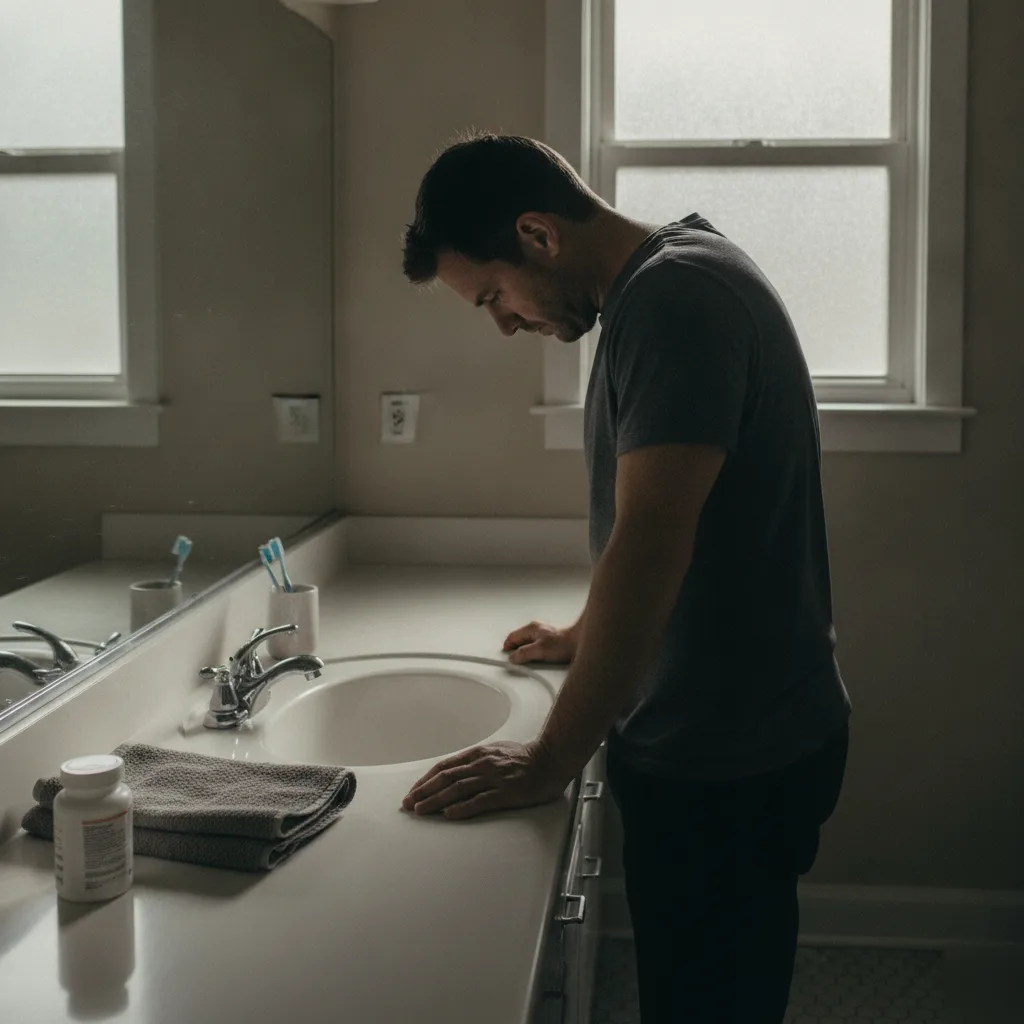
The Real Decision Point: Duration, Recurrence, and Change
Most symptoms come and go. A rough week of sleep can drain anyone. So can a stressful month at work. The real question isn’t whether you feel off today. It’s whether the pattern has stuck around long enough to mean something.
We use three simple filters with patients in our Orlando office. How long has it lasted? Does it keep coming back? And has it changed how you feel compared to your normal? Here’s how to run through them on your own.
- Check the duration. A symptom that lasts more than two to three weeks deserves a closer look. Fatigue that doesn’t lift after good sleep is a classic example.
- Watch for recurrence. Some symptoms fade and then return. Night sweats, mood dips, or bloating that show up again and again form a pattern worth noting.
- Look for change from your baseline. Weight gain without any shift in eating or activity is a big one. So is a drop in energy or sex drive that’s new for you.
- Notice the impact. Ask yourself if it’s getting in the way of work, sleep, or time with family. If it is, that alone is reason enough to get tested.
If two or more of these fit, you’re not overreacting. You’re paying attention.
Change is the filter people skip most often.
We see this all the time. People compare themselves to friends instead of to their own past selves. But normal for your neighbor isn’t normal for you. If you used to wake up rested and now you don’t, that’s a change. You don’t need a dramatic symptom to justify a test, a slow drift counts.
Here’s a story we hear in some form almost every week. A woman in her mid-40s from Winter Park came to us after six months of feeling foggy and worn out. She’d blamed the summer heat. Then her clothes stopped fitting, even though nothing about her routine had changed. Her lab work showed shifts in her hormone levels that helped explain both. Once we knew what was going on, we could build a plan around her actual body. Not guesses.
Our Orlando summers make this tricky. Heat and humidity can sap your energy for weeks at a time. Travel and busy seasons do the same. That’s why our providers look at the timeline, not just the symptom itself.
So how do you track a timeline without overthinking it? Keep a simple symptom log for two weeks. Each day, jot down your sleep, energy, mood, and anything unusual. It takes about a minute. And it turns a vague feeling into something a doctor can work with.
One important caution. Sudden chest pain, trouble breathing, fainting, or new confusion aren’t a wait-and-see situation. Call 911 or go to the nearest emergency room right away.
For everything else, the three filters give you a calm way to decide. Not every symptom needs a lab test. Just the ones that stick, return, or don’t feel like you.

Three Common Scenarios and What They Usually Mean
Symptoms rarely show up alone. They tend to travel in groups. And those groups often tell a story before any lab work comes back. Here are three patterns we see in our Orlando office almost every week.
Scenario one: you’re tired and gaining weight, but nothing changed. Picture a 38-year-old mom in Winter Park. She eats the same meals she always has. She still walks the dog every morning. But the scale keeps creeping up, and she’s exhausted by 2 p.m.
This pattern often points to a few things. An underactive thyroid is common. Poor sleep can play a part too. Simple blood work. Big answers.
Scenario two: hot flashes, broken sleep, and mood swings in your 40s. Living in Orlando makes this one tricky. It’s hot here most of the year, lots of women blame the weather for night sweats. Then the sleep problems start. Then the irritability. Then the belly weight that won’t budge.
That cluster often means perimenopause. Your hormones start shifting years before your periods stop. We hear “I thought I was just stressed” all the time. Testing can look at estrogen, progesterone, FSH, and thyroid levels. Your doctor will also ask about your cycle. Lab numbers and your story matter together.
From our office: Women often wait years to bring up these symptoms. They worry it’ll sound like complaining. It won’t. These changes are medical, and they deserve a real conversation with a doctor.
Scenario three: low drive, lost muscle, and brain fog for men. Think of a 47-year-old guy from Lake Nona. He used to love weekend workouts. Now he can’t recover. His interest in sex has dropped. He forgets why he walked into the kitchen. And his waistline keeps growing even though he’s trying.
This often suggests low testosterone. But it’s not the only cause. Signs that make testing worth it include:
- Less interest in sex than you used to have
- Muscle that’s harder to build or keep
- Fatigue that sleep doesn’t fix
- Trouble focusing or feeling foggy
- Weight gain that settles around the middle
Testosterone is best checked with an early morning blood draw. Levels are highest then. A doctor may also check thyroid, blood sugar, and other markers. Sleep apnea can mimic low testosterone too, so a good physician looks at the whole picture –
So what do these three stories share?
None of these people were imagining things. Each one had a real, testable reason behind how they felt. Most had been told to eat less and move more. That advice didn’t help, because the problem wasn’t willpower. Hormones and metabolism were working against them.
We’ve been doing this since 2008. The most common thing patients say after their results? “I wish I’d come in sooner.”
Book Your Consultation
Frequently Asked Questions
How do I know if my symptoms have lasted long enough to get tested?
A good rule is two to three weeks. If fatigue, brain fog, or weight changes stick around that long, it’s worth checking. Short rough patches, like one bad week of sleep, usually pass on their own. What matters more is whether the symptom keeps showing up or is slowly getting worse. If you’re unsure, start a simple two-week symptom log. That pattern is exactly what our Orlando office looks at before recommending any testing.
What’s the difference between a symptom that needs testing and one that will pass on its own?
The difference is pattern, not pain level. Symptoms that pass on their own are usually tied to one event, like a stressful week or poor sleep, and fade within days. Symptoms worth testing tend to stack, repeat, or shift your normal baseline, like ongoing fatigue plus weight gain plus brain fog. If two or more of these show up together for weeks, that’s a signal to get real numbers instead of guessing.
Does Orlando’s heat make it harder to tell if symptoms are serious?
Yes, Central Florida summers can mask real symptoms. Heat and humidity drain energy for weeks, so fatigue gets blamed on weather instead of hormones. The key is checking if tiredness continues into cooler months like October or January. If it does, the heat probably isn’t the main cause. That’s a pattern our Orlando providers watch for before suggesting lab work.
Is it a mistake to wait until symptoms feel severe before getting checked?
Yes, this is one of the most common mistakes we see. Many hormone and metabolic changes build up slowly, so they never feel like an emergency, they just start to feel normal. Waiting for a crisis means missing early signs that lab work could have caught sooner. Feeling off for a long stretch of time is reason enough to ask questions, even if nothing feels dramatic yet.
What symptoms should send me straight to the ER instead of waiting for testing?
Sudden chest pain, trouble breathing, fainting, or new confusion need emergency care right away. These aren’t wait-and-see symptoms, so call 911 or go to the nearest emergency room. For everything else, like ongoing fatigue, brain fog, or slow weight gain, the better path is tracking the pattern over a couple weeks. That’s the kind of symptom our guide to when symptoms are worth testing for walks through in more detail.
How can I tell if my tiredness is just normal life stress or something more?
Compare it to your own past self, not to other people. If you used to wake up rested and now you don’t, that change matters more than how tired you feel today. Normal life stress usually fades within a week or two. If exhaustion sticks around for months, especially alongside weight changes or mood swings, it’s a pattern worth checking rather than brushing off as just a busy season.
Ready for a Svelte transformation?
Take the first step toward better health and metabolic stability today.
Our team is here to support you.