
Home » Dr Phillips » Women’s Health Clinic — Dr. Phillips » Menopause Hormone Therapy in Orlando | Svelte Medical Weight Loss – DR Phillips
Menopause Hormone Therapy in Orlando | Svelte Medical Weight Loss - DR Phillips
Comparing Hormone Delivery Methods for Menopause
Not every woman responds to hormones in the same way. This is something we see every week in Orlando. Two patients with nearly identical lab results can have very different experiences based on how their hormones are delivered. The delivery method matters just as much as the medication.
Here are the most common delivery options we offer:
- Topical creams and gels are applied daily to the skin. They absorb slowly and are easy to adjust in small increments.
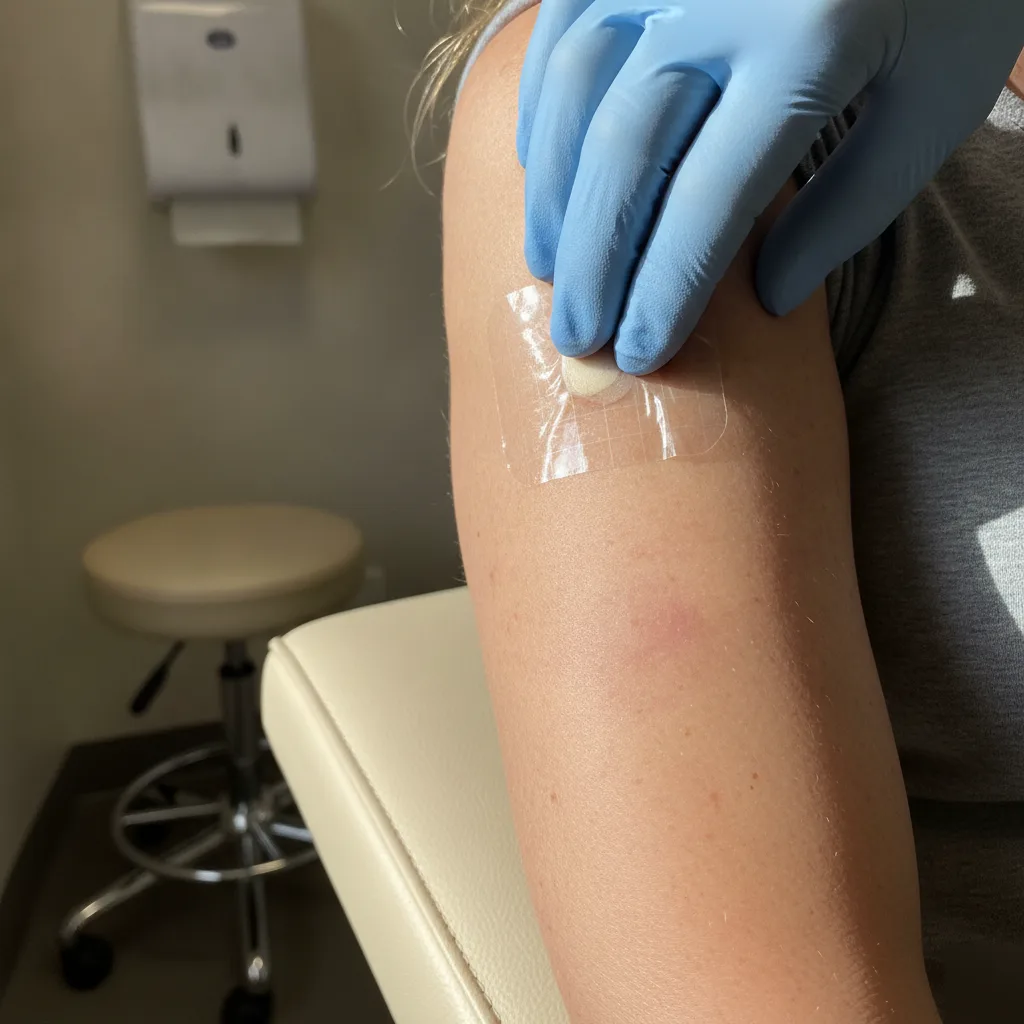
- Transdermal patches are worn on the lower abdomen or hip. They are changed once or twice a week and provide a steady hormone release.
- Pellet therapy involves tiny pellets placed under the skin every three to four months. This offers consistent levels without daily effort.
- Oral tablets are taken by mouth and are widely available. However, they pass through the liver first.
Each method has trade-offs. Oral estrogen, for example, can raise clotting risk slightly more than options absorbed through the skin, which is one of several safety considerations covered in this overview of hormone replacement therapy for menopause. The North American Menopause Society often prefers transdermal estrogen for women with certain cardiovascular risk factors. This is the kind of detail a board-certified physician evaluates before you begin any treatment.
We do not recommend only one method for everyone.
Your lab results, symptoms, daily routine, and medical history all shape our recommendation. For example, a woman in the College Park area who travels frequently for work might benefit more from pellets than a cream she has to apply every morning. Someone else might prefer the flexibility of a patch that can be adjusted with her doctor monthly. Some women also do well combining methods, such as a patch for systemic relief combined with a low-dose vaginal estrogen for localized symptoms.
Are you wondering which option fits your life? We determine this during your first visit. We review your bloodwork, discuss your daily habits, and create a plan tailored to you. There is no guesswork. Women looking for menopause hormone therapy near Windermere visit our women’s health clinic in Dr. Phillips for exactly that reason. Menopause hormone therapy works when the delivery method matches the patient, not the other way around.
Getting Ready for Your First Hormone Therapy Consultation
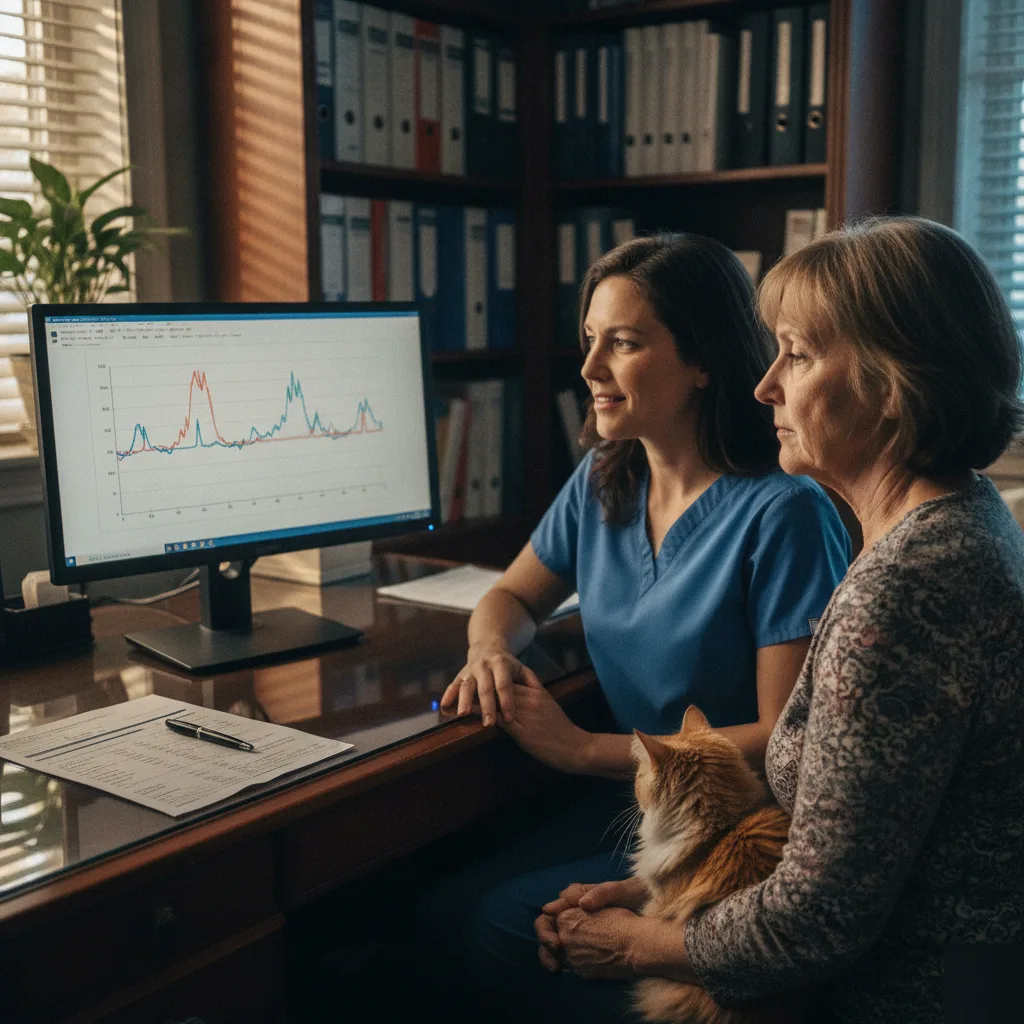
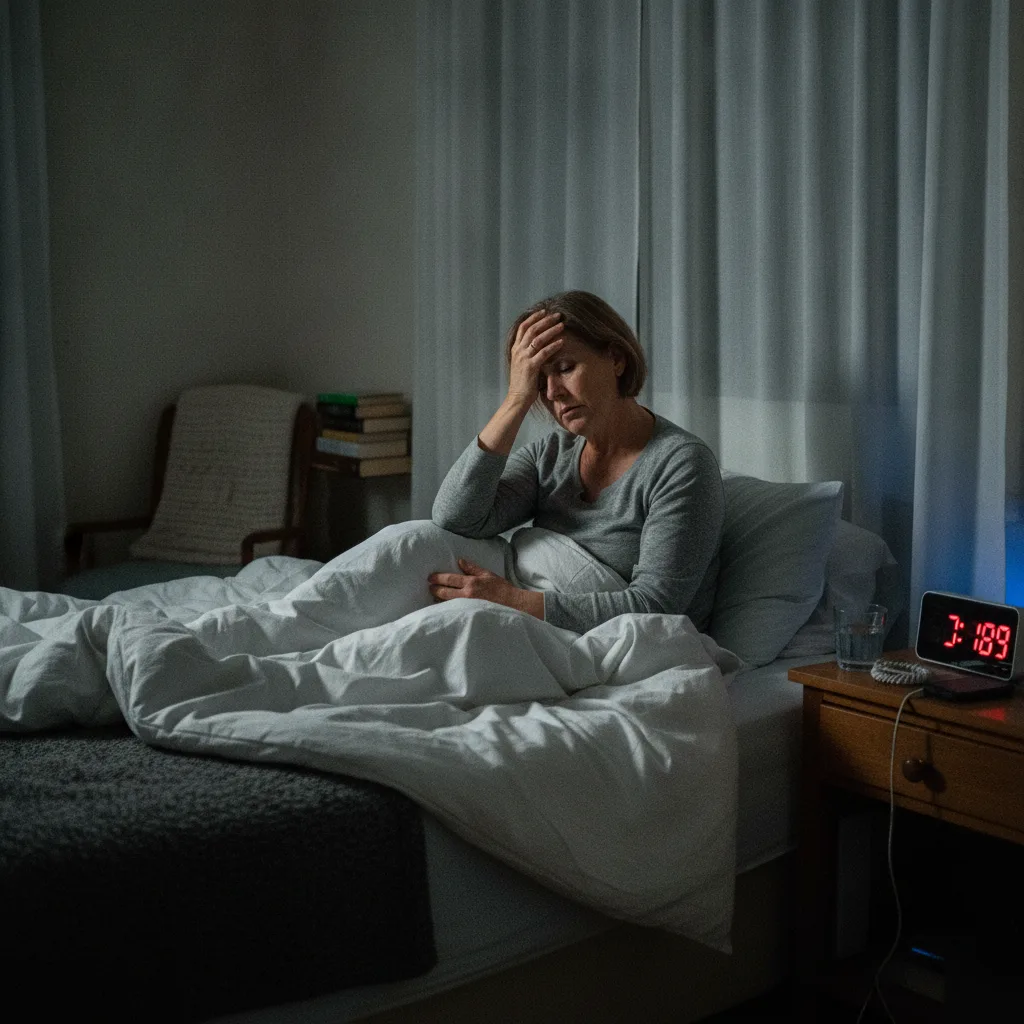
Most women who walk through our doors in Orlando have already spent months, sometimes years, wondering if what they are feeling is “normal.” They experience hot flashes at 2 a.m., brain fog during a work meeting, or weight that does not budge no matter what they try. By the time you book that first menopause hormone therapy consultation, you have already done the hard part: you decided to stop guessing.
Before your visit, please provide the following:
- Write down your symptoms. Include all of them, even those that seem unrelated. This can include fatigue, joint pain, low mood, sleep trouble, or changes in your cycle. We often connect dots you might not expect.
- Gather your medical history. Bring a list of current medications, past surgeries, and any family history of blood clots, breast cancer, or heart disease. This information influences all decisions regarding your treatment.
- Plan to get bloodwork done. Labs are required before starting any hormone protocol. This includes estradiol, progesterone, a thyroid panel, and fasting insulin. These numbers reveal what is happening inside your body, beyond just surface-level feelings.
- Come with questions. There are no silly questions. You might ask, “Will I gain weight?” “Is this safe long-term?” or “What if my last doctor said no?” We hear these every week.
Do not worry about having all the answers yourself; that is our job. A board-certified physician reviews your labs, your history, and your goals before recommending any treatment. We have been doing this in Central Florida for over 18 years, so what to look for.
One thing we tell patients near the College Park area and across Orlando is this: your consultation is not a commitment; it is a conversation. We sit with you, listen to your concerns, and explain what the labs reveal. You then decide on the next steps.
Some women come in thinking they just need help sleeping, only for us to discover their progesterone is barely detectable. Others assume they need estrogen, but their primary issue is insulin instability driving weight gain and fatigue. The consultation clarifies all of these factors. We avoid guesswork and cookie-cutter plans.
You do have to show up. That is the one thing we cannot do for you.
What Happens During Your Menopause Hormone Therapy Visit in Orlando
Most women tell us the same thing: they put off calling because they did not know what to expect. Here is what happens during a visit.
Your first menopause hormone therapy visit begins with lab work. We do not guess; we test. A board-certified physician reviews your bloodwork to check estrogen, progesterone, testosterone, thyroid markers, and insulin levels. This full picture matters because symptoms like fatigue, weight gain, and brain fog can overlap with other conditions. We need to rule out other issues before we proceed.
A typical first visit includes:
- You sit down with our physician for a one-on-one consultation. We make sure there are no rushed appointments and no PA standing in for the doctor.
- We review your lab results together and explain what each number means for your body at this time.
- You describe your symptoms in your own words, including hot flashes, sleep problems, mood swings, or low energy. All these details are important.
- The physician builds a treatment plan based on your specific hormone levels and health history.
- You leave with clear next steps and a follow-up schedule.
We see this every week. A woman comes in from the College Park area or near Lake Nona, having dealt with these symptoms for two years. She often thought it was just stress, only for us to find her estrogen levels had dropped and nobody had checked them.
Follow-up visits in Orlando are shorter but equally important. We recheck your levels at regular intervals. Hormones shift, your body responds, and we adjust treatment accordingly. This ensures you get real results, rather than a one-size-fits-all approach that fades after a few months.
Many people do not always realize that insulin stability plays a significant role during menopause. When your hormones are imbalanced, your metabolism often shifts into sugar-burning mode. This drives rebound hunger and stubborn weight gain. We look at the whole picture, not just one hormone in isolation.
Nothing about this process is rushed. You will have time to ask questions; the physician is present to guide you, and every decision is backed by your lab data.
Monitoring and Adjusting Your Treatment Over Time
Starting menopause hormone therapy is not a “set it and forget it” situation. Your body changes, and your hormone levels shift. What works at month two might require adjustment by month six. This is why we build follow-up into every treatment plan from the start.
Ongoing monitoring in our Orlando office includes:
- We schedule lab work at regular intervals to check your estradiol, progesterone, thyroid markers, and a complete metabolic panel.
- You meet with our physician to review symptoms, sleep quality, mood, and energy levels.
- We compare your current labs against your baseline numbers from your initial visit.
- Dosage adjustments are based on data, not guesswork.
- We document your progress so you can visualize your changes over time.
Most patients notice noticeable changes within the first few weeks. Hot flashes ease up, and sleep often gets deeper. Sometimes, however, a symptom lingers or a new one appears. This does not mean the treatment is not working; it means your body is providing useful information.
We see this every week. A patient near the College Park area came back at her eight-week check and said the night sweats were gone, but her mood still felt subdued. One small adjustment to her protocol made a significant difference within ten days. This is the value of physician-led care, with a board-certified MD reviewing every result.
Hormone therapy is not static because menopause itself is not static. Your ovaries do not stop producing hormones abruptly. The decline happens in waves. Your treatment must adapt with you.
We also monitor metabolic markers. Insulin stability plays a significant role in how you feel during this time. When insulin stays low and steady, your body burns fat instead of storing it. This means the fatigue, brain fog, and stubborn weight around your midsection can all improve when we manage the full picture.
Not sure if your current treatment is still the right fit? That is common. Give us a call, and we will re-evaluate your labs.

Book Your Consultation
Frequently Asked Questions
How do I know if I need menopause hormone therapy?
You likely need hormone therapy if you have hot flashes, brain fog, weight gain, or mood swings that feel out of character. Many women in Orlando push through these symptoms for years, thinking it’s just stress or aging. Real lab work is the only way to know for sure. We check estradiol, progesterone, thyroid, and insulin levels before recommending anything. If your numbers show a drop in estrogen or progesterone, that explains what your body has been telling you.
Which hormone delivery method is best for me?
The best delivery method depends on your lifestyle, labs, and medical history, not a one-size-fits-all answer. A woman in College Park who travels often may do better with pellet therapy than a daily cream. Someone else may prefer a patch she can adjust monthly with her doctor. Oral tablets pass through the liver first, which can raise clotting risk slightly more than options absorbed through the skin. We match the method to you during your first visit, based on your bloodwork and daily routine.
What should I bring to my first hormone therapy consultation in Orlando?
Bring a written list of your symptoms, your current medications, and any family history of blood clots or cancer. This helps your provider connect symptoms you may not think are related, like joint aches and sleep trouble. You will also need bloodwork done before starting any protocol, so plan for that step early. Come with your questions too. Whether you’re asking about long-term safety or a past doctor’s advice, we hear these questions every week and there are no silly ones.
How soon will I feel better after starting hormone therapy?
Many women notice better sleep and fewer hot flashes within the first few weeks, though full results depend on your delivery method. Pellet therapy releases hormones steadily over three to four months, so adjustments happen less often. Patches and creams can be tweaked monthly, which means faster fine-tuning if something feels off. Your board-certified physician reviews your progress at follow-up visits and adjusts your plan based on how you’re responding, not just on paper.
Is hormone therapy safe, and does the delivery method affect that?
Yes, hormone therapy is safe for most women when the delivery method is matched to your health history. Oral estrogen carries a slightly higher clotting risk because it passes through the liver first. That’s why transdermal options like patches or creams are often preferred for women with cardiovascular risk factors. Your physician reviews your full medical history, including any family history of blood clots, before choosing a method. This step happens before you ever start treatment, not after.
Do you offer menopause hormone therapy near Lake Nona or Dr. Phillips?
Yes, we see women from Lake Nona, College Park, and Dr. Phillips regularly for menopause hormone therapy. Many tell us they waited years before seeking help because they assumed their symptoms were just stress or aging. Our women’s health clinic in Dr. Phillips offers full lab work and personalized treatment plans close to home. You don’t need to drive across Orlando for quality care. We start every plan with real bloodwork, not guesswork, no matter where in the area you live.