
Home » Can Orlando’s Heat and Traffic Affect My Hormone Test Results?
Can Orlando's Heat and Traffic Affect My Hormone Test Results?
Your Hormone Test Is a Snapshot, Not a Fixed Number
Yes, Orlando’s heat and traffic can affect your hormone test results. Not in the way most people assume, though. Your hormone levels shift by the hour based on stress, sleep, hydration, and body temperature. A rough commute or a sweaty afternoon can nudge your numbers. Your test isn’t broken. Timing and conditions matter.
A hormone test only captures one moment. Think of it like a photo, not a video. Your cortisol, testosterone, and thyroid numbers move all day long, and they respond fast to stress and heat. So if you just spent 40 minutes crawling down I-4 in July heat, your body is already reacting before you even sit in the chair.
We see this mistake often. A patient comes in stressed from traffic on the way to our office, sweating from the heat outside, and their cortisol reads high. They panic, thinking something is seriously wrong. That number often reflects the last hour of their day, not their overall hormone health.
Here’s what happens inside your body. Heat and stress trigger your adrenal glands to release more cortisol. Cortisol then interferes with other hormones like testosterone and thyroid hormone, sometimes lowering them temporarily. It’s a chain reaction. Orlando summers, combined with daily traffic, give your body plenty of chances to set it off.
- Sitting in Orlando traffic raises stress hormones like cortisol and adrenaline before your appointment even starts
- High heat and humidity can dehydrate you, which concentrates or dilutes certain hormone markers in blood tests
- Poor sleep from late nights or early commutes lowers testosterone and growth hormone levels temporarily
- Skipping meals because you’re rushing to beat traffic can shift blood sugar and insulin readings
- Physical exertion, like walking from a hot parking garage, briefly spikes certain stress hormones
None of this makes your results useless. It means one test on one hot, stressful day tells a smaller story than a test taken under calm, steady conditions. That’s exactly why timing and prep matter so much, and why our approach to hormone level testing for men in East Orlando builds those conditions into the process.
So what should you take from this? Don’t panic over one odd number. And don’t assume a rough morning erased months of progress.

How Dehydration Can Skew What a Blood Test Shows
Dehydration changes your blood before it ever reaches the lab tube. When you lose fluid through sweat, your blood plasma shrinks but the hormones and proteins floating in it stay the same amount. Everything gets more concentrated. We see this a lot with patients who drive in from Lake Nona or Winter Park during rush hour, especially in July and August.
This concentration effect is called hemoconcentration. It can make testosterone, cortisol, and even thyroid markers look higher than they really are. It works the other way too. Overhydrate right before your draw, and some values can look artificially diluted. Neither picture is your true baseline.
Take a patient who sits in stop-and-go traffic on I-4 for 45 minutes, windows up, AC barely keeping up with the Orlando sun. He walks into the lab thirsty, a little flushed, hasn’t had water in hours. His cortisol reads high that day. Is it stress from the drive, or dehydration? Often, it’s both working together.
- Dark yellow urine instead of pale straw color
- Dry mouth or unusual thirst right before your appointment
- Mild headache or lightheadedness after sitting in heat
- Feeling more tired than usual with no clear reason
- Skin that doesn’t bounce back quickly when pinched
Notice a couple of these signs before a blood draw? Your results that day might not tell the full story.
Here’s what we tell patients who book with us. Drink water steadily the day before your test, not just a big glass right beforehand. Skip the heavy coffee and alcohol the night before, since both pull fluid out of your system. Schedule your draw earlier in the day, before the Orlando heat sets in and before you’re stuck in afternoon traffic. Small steps. They matter more than people think.
Most people don’t realize this until it’s too late. They get a confusing result and start second-guessing their whole treatment plan. That’s why we always ask about your morning before we read your numbers. Traffic delays, missed water bottles, a rushed commute across town – these details change how we interpret your labs.
If your hormone numbers have been jumping around test to test, it’s worth talking through your testing conditions with a doctor who looks at the whole picture. You can learn more about how we approach accurate testing on our main service page, where we walk through what a proper hormone panel involves for men in the Orlando area.
One dehydrated draw shouldn’t define your treatment plan.
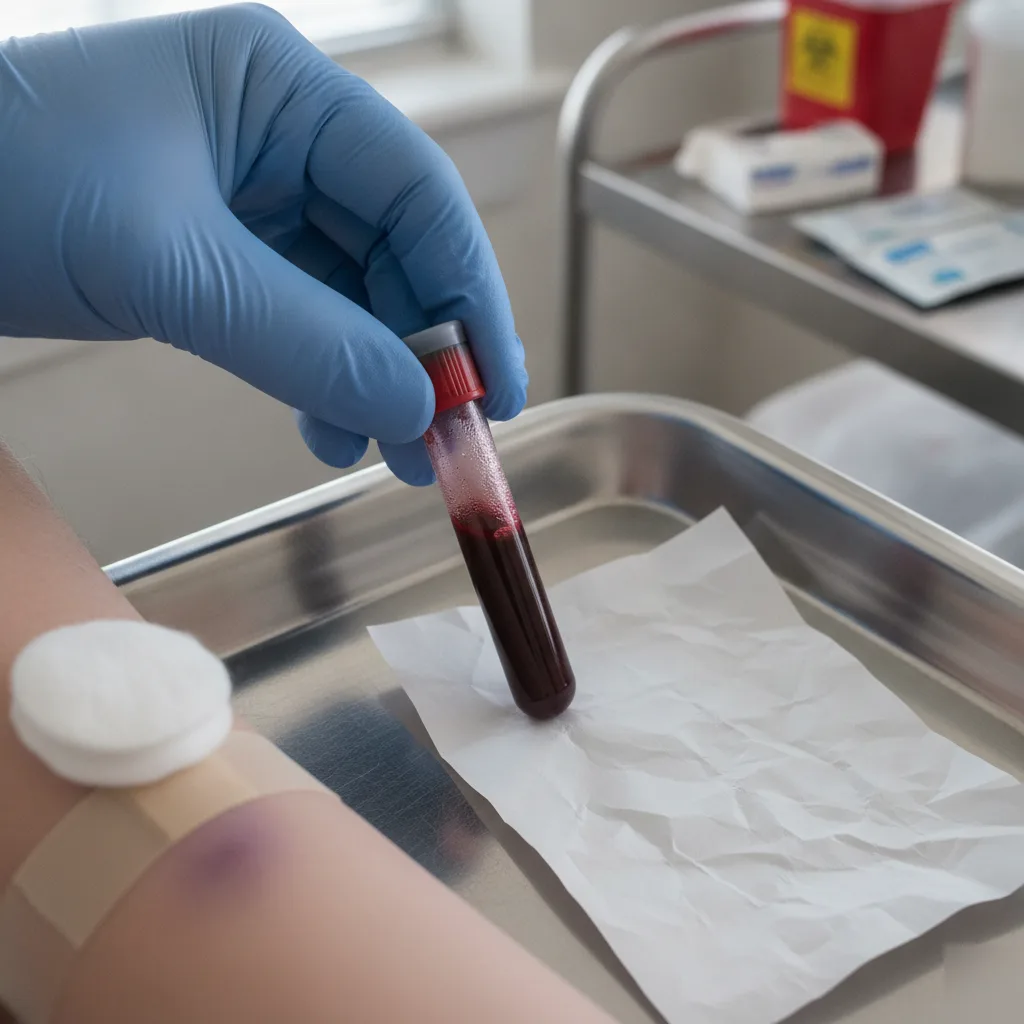
Why a Stressful Commute Can Raise Cortisol Before a Draw
Your body doesn’t know the difference between a real threat and a bad merge on I-4. Both trigger the same stress response. Your brain sends a signal to your adrenal glands, and cortisol floods your bloodstream. This happens fast, usually within minutes. So if you just spent 25 minutes white-knuckling through traffic on the 408 before your blood draw, your cortisol may be higher than your normal baseline.
Cortisol is supposed to follow a daily rhythm. It’s highest in the morning and drops through the day. Acute stress can override that rhythm, spiking cortisol at the wrong time. And when cortisol runs high, it can suppress or shift other hormones tied to it, like testosterone and thyroid markers. That’s the tricky part. A stressful commute doesn’t just raise one number – it can ripple into the whole panel.
We see this a lot with patients driving in from areas like Lake Nona or Winter Garden during rush hour. They walk in flustered, maybe a little sweaty from the heat, heart still racing from a near miss on Colonial Drive. Their blood pressure is up too, which we always note. It’s not much of a mystery why their cortisol reading looks off compared to a home reading months earlier.
A few common commute stressors we hear about before appointments:
- Sitting in stop-and-go traffic on I-4 or the 408 right before an appointment
- Running late because of an accident or road construction
- Circling for parking near downtown Orlando medical offices
- Rushing from work without a break, still mentally in meeting mode
- Feeling anxious about the test itself, on top of the drive
None of this makes your results useless. Context matters, though. A one-time stressful commute probably won’t undo months of hormone therapy or mask a real deficiency. Still, if your numbers look surprising, ask yourself: was today a calm morning, or was it chaos behind the wheel?
This is exactly why timing and calm matter so much for accurate testing.
The fix isn’t complicated. Give yourself extra buffer time before your appointment, especially during Orlando’s peak traffic windows. Arrive ten or fifteen minutes early instead of racing in right at your slot. Take a few slow breaths in the parking lot before you walk inside. Small steps – but they help your body settle back toward baseline before the needle goes in.
Book Your Consultation
Frequently Asked Questions
How should I prepare for a hormone test in Orlando?
Prepare by drinking water steadily the day before your test, not just before you leave. Skip coffee and alcohol the night before your draw. Try to schedule your appointment early, before Orlando’s heat builds and traffic gets heavy. Get good sleep too, since tired bodies release less testosterone. These small steps help your blood draw reflect your real hormone levels, not just a rough morning.
Does one high cortisol reading mean something is seriously wrong?
No, one high reading usually does not mean something is wrong. Cortisol jumps fast when you’re stressed, and a bad commute on I-4 can spike it in minutes. Many patients panic over a single number that reflects their last hour, not their overall health. A pattern across several tests tells a clearer story than one snapshot taken on a hot, stressful day.
Does Orlando’s climate make hormone testing harder than in cooler cities?
Yes, Orlando’s heat and humidity can make testing trickier than in cooler areas. Sweating fast in Florida summers pulls fluid from your blood, which concentrates hormones like cortisol and testosterone. Add daily traffic on roads like the 408 or Colonial Drive, and your body has more chances to react before your draw. This is why timing your test matters more here than in milder climates.
What is the best time of day to get a hormone test done?
The best time is usually early morning, before Orlando traffic and heat build up. Cortisol naturally runs highest in the morning, so testing then gives a more predictable baseline. Waiting until afternoon adds stress from commutes and rising outdoor temperatures. Early appointments also mean less time stuck in a hot car or parking garage right before your blood draw.
How do I know if my hormone results are accurate or affected by stress?
You’ll know your results might be skewed if you had a rough commute, felt dehydrated, or skipped sleep before your draw. Signs like dark urine, dry mouth, or feeling flushed all point to conditions that can shift your numbers. If your levels bounce around test to test, it’s worth reviewing your testing conditions with a doctor. Our hormone testing services for men in Orlando walk through what a proper panel looks like, so your results tell the full story.
Ready for a Svelte transformation?
Take the first step toward better health and metabolic stability today.
Our team is here to support you.