
Home » Can Orlando’s Heat and Humidity Make Low Testosterone Symptoms Harder to Notice?
Can Orlando's Heat and Humidity Make Low Testosterone Symptoms Harder to Notice?
Why Low Testosterone and Heat Fatigue Feel So Similar
Low testosterone and Orlando heat fatigue share many of the same signs. Tiredness, low drive, poor sleep, and mood dips can come from either one. That overlap makes it easy to blame the weather for a hormone problem that needs a real test.
Here’s the tricky part. Your body burns a lot of energy just staying cool in an Orlando summer. Your heart works harder. You sweat out water and salt all day. By late afternoon you feel drained, even if you barely moved. Low testosterone can leave you feeling the exact same way.
So which one is it? From the outside, it’s hard to tell. Both can drag down your energy and your mood. And both tend to creep in slowly instead of all at once.
These are the symptoms we hear about most that fit both causes:
- Tiredness that a full night of sleep doesn’t fix
- Skipping workouts because it feels too hot to bother
- Trouble focusing during the afternoon slump
- A short temper or a flat, blah mood
- Broken sleep, since hot nights and low testosterone can both disrupt rest
- Less interest in sex
Every one of those has a ready-made heat excuse. That’s the problem.
The heat gives low testosterone a perfect hiding place.
Heat and dehydration stress your body in real ways. Your muscles tire faster. Sleep gets lighter when your bedroom won’t cool down. Low testosterone works on a different path. Testosterone helps you build muscle, keep your energy up, and hold a steady mood. When levels drop, those systems slow down. The feeling is similar, the cause isn’t.
We see this a lot. One patient worked outdoor job sites around Lake Nona. He’d felt wiped out for three summers straight. He figured it was just Florida. But his tiredness didn’t lift in January. That was the clue. His lab results showed low testosterone, and the weather had been covering for it the whole time.
Here’s a simple tip we give patients. Watch what happens when the weather breaks. Heat fatigue usually eases once the cooler months roll in. Low testosterone symptoms don’t care about the calendar. Still worn down in December? Then the heat probably isn’t the whole story.
There’s one more overlap people miss. Extra belly fat can lower testosterone. And low testosterone makes that fat harder to lose. Add a summer that’s too hot for evening walks, and the cycle speeds up –
But you don’t have to guess. A simple blood test, reviewed by a physician, can help sort heat from hormones. Not a hunch. Real numbers.
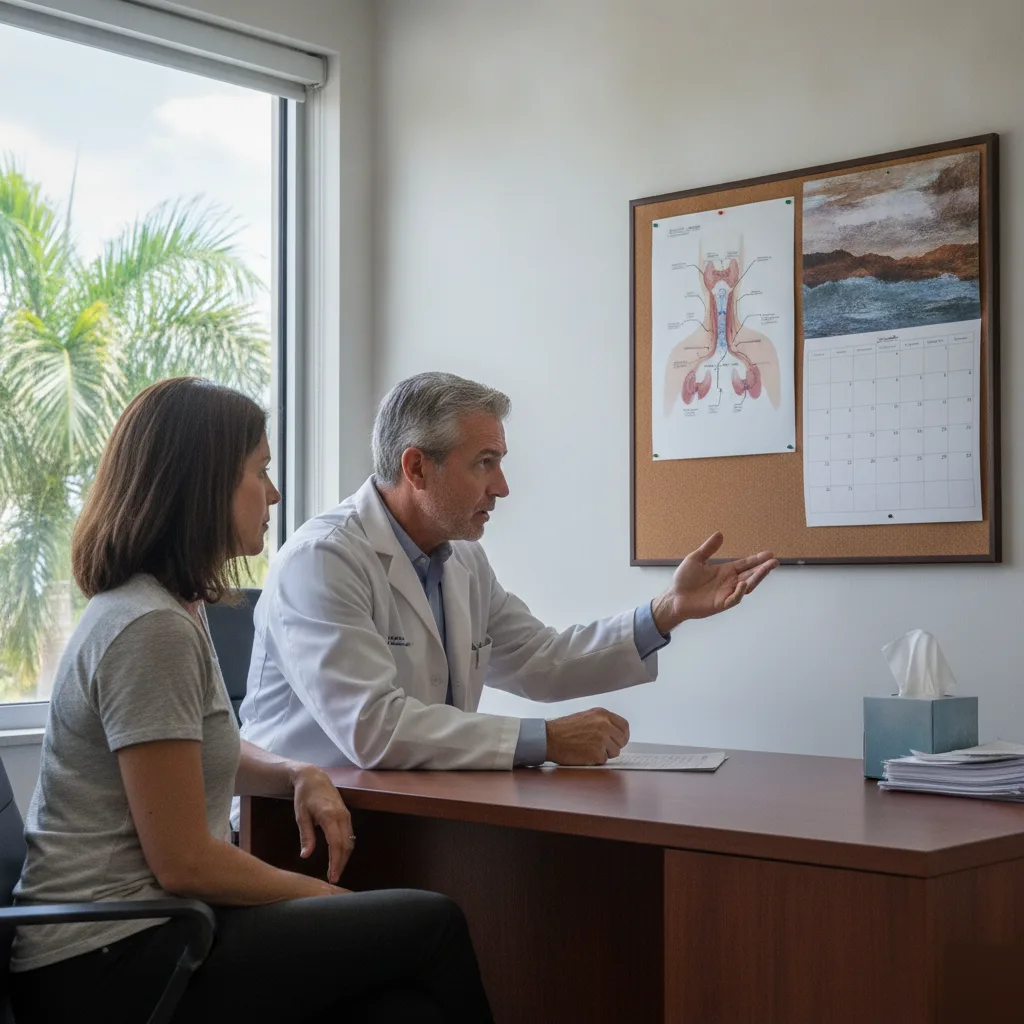
Signs of Extremely Low Testosterone Worth Paying Attention To
Mild low testosterone hides easily in Orlando. Very low testosterone is harder to hide. The body starts sending signals that heat and humidity just can’t explain. You need to know which ones those are.
Most men think of low energy first. That’s real, but it’s also the symptom that gets blamed on summer the most. So it helps to look past tiredness. Some signs point more clearly to a hormone problem.
Watch for these, especially if two or more show up together:
- Hot flashes or night sweats that happen in an air-conditioned room
- Almost no interest in sex for months at a time
- Morning erections that have faded or stopped
- Breast tenderness or new swelling around the chest
- Less body or facial hair, so you shave less often than before
- Muscle that keeps shrinking even though your routine hasn’t changed
- A low mood or flat feeling that sleep doesn’t fix
That first one deserves extra attention here. In Orlando, sweating is normal. Nobody thinks twice about it after a walk across a parking lot in August. But sweating while you’re sitting still in a 72-degree house at night is different. That’s not the weather talking.
We hear this story a lot. A man in his late 40s comes in after a full summer of night sweats. He figured his bedroom was just too warm. He turned the thermostat down twice, then bought a cooling mattress pad. His labs showed testosterone far below the normal range.
He wasn’t careless, the climate gave him a good excuse.
Some signs of very low testosterone are quiet and slow. Bone thinning is one of them. You won’t feel it until a minor fall leads to a fracture. Mild anemia is another. It can leave you short of breath on a flight of stairs. And in Central Florida heat, that easily gets written off as being out of shape –
So how do you know when it’s time to stop guessing? Ask yourself one question. Would this symptom still be here in January? Orlando’s cooler months make a handy test. If the fatigue, low drive, or sweating sticks around when the humidity drops, heat probably isn’t the cause.
A simple blood test is the only way to know for sure.
Testosterone levels are usually checked with a morning blood draw. That’s when levels tend to be highest. Many doctors repeat the test to confirm the result. The Endocrine Society’s guidelines recommend confirming low readings with a second morning test before making a diagnosis. One number alone doesn’t tell the whole story.
Our physician looks at your symptoms and your labs together. We’ve been doing this since 2008. In that time we’ve learned that men often wait too long. They feel embarrassed, or they assume it’s just age. But very low testosterone is a medical issue. It’s worth a real conversation with a doctor.
You don’t have to sort this out alone. If several of these signs sound familiar, a physician-supervised check can give you clear answers. Telehealth is available for eligible Florida patients. Se habla español.
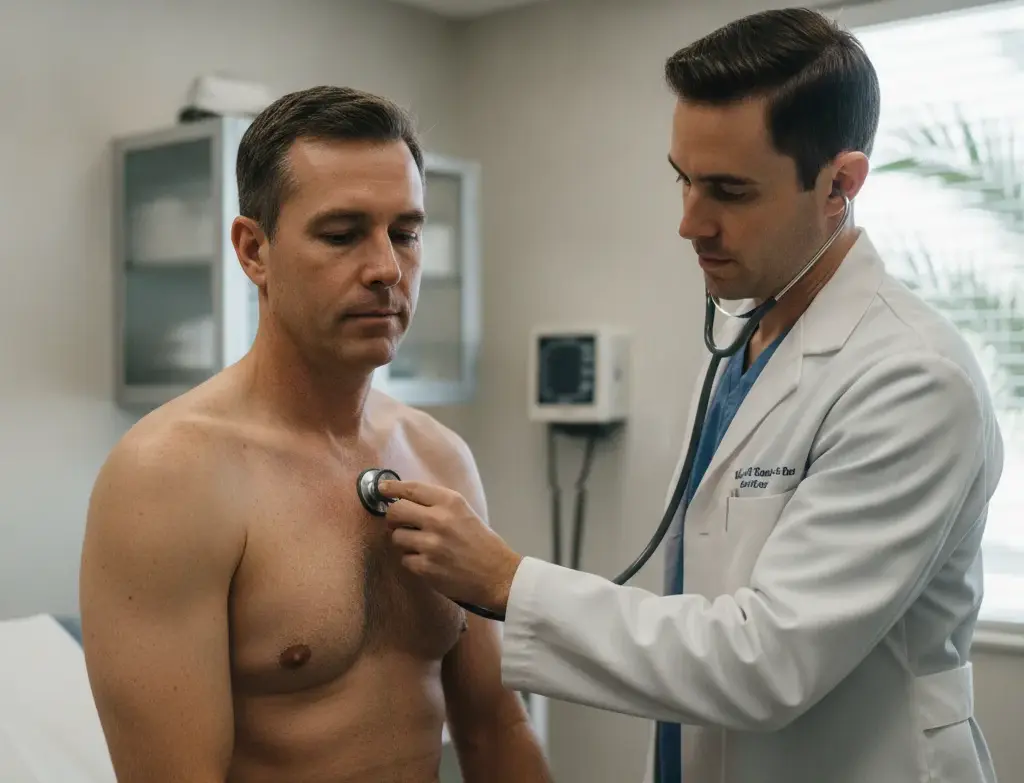
Feeling Cold or Hot: What Temperature Sensitivity Can and Can't Tell You
Here’s a question we hear a lot: “Is it normal that I’m always this hot?” In Orlando, that’s a tricky one to answer.
Low testosterone can change how your body handles heat. Some men notice night sweats or sudden warm flushes across the face and chest. These show up more often when levels drop very low, such as after certain prostate cancer treatments. But there’s a catch. In an Orlando August, almost everyone is sweating.
So a symptom that would stand out in Minnesota just blends in here. You blame the humidity. You lower the AC another two degrees. You move on.
Some temperature clues are worth writing down. On their own, they don’t mean much. Together with low energy or a dip in drive, they start to tell a story.
- Night sweats that soak your sheets, even with the AC set low
- Warm flushes that hit out of nowhere, often while you’re sitting still
- Feeling chilly indoors while everyone around you feels fine
- Heat that wipes you out much faster than it did a few years ago
None of these prove you have low testosterone.
Feeling cold is more often linked to thyroid problems, anemia, or low body weight. Feeling hot can come from medications, alcohol, blood sugar swings, or poor sleep. Sleep apnea causes night sweats too, and it’s common in men with low testosterone. These causes overlap. That’s exactly why guessing doesn’t work.
So how do you sort it out? Use the calendar. Orlando gives you a built-in test every year, our winters are mild and cool. If you’re drenching your sheets in a 60-degree January, the weather isn’t the problem.
Try this for two weeks: Each morning, jot down your thermostat setting, whether you woke up sweaty, and what you ate or drank the night before. Do it once in summer and once in winter if you can. Bring the notes to your visit. We find these simple logs help our physician connect the dots much faster.
One patient from College Park stopped playing golf every summer. The heat drained him by the fourth hole. He figured that’s just Florida, everybody slows down out here. But he felt the same way in December. His morning labs showed low testosterone. Once he was under physician-supervised care, he started to see real changes over the next few months. He’s back on the course now, early tee times only.
And if your partner keeps reaching for a blanket while you’re kicking yours off –
Mention it anyway. Small details like that matter. The only way to know your testosterone level is a blood test, ideally drawn in the morning when levels are highest. Then a board-certified doctor reviews your results alongside your symptoms, sleep, and weight. Not just one number on a page.
Book Your Consultation
Frequently Asked Questions
Does hot weather affect testosterone levels?
Hot weather itself doesn’t lower testosterone, but it hides the symptoms well. Orlando heat causes fatigue, poor sleep, and low drive on its own, which looks a lot like low testosterone. That overlap makes it easy to blame the weather instead of getting tested. A simple blood test is the only way to tell which one is going on with you.
What are signs of extremely low testosterone that Orlando heat can’t explain?
Night sweats in an air-conditioned room, faded morning erections, shrinking muscle despite normal workouts, and breast tenderness are signs that point past the weather. These symptoms don’t fit a simple heat excuse. If you notice two or more together, it’s worth getting a physician-supervised blood test to see what’s really happening.
Do you feel cold if your testosterone is low?
Some men with low testosterone feel cold, while others get sudden warm flushes or night sweats. Testosterone helps regulate how your body handles temperature, so a drop can swing things either way. If you’re sweating at night in a cool room or feel unusually cold for no reason, that’s a signal worth checking with a lab test rather than guessing.
Does drinking more water increase testosterone?
No, drinking more water won’t raise your testosterone, but staying hydrated does help with Orlando heat fatigue. Dehydration alone can cause tiredness and brain fog that mimic low testosterone symptoms. Fixing hydration first helps you rule out heat as the cause. If symptoms stick around once you’re drinking enough water, a blood test can check your actual hormone levels.
How can I tell if it’s Orlando’s climate or low testosterone causing my fatigue?
Watch whether your symptoms ease once cooler months arrive. Orlando’s heat fatigue usually fades when humidity drops, but low testosterone symptoms stay the same no matter the season. If you’re still tired, unfocused, or low on drive in December, the heat probably isn’t the full story. A physician-reviewed blood test gives you real numbers instead of a guess.
What’s the difference between heat exhaustion and low testosterone symptoms?
Heat exhaustion comes on fast after sun exposure or activity and usually improves with rest, shade, and fluids. Low testosterone symptoms build slowly over months and don’t go away with cooling off or drinking water. If your tiredness, mood changes, or low drive last through fall and winter, it’s time to consider a hormone check rather than another bottle of water.
Ready for a Svelte transformation?
Take the first step toward better health and metabolic stability today.
Our team is here to support you.