
Home » Can Low Testosterone Symptoms Look Like Something Else Entirely in Lake Mary?
Can Low Testosterone Symptoms Look Like Something Else Entirely in Lake Mary?
Why Low Testosterone Symptoms Are Easy to Misread
Low testosterone symptoms can easily look like other things. It happens a lot. Fatigue, a low mood, weight gain, and brain fog can be thyroid issues, depression, or just aging. Many men in Lake Mary go years without a real diagnosis. A blood test shows your actual hormone levels. It’s the only real way to know what’s going on.
You feel worn out all the time. Your weight creeps up, even though you eat about the same. That drive is gone, and your mood feels flat. So you blame it on stress, getting older, or just being busy. But these exact same symptoms show up in low testosterone, thyroid problems, depression, sleep apnea, and even prediabetes. This overlap is why so many men live with low testosterone and never know it.
We see this pattern all the time in our Lake Mary practice. A man in his 40s walks in, sure he’s just “getting older.” He’s tried cutting carbs. He’s hit the gym harder. More coffee doesn’t help. Nothing sticks. Then his hormone panel comes back. His testosterone is too low for his age. That moment usually brings a sense of relief, not shock. He finally has an answer that clicks.
Part of the problem is how testosterone works. It doesn’t just mess with libido and muscle. It impacts your mood, how you sleep, how well you focus, and how your body uses energy. So when levels dip, you see the effects in odd places.
- Tiredness and low energy that feel just like thyroid issues or bad sleep
- A flat mood and being easily annoyed, which can get confused with depression or worry
- Weight gain around the middle, often blamed on diet or a slower metabolism
- Brain fog and trouble staying focused, which many people just call stress
- Less muscle strength and slow recovery, often assumed to be part of aging
This is why guessing just doesn’t work. Two men can both feel run down. One has low testosterone, the other a thyroid issue. Treating the wrong problem wastes time. It leaves you feeling stuck. And honestly, it happens often. According to the American Urological Association, low testosterone impacts roughly 2 in 10 men over age 60. Those numbers climb with age. They also climb with conditions like obesity or diabetes. Many men have symptoms that get blamed on something else.
A simple blood test changes everything.
It’s the only way to see what’s happening hormonally. Relying on symptoms alone just isn’t enough. Our Men’s Hormone Panel checks testosterone and other key markers. We get the whole picture. That’s how we sort out low testosterone from a thyroid issue. Or from something else that’s making you feel off.
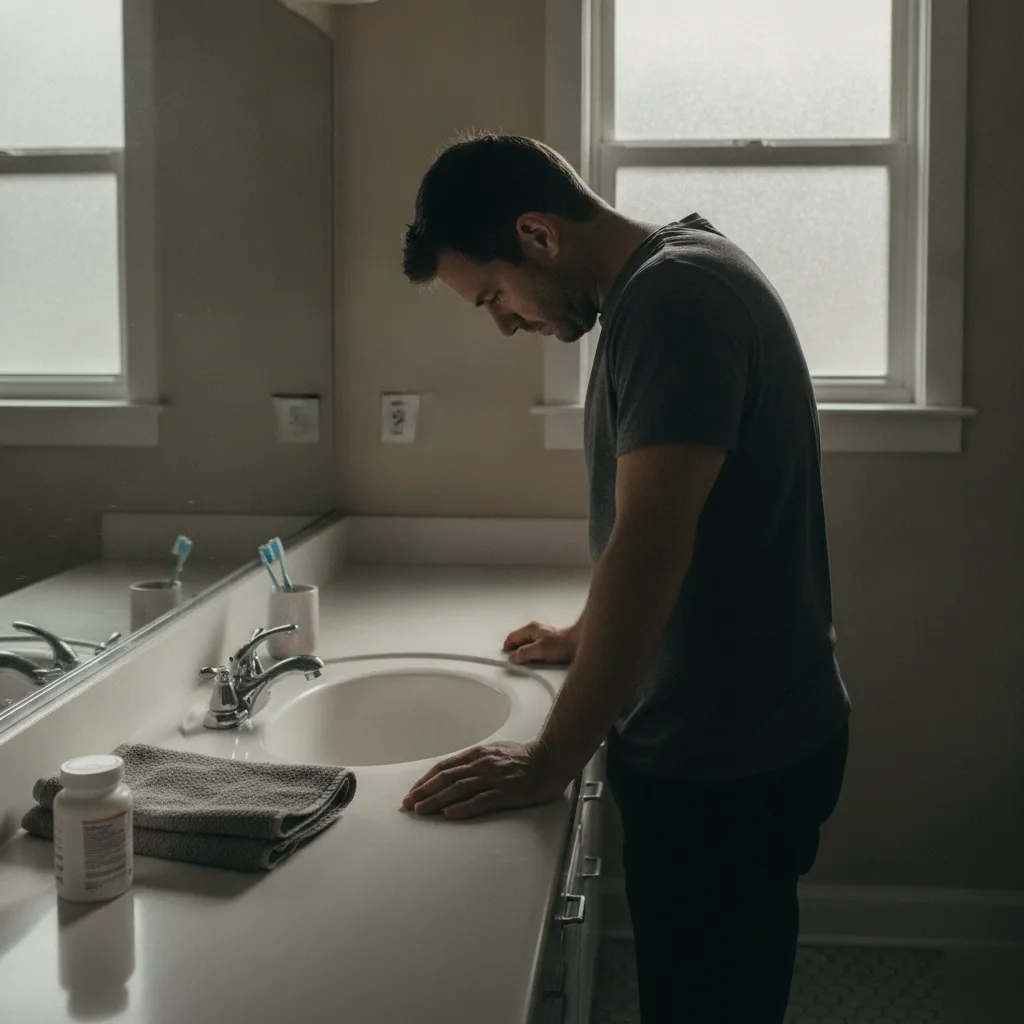
Real Signs of Low Testosterone Worth Paying Attention To
Once we rule out the usual suspects, it helps to know what low testosterone looks like. We ask every patient the same questions during a hormone consultation. The pattern of symptoms matters more than any single symptom by itself.
Low testosterone rarely hits you all at once. It’s usually a slow slide. You feel a bit more tired. A little less interested. Your body recovers slower after workouts. Add those up over a few months. That’s the picture we see in our Lake Mary office every week. And honestly, it’s simpler than people make it.
- Your energy drops hard by mid-afternoon, even if you slept well.
- Muscle feels soft or harder to build, no matter how much you work out.
- Your libido is low, or your sexual interest has really dropped off.
- Erectile difficulty is new, not something you’ve always dealt with.
- Your mood shifts. More irritable, flat, or low on motivation, for no clear reason.
- Brain fog or trouble focusing feels different from regular stress.
Here’s the thing. Any one of these could mean something else. But if three or four show up together, and they’ve been building? That’s a pattern we need to test. No guessing.
We had a patient last year. He was in his late 40s, right from the Lake Mary area. He thought he was just burned out from work. He’d cut back gym time, figured his low libido was stress, and blamed his mood on a rough year. His hormone panel showed testosterone way below normal for his age. Six months into treatment, he felt like he had his old self back. He thought that was gone forever.
That story is not unusual. We see it often.
The only way to know is a hormone level test. Guessing based on symptoms can lead you astray. Self-treating with internet advice can do more harm. A men’s hormone panel checks your actual testosterone levels. We also look at other markers that impact how you feel daily. That’s how we figure out if testosterone treatment can help. Or if something else is going on.
For more clinical guidelines and information, visit the American Urological Association.

Conditions That Commonly Mimic Low Testosterone
It happens more than you’d think. We’ve had patients walk into our Lake Mary office convinced they had low T. Their labs pointed somewhere else entirely. Fatigue, a low mood, weight gain, and low sex drive show up in dozens of conditions. That overlap is why home guessing rarely works out.
Your body doesn’t send symptoms with a clear label. It just sends the symptom. So a man feeling totally wiped out by 2 PM could have low testosterone. Or he could have something that has nothing to do with hormones at all.
Here are conditions we often rule out during a hormone evaluation. Their symptoms look too much like low T.
- Thyroid problems, especially hypothyroidism, can cause tiredness, weight gain, low mood, and reduced libido.
- Sleep apnea causes major daytime tiredness. It also lowers natural testosterone production over time.
- Depression and anxiety often bring low energy, poor motivation, and less interest in sex.
- Type 2 diabetes or insulin resistance are linked to fatigue and changes in sexual performance.
- Chronic stress and high cortisol can suppress testosterone directly. They mimic andropause symptoms.
This is the tough part: several of these conditions and low testosterone can happen together. A man with sleep apnea, for example, often has lower testosterone. That’s because of bad sleep. Treating one without fixing the other rarely brings full relief. We see this mistake often. Men try supplements or just lifestyle changes. They still feel stuck.
Women face a similar puzzle. Perimenopause symptoms like brain fog, hot flashes, and low libido can look like thyroid issues. They can also look like anemia or anxiety. A woman in her mid-40s might think she’s just stressed from work. But her estrogen and progesterone levels are actually shifting. Without a hormone panel, it’s easy to chase the wrong fix for months.
That’s why we test before we treat.
A hormone level test doesn’t just confirm low testosterone. It helps separate hormone-driven symptoms from thyroid issues. Or metabolic issues. Or mental health causes. We look at your full picture. Not just one number. That’s how we avoid starting testosterone replacement therapy on someone. Their real issue might be an undiagnosed thyroid condition. And we avoid missing low T in a woman whose symptoms were dismissed as normal aging.
If you’ve been guessing what’s behind your symptoms, a hormone panel can give you real answers. No more guesswork.
Book Your Consultation
Frequently Asked Questions
How do I know if my tiredness is low testosterone or just poor sleep?
You can’t know for sure without a blood test. Fatigue from low testosterone often shows up even after a full night’s sleep, while regular tiredness usually improves with rest. If you’re dragging by mid-afternoon no matter how much you sleep, that’s worth checking. Sleep apnea can also lower testosterone over time, so the two problems sometimes overlap. A hormone panel is the only way to sort out what’s really driving your fatigue in Lake Mary or anywhere else.
Can depression and low testosterone feel exactly the same?
Yes, they can feel very similar. Both cause low motivation, flat mood, and less interest in things you used to enjoy. This overlap trips up a lot of men who assume they’re just stressed or dealing with mental health alone. The real difference shows up in a blood test, not in how you feel day to day. If your mood has dropped along with your energy and drive, a hormone panel can rule testosterone in or out clearly.
Why do so many men in Lake Mary go undiagnosed for years?
Most men blame their symptoms on stress, work, or getting older instead of checking their hormones. Low testosterone builds slowly, so it’s easy to miss until you compare how you feel now to a few years back. We see this pattern often in our Lake Mary practice, especially with men in their 40s and 50s who assumed fatigue and low drive were just normal aging. A simple blood test catches what symptoms alone can’t tell you.
What’s the difference between thyroid problems and low testosterone symptoms?
Thyroid problems and low testosterone share a lot of the same symptoms, including fatigue, weight gain, and low mood. Hypothyroidism specifically can also lower sex drive, which makes it easy to confuse with low T. The only way to tell them apart is to test both thyroid hormones and testosterone levels together. Guessing which one you have can lead to the wrong fix and wasted time. That’s why a full hormone panel looks at more than just one number.
Is it normal for testosterone to drop with age in Lake Mary men?
Some drop is normal, but it shouldn’t leave you feeling exhausted or checked out of life. According to the American Urological Association, low testosterone affects roughly 2 in 10 men over age 60, and rates climb higher with obesity or diabetes. Normal aging causes gradual changes, not a sudden loss of energy or drive. If you’re noticing several symptoms building together, it’s worth getting tested rather than assuming it’s just your age.
When should I stop guessing and get a hormone test instead?
You should get tested once you notice three or more symptoms building together over a few months, like low energy, low drive, and mood changes. Trying to fix things on your own with diet or exercise changes rarely works if the real cause is hormonal. Self-treating based on internet advice can also delay finding the actual problem. A Men’s Hormone Panel gives you real numbers instead of guesses, so you can schedule a hormone panel and get a clear answer.
Ready for a Svelte transformation?
Take the first step toward better health and metabolic stability today.
Our team is here to support you.