
Home » Can I Self-Inject at Home, or Do I Have to Come Into the Clinic Every Time? A Lake Mary Patient’s Guide
Can I Self-Inject at Home, or Do I Have to Come Into the Clinic Every Time? A Lake Mary Patient's Guide
Your First Visit Sets Up Safe At-Home Injections
Your first visit is more than paperwork. We use this visit to determine if home injections are right for you. Learn about testosterone replacement therapy.
We start with a hormone panel. This blood work shows your actual testosterone level. It’s not a guess based on symptoms alone. Once we have your numbers and review your health history, a provider reviews the injection process with you. We don’t use a video or a pamphlet you skim in the waiting room. We show you the syringe, the dosing, and where on the body to inject. We watch you do it yourself before you take a kit home. That part matters.
Some patients learn in five minutes. Others need a second practice round. That is normal. We want you to feel confident, not rushed. We also discuss storage. Florida summers are brutal. A car in a Lake Mary parking lot in July can make a refrigerated medication vial unusable in under an hour. We show you how to transport and store your testosterone properly once you leave. Heat exposure is a common reason a first refill doesn’t work as expected.
We cover needle disposal and injection site rotation. We also discuss what mild soreness or redness looks like versus something you should call about. You leave with a plan, not just a prescription.
Not everyone qualifies for at-home dosing right away. If your levels are unstable or your case needs closer monitoring, we may recommend a few in-clinic injections before handing off the syringe. We are not cautious for no reason. We want to make sure your body responds as it should before you do this on your own.
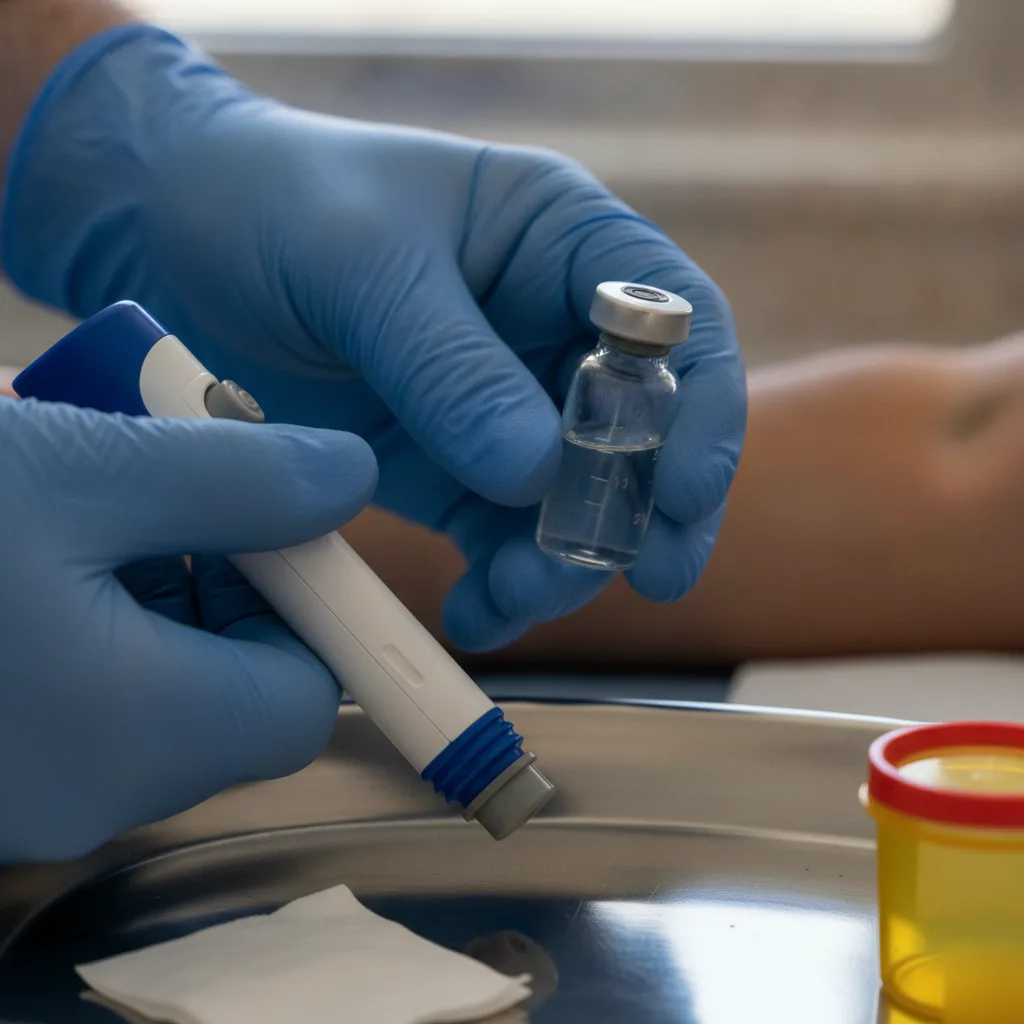
Pen Devices and Compounded Vials Require Different Techniques
Not every injection looks the same. This can surprise some patients. Testosterone injections often come as compounded vials. You draw these up with a syringe and a needle by hand. Pellet therapy is different. A provider inserts it in the office. You do not handle a needle at all. HCG therapy also comes in a small vial. You mix and draw it carefully each time.
A pen device clicks, dials, and injects with a button. A vial and syringe ask you to draw the right dose, clear air bubbles, and inject at the right angle and depth. We walk every patient through this difference before they leave with a prescription.
For men on testosterone injections, we teach the vial-and-syringe method in the office first. You draw a practice dose while a nurse watches. Then you do it again until it feels natural. Some men learn on the first visit. Others need a second session. That is normal. We want you to feel sure, not rushed.
If you are driving in from Lake Mary during afternoon rush on I-4, that commute makes learning home injection worthwhile. Getting comfortable at home means one office trip for your prescription instead of a drive every week.
Pellet therapy skips this question. It is placed in office, not self-administered. For injectable testosterone or HCG, technique separates confident self-injection from a painful, wasted dose. We would rather spend the extra fifteen minutes now than have you guessing alone at home later.
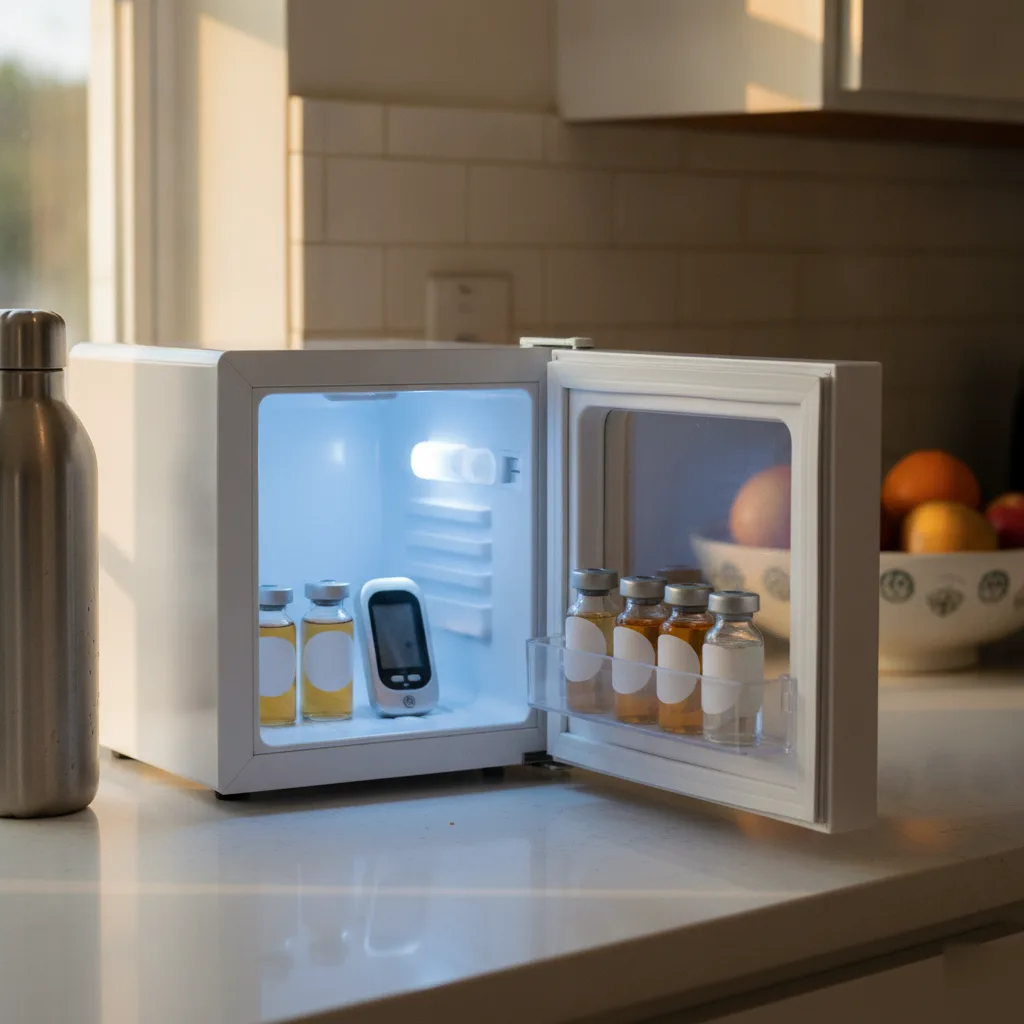
Storing Injectable Medication Safely in Florida Heat
We tell every patient starting testosterone injections or hormone pellet therapy this: your medication is more sensitive to heat than you think. Most injectable hormone medications must stay refrigerated between 36 and 46 degrees Fahrenheit. Leave a vial on the counter during a Lake Mary afternoon in July, and you can damage it within hours.
Central Florida summers push outdoor temps into the 90s with humidity that makes it feel hotter. Cars parked in the sun can hit 140 degrees inside in minutes. If you are picking up medication and running errands afterward, do not leave it in the vehicle. Patients have tried to save a trip. They grabbed their refill on the way to Lake Mary Farmers Market or a kid’s soccer game at Central Park. By the time they got home, the vial had been sitting in a hot cup holder for over an hour. This is enough to break down the compound.
A few storage habits matter more here than in cooler climates:
- Keep vials in the back of the fridge, not the door. Temperatures swing every time the door opens.
- Use an insulated bag with an ice pack for the drive home, especially May through September.
- Never store medication in a garage or car during Florida’s hurricane season. Power outages can knock out refrigeration for days.
- Check the vial for cloudiness or color change before each injection.
If you lose power during a storm and your medication sits at room temperature for more than a few hours, call us. We would rather answer that question. We do not want you to inject something that is no longer stable. Heat damage is not always visible. A vial can look fine. It still may not work as it should. We walk through storage during your first visit for this reason. We do not just mention it once and forget it.
What Still Requires a Clinic or Telehealth Visit
Self-injection can be helpful once you are trained. But it does not cover everything. Some parts of your hormone therapy cannot happen from your kitchen counter. We would be doing you a disservice if we pretended otherwise.
Biote pellet therapy is an example. Pellet insertion is a quick in-office procedure. Our provider places the pellets under the skin. You cannot do this yourself at home. If you are on testosterone pellets or hormone pellet therapy for women, you must come in for that part.
Blood work is also required in person. A hormone panel is required. This involves an actual lab draw. It checks testosterone levels for men with low libido and fatigue. It also checks estrogen and progesterone levels for women managing hot flashes and night sweats. Telehealth can review your results and adjust your plan. But it cannot draw your blood.
These are the services that still require an in-person visit or a scheduled telehealth call with lab work:
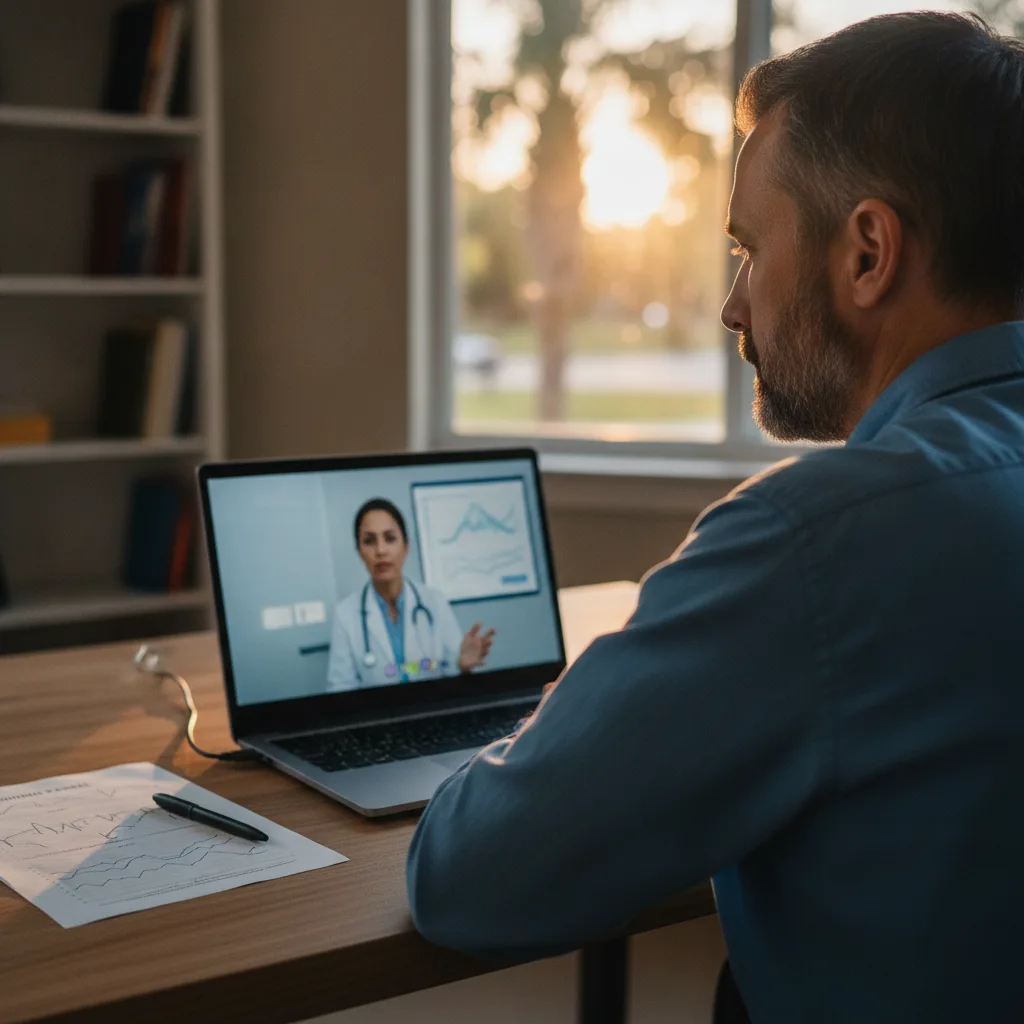
When You Don't Need to Come In for Every Dose
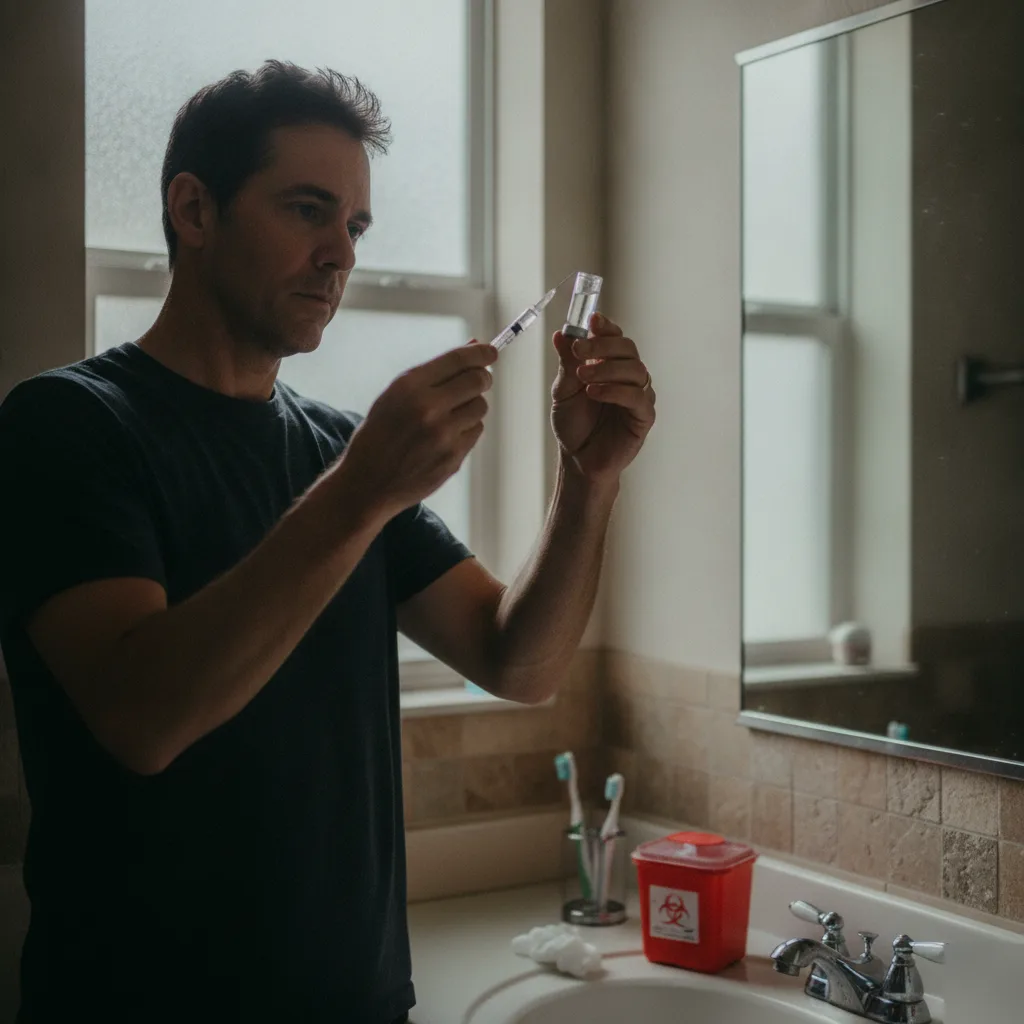
No, you do not have to drive to our clinic for every testosterone injection. Once your provider determines the correct dose and confirms you tolerate treatment well, most men on testosterone injections learn to self-inject at home. This is a normal part of long-term testosterone replacement therapy, not a shortcut.
We often see this question from men who work in Orlando but live in Lake Mary. Fighting I-4 traffic twice a week just to get a shot is not realistic for most schedules. It should not have to be. Once you have had your teaching visit and your first few doses go smoothly, self-injection at home fits real life better.
Home dosing is not a day-one option. Your first injection happens in our clinic. We watch how your body responds. We check your injection technique. We make sure you are comfortable with the needle, the site, and the dose. Some men learn this in one visit. Others need two or three visits before they feel confident going solo.
Self-injecting does not mean you are on your own after that first visit. You still come in for periodic hormone level testing. A men’s hormone panel checks that your testosterone levels stay in a healthy range. Home injections handle routine dosing. We handle the monitoring.
Not everyone qualifies for at-home dosing right away. Most men qualify within a few weeks of starting treatment.
Book Your Consultation
Frequently Asked Questions
Do I have to come into the clinic every time I need an injection?
No, most patients learn to self-inject at home after their first visit. We start with bloodwork and a hands-on training session where you practice drawing and injecting under supervision. Once you’re comfortable, you take a kit home and manage your own injections. Some services, like pellet insertion and lab draws, still require a clinic visit. But routine testosterone or HCG injections become part of your home routine once you’re trained.
What happens during my first visit before I start injecting at home?
Your first visit covers bloodwork, a health history review, and hands-on injection training. We show you the syringe, dosing, and injection site before watching you do it yourself. Some patients get comfortable in five minutes. Others need a second practice round, and that’s normal. You leave with a plan for storage, needle disposal, and site rotation, not just a prescription.
How should I store my medication during Lake Mary summers?
Keep injectable medication refrigerated between 36 and 46 degrees, and never leave it in your car. A parked car in Lake Mary can hit 140 degrees within minutes during July, which is enough to damage a vial in under an hour. Use an insulated bag with an ice pack for the drive home, especially May through September. If a power outage during hurricane season leaves your medication unrefrigerated for hours, call us before your next dose.
Is there a difference between injecting a vial and using a pen device?
Yes, vials and pens require different skills, and we train you on whichever one you’re prescribed. A pen clicks and dials a dose automatically. A compounded vial requires you to draw the correct amount, clear air bubbles, and inject at the right angle yourself. We teach the vial-and-syringe method in the office first, watching you practice until it feels natural before you take it home.
Can I do pellet therapy at home instead of coming into the clinic?
No, pellet therapy always requires an in-office visit. A provider inserts the pellets under your skin, and this isn’t something you can do yourself at home. This applies to both testosterone pellets for men and hormone pellet therapy for women. If you’d rather avoid regular injections altogether, pellets are worth asking about, but they still mean a quick office visit each time.
Do I still need to visit the clinic once I’m self-injecting at home?
Yes, you still need periodic in-person visits for bloodwork even after you start home injections. A hormone panel requires an actual lab draw to check your levels, and this can’t be done through telehealth. Telehealth appointments can review your results and adjust your dosing plan, but blood needs to be drawn in person. Most patients handle their day-to-day injections at home and come in only for scheduled lab work and check-ins.
Ready for a Svelte transformation?
Take the first step toward better health and metabolic stability today.
Our team is here to support you.