
Home » Women’s Health Clinic — Lake Mary » Perimenopause Treatment in Lake Mary | Svelte Medical Weight Loss – Lake Mary
Perimenopause Treatment in Lake Mary | Svelte Medical Weight Loss - Lake Mary
Deciding Between Routine Care and Urgent Evaluation

Some women delay calling because they’re unsure if their feelings are “bad enough.” We hear this almost every week in Lake Mary. Perimenopause treatment doesn’t always begin with a crisis. Most often, it starts with a conversation about symptoms that have been building for months.
How do you know when to schedule a routine visit versus when something needs faster attention?
Signs That Point to a Routine Consultation
If your symptoms are annoying but manageable, a scheduled appointment allows us time to run labs and discuss your history. These are common reasons women near the Heathrow area seek an initial evaluation:
- Hot flashes or night sweats that occur a few times a week
- Sleep that has worsened over the past several months
- Mood changes you can’t quite explain, like irritability or low motivation
- Periods that are slightly irregular but not dramatically different
None of these are emergencies. Yet, none should be ignored. They often worsen without intervention.
When You Shouldn’t Wait
Certain symptoms need a faster response. Heavy bleeding that soaks through a pad in under an hour is one. Heart palpitations that wake you up at night are another. Sudden, severe mood shifts that affect your ability to work or care for your family deserve same-week attention.
We’ve had patients come in thinking they were having panic attacks. It turned out their estrogen had dropped sharply. Lab work can clarify this type of situation quickly.
You don’t need to diagnose yourself before you call. That’s our role. If you’re unsure whether your situation is routine or urgent, tell us what you’re experiencing. Our Lake Mary women’s health clinic can help you determine the right timeline. Women who call often wish they had called sooner.
Want help sorting out what’s going on? Schedule a consultation. We will start with the right labs.
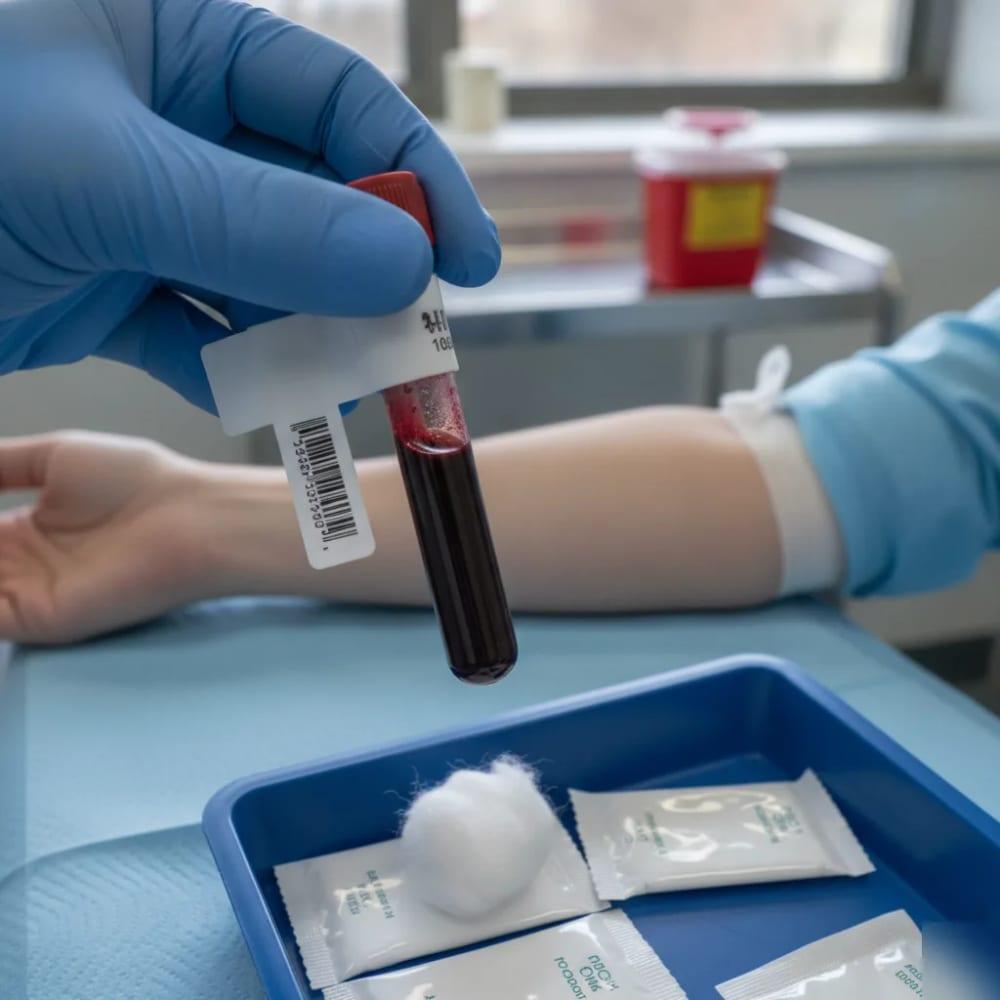
Preparing for Your FirstHormone Evaluation Visit
You don’t need to have everything organized before you walk through our door. That’s what the visit is for.
A little preparation helps. We see women every week in Lake Mary who feel much better after their first appointment. This happens simply because they came ready to discuss specifics. Not vague feelings, but actual details their body has been signaling for months.
What to Bring and Do Before Your Visit
- Write down your symptoms for the past 60 to 90 days. Include when they happen, how often, and their severity. “Hot flashes at 2 a.m. three nights a week” is more useful than “I don’t sleep well.”
- Track your menstrual cycle if you are still having periods. Note the dates, flow changes, and any spotting between cycles.
- Bring a current list of every medication and supplement you take. Doses matter here, so avoid guessing.
- Request recent lab work from your primary care doctor if you’ve had bloodwork in the last six months. We can often use existing panels to avoid a second draw.
- Jot down your top three concerns. What is bothering you most right now? We will start there.
If you haven’t had labs done recently, do not worry. We will order a full hormone panel during your visit. We check estradiol, progesterone, FSH, thyroid markers, and other levels. These paint a complete picture of your current body status.
Many women tell us they wish they had come in sooner. The evaluation takes about 45 minutes. We review your history and symptoms. We discuss what perimenopause treatment can look like for your specific situation. We avoid rushed appointments.
Our clinic near the Timacuan area of Lake Mary is designed for your comfort from the moment you arrive. It is quiet and private. You will not sit in a crowded waiting room wondering if anyone can hear your conversation. If you are ready for answers, schedule a consultation and come prepared to be heard.
What Happens DuringPerimenopause Treatmentin Lake Mary
Most women arrive expecting a complicated process. It is quite straightforward once we sit down together.
Your first visit begins with a conversation. We want to hear what you are dealing with daily. Sleep problems, mood changes, hot flashes, brain fog, irregular cycles. All of it is important. Then we order blood work to check your hormone levels, thyroid function, and other markers. These give us a complete picture. We typically get results back within a few days. That is when the real planning begins.
Building Your Treatment Plan
Once we review your labs, we create a plan based on what your body needs. This is not a guess. It is not a one-size approach. Here is what perimenopause treatment usually involves:
- We review your lab results with you in plain language. You will understand exactly where your levels stand.
- We discuss treatment options. These can include bioidentical hormone therapy, progesterone support, or other medical interventions depending on your symptoms.
- We set a follow-up schedule. This allows us to monitor how you respond and adjust dosing if needed.
- We recheck labs at specific intervals. This helps confirm everything is moving in the right direction.
Many women start noticing changes within the first few weeks. Better sleep often improves first. Every woman responds differently. We monitor the process closely and make changes if something is not working.
Many women in Lake Mary tell us this: They wish they had come in sooner. They spent months, sometimes years, thinking what they felt was just normal aging. It does not have to be.
We see patients from the Heathrow area and neighborhoods near the Lake Mary Town Center. Some have been to other providers and left without answers. That is frustrating. Our approach is different. We treat perimenopause as a medical condition that deserves real attention. It is not a quick office visit with a generic suggestion to “wait it out.”
A physician monitors you throughout the entire process. Nothing is decided and then forgotten.

Tracking Progress and AdjustingYour Treatment Plan
Here is something we tell every patient who visits our Lake Mary clinic. Perimenopause treatment is not a “set it and forget it” situation. Your hormones shift, sometimes month to month. So your plan must shift with them.
We track your progress through regular follow-up labs and honest conversations about how you are actually feeling. Not just numbers on a page. We discuss real life concerns. Are you sleeping through the night? Has the brain fog lifted? Can you get through a workday near Timacuan without wanting to cry from exhaustion?
What We Monitor at Each Visit
Every follow-up appointment gives us a clear picture of how things are. We look at several markers:
- Estradiol, progesterone, and testosterone levels compared to your baseline
- Thyroid function. It often shifts during perimenopause too.
- Sleep quality, mood patterns, and energy levels you report to us
- Any new symptoms or side effects since your last visit
We see this every week. A patient comes in feeling 60% better but still struggles with afternoon fatigue. That tells us something specific. Perhaps the dose needs a small bump. Maybe we add a supporting nutrient protocol. The labs confirm what your body already signals. We simply connect the dots.
Adjustments do not mean starting over. Most of the time, it is a minor tweak. A slight change in dosage or timing can make a big difference in how you feel daily.
According to the North American Menopause Society, hormone therapy should be reassessed at least annually. We typically check in more often than that during the first six months. Once your symptoms stabilize, we space visits out a bit.
The goal is simple. You should feel like yourself again. Not a lesser version. If something is not working, we want to know about it right away. We can then course-correct under proper medical supervision. Your feedback drives every decision we make about your care in Lake Mary.
That is what real partnership looks like. You tell us how you feel. We adjust the plan together.

Book Your Consultation
Frequently Asked Questions
What age does perimenopause usually start?
Perimenopause can start as early as your late 30s. Most women notice changes in their early 40s, but symptoms often begin years before menopause itself. If you’re 38 and feeling “off,” your body may already be shifting. We see women in Lake Mary every week who thought they were too young for this. A simple hormone panel can confirm what’s happening and give you a clear next step.
How long does perimenopause typically last?
Perimenopause can last anywhere from a few months to ten years. Every woman’s timeline looks different based on her hormones and health history. Some patients see symptoms ease within a year of starting treatment. Others manage symptoms longer as their body slowly shifts toward menopause. We track your hormone levels over time so you know what to expect and when to adjust your plan.
What should I bring to my first visit at your Lake Mary clinic?
Bring a list of your symptoms from the past two to three months. Include when they happen and how severe they feel. Also bring your current medications, supplements, and any recent lab work. Women near Timacuan who come prepared with specific details, not vague complaints, often leave that first visit with a clearer plan. If you don’t have recent labs, we’ll order a full panel during your appointment.
What happens after my first hormone evaluation?
After your evaluation, we review your lab results and build a treatment plan around your specific symptoms. This usually happens within the same visit or a quick follow-up call. Many women near Heathrow start noticing changes in sleep and mood within the first few weeks. We check in regularly to adjust your plan as your hormone levels shift.
How do I know if my symptoms are urgent or can wait for a routine visit?
Heavy bleeding, sudden severe mood changes, or heart palpitations at night are signs you shouldn’t wait. Milder symptoms like occasional hot flashes or slightly irregular periods usually fit into a routine visit. Lake Mary patients often aren’t sure which category they fall into, and that’s normal. Call us and describe what you’re feeling. We’ll help you figure out the right timeline, whether that’s this week or a scheduled consultation.
Can perimenopause treatment help with weight gain?
Yes, treatment can help address the hormonal shifts behind stubborn weight gain, especially around your midsection. Fluctuating estrogen and progesterone levels can make weight harder to manage no matter how well you eat. Nutrition still plays a real role, but hormone balance matters too. When we treat the underlying shift, many women find weight management becomes easier alongside better sleep and mood.
Ready for a Svelte transformation?
Take the first step toward better health and metabolic stability today.
Our team is here to support you.