
Home » Women’s Health Clinic — Lake Mary » Menopause Hormone Therapy in Lake Mary | Svelte Medical Weight Loss – Lake Mary
Menopause Hormone Therapy in Lake Mary | Svelte Medical Weight Loss - Lake Mary
Recognizing the Signs You MayNeed Hormone Therapy

You are not sleeping well. You wake up drenched in sweat at 3 a.m., unable to fall back asleep. During the day, your mood shifts without warning. You struggle to focus at work, and your patience is gone by noon. Does this sound familiar?
We hear this story daily from women in Lake Mary. Many of them experience these symptoms for months, sometimes years, before they visit us. They try supplements, change their diet, or start exercising more. Still, nothing helps. This is when menopause hormone therapy becomes a consideration.
Menopause does not announce itself with one clear signal. It builds slowly. We often see these symptoms:
- Hot flashes and night sweats that disrupt your sleep cycle
- Brain fog, forgetfulness, or trouble concentrating
- Mood changes like irritability, anxiety, or sudden sadness
- Low energy that does not improve with rest
- Vaginal dryness or discomfort during intimacy
Some women notice one or two of these symptoms. Others experience all of them at once. What surprises many people is that these symptoms can start in your early 40s during perimenopause. This happens well before your periods actually stop.
Often, the women we see have visited another provider. They were told “it’s just part of aging.” This is not entirely wrong, but it misses a key point. You do not have to simply push through it. That is what our women’s health clinic is here for. Declining estrogen and progesterone levels are measurable. They show up clearly on lab work. Once we see what is happening with your hormones, we can discuss actual options.
Are you unsure if what you feel is menopause-related? That is common. Many women from Heathrow and throughout Lake Mary tell us they were unsure their symptoms were connected. This changed after we ran a full hormone panel. The labs provide a clear picture. That is where our conversation begins.
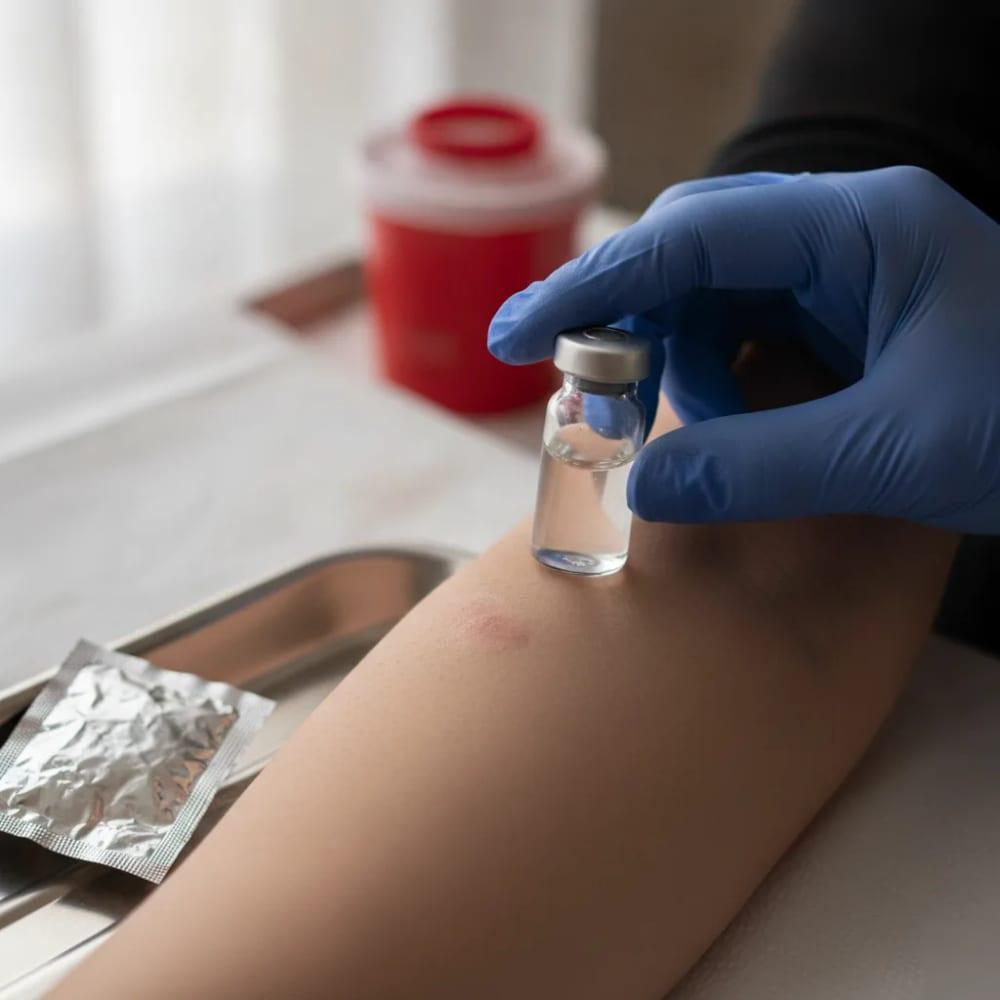
Understanding the Safety ofModern Hormone Therapy
You have probably heard conflicting information about menopause hormone therapy. Some of it sounds concerning. Much of it is outdated.
We tell women in Lake Mary every week that research has changed dramatically. This happened since early studies made headlines. The Women’s Health Initiative study from 2002 caused much concern. The medical community has spent over two decades re-analyzing that data. The current picture looks very different. According to The North American Menopause Society, hormone therapy remains the most effective treatment for hot flashes and other vasomotor symptoms of menopause. This is a significant statement.
What actually changed? A few key points:
- We now use lower doses than doctors prescribed 20 years ago
- Bioidentical hormones give us options that more closely match what your body produced naturally
- Timing matters. Starting therapy closer to menopause onset, typically within ten years, can help reduce cardiovascular concerns
- Delivery methods like patches, creams, and pellets bypass the liver. This may lower certain risks compared to oral pills
Medical supervision is key. Not every woman is a candidate for menopause hormone therapy. We review your full health history, run bloodwork, and consider your individual risk factors before recommending any treatment. This is the difference between safe treatment and guesswork. For a closer look at the evidence behind these considerations, the Office of Disease Prevention and Health Promotion offers a helpful review of hormone therapy for chronic disease prevention.
Women who visit our office near the Timacuan area often put up with symptoms for months or years. They do this because they fear hormones. Most of them later wish they had come in sooner.
Modern hormone therapy is not what your mother was offered. Protocols are more precise, and monitoring is tighter. The outcomes we see in our patients reflect this. You deserve to make this decision based on current science, not old fear. Are you wondering if it is right for you? A consultation provides these answers.
Preparing for Your First Visit
You do not need to do anything complicated before your first appointment. A little preparation helps you get the right answers faster.
We see women every week who have delayed this for months, sometimes years. They were unsure what to expect, so they waited. We will explain what happens, so you can stop wondering.
What to Bring
Gather a few things before you arrive. Nothing unusual, just the basics. These help us build a clear picture of your current hormone levels.
- List your current medications and supplements. Include everything, even the magnesium you take at night.
- Bring any recent lab work from the past six months. If you do not have it, we will order what is needed.
- Write a brief note about your symptoms and when they started. Include hot flashes at 2 a.m., brain fog during work meetings, or anything else you have noticed.
- Provide your menstrual history if you are still cycling or recently stopped.
- Bring your questions. Write them down. You may forget them in the moment.
Your first visit at our Lake Mary clinic usually takes about 45 minutes. We spend time with you. This is not a rushed 10-minute appointment where you leave with more questions than you arrived with.
We review your health history and discuss what you have been experiencing. Then we order a full hormone panel if you have not had one recently. That blood work provides the data we need to determine the right approach for your menopause hormone therapy.
Many women near Colonial TownPark and across Lake Mary are surprised by one thing. You do not have to be in full menopause to start exploring options. Perimenopause can begin in your early 40s, and symptoms can be just as disruptive. If something feels off, it probably is.
There is no pressure to commit to anything at your first visit. We talk. We listen. We review your labs. Then we decide together what makes sense.

Starting Treatment andTracking Your Progress
You have had your labs drawn and discussed your options. What happens next?
We start menopause hormone therapy at the lowest effective dose. We are not being cautious for no reason. This is how good medicine works. Your body needs time to adjust. We watch how you respond before making changes. Most women in Lake Mary start noticing shifts within the first few weeks. Better sleep is usually the first change. Then hot flashes begin to space out.
Here is what the first 90 days typically look like:
- You begin your prescribed hormone protocol, whether estradiol, progesterone, or both.
- We check in around the four-to-six week mark. You will tell us what has changed and what has not.
- We run follow-up bloodwork to see your hormone levels.
- Based on your labs and your symptoms, we adjust the dose if needed.
- By week ten or twelve, most patients feel a difference in their day-to-day energy and mood.
We see this every week. A woman comes in exhausted, foggy, and frustrated. A couple of months later, she is sleeping through the night again.
Tracking matters as much as starting. We do not write a prescription and disappear. Our providers review your hormone panels at regular intervals. We look at estradiol levels, progesterone ratios, and how your body metabolizes everything. This data tells us more than symptoms alone.
You will also keep a simple symptom log between visits. Nothing complicated. Just a quick note on sleep quality, mood, hot flash frequency, and anything else that stands out. Patients near Griffin Park and across Lake Mary tell us this step makes their follow-up appointments more productive.
Are you unsure if things are moving fast enough? That is common. Hormone balance does not happen instantly; it builds over time. We watch the whole picture with you.
If you are ready to get started, schedule a consultation. We can plan your first 90 days together.

Book Your Consultation
Frequently Asked Questions
How do I know if my symptoms are related to menopause?
The best way to know is a full hormone panel, not guesswork. If you have hot flashes, brain fog, mood swings, or trouble sleeping, these are common signs your estrogen and progesterone are dropping. Many Lake Mary women feel these changes years before their periods stop. Lab work gives you a clear answer instead of wondering. Once we see your numbers, we can talk through real options together, based on your body, not someone else’s experience.
What is the difference between hormone pellets, creams, and patches?
Each method delivers hormones differently, and the right one depends on your labs and lifestyle. Pellets sit under your skin and release a steady dose for months. Creams and patches go on daily or weekly and are easy to adjust. Pills are taken by mouth but pass through your liver first. We often see patients from Heathrow arrive wanting a specific method because a friend used it. Your hormone levels are unique, so we build your plan around your own results.
How soon will I feel better after starting hormone therapy?
Most women notice changes in their sleep and mood within a few weeks. Hot flashes and night sweats often improve first, sometimes within the first month. Full results, especially with pellets, can take two to three months as your levels stabilize. Everyone responds a little differently. We monitor your progress with follow-up labs so we can adjust your dose if needed. You do not have to guess whether it is working.
Is hormone therapy safe if I have a family history of health concerns?
It can be, but that depends on your full health history and current bloodwork. We review your family history, run labs, and check your individual risk factors before recommending any treatment for our Lake Mary patients. Modern hormone therapy uses lower doses than decades ago, and delivery methods like pellets and patches may lower certain risks compared to pills. A consultation is where we sort out what is safe for you specifically.
Can I start hormone therapy if my periods haven’t stopped yet?
Yes, many women start during perimenopause, before periods fully stop. Symptoms like hot flashes, brain fog, and mood changes often begin in your early 40s, well before menopause is official. Waiting until periods stop completely is not required and often means suffering longer than necessary. If your labs show declining hormone levels and you have symptoms, we can talk about starting treatment now instead of waiting it out.
What happens during my first visit for hormone therapy in Lake Mary?
Your first visit centers on a conversation and bloodwork, not a quick prescription. We talk through your symptoms, review your health history, and run a full hormone panel. From there, we explain your results in plain language and discuss which delivery method fits your goals. There is no one-size-fits-all protocol here. You leave with a clear plan built around your own labs, ready to move forward with confidence.
Ready for a Svelte transformation?
Take the first step toward better health and metabolic stability today.
Our team is here to support you.