
Home » Women’s Health Clinic — Lake Mary » Low Testosterone Treatment for Women in Lake Mary | Svelte Medical Weight Loss – Lake Mary
Low Testosterone Treatment for Women in Lake Mary | Svelte Medical Weight Loss - Lake Mary
Signs of Low Testosterone in Women

Low testosterone in women often shows up gradually, which makes it easy to write off as stress or aging. Common symptoms include:
- Persistent fatigue, even after a full night’s sleep
- Low libido or loss of interest in sex
- Muscle loss or difficulty building strength despite regular exercise
- Weight gain, especially around the midsection
- Mood changes, irritability, or low motivation
- Trouble concentrating or mental fog
- Thinning hair or dry skin
These symptoms overlap with several other conditions, so a hormone panel is the only reliable way to confirm whether low testosterone is the cause.
Why Testosterone Matters for Women
Testosterone is produced in smaller amounts in women than in men, but it still supports muscle maintenance, bone density, mood stability, and sexual health. Levels naturally decline with age and can drop further during perimenopause and menopause. For some women, the decline happens faster than expected, and the symptoms interfere with work, relationships, and quality of life. A blood test can show whether your levels fall below the normal range for your age.
We see this often in women in their 40s and 50s here in Lake Mary. A large share of local residents fall into the age range where hormone decline typically starts to show up, and many are balancing demanding careers at nearby employers with family responsibilities. That combination of stress and hormonal change can make symptoms feel worse than they might otherwise. That is where our women’s hormone health clinic comes in.
How We Diagnose Low Testosterone
Your visit starts with a conversation about your symptoms, medical history, and health goals. From there, we order bloodwork to check your testosterone levels along with other relevant hormones like estrogen and thyroid markers. Hormone levels fluctuate, so we look at your full picture rather than a single number. If your results confirm low testosterone, we discuss treatment options that fit your health profile and lifestyle.
Treatment Options: Biote Hormone Pellet Therapy
Svelte MD is a Biote Official Platinum Partner, and pellet therapy is one of the main ways we treat low testosterone in women. Biote pellets deliver bioidentical hormones directly into the bloodstream through a small implant placed under the skin, usually in the hip area. The procedure takes just a few minutes in our office, and the pellets release hormones gradually over several months, so you don’t need to remember a daily pill or cream.
Pellet therapy can help with fatigue, low libido, mood swings, and muscle loss related to low testosterone. Results vary by patient, and we monitor your hormone levels over time to adjust your treatment plan as needed. This isn’t a one-time fix. It’s an ongoing relationship where we track how your body responds and make changes based on real data.
What to Expect at Your First Visit
Your first appointment includes a full health history review, a discussion of your symptoms, and lab work. We explain your results in plain terms, not medical jargon, so you understand exactly what’s happening in your body. If pellet therapy is the right fit, we can often schedule the procedure during a follow-up visit once your labs come back.
We also check for other conditions that might contribute to your symptoms. Thyroid dysfunction, vitamin deficiencies, and blood sugar issues can all mimic or worsen low testosterone symptoms, so a physician-supervised approach means nothing gets missed.

Why Choose Svelte MD in Lake Mary
Dr. Richard Bragg founded Svelte MD in 2008, years before hormone and weight loss treatments became mainstream. The practice is physician-supervised, meaning a board-certified medical doctor oversees your care rather than a program run entirely through an app or call center. We’re also Biote-certified, which means our providers have specific training in bioidentical hormone pellet therapy.
Lake Mary has a well-educated patient base, many with backgrounds in professional or corporate roles at companies like Deloitte, Verizon, and Liberty Mutual. We find these patients tend to ask detailed questions and want to understand the “why” behind their treatment plan, not just the “what.” We’re built for that kind of conversation.
Telehealth Availability
If getting to our Lake Mary office is difficult, we offer telehealth consultations for eligible patients across Florida. Initial bloodwork may still require an in-person or local lab visit, but many follow-up appointments can happen remotely.
Schedule a Hormone Panel
If you’re dealing with fatigue, low libido, or unexplained muscle loss, the first step is finding out what your hormone levels actually look like. Schedule a consultation with Svelte MD in Lake Mary to get a hormone panel and talk through your symptoms with a provider who takes them seriously.
Getting an Accurate Diagnosis Through Lab Testing
You can’t fix what you haven’t measured. We follow this rule with every patient. They walk into our Lake Mary clinic feeling “off” but not sure why.
Low testosterone in women doesn’t show up on a standard annual blood panel. Most primary care doctors do not test for it unless you ask. So women go months or even years. They think their fatigue and low mood are just stress. We see this every week.
A proper hormone panel for women includes several key markers:
- Total testosterone and free testosterone levels
- Sex hormone-binding globulin (SHBG). This affects how much testosterone your body can use.
- Estradiol and progesterone. These hormones work together.
- DHEA-S, a precursor hormone made by your adrenal glands
- Thyroid function. Thyroid issues can mimic low testosterone symptoms.
We run all of these, not just one or two. The reason matters. A woman with normal total testosterone but high SHBG can still feel all symptoms of low testosterone. Her body just cannot access what it produces. Without checking SHBG, you would miss that completely.
Timing matters too. Hormone levels shift throughout your cycle if you are still menstruating. We schedule labs at the right point in your cycle. This makes sure the numbers reflect what is really going on. For postmenopausal women, timing is less of a factor. Baseline readings are still important before starting any treatment.
Most patients do not realize this. Your results need context. A lab reference range tells you what is “normal” across all women ages 18 to 80. That range is huge. A number falling inside the normal range can still be too low for you. We look at your numbers alongside your symptoms, age, and health history.
Once we have clear data, we sit down with you. We go through each result. No guessing. No trial-and-error based on symptoms alone. We give you a clear picture of your hormone levels right now.
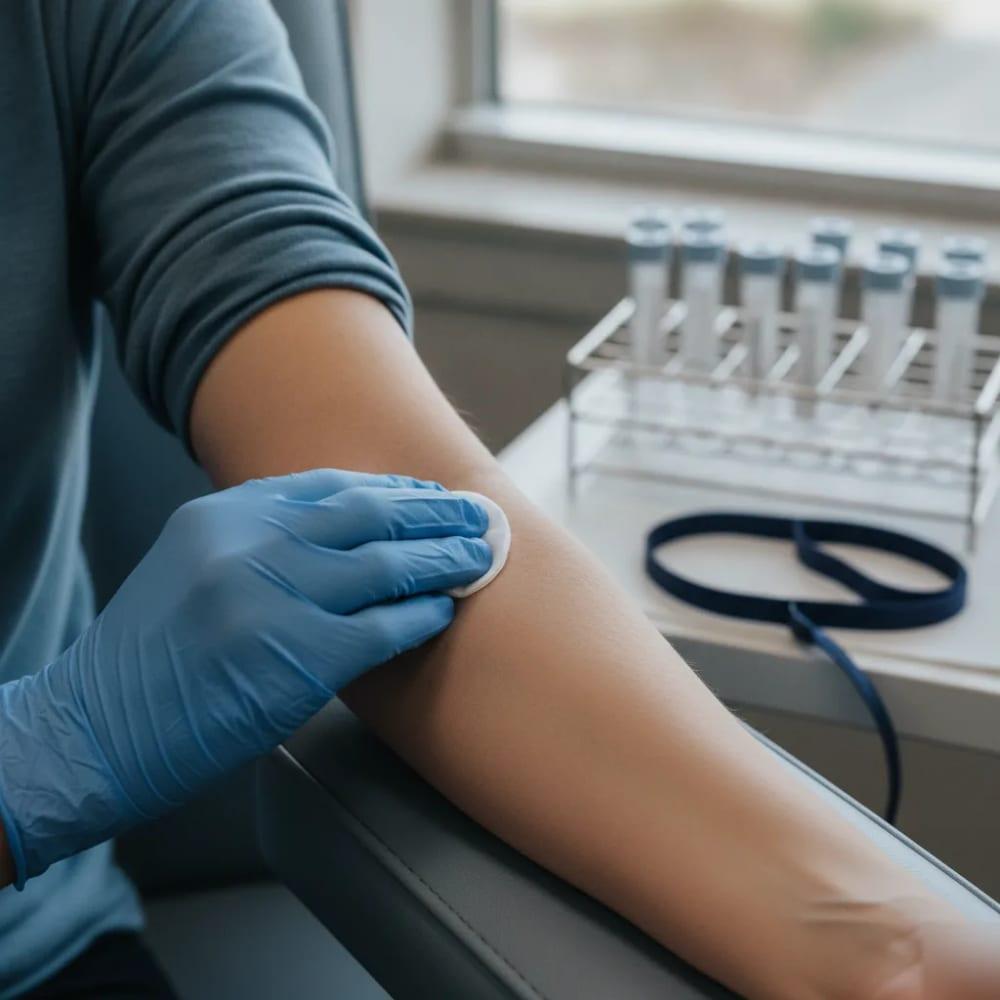
What to Expect at Your FirstConsultation in Lake Mary
Walking into a clinic for the first time can feel awkward.. Most women who come to us in Lake Mary have spent months wondering if something is off. You are not starting from zero. You are finally getting answers.
Your first visit is about listening. We want to hear what you have been dealing with, how long it has gone on, and what your daily life looks like. We hear about fatigue that won’t quit, a disappeared libido, or brain fog that makes simple tasks hard. These details matter. They help us connect your symptoms with what your bloodwork eventually shows.
The Lab Work
We will order a full hormone panel during that first visit. Not just total testosterone. We check free testosterone, SHBG, estradiol, thyroid markers, and other levels for a full picture. Many women who suspect low testosterone are right. We still need the numbers to confirm it and rule out other causes.
Blood draws happen right here. No separate lab trip across town.
Once results come back within a few days, we sit down with you again. Here is what we review together:
- Review each hormone level and what it means for your specific symptoms
- Discuss your health history and any medications you’re currently taking
- Talk through treatment options and what the process looks like week by week
- Set a follow-up schedule so we can monitor your response closely
There is no pressure to start treatment that same day. Some women need time to think; others are ready then. Both choices are fine.
We tell every patient near the Heathrow area and beyond this: Low testosterone treatment for women is not a one-visit thing. It works with ongoing medical supervision. We adjust doses based on how you feel and what your labs say over time. This separates real care from guesswork.
Wondering if your symptoms point to low testosterone? Schedule a consultation and let’s find out together.
Personalized Treatment Plans Basedon Your Symptoms
Two women can walk into our Lake Mary clinic with the same lab numbers and feel different. One might struggle with fatigue coffee cannot fix. The other notices her hair thinning and her motivation gone. We never treat just a number on a page. We treat you.
Your symptoms guide each decision we make. Before we recommend anything, we sit down and talk about what is going on in your daily life. We ask about sleep, mood, energy, libido, mental clarity, muscle recovery. All of it. We pair that conversation with a full hormone panel. This gives us the complete picture.
What a Treatment Plan Might Include
Once we have your symptoms and lab results, we build a plan around what your body needs. This can look different from one patient to the next:
- Low-dose testosterone therapy through creams, pellets, or injections, depending on your comfort and lifestyle
- Adjustments to dosing frequency based on how you respond in the first 4 to 8 weeks
- Monitoring of related hormones like estrogen, DHEA, and thyroid. We make sure everything stays balanced.
- Follow-up lab work at regular intervals. This lets us fine-tune your protocol over time.
We see this every week. A woman comes in thinking she needs to push through. She has been told it is stress, aging, or “just how it is.” But once we look at her testosterone levels and match them against her symptoms, the path forward gets clear. Fast.
Our medical team does not hand you a one-size-fits-all prescription. We adjust and check in. We change course if something is not working. Patients near the Heathrow area and throughout Lake Mary tell us this approach made a difference. Someone listened to them.
Wondering if your symptoms point to low testosterone? Schedule a consultation and let’s find out together.

Tracking Progress With OngoingMonitoring
Starting treatment is only half of it. The other half is making sure it is working for you.
We schedule follow-up lab work about six to eight weeks after your first treatment. This gives your body enough time to respond. We can then see changes in your blood levels. We check total testosterone, free testosterone, and other markers that show how your body processes things. We are also listening to you. Numbers matter, but how you feel matters more.
Here is what we track at every check-in:
- Testosterone levels and how they compare to your baseline
- Energy, mood, and mental clarity changes you’ve noticed
- Sleep quality and any shifts in your stress response
- Libido and physical comfort during intimacy
- Any side effects, even small ones you think aren’t worth mentioning
We see this pattern often in Lake Mary. A patient comes in after a month. She says, “I think I feel a little better but I’m not sure.” Then at the eight-week mark, she says, “I forgot what it felt like to wake up and not dread the day.” That shift is real. It happens more often than you would think.
If something is not moving in the right direction, we adjust. Dosing for women is precise. Small changes can make a big difference. Our medical team reviews each set of labs personally. No auto-generated reports. No guesswork.
Most patients settle into a monitoring schedule every three to four months once levels stabilize. Some women near the Heathrow area have been with us for years on that rhythm. It becomes routine: a quick blood draw, a conversation with your provider, and you are on your way.
We do not just start you on a protocol and wish you luck. This is an ongoing partnership. Your body changes over time. Your treatment should keep up with it.
Book Your Consultation
Frequently Asked Questions
How do I know if I have low testosterone as a woman?
The clearest signs are ongoing fatigue, low sex drive, and brain fog that won’t go away. Many women in Lake Mary also notice trouble building muscle or feel flat and unmotivated. These symptoms often get blamed on stress or aging. The only way to know for sure is a blood test that checks your free and total testosterone. If your primary doctor hasn’t run this test, ask for it. It’s the first step toward real answers.
What happens during my first visit to your Lake Mary clinic?
Your first visit starts with a conversation, not a needle. We ask about your symptoms, how long you’ve felt this way, and your daily life. Then we draw blood right there in our office for a full hormone panel. There’s no trip to a separate lab across town. Once results come back, usually within a few days, we sit down again to review everything and talk through your options together.
Can I have low testosterone even if my labs say I’m normal?
Yes, this happens more than you’d think. Lab reference ranges cover women ages 18 to 80, so a number can sit inside that range and still be too low for you. We also check sex hormone-binding globulin, or SHBG. A woman can have normal total testosterone but high SHBG, which means her body can’t actually use what it produces. We read your numbers alongside your symptoms, not just the range alone.
How long does it take to start feeling better after treatment?
Most women in the Lake Mary and Heathrow area start noticing changes within a few weeks, though everyone responds at a different pace. Treatment isn’t a one-visit fix. We adjust your plan based on follow-up labs and how you’re feeling over time. This ongoing check-in process is what separates real hormone care from guesswork. Sticking with your follow-up schedule makes a real difference in how quickly you feel like yourself again.
Could my symptoms be something other than low testosterone?
It’s possible, and that’s exactly why we test more than one hormone. Thyroid problems, perimenopause, and low progesterone or estradiol can all cause fatigue and brain fog that look like low testosterone. One patient near Timacuan spent three years assuming her symptoms were just stress and weight gain. A full panel, not just one number, helps us find the real cause instead of guessing.
Do I need to do anything special before my hormone blood test?
If you’re still menstruating, timing matters, and we’ll schedule your draw at the right point in your cycle for accurate results. If you’re postmenopausal, timing is less of a concern, but a baseline reading is still needed before starting anything. There’s no fasting or special prep required beyond that. We’ll walk you through exactly what to expect when we book your appointment.
Ready for a Svelte transformation?
Take the first step toward better health and metabolic stability today.
Our team is here to support you.