
Home » Women’s Health Clinic — Lake Mary » Low Libido Treatment for Women in Lake Mary | Svelte Medical Weight Loss – Lake Mary
Low Libido Treatment for Women in Lake Mary | Svelte Medical Weight Loss - Lake Mary
Recognizing the Signs of Low Libido in Women

You may remember looking forward to intimacy. Now it feels like just another item on a never-ending to-do list. This shift often creeps in slowly. Many women we see in Lake Mary do not realize how much has changed until they pause to reflect.
Low libido in women often appears differently than most people expect. It is not always a complete loss of interest; sometimes the signs are subtle.
Here are some of the most common signs we hear about from patients:
- You rarely think about sex or feel desire for it, even when relaxed.
- Physical touch from your partner feels neutral or irritating instead of welcome.
- You agree to intimacy to maintain peace, but feel disconnected during it.
- Arousal takes longer than before, or it does not happen at all.
- You avoid situations that could lead to intimacy.
We hear these exact concerns every week. The women telling us this are not broken. They deal with real hormonal changes affecting the brain and body. According to the International Society for the Study of Women’s Sexual Health, low sexual desire affects up to one in three adult women. This can occur at any point in life. If this describes your experience, know you are not alone.
What surprises many women is the emotional side. This includes guilt about not wanting intimacy, frustration with your own body, and tension in your relationship you cannot quite explain. These feelings are valid. They also suggest something physical may be happening underneath.
The women who come to our clinic near the Heathrow area often share a common thought: “I thought this was just normal aging.” It does not have to be. Low libido is a medical concern with real causes. Once we identify what drives it, we can work on it together. Not sure if what you are feeling counts? That is one of our most common questions. If something feels wrong, that is reason enough to investigate.
Understanding the Causes Behind Low Sex Drive
You may remember feeling like yourself. Now something feels off, and it is hard to describe. Perhaps you have lost interest in intimacy altogether, or maybe the desire exists but your body no longer responds as it once did. We hear this from women in Lake Mary almost every day.
Low libido in women rarely has a single cause. It is usually a mix of physical and emotional factors accumulating over time. This is often why so many women feel confused about their symptoms.
The most common physical causes we see include:
- Declining estrogen and testosterone levels, particularly during perimenopause and menopause.
- Thyroid imbalances that can drain energy and flatten mood.
- Chronic stress keeps cortisol levels elevated for extended periods.
- Medications that suppress desire as a side effect, such as antidepressants or birth control pills.
- Poor sleep quality. This can leave the body in survival mode rather than promoting recovery.
Most women do not realize this: testosterone is not just a male hormone. Women produce it too. Even a small drop can impact desire, arousal, and satisfaction. According to the North American Menopause Society, testosterone plays a direct role in female sexual function. When testosterone levels decline, libido often declines too.
The emotional side also plays a role. This includes relationship stress, body image changes, and anxiety about performance. These are not small matters. They shape how your brain responds to intimacy at a biological level.
We see women near Heathrow and throughout the Lake Mary area who have been told “it is just stress” or “it is normal for your age.” That is not sufficient guidance. At our Lake Mary women’s hormone clinic, normal does not mean you must accept it. Stress might be a factor, but it is rarely the complete explanation.
The real answer starts with lab work. A full hormone panel can show your exact hormone levels. Without that data, you are guessing. We do not guess.
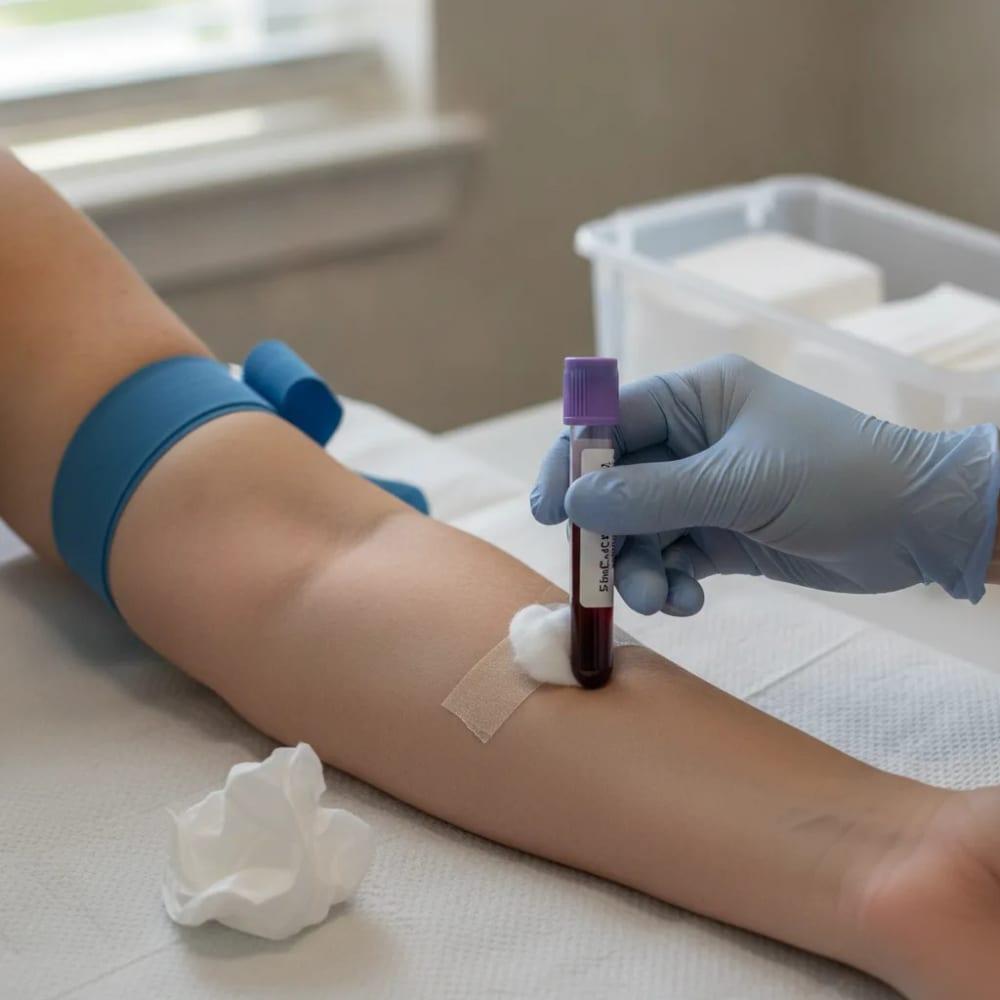
What to Expect During Your FirstLow Libido Visit in Lake Mary
You have made the appointment. What happens next? We hear that question often, so let us explain the process.
Your first visit is more a conversation than a medical exam. We sit down with you, ask specific questions about your symptoms, and listen carefully. We avoid rushing or judging. Most women tell us they have never had a provider spend this much time on their concerns. This approach is important to us.
Your First Visit Step by Step
- We review your complete health history, including medications, stress levels, sleep patterns, and how long you have noticed changes in desire.
- We order a hormone panel. This blood work checks estrogen, progesterone, testosterone, thyroid markers, and other levels. These directly affect libido.
- Once results return, we review every number with you in plain language. We explain all lab printouts clearly.
- Together, we build a treatment plan based on what your labs show. We do not guess.
- We schedule a follow-up to track your response and adjust the plan if needed.
The whole process is medically supervised throughout. This is an important detail. Hormone levels require careful monitoring. We take that seriously at our Lake Mary clinic.
Almost every week, we see this: a woman walks in thinking she just needs to “push through” her symptoms. By the time we review her labs, a clear hormonal imbalance drives her symptoms. The imbalance is not imaginary; it is evident in her bloodwork.
Most patients are surprised by this: the visit itself is comfortable. You do not need to prepare anything special or bring a partner. Simply come as you are. We will handle the rest.
Follow-up visits are shorter. We recheck levels, discuss what has changed, and fine-tune your plan. Some women near the Heathrow area stop in during a lunch break. It can be that straightforward.
The most important outcome? You will leave that first appointment with clarity. You will receive real answers, not vague advice.

Preparing for Your First Visit
You do not need to have everything understood before you walk through our door. That is precisely our purpose.
A little preparation can make your first appointment smoother and more productive. We see women every week who are not sure what to expect. Here is a brief overview of how you can help us assist you faster.
What to Bring and Do Before You Come In
- Write down your symptoms. Beyond “low desire,” consider when things shifted, how your energy feels, and if sleep or mood have changed. Details are more important than you might think.
- List your current medications and supplements. This includes birth control, antidepressants, thyroid medications, and any magnesium you take at night. All of these can affect hormone levels.
- Bring any recent lab work. If your OB-GYN or primary care doctor conducted bloodwork in the last six months, please bring those results. This saves time and provides us with a head start.
- Eat a light meal beforehand. We may draw blood for a hormone panel during your visit. Being well-hydrated makes that process easier on everyone.
- Jot down your questions. Whatever concerns you. No question is too small or awkward. We have heard many questions in Lake Mary. Trust our experience.
Your first visit usually takes about 45 minutes to an hour. We will review your health history. We will discuss what you have been experiencing and run labs if needed. There is no pressure to commit to any treatment that day. Many women tell us they feel relieved just having someone listen carefully.
Consider this: many women near the Heathrow area and throughout Lake Mary come in thinking their symptoms are “just stress” or “just aging.” A proper hormone panel often reveals a different story. We look at testosterone, estrogen, progesterone, thyroid markers, and other indicators. These paint a full picture of what happens inside your body.
You will not leave confused. We walk you through every result. We explain what each number means for you specifically. Are you ready to take that first step? Give us a call to schedule a consultation.
Tracking Progress and Adjusting Your Treatment Plan
We tell every patient this: treatment for low libido is not a one-time fix. It is something we monitor closely. We adjust it when needed and fine-tune it over time.
We see this every week. A patient starts treatment and feels a noticeable shift in the first few weeks. Then, around month two or three, things may plateau. That does not mean the treatment failed. It means your body tells us it is time to recalibrate.
What We Track and When
Your follow-up visits are not just check-ins. They are where the important work happens. We use a combination of lab panels and your feedback to guide every decision. Here is what a typical monitoring schedule includes:
- Initial follow-up occurs four to six weeks after starting treatment. This reviews early responses and any side effects.
- A repeat hormone panel happens at the 90-day mark to measure changes in testosterone, estrogen, and other key levels.
- Ongoing quarterly reviews occur for the first year. This allows us to spot trends and make small adjustments before potential problems develop.
- Annual labs and symptom review take place once your levels are stable.
Lab numbers only tell part of the story. We want to know how you feel. Are you sleeping better? Has your energy returned? Do you desire intimacy again? Those answers matter as much as the lab report.
Sometimes a dosage change is sufficient. Other times we might shift the delivery method or address something else entirely. This could include thyroid function or stress hormones working against you. Women near the Heathrow area and throughout Lake Mary tell us they appreciate that we do not simply set it and forget it.
Not sure if your current plan is working effectively? Schedule a consultation so we can review your labs together.
Patients who remain engaged are often those who experience the outcomes. They track their symptoms, attend follow-ups, and tell us what is happening. This partnership makes the difference between adequate results and results that truly improve your daily life.

Book Your Consultation
Frequently Asked Questions
What happens during my first visit for low libido treatment in Lake Mary?
Your first visit is a conversation, not a rushed exam. We sit down with you at our Lake Mary clinic and ask about your symptoms, sleep, stress, and medications. Then we order a full hormone panel checking estrogen, testosterone, progesterone, and thyroid levels. You do not need to prepare anything special or bring a partner. Most women tell us no provider has ever spent this much time listening to their concerns before.
Is low sex drive just a normal part of aging?
No, low libido is a medical concern with real, treatable causes, not something you must simply accept. Many women near Heathrow have been told “it is just stress” or “it happens with age.” That answer is not enough. Declining testosterone and estrogen, thyroid imbalances, and certain medications all play a real role. Once we see your lab results, we usually find a clear hormonal reason behind what you are feeling.
How long does it take to get results after starting treatment?
Most women notice changes within a few weeks of starting a plan based on their lab results. We schedule a follow-up visit to recheck your levels and see how you are responding. This appointment is shorter than your first one. Some patients near Heathrow stop in during a lunch break because it is that quick. We adjust your plan as needed until your numbers and symptoms both improve.
Do I need to bring my partner to my appointment?
No, you do not need a partner with you for any part of the process. Your visit is between you and your provider, focused on your health history, symptoms, and lab work. Many women in Lake Mary come alone and feel more comfortable speaking openly that way. If you want your partner involved later, that is your choice. The treatment plan is built around your body and your labs, not anyone else’s schedule.
What causes low libido in women?
Low libido usually comes from a mix of hormonal and lifestyle factors, not one single cause. Declining testosterone and estrogen, thyroid problems, chronic stress, poor sleep, and certain medications like antidepressants or birth control can all lower desire. Testosterone matters more than most women realize, since even a small drop affects arousal and satisfaction. We run a full hormone panel at our Lake Mary clinic so we know your exact levels instead of guessing.
Ready for a Svelte transformation?
Take the first step toward better health and metabolic stability today.
Our team is here to support you.