
Home » Women’s Health Clinic — Lake Mary » Hot Flashes and Night Sweats Treatment in Lake Mary | Svelte Medical Weight Loss – Lake Mary
Low Libido Treatment for Women in Lake Mary | Svelte Medical Weight Loss - Lake Mary
Preparing for Your First Appointment in Lake Mary

You do not need to do anything complex before coming in. A little preparation helps us get you answers faster.
We see patients every week who feel nervous, unsure what to expect. This is normal. Here is what helps us help you:
- Track your symptoms for a few days. Write down when hot flashes occur, how long they last, and any apparent triggers. Note night sweats, including if you wake up once or four times. This provides a clear picture instead of relying on guesses.
- Bring a list of your current medications and supplements. Include everything: birth control, thyroid medications, vitamins, and herbal products. Some can directly affect hormone levels. We need to know about all of them.
- Write down your questions. It is easy to forget what you wanted to ask once you are in the exam room. Jot them on your phone or a piece of paper. No question is too small.
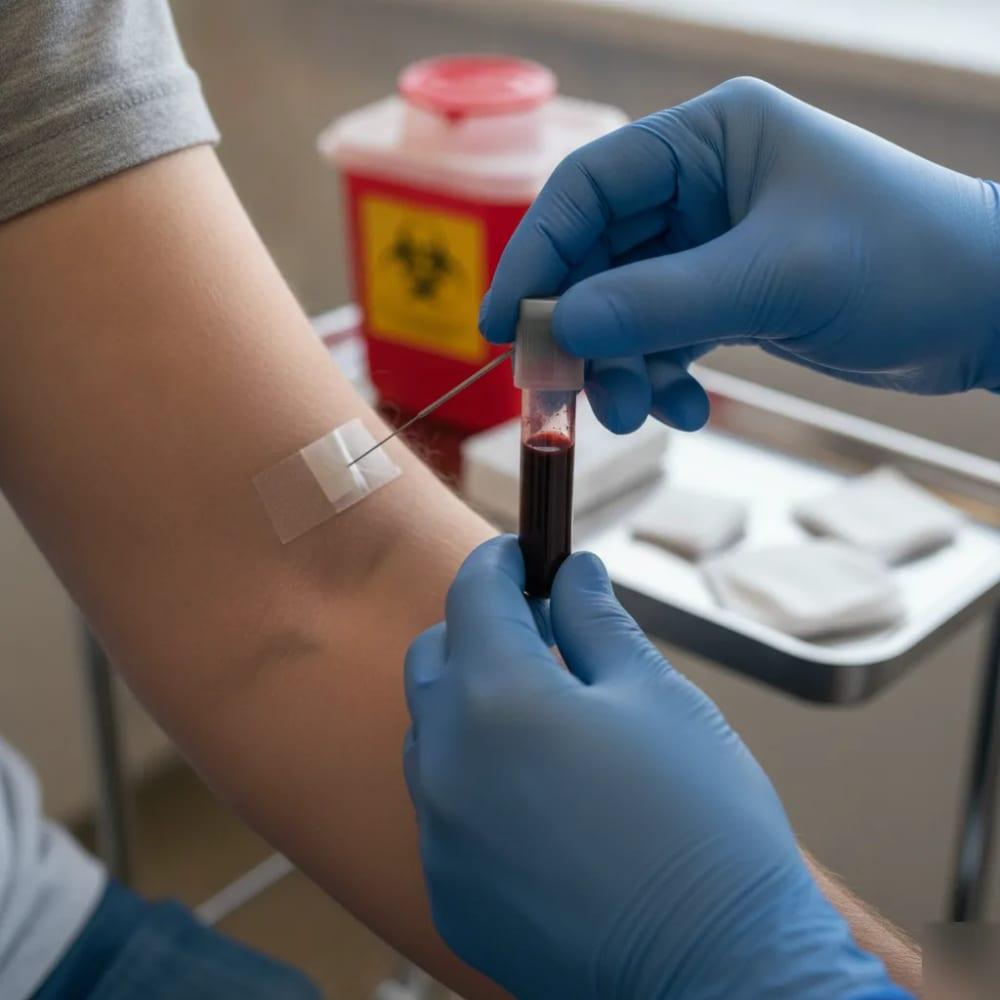
- Come hydrated and ready for bloodwork. We will likely order a hormone panel during your first visit. Staying hydrated makes the blood draw quicker and easier for you.
Most of our Lake Mary patients are surprised by how straightforward the first visit is. We sit down together, review your symptom history, discuss your current concerns, and determine whether hormone levels are the root cause. No rushing. No pressure.
If you have already had labs done by another provider in the last 60 days, please bring those results. We can often use recent bloodwork to save you time and start a plan sooner.
Many women near the Heathrow area tell us, “I was not sure this was bad enough to come in for.” It is. Treatment for hot flashes and night sweats begins with showing up. If your sleep is disrupted or you dread social situations due to sudden flushing, that is worth investigating. There is often a clear hormonal explanation and a clear path forward.
Your first appointment usually takes about 45 minutes. You will leave knowing exactly what we are testing for and what the next steps look like.
What Happens During Treatment and Follow-Up Care
You have completed the initial steps. You showed up, got your labs drawn, and discussed your concerns. We then move into treatment and follow-up care.
Your first treatment visit at our women’s HRT clinic near me in Lake Mary is straightforward. We review your lab results with you in plain language, avoiding confusing medical jargon. We explain your hormone levels, what might be imbalanced, and discuss our recommendations to help reduce your hot flashes and night sweats. Most patients tell us they feel relieved hearing a clear explanation.
What the First Few Weeks Look Like
Depending on your plan, treatment might include bioidentical hormones, lifestyle adjustments, or both. We see this every week: a woman comes in exhausted from months of broken sleep and drenched pajamas. Within a few weeks of starting treatment, she often sleeps through the night again. We are honest about timelines; some patients notice changes quickly, while others need six to eight weeks before symptoms start fading.
We schedule a follow-up around the four to six week mark. This visit is important.
During follow-up appointments, we check the following:
- We ask about symptom frequency: Are hot flashes happening less often? Are night sweats still waking you up?
- We recheck hormone levels with updated bloodwork to see how your body is responding.
- We adjust dosing if needed. Small changes can make a big difference.
- We review any side effects or new concerns you have noticed.
This is not a “set it and forget it” situation. Your body changes over time, and your hormone levels shift with stress, age, and seasons. We stay involved. Patients near the Heathrow area and throughout Lake Mary return every few months for monitoring. This ongoing medical supervision separates real treatment from guesswork.
Wondering if you will need treatment forever? Not necessarily. Some women eventually taper off as their body adjusts. Others prefer to continue because the relief is significant. We determine that together over time, based on your labs and how you feel. Ready to talk about your options? Give us a call and schedule a consultation.
Tracking Relief and Adjusting Your Plan Over Time
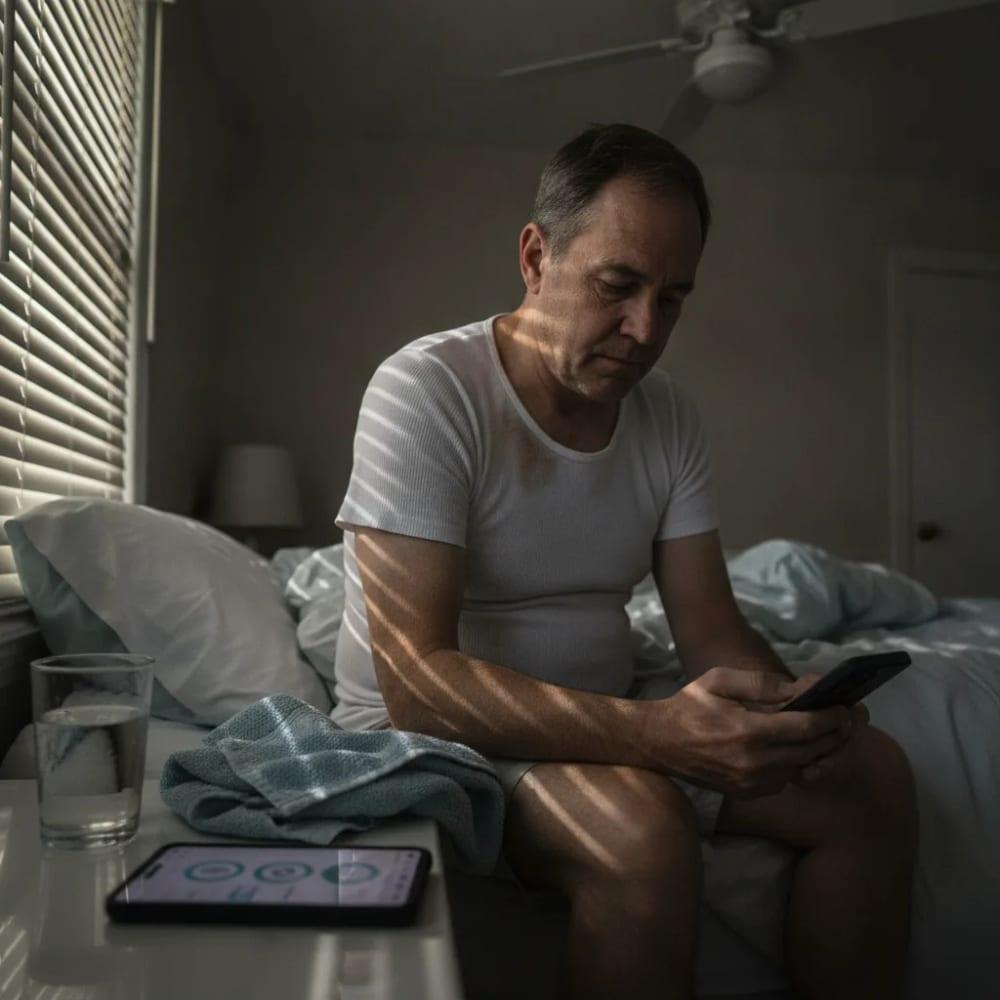
Treatment for hot flashes and night sweats is not a “set it and forget it” situation. Your body changes, and your hormone levels shift. What works perfectly in month two might need an adjustment by month six.
We build follow-up into every treatment plan from the start. We see patients in Lake Mary who felt very good for weeks, then noticed a slight return of symptoms. This does not mean the treatment failed; it means your body is providing useful information. We listen to it.
What We’re Watching For
At your follow-up visits, we look beyond just whether the hot flashes stopped. We track several markers together:
- How often you are still waking up at night
- Changes in your energy, mood, and sleep quality
- Updated lab work showing current hormone levels
- Any new symptoms or side effects since your last visit
Often, the first adjustment is small. It might be a slight dose change or a different delivery method. Sometimes we shift the timing of when you take something. These small adjustments can make a big difference in how you feel day to day.
Most patients near the Heathrow area tell us they are surprised how much better the second round of labs looks compared to where they started. Seeing those numbers move provides confidence that the plan is working.
We also ask you to keep a simple log between visits. There is no need for anything fancy. Just note when hot flashes happen, their intensity, and whether night sweats woke you up. This provides data we cannot get from bloodwork alone. Your experience matters as much as the lab results.
Some patients need adjustments every few months at first. Others settle into a stable routine quickly. There is no single timeline. We stay involved either way. Our medical team reviews your progress at every check-in so nothing gets missed.
Our goal in Lake Mary is consistent: fewer disruptions, better sleep, and a treatment plan that keeps pace with your life instead of falling behind it.
Book Your Consultation
Frequently Asked Questions
How many hot flashes a day means I should come in for treatment?
If you’re having more than four or five episodes daily, it’s time to book a visit. We also watch for night sweats that soak through sheets, sleep loss, and mood changes. One symptom alone might feel manageable. But when several hit together, your quality of life takes a real hit. Our Lake Mary office sees this combination often, and a hormone panel usually gives us the answer fast.
What should I bring to my first appointment at your Lake Mary clinic?
Bring a list of every medication and supplement you take, plus a few days of symptom notes. Write down when hot flashes hit, how long they last, and how often night sweats wake you up. Come hydrated, since we’ll likely order bloodwork that day. If you’ve had labs done elsewhere in the last 60 days, bring those too. It saves time and helps us start your plan sooner.
How soon will I notice improvement after starting treatment?
Many patients start sleeping through the night within a few weeks of beginning hormone therapy. Non-hormonal options like certain SSRIs or gabapentin can also show results in a similar timeframe. Your provider should check in regularly, adjust doses, and swap medications if something isn’t working. This ongoing monitoring is what separates a real treatment plan from just guessing and hoping symptoms fade on their own.
Do I have to choose hormone therapy, or are there other options?
No, hormone therapy isn’t your only choice. We review both hormonal and non-hormonal paths with every patient at our Lake Mary clinic. Options include SSRIs, SNRIs, gabapentin for nighttime symptoms, and cognitive behavioral therapy. Your medical history and personal comfort guide the decision. Women with certain cancers or blood clot history often do better with a non-hormonal approach, which we determine through labs and a full health review.
Can men experience night sweats too, or is this only a women’s issue?
Yes, men can experience night sweats, often linked to low testosterone rather than menopause. We’ve seen male patients near the Heathrow area confused about waking up drenched, only to find their testosterone had dropped. Thyroid issues, stress-related cortisol spikes, and certain medications can also cause these symptoms in anyone. A hormone panel helps us pinpoint the real cause instead of guessing at a fix.
Is it normal to feel unsure whether my symptoms are “bad enough” to see someone?
Yes, this is one of the most common things we hear from Lake Mary patients. Many women near Heathrow tell us they weren’t sure their symptoms warranted a visit. If your sleep is disrupted or you’re avoiding social plans because of sudden flushing, it’s worth addressing. You don’t need a complex reason to come in. Showing up and getting a hormone panel is the first real step forward.
Ready for a Svelte transformation?
Take the first step toward better health and metabolic stability today.
Our team is here to support you.