
Home » Women’s Health Clinic — Lake Mary » Hormone Pellet Therapy for Women in Lake Mary | Svelte Medical Weight Loss – Lake Mary
Hormone Pellet Therapy for Women in Lake Mary | Svelte Medical Weight Loss - Lake Mary
Recognizing the Signs ofHormone Imbalance

You might sleep eight hours, yet still wake up exhausted. Your mood shifts without warning. The weight around your midsection will not budge, no matter what you do. These are not simply signs of aging. They are signals your body is sending. As a women’s health specialist Lake Mary residents trust, we hear about these concerns every day and we know how to find the answers.
Hormone imbalance in women can appear in ways that seem unrelated at first. This is often tricky. You might blame stress or a busy schedule, when the real issue could be declining estrogen, progesterone, or even testosterone levels. We often see this pattern with women in their late 30s through their 60s who have been told everything looks “normal” on basic bloodwork.
Here are the most common signs we hear about during consultations:
- Persistent fatigue that coffee cannot fix
- Hot flashes or night sweats disrupting sleep
- Brain fog, trouble concentrating, or forgetting simple things
- Low libido or discomfort during intimacy
- Irritability, anxiety, or mood swings that feel out of character
Some women notice one or two of these; others deal with all of them at once. Many have been living with these symptoms for years before they recognize the connection. One patient from the Heathrow area told us she thought she was “just getting older” for nearly three years before a friend mentioned hormone pellet therapy for women. Three months after starting treatment, she said she felt like herself again.
Not sure if what you are experiencing is hormone-related? This is common. The overlap between hormone imbalance and general stress or thyroid issues can make self-diagnosis difficult. We start every patient with a full hormone panel. We get real numbers on paper, so there is no guessing.
Your symptoms are real, they matter, and they can often be explained by something measurable in your blood. The first step is finding out where your levels stand.
Choosing Pellet Therapy OverOther HRT Methods
You have probably looked into patches, pills, and creams. Perhaps you have even tried one. So, why do many women in Lake Mary switch to pellet therapy instead?
Consistency is key. Pills and creams create peaks and valleys in your hormone levels throughout the day. You take a pill in the morning, your levels may spike, then they can drop by evening. Creams can transfer to your kids or partner through skin contact. Patches may fall off in Florida humidity. We often hear about these frustrations.
What Makes Pellets Different
Pellet therapy delivers a steady, low dose of hormones directly into your bloodstream. There is no daily routine, and no forgetting a dose at 7 a.m. because your morning got away from you. The pellet sits just under the skin and releases hormones based on your cardiac output. This means your body gets more when it is active, and less when it is at rest. It mimics the natural hormone production of your ovaries.
Here are common reasons our patients choose pellets over other methods:
- No daily pills, patches, or messy creams to remember
- Steady hormone levels instead of the roller coaster effect
- Fewer office visits since pellets last three to four months
- Lower risk of user error or missed doses
There is also a practical side. Women near the Timacuan area tell us they tried creams but could not hug their grandkids immediately after applying them. That is not a small concern.
However, pellets are not right for everyone. We always start with bloodwork and a thorough conversation about your symptoms, your medical history, and what you hope to achieve. According to the North American Menopause Society, hormone therapy decisions should be based on each woman’s risk profile. We follow this approach, and we encourage patients to review this hormone therapy evidence resource from the U.S. government for additional context on outcomes research.
Our goal is not to push one method over another. It is to find what works for your body. Most women find the steady levels pellets provide preferable to a daily routine.
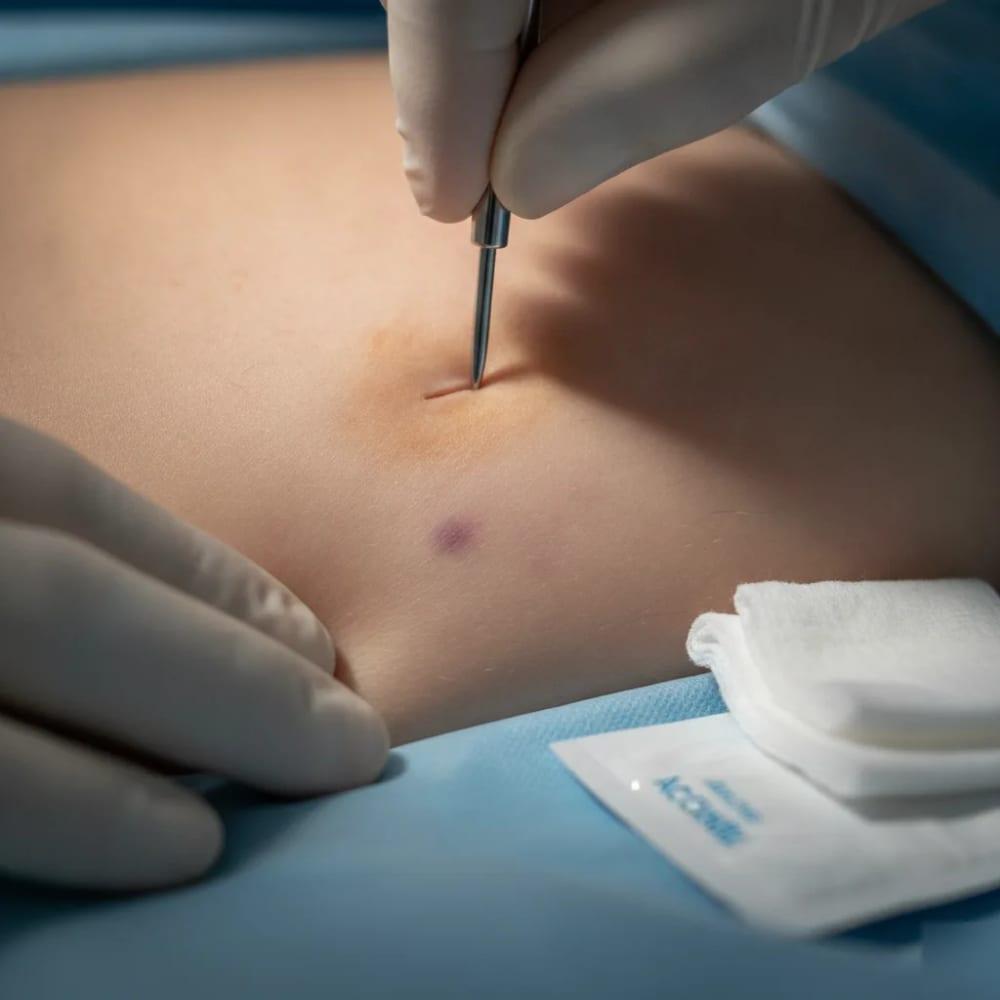
Preparing for Your Pellet Insertion Visit
Most women who visit our Lake Mary clinic feel a little nervous before their first pellet insertion. That is normal. There is very little you need to do ahead of time, and the visit itself is quick and straightforward.
We ask you to complete a few simple steps before your appointment:
- Get your bloodwork done. We order a hormone panel so we can see where your levels are. This is not guesswork. Your estradiol, testosterone, and thyroid numbers guide every decision we make about dosing.
- Stop certain supplements. We ask you to avoid fish oil, vitamin E, and anti-inflammatory medications like ibuprofen for about five to seven days before insertion. These can thin your blood and increase bruising at the insertion site.
- Wear loose, comfortable clothing. The pellet goes in through a tiny incision near your upper hip area. Tight waistbands pressing against that spot will not feel great afterward.
- Eat a light meal beforehand. Do not come in on an empty stomach. A light meal helps you feel comfortable during the procedure.
Many patients ask about taking time off work; it is not necessary. Most women drive themselves to and from the appointment without issue. The insertion takes about ten minutes, and we use local numbing so you will not feel the insertion.
One thing we often see is women putting this off for months because they think it is more involved than it is. It is not surgery or a complex procedure. We use a small numbed area, make a tiny incision smaller than a pencil eraser, and place a rice-sized pellet just under the skin. That is all.
After the procedure, we will go over a short list of activity restrictions. No heavy lower body exercise or submerging in water for about five days. Walking is fine, as is returning to your normal routine in the Heathrow area or elsewhere around Lake Mary.
Want to get your labs scheduled so we can begin? Give us a call, and we will guide you through the next step.
What Happens DuringPellet Insertion in Lake Mary
Most women tell us the anticipation is worse than the actual procedure. We hear it often. We will explain what happens when you come in for your pellet insertion.
The whole thing takes about 15 minutes. Here is the step-by-step process:
- We clean a small area on your upper hip or buttock with antiseptic.
- A local anesthetic numbs the insertion site. You will feel a tiny pinch, then nothing.
- Our provider makes an incision smaller than a pencil eraser.
- The pellet, about the size of a grain of rice, gets placed just under the skin into the fatty tissue.
- We close the site with a small adhesive strip. No stitches are needed.
- Aftercare instructions are provided, and you may leave.
That is it. No IV, no sedation, no recovery room.
You can drive yourself home. Most of our Lake Mary patients go right back to work or run errands after their appointment. We ask you to skip intense lower-body exercise for about 48 to 72 hours. Activities like squats, cycling, and heavy lifting should wait. Walking and light activity are fine.
What the Pellet Does Once It Is In
The pellet sits in the fatty tissue and releases a steady, low dose of bioidentical hormones directly into your bloodstream. Unlike pills or patches that create peaks and valleys throughout the day, the pellet mimics how your body used to produce hormones naturally. Your cardiac output and activity level influence the release rate, so the pellet responds to your body’s needs as needed.
Wondering when you will start feeling different? Most women notice changes within two to three weeks. Full results can take four to six weeks to become apparent. During this time, we monitor your levels closely. If anything feels off, we are a quick phone call away.
We always remind patients near the Heathrow area and throughout Lake Mary to keep the insertion site dry for 24 hours. Skip the pool or hot tub for about five days. These small steps help proper healing.
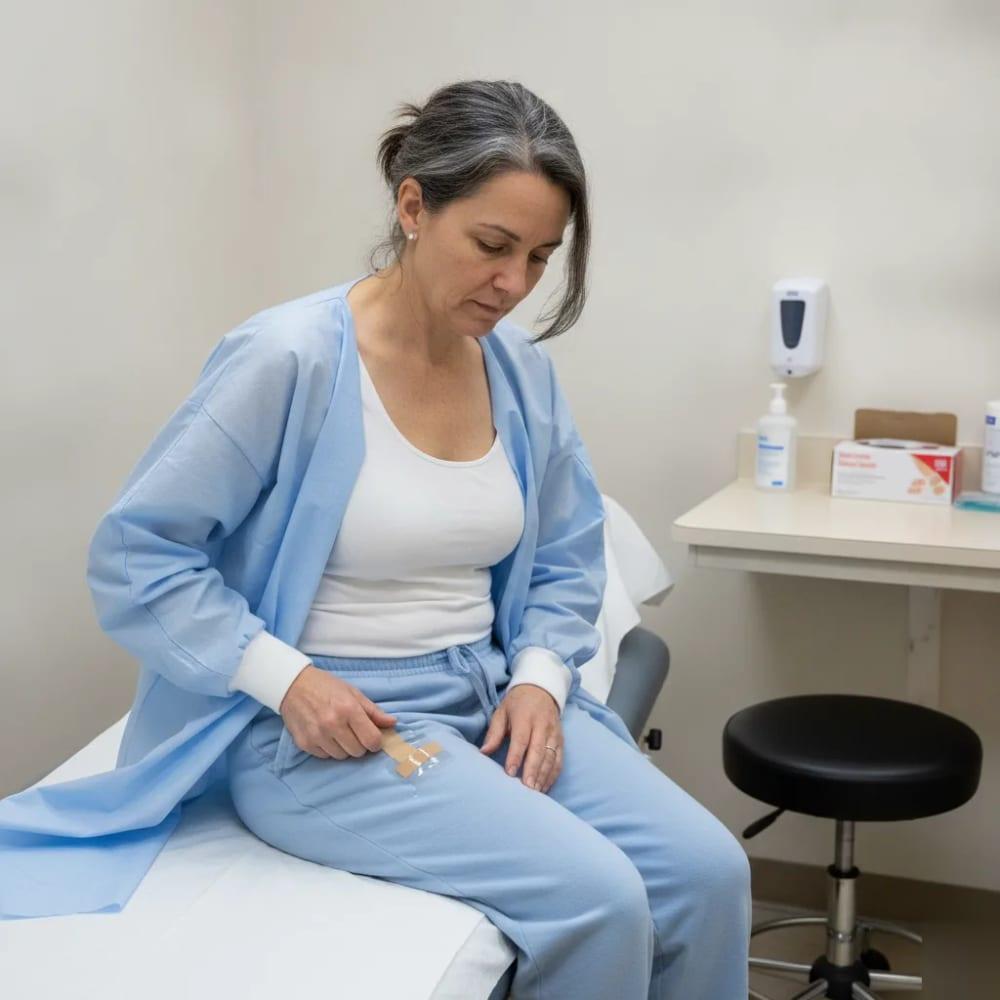
Healing and Follow-Up After Your Procedure
Most women walk out of our Lake Mary office and go right back to their day. That is not an exaggeration.
The insertion site is tiny. We are talking about a small area on the upper hip or buttock, closed with a thin adhesive strip. You might notice mild soreness for a day or two. Some light bruising is normal. There is minimal downtime. We ask you to follow a few simple guidelines for the first 72 hours after your pellet insertion:
- Keep the insertion site clean and dry for at least 24 hours.
- Avoid lower body exercise, heavy lifting, and swimming for three to five days.
- Leave the adhesive strip in place until it falls off on its own.
- Skip baths and hot tubs for the first week. Showers are fine after the first day.
- Watch for any unusual redness or swelling and call us if something does not look right
By the end of the week, women tell us they forgot the site was even there.
This treatment does not work like flipping a switch. Your body absorbs the pellet slowly over weeks. Some women start feeling changes in energy and sleep within seven to ten days. Others notice the most noticeable changes around week three or four. We set expectations early so you are not wondering if something went wrong when you do not feel different right away.
We schedule a follow-up blood panel about four to six weeks after insertion. This tells us where your hormone levels are. It is how we confirm the dose is right for your body, not just a number on a chart. If anything needs adjusting, we address it then.
That follow-up visit is important for many patients. We see women near the Timacuan area and across Lake Mary who felt “fine” but whose labs showed room for real improvement. Your symptoms are one piece of the picture. Your bloodwork is the other. We look at both, every time, because that is how responsible hormone management works under proper medical supervision.

Book Your Consultation
Frequently Asked Questions
How long does a pellet insertion appointment take?
The insertion itself takes about ten minutes. We numb the area near your upper hip first, so you will not feel the tiny incision. Most Lake Mary patients are surprised at how quick the whole visit feels once bloodwork is already done. You can drive yourself home right after. There is no need to take the day off work or arrange a ride, since this is a simple in-office procedure, not surgery.
What should I do to prepare before my visit?
Stop taking fish oil, vitamin E, and ibuprofen about five to seven days before your appointment. These can thin your blood and increase bruising at the insertion site. Wear loose, comfortable clothing since the pellet goes in near your upper hip area. Eat a light meal beforehand so you feel steady during the procedure. We also schedule your hormone panel first, so dosing decisions are based on real numbers, not guesswork.
What happens after the pellet is inserted?
You will get a short list of activity restrictions to follow for about five days. Avoid heavy lower body exercise and skip submerging in water, like baths or pools. Walking is fine, and you can return to your normal routine right away, whether you are in Heathrow or elsewhere around Lake Mary. Most women notice changes in energy and mood within a few weeks. The pellets last three to four months before you need another insertion.
How do I know if my symptoms are actually hormone-related?
The only way to know for sure is with a full hormone panel. Fatigue, brain fog, and mood swings can overlap with stress or thyroid issues, which makes self-diagnosis tricky. We test your estradiol, testosterone, and thyroid levels before recommending anything. One patient from the Heathrow area spent nearly three years thinking she was just getting older before testing showed a clear hormone imbalance. Real numbers take the guesswork out of the equation.
Why do women in Lake Mary choose pellets over creams or patches?
Pellets give you steady hormone levels without a daily routine to remember. Creams can transfer to your kids or partner through skin contact, and Florida humidity can make patches lose their hold. Women near the Timacuan area have told us they could not hug their grandkids right after applying cream. Pellets remove that worry, since there is nothing to reapply and no daily peaks or valleys to manage.
Ready for a Svelte transformation?
Take the first step toward better health and metabolic stability today.
Our team is here to support you.