
Home » Women’s Health Clinic — Lake Mary » Female Hormone Testing in Lake Mary | Svelte Medical Weight Loss – Lake Mary
Female Hormone Testing in Lake Mary | Svelte Medical Weight Loss - Lake Mary
When Do Women NeedHormone Testing?

You feel tired all the time. I’m not talking about a tiredness you can fix with a good night’s sleep. I’m talking about the kind that is in your bones at 2 p.m. even if you’ve slept 8 hours.
This is one of the most common things women will tell us when they come into our women’s health clinic Lake Mary FL. They’re tired and have tried everything to fix this. Drink more water, take more vitamins, and remove sugar. None of these have worked and nobody has tested them for hormones.
Female hormone testing can give you the answers you need. Most women don’t know when they should get tested. The most common reasons we see our female patients for testing:
- Tired no matter how much you sleep or change your lifestyle
- Irregular menstruation (heavy, light, or missing)
- Changes in mood that you don’t like (irritable, anxious, etc.)
- Trouble sleeping through the night and waking between 2 and 4 am
- Weight gain that won’t budge (especially around the midsection despite diet or exercise)
Other things our patients experience that may need testing are thinning hair, loss of libido, or brain fog that is so bad you forget why you walked into a room. This can be symptoms of menopause, or it could be something else. The reality is that one of the most important aspects of the female body is hormone balance. Estrogen, progesterone, testosterone, thyroid hormones and cortisol work hand in hand with each other. If you have a problem with one hormone it is most likely affecting the others. So, you can never diagnose a problem on one symptom alone, but the symptoms will often give us a clue as to what to focus on.
Many of our patients in Heathrow and Lake Mary tell us they have been told by other medical professionals that there was nothing wrong with them. Often, they had been tested by their primary care doctor and their results showed a “normal” range. The problem is a lot of these “basic” blood panels are done by standard labs and don’t include specific women’s hormones. Federal health guidance encourages women to schedule annual well-woman hormone checkups so changes in your hormone patterns get caught before symptoms become severe. These tests will tell us what you need to do for better hormone balance. Are you unsure if what you are feeling is because of hormones? This is not unusual. Most women that come to us to get tested don’t know whether or not hormones are the culprit. They just know that something is not right. This is why you should always listen to your gut instinct.
What Do Women's HormonePanels Test?
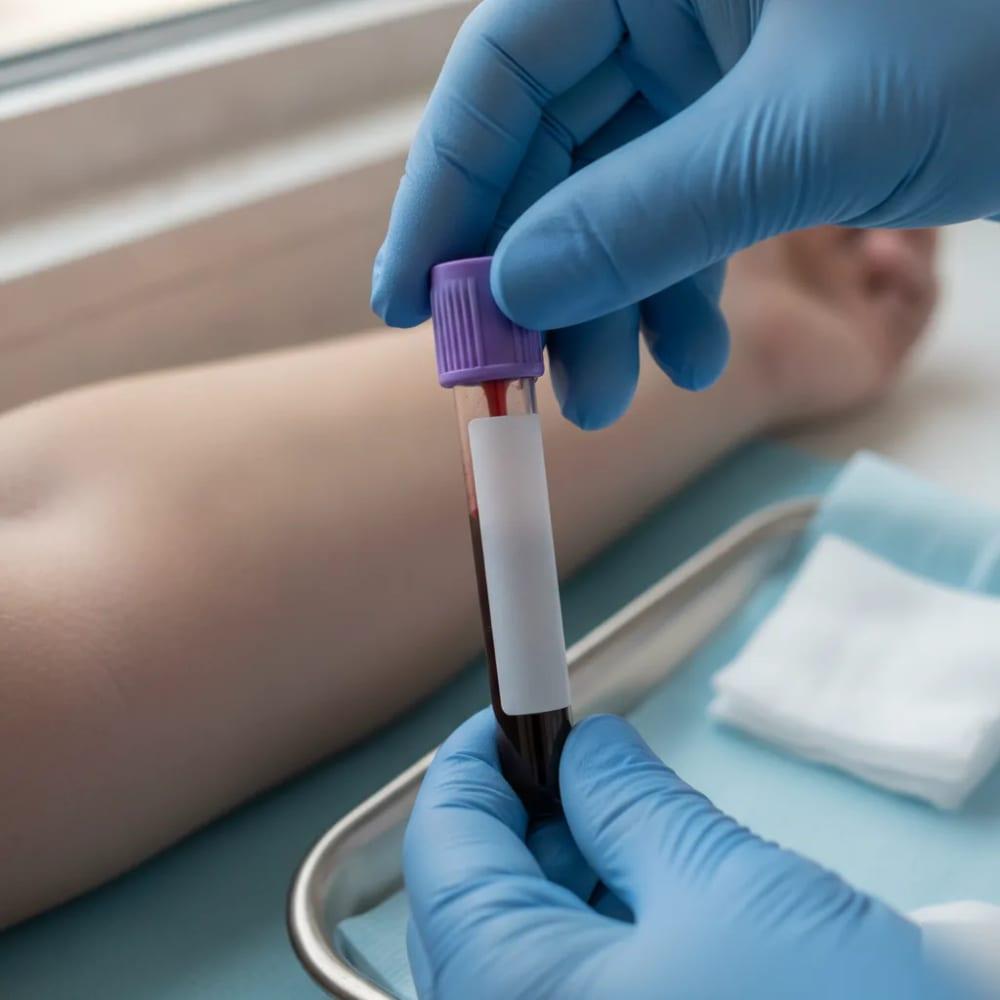
Most of our patients that walk into our clinic in Lake Mary have a pretty good idea that they may have a hormone imbalance. Some of the symptoms we are constantly seeing that could be an imbalance include fatigue that never seems to leave them, menstrual periods that are completely erratic or mood changes that they can not explain. Female hormone testing can give you the answers. Instead of guessing you can see actual numbers.
A women’s hormone panel doesn’t give one result. You will see several results that show you how your body is functioning and how your endocrine system is operating at the moment. We see patients every week who’ve been told their labs are “normal” by another provider, only to find that nobody checked the right hormones or checked them at the right time in their cycle.
Key Markers We Check
Every panel we run is built around the hormones that matter most for how you feel day to day:
- Estradiol (E2) is the primary form of estrogen. It affects your skin, bones, mood, and menstrual regularity.
- Progesterone works alongside estrogen. Low levels can cause anxiety, insomnia, and irregular periods.
- Testosterone matters for women too. It plays a role in energy, libido, and muscle tone.
- DHEA-S is an adrenal hormone. It gives us a window into how your stress response is holding up.
- Thyroid markers (TSH, Free T3, Free T4) often overlap with hormone imbalance symptoms, so we include them.
We also look at follicle-stimulating hormone and luteinizing hormone when perimenopause or fertility concerns are part of the picture. These two markers tell us a lot about where you are in your reproductive timeline.
Here’s something worth knowing. According to the Endocrine Society, hormone levels can shift dramatically depending on the day of your cycle, your stress load, even the time of morning your blood is drawn. That’s why timing matters so much. We don’t just hand you a lab slip and send you off. Our team walks you through exactly when to get your blood drawn so the results actually mean something. The issue isn’t that testing wasn’t done. It’s that it wasn’t done thoroughly enough.
Cycle Timing ChangesYour Results
This is something we explain almost every day. A woman comes into our Lake Mary clinic frustrated because her lab work looked “normal,” but she still feels terrible. Often, the blood draw happened on the wrong day of her cycle.
Your hormones don’t stay at one level all month. They shift constantly. Estradiol, progesterone, LH, FSH. Each one peaks and dips at different points across your cycle. If we draw your blood on day 5, we’ll see a completely different picture than day 21. That’s not a flaw in the testing. That’s how female biology works, and your testing protocol needs to account for it.
When We Time Each Hormone
Here’s how we typically approach cycle timing for female hormone testing:
- We ask about your last period, cycle length, and whether your cycles are regular or unpredictable.
- For estradiol and FSH, we usually draw on day 2 or 3 of your cycle. This gives us your baseline before ovulation ramps things up.
- For progesterone, we recommend waiting until around day 19 to day 22. That’s the time when progesterone should be highest, if ovulation has occurred.
If your cycles are irregular or if you haven’t had a period, we adjust the testing and may do any day testing with other hormones to make up for it. Skipping this step is one of the most common hormone testing errors we see from women in the Heathrow area, showing up with blood work done elsewhere on day 8, and asking, “Why is progesterone low?” Progesterone is SUPPOSED to be low on day 8! Perimenopause or postmenopause? This changes again. If you’re past a typical menstrual cycle, we can use symptoms and testing panels separated by a few weeks. If you are not sure where you are in your cycle, that’s very common and our team will guide you on where in your cycle you need to be for testing before you even get scheduled for your blood draw. We want to do the testing once and get the results you need to move forward in your journey, rather than doing a blood draw and not getting meaningful results.
What Happens DuringFemale Hormone Testingin Lake Mary?
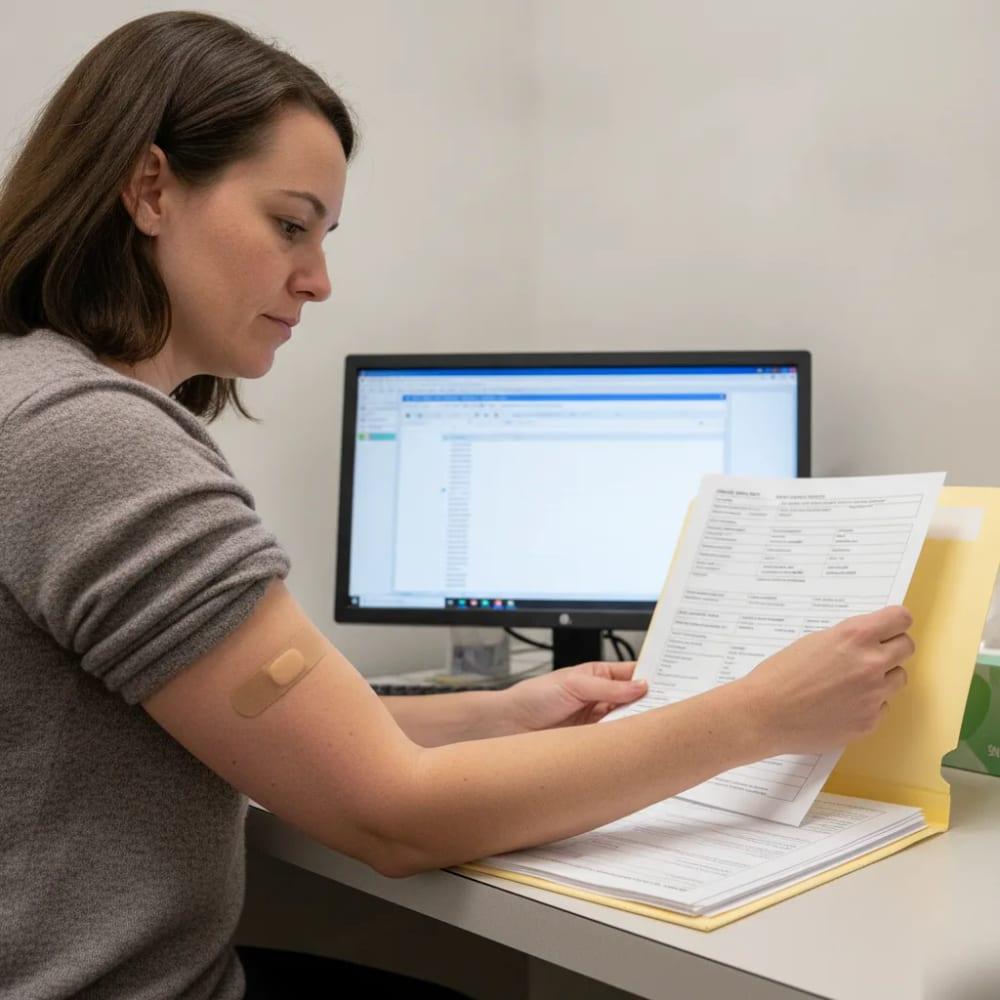
Most women who come to our office have been living with the symptoms for months, sometimes years, before getting the lab work done. They’ve tried changing their diet, exercise, supplements, or even hormones prescribed elsewhere, but nothing helped. That’s a good time for testing, as the information will help your doctor figure out what’s going on. A female hormone test in Lake Mary starts with a blood draw, which is simple and painless, but very informative for your body’s hormones. We don’t take a guess about hormones, we get tested and tested.
Here is an example of what happens in your appointment:
- You come into our office and fill out a short questionnaire for our medical team about what you’re going through, your menstrual cycles and other symptoms you are noticing.
- You get your blood drawn and sent to the lab to measure estradiol, progesterone, testosterone, DHEA-S, thyroid and cortisol.
- Once you receive the results, we will schedule an appointment for you to see those results and go through them in detail.
Our doctor will review your test results and put them in the context of where they fall on a normal spectrum, not just as a value that may fall in and out of range and be deemed acceptable. This is the most important step of all. Oftentimes, a blood test will fall within the normal spectrum but isn’t right for YOU. This happens every single day for our patients. Progesterone levels may technically be within the normal range, but compared to your estradiol levels, they may be too low, leading to symptoms of hormonal imbalance like fatigue, mood instability and trouble sleeping. We will often recommend testing for hormones on a specific day of your menstrual cycle. Different days of the month, the hormone profile shifts. In the clinic, we have found that a blood sample drawn on day 3 tells us very different things about hormone activity compared to one drawn on day 21, or when you’re closer to your period. If someone is perimenopausal or the cycle is off, we adjust our expectations to account for those things. Lake Mary women tell us that’s exactly what they’re looking for when they come to us. Nobody wants a “we don’t see any problems on the labs” response, and we’re happy to say that is our patients’ number one complaint with many other providers.
Whether a woman is 32 or 60, whether she’s just getting started or she is perimenopausal or post-menopausal, the hormone panel is exactly the same. It’s the interpretation of the results that is different. So now that you’ve had your blood drawn, you have an appointment scheduled and the questions that you had when it’s going to be ready. You may even want to know where they go after it has been taken. ; we get those questions every day at our Lake Mary office. You don’t want to just be handed a printout of results and sent out the door. Your answers should be addressed and discussed so you understand. Most blood test results can be read within a few business days. Our providers will review all of the results before we get back to you and discuss them with you.
Your female hormone blood test may look at many or all of the following:
- Estradiol, This is one of the more obvious female hormones. This level should be looked at in relation to where a woman is in her cycle, or if she is in menopause.
- Progesterone, We review this level to determine how well your body is ovulating and how well you are functioning during the second phase of your cycle.
- FSH and LH, These are levels of brain hormones that communicate with the ovaries. FSH is a great way to identify perimenopause early in the process.
- Testosterone, The most surprising thing is this may be the most important female hormone to measure. Testosterone levels in women are directly related to energy, libido and mood.
- Thyroid levels, Thyroid issues often go hand-in-hand with or mimic other hormone imbalance symptoms. These values are compared to a standard range, and if they aren’t right they can often be a strong indicator of the issue.
Sometimes one value is not exactly what should be there and everything else is great. Sometimes all are perfect and one looks off. We look at the whole picture together. that some results fall within a reference range and others don’t. It is helpful to note that this standard range is broad and a result may actually fall within the standard normal but still not be normal for you. We look at your hormone levels and what they should be based on age, symptom pattern, and medical history, not just a lab reference range.
Women in Heathrow and across Lake Mary share this experience with us: they have had blood work drawn in the past and no one ever shared their results with them. This is a real lost opportunity for patients. When a patient knows their results, they are empowered to make good choices. We want to make sure you know what the results mean. During the time that our medical team has your blood results, we will review each one and let you know if the results appear normal or if any values look outside the normal range. For values that look off, we will talk about the various options that are available to address your specific hormonal concerns. Even when your results appear within a normal range, that is a good thing to know so you can take the appropriate steps to maintain your hormonal wellness for your unique circumstances and life circumstances.

Book Your Consultation
Frequently Asked Questions
What should I do to prepare for my hormone testing visit in Lake Mary?
Track your last period and cycle length before you come in. This helps us pick the right day to draw your blood. Bring a list of your symptoms, even ones that seem unrelated, like brain fog or hair thinning. Skip heavy exercise the morning of your appointment, since it can shift some results. If your cycles are irregular, just tell our Lake Mary team and we will adjust your testing plan so you still get clear answers.
How long does it take to get results, and what happens after testing?
Most patients get their results within about a week of their blood draw. Once we have your numbers, we schedule a follow-up visit to walk through what each hormone level means for you. We do not just hand you a printout and send you home. We explain how your estrogen, progesterone, and thyroid markers connect to the symptoms you told us about, then build a plan to bring your hormones back into balance.
Is parking easy at your Lake Mary clinic?
Yes, our Lake Mary office has convenient parking right outside, so you won’t waste time circling before your appointment. We know mornings are tight, especially if you’re squeezing in a blood draw before work or dropping kids off first. Many of our patients from Heathrow and nearby areas tell us how much they appreciate an easy, stress-free visit from the moment they pull in.
How do I know if my symptoms are actually caused by hormones?
The best way to know is through testing, not guessing. Fatigue that won’t lift, irregular periods, mood swings, and stubborn weight gain are all common signs we see in Lake Mary patients. But these symptoms can overlap with other issues too. That’s why we run a full panel instead of checking just one hormone. Your symptoms give us clues, and your results give us proof.
Why did my hormone labs come back normal even though I still feel awful?
This usually happens because the blood draw was done on the wrong day of your cycle. Hormones like estradiol and progesterone rise and fall throughout the month. Drawing blood on day 5 versus day 21 gives very different results. Standard labs often skip this timing step entirely. We ask about your cycle first, then schedule your draw for the day that actually shows what’s happening in your body.
What makes a women’s hormone panel different from a basic blood test?
A basic blood panel usually skips the specific hormones women need checked, like estradiol, progesterone, and DHEA-S. Our women’s hormone panel looks at these markers together, along with thyroid levels and testosterone, since they all affect each other. Many Lake Mary patients come to us after being told their basic labs looked normal, only to find nobody tested the right hormones at the right time.
Ready for a Svelte transformation?
Take the first step toward better health and metabolic stability today.
Our team is here to support you.