
Home » Women’s Health Clinic — Lake Mary » Estrogen and Progesterone Therapy in Lake Mary | Svelte Medical Weight Loss – Lake Mary
Low Testosterone Treatment for Women in Lake Mary | Svelte Medical Weight Loss - Lake Mary
When to Seek Estrogen and Progesterone Therapy in Lake Mary

Perhaps for months you have told yourself that what you are feeling is just normal aging. It could be the inability of the morning cup of coffee to restore your energy, sleep that is anything but restful, or a temper that you are prone to losing more easily these days. These are not normal aging issues. They are messages your body is sending you to let you know that something is not right.
Women arrive at our women’s health and hormone clinic in Lake Mary and voice these types of complaints in one way or another almost daily. They have tried to alter their diet, they have attempted to exercise more, they have even tried changing the supplements that they have been taking, only to have no results. They have been told over and over again that there are no solutions for what is happening to them and that this is just their new normal. However, this is not a lifestyle issue. It is a hormonal issue.
There are many signs that your body will let you know when there are hormonal imbalances or decreased levels of estrogen and/or progesterone present. Some of the most common of these include:
- Hot flashes and/or night sweats, which can interfere with your sleep
- Mood changes, including irritability, anger, and anxiety
- Mental fog, which can be a difficulty to focus at work
- A decreased libido, or a painful response to intimacy
- An increase in weight, including that around the abdomen, that you are unable to lose
- Changes in your menstrual cycles, including irregularity, increased flow, and cessation of menstruation
If this is sounding familiar, you are probably feeling more tired or frustrated than you have ever been. When women in Lake Mary present with three or more of these symptoms at once, and the results of their blood tests come back confirming that estrogen, progesterone, or both are off, there is usually a sigh of relief at finally knowing why they have not been feeling like themselves.
Although it is most common for these symptoms to begin for women in their early to mid-40s (which the North American Menopause Society indicates is true of many women), women of all ages can begin to experience these symptoms. This can even be seen in the Lake Mary area, including in the communities of Heathrow and Timacuan. For those weighing their options, it can help to review evidence-based guidance on hormone therapy in postmenopausal persons before starting treatment.
These hormonal symptoms, though, do overlap with other conditions. For example, low thyroid function or stress can all cause some of these same symptoms. Because of that fact, we do not just recommend estrogen or progesterone therapy based only on the symptoms. We first run bloodwork to determine what hormones may be out of balance in your body, and then recommend hormone treatment accordingly.
The important thing for all women in this situation is that you do not need to live with your symptoms. If you feel like you have been feeling as bad as the list above suggests you have been feeling, then the only way you are going to know if your symptoms are caused by low estrogen and/or progesterone levels is to have your hormone levels tested.
Types of Estrogen and Progesterone Treatment
This is the good news: there are a variety of treatments for low estrogen and low progesterone. However, the way in which women in Lake Mary receive hormone therapy can vary from one woman to the next.
Women come in almost daily to our Lake Mary practice to ask this very question and discuss options for their hormone replacement therapy. One woman may come in and be set on taking a pill because that is what her own mother used to use. Another woman may have heard about how great bioidentical cream treatments are from a friend. However, there is no “right” way to receive bioidentical hormone replacement therapy that applies to every patient. We carefully evaluate each woman’s medical history, symptoms, and test results when determining what type of hormone replacement treatment she needs. Not someone else’s experience.
Common Delivery Methods We Use
Here is a quick overview of what is available and how each one affects you:
- Oral tablets: Swallowed daily. Estrogen taken orally is metabolized by the liver which impacts clotting factors and cholesterol.
- Creams and gels: Rubbed into the skin. This allows the medication to enter the blood stream without being metabolized by the liver.
- Transdermal patches: Worn on the skin and changed at specified times. The delivery rate is very constant throughout the day.
- Pellet therapy: Hormones placed under the skin that leach out over the course of several months.
- Vaginal preparations: Localized estrogen used for dryness or discomfort that doesn’t require systemic treatment.
Just as important is the format of the progesterone we use. Oral micronized progesterone often helps with sleep, which we see all the time. Sometimes a woman might be better served with a cream or some other delivery mechanism due to her individual metabolism.
The form a patient starts on, often times is not what they think they want. A woman in the Timacuan vicinity thought she wanted pellets. Once her labs were discussed and her daily schedule were talked about, we started her on a transdermal patch and a oral progesterone, and within a couple of weeks, she felt better.
If you do not know which is, this is a frequent question we answer. We do not just decide; we review your labs, your signs/symptoms and your risk profiles before making a recommendation. Want to know more? Make an appointment with us and we can review your options.
Preparing for Your Initial Hormone Therapy Appointment
You have made the choice. The hardest part is over. Next you can make your first appointment with our office.
Most of the women who come to us in Lake Mary have already suffered from signs/symptoms for months, sometimes years. They have done everything from taking supplements, modifying their diet, losing sleep from online research, and more. When they call to make an appointment, they want answers immediately, but some basic preparation on their part goes a long way.
What to Bring and What to Know
Below is the information we ask that a patient come in with before their appointment:
- A list of symptoms you currently have, how long you have had them, hot flashes, emotional swings, sleep issues, loss of energy. Please include a frequency of any specific symptoms if you can.
- A list of all medications and supplements that you are currently taking, including non-prescription ones and even those you don’t think apply to this issue.
- All labs that you have had in the past six to twelve months. If you do not have this information, do not worry; we can order any needed tests in house.
- Consider your menstrual history, when your periods became irregular, when they stopped completely, what other changes or patterns occurred.
- Write down any goals you have. How do you want to feel when your hormone treatment is complete?
The final bullet point is more important than you might think. We encounter this every week. You can have two women with almost the same labs but different goals. Maybe one wants to sleep all night through again and one just wants to get her focus back again. This matters because estrogen and progesterone therapies aren’t one-size-fits-all. Your goals determine your treatment plan.
You don’t need to fast, unless otherwise advised, when your appointment comes up, and you do not need to discontinue any of your current medications.
Our Lake Mary, FL area of practice is structured such that your first visit will be more of a review than a routine appointment. We will discuss your medical history, review your labs (or collect new labs), and discuss what is going on with your results. Please do not be worried about asking any questions that you did not write down. It is better to spend an extra 10 minutes with us in the clinic than have to ask a question that you were not able to clarify before you left.

What To Expect with Estrogen and Progesterone Therapy
This is another question we hear frequently. Patients ask what the process of starting estrogen and progesterone treatment looks like. We completely understand this.
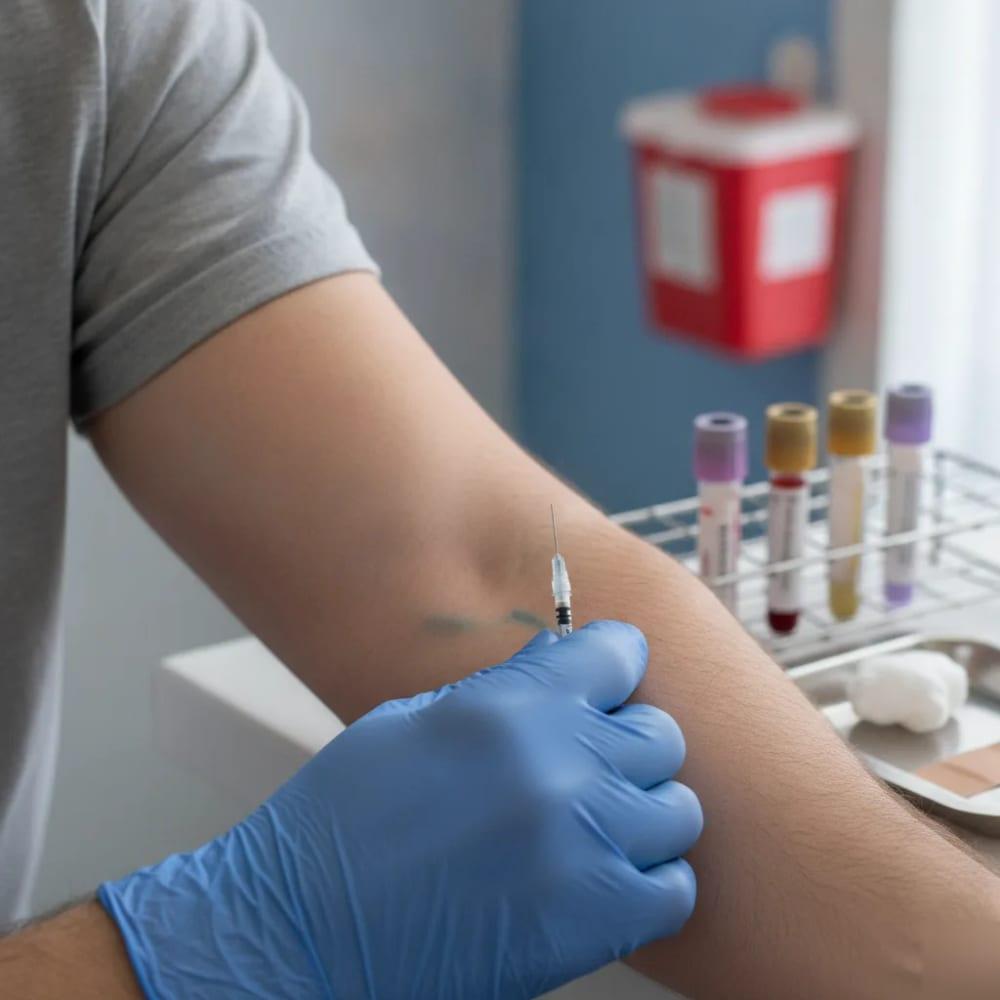
Hormone treatment for estrogen and progesterone begins with lab work. It is important that where your hormones are at the current time. We are not guessing or based on symptoms alone. Blood work will reveal which hormones are low and by how much. At our Lake Mary, FL hormone treatment clinic, we will discuss your labs with you and help you understand where your hormones are currently at.
- Your medical provider will review your labs, your symptoms, and your medical history with you.
- Your medical provider will develop a treatment plan for you based on your specific lab results and symptoms.
- You begin taking the type of estrogen and progesterone prescribed by your medical provider. It may be in the form of a cream, pellet or some other type.
- You will come in for another lab draw. This is usually 6, 8 weeks later to assess how your hormones are being absorbed and if there are adjustments needed.
- If your lab results need to be adjusted, your medical provider will make the necessary changes. This step is an extremely important part of treatment that many are not aware of.
This follow-up step is where the treatment really takes form. The first round of hormone treatment helps you to get where you should be, but “close” is not the standard we are looking for. We are looking for you to feel normal again.
Estrogen and progesterone work hand in hand with each other. Prescribing just one without the other can leave you with more symptoms than you had before. We regularly have women that come in from other clinics near Heathrow and Timacuan area who only took estrogen and still felt wrong. Adding in progesterone again usually results in significant improvement after a few weeks. All our visits are supervised by a licensed medical provider. No “hand a prescription and leave” style practice here. We monitor, adjust, and follow up with you. That is how good hormone therapy is done. If you are wondering if this process is right for you, contact us to set up an appointment to go over your labs.
Monitoring Progress and Adjusting Your Dose
Once you have started taking estrogen and progesterone, the next step is to make sure your levels are. We run a bloodwork at several points. Usually the first one is run in 4 to 6 weeks so the hormones have time to take full effect before being assessed. In other words, we want to see how you feel and look in the presence of the hormones before making the first assessment. I know this might sound a bit strange, but it happens every single week. Someone feels “better” but is not sure if it is “enough.” The results tell us where we stand.
Your follow-up labs do not necessarily involve a repeat of the initial panel. We look at a few key factors such as: Estradiol, to confirm absorption and dosage are adequate; Progesterone, especially for cyclical dosing; Thyroid and cortisol, which can change in response to changing sex hormones.
We take both the clinical findings and your feedback into account when deciding what needs to be changed. In many cases the first dose gets you pretty close. Close, however, is not good enough. We want you to feel like yourself, not just feel “a little less tired.” So we adjust the dose as needed. This can involve a slight increase in the estrogen dosage, for example. Or a change in when you take the progesterone. The point is we do not set your dose and leave it.
Our patients in Lake Mary often wonder how often they need to have lab work done. Typically once your levels stabilize, blood tests will be ordered every three to six months. This is not an arbitrary time frame, it is tailored to you and your individual case. Also, your estrogen dose three months into treatment may not be the right dosage for you at the 12-month mark. Your body may change, the way you sleep or your stress level may change. The medical providers who oversee your care monitor it all and will adjust accordingly if you require new protocols. It’s not as simple as setting your dose and leaving it. This is the phase where the true results occur, which usually does not happen on day one.

Book Your Consultation
Frequently Asked Questions
How do I know if I need estrogen and progesterone therapy?
You’ll know by matching your symptoms to your bloodwork results. If you have three or more signs like hot flashes, mood swings, brain fog, or weight gain that won’t budge, it’s time to get tested. We see women in Lake Mary every week who thought they were just getting older. Once their labs confirm low estrogen or progesterone, they finally understand what’s been happening. Testing is the only way to know for sure, not guessing based on symptoms alone.
What should I expect at my first hormone therapy appointment in Lake Mary?
Your first visit focuses on listening and testing, not handing you a prescription right away. We’ll talk through your symptoms, your health history, and what you’ve already tried. Then we run bloodwork to see exactly where your estrogen and progesterone levels stand. Women from Heathrow, Timacuan, and across Lake Mary come in expecting a quick fix, but the real value is in getting an accurate picture first. That’s what makes your treatment plan actually work.
How long does it take to feel better after starting hormone therapy?
Many women notice a difference within a couple of weeks, though full results can take a bit longer. It depends on the delivery method and your body’s response. One patient near Timacuan started on a transdermal patch with oral progesterone and felt noticeably better within two weeks. Sleep and mood often improve first. Hot flashes and energy levels typically follow as your hormone levels stabilize. We check in with you along the way to adjust the plan if needed.
What’s the difference between hormone creams, patches, and pellets?
Each delivery method gets hormones into your body differently, and that affects how you feel. Creams and gels absorb through the skin without liver processing. Patches release a steady dose all day. Pellets sit under the skin and release hormones slowly over months. Oral tablets go through the liver, which changes how they affect cholesterol and clotting. There’s no single best option. We match the method to your labs, your lifestyle, and how your body responds.
Do I need bloodwork before starting hormone therapy in Lake Mary?
Yes, bloodwork comes first at our Lake Mary practice, before any treatment recommendation. Symptoms like fatigue and mood changes can overlap with thyroid issues or stress, so testing tells us what’s really going on. We never recommend estrogen or progesterone therapy based on symptoms alone. Once we see your actual hormone levels, we can build a plan that fits your body instead of guessing and hoping it works.
Can hormone therapy help with weight gain and low energy?
Yes, if low estrogen or progesterone is the cause, hormone therapy can help with both. Weight that gathers around the belly and won’t respond to diet or exercise is a common sign of hormonal imbalance, not just aging. Low energy that coffee can’t fix often points the same direction. Once your levels are balanced through the right treatment, many women in Lake Mary notice their energy return and easier weight management within a few weeks.
Ready for a Svelte transformation?
Take the first step toward better health and metabolic stability today.
Our team is here to support you.