
Home » How to Prepare for Your Pellet Therapy Appointment in Orlando
How to Prepare for Your Pellet Therapy Appointment in Orlando
The Real Goal of Preparation: Questions, Not Just Checklists
Preparing for pellet therapy isn’t about memorizing a checklist. It’s about walking in with the right questions, so your doctor can build a plan around your labs, your goals, and your daily life. The appointments feel like a conversation, not a form to fill out.
Most people think prep means fasting for labs and showing up on time. That’s part of it. But the real goal is different. You want to leave your first visit understanding why pellet therapy fits your body, not just how the procedure works.
We see this mistake all the time in our Orlando office. A patient brings a list of medications and a copy of their ID, then sits quietly while the doctor talks. That’s fine, but it’s a missed chance. The appointment works when you ask questions back.
So what should you ask? Think about your own goals first. Are you dealing with low energy, stubborn weight, or hormone symptoms that won’t budge with diet changes alone? Come with those specifics instead of a vague sense that something feels off.
- How will pellet therapy interact with any other treatments or medications I’m on?
- What lab markers matter most for my specific symptoms?
- How soon should I expect changes, and what does progress look like?
- What lifestyle factors, like diet or activity, will affect my results?
- How does this fit with my insulin stability and metabolic health long term?
That last question matters more than people realize. Pellet therapy doesn’t work in isolation, it works alongside how your body handles insulin and sugar. If your metabolism is still running on constant carb spikes, hormone therapy alone won’t fix everything.
A good physician will walk you through this connection, not just hand you a treatment date.
Here’s a real scenario we see often. A patient in her late 40s comes in exhausted, gaining weight despite eating less. She assumes it’s just aging. But after labs and a real conversation, we find hormone decline paired with insulin resistance driving both the fatigue and the weight gain. Pellet therapy becomes one piece of a bigger plan, not a standalone fix.
And that’s the shift we want you to make before your appointment. Don’t just prepare your paperwork. Prepare your questions. Write down your symptoms with dates and patterns. Note what you’ve already tried. Bring your curiosity, not just your ID card.
This kind of preparation changes the whole visit.
You’re not just being evaluated, you’re helping build the plan. That’s how physician-led care should feel, direct, honest, and focused on your actual results.

Basic Logistics: What to Bring and Do Before You Arrive
So what should I do to prepare for my pellet therapy appointment? Start with the basics. Most delays we see at our Orlando office come down to missing paperwork or skipped lab work, not the procedure itself. If you handle a few things ahead of time, your visit moves fast and your provider gets a clear picture of your hormone levels before any pellets go in.
We ask every patient to complete bloodwork before their first pellet insertion. This isn’t optional paperwork, it’s how your physician decides on dosing. Skipping this step is the single biggest reason first visits get pushed back a week or two.
- Schedule your labs at least 3-5 days before your appointment so results are back in time.
- Bring a current list of medications and supplements, including anything hormone-related.
- Wear loose, comfortable clothing since the insertion site is usually on the hip or upper glute.
- Avoid blood thinners or NSAIDs like ibuprofen for a few days before, if your physician clears it.
- Eat a normal meal beforehand, there’s no need to fast for this procedure.
- Bring a photo ID and any insurance or intake forms you were sent by email.
- Plan for a short recovery window afterward, most patients drive themselves home without issue.
Here’s something patients don’t expect. The appointment itself is quick, often 15 to 20 minutes. But the intake conversation beforehand, where your physician reviews your labs and symptoms, takes longer than the insertion. That’s on purpose. We’d rather spend the time making sure the dose fits your body than rush through it.
A patient we worked with last year came in assuming she’d need to fast and stop all her medications cold turkey. Neither was true. Her physician simply reviewed her thyroid medication timing and cleared her to eat breakfast as usual. Small misunderstandings like this are common, and they’re easy to fix with one phone call before your visit.
Local heat is worth mentioning too. Orlando summers push people toward tank tops and shorts, which works in your favor for pellet therapy. Easy access to the hip area means less adjusting once you’re in the room.
- Confirm your lab appointment location and hours ahead of time
- Ask your provider about any medication pauses specific to your health history
- Keep your intake forms and lab results in one folder or email thread
- Arrange a ride only if you’re told sedation or numbing medication may affect driving
None of this is complicated, but skipping steps adds delays nobody wants. And a rescheduled appointment means more waiting before your insulin and hormone levels start stabilizing, which is the whole point of starting treatment in the first place.
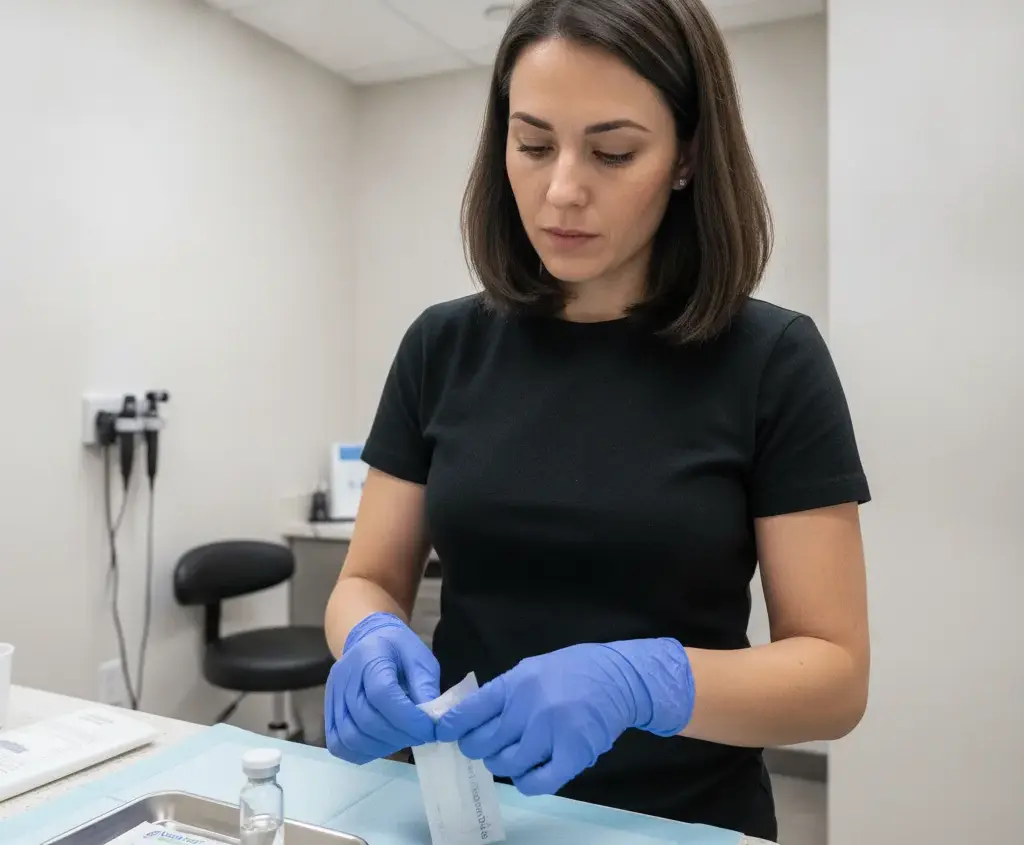
Why Bloodwork Comes Before Your Dose Is Decided
Here’s the honest answer: your pellet dose isn’t a guess. It’s math built on your bloodwork. Every patient asking what should I do to prepare for my pellet therapy appointment needs to understand this first. Pellet therapy uses hormones like testosterone or estradiol, and dosing those wrong causes real problems. Too little and you won’t feel a difference. Too much and you risk side effects that outweigh the benefit. We don’t dose by body weight guesses or by what worked for your neighbor.
So we start with labs. A physician needs to see your actual hormone levels before deciding anything. This usually includes total and free testosterone, estradiol, and sometimes thyroid and metabolic markers depending on your symptoms. If you’re dealing with fatigue or stubborn weight gain, we’re also looking at how your insulin is behaving, because hormone imbalance and insulin instability often show up together.
I’ve seen patients come in convinced they need a high dose because a friend got great results at that level. But that friend’s labs and your labs aren’t the same. This is where a family-like, judgment-free approach matters. We’re not selling you a number, we’re reading your chemistry.
- Baseline hormone panel: confirms your starting point before any pellet is inserted
- Metabolic and insulin markers: help explain fatigue, cravings, or rebound hunger patterns
- Thyroid check: rules out a separate issue that mimics low hormone symptoms
- Follow-up labs: scheduled after your first pellet cycle to confirm the dose is working
Orlando patients often arrive already fasted or having skipped their morning coffee, thinking that’s the prep. It helps, but it’s not the full picture. The bigger prep step is bringing any recent lab results you already have. If you had bloodwork done in the last few months for another reason, bring it. It saves time and gives your physician a fuller picture of your health trend, not just a single snapshot.
And one more thing worth saying plainly. Bloodwork isn’t a formality here. It’s the entire foundation of a safe, personalized dose. For comprehensive patient resources on hormone health, you can visit the Hormone Health Network. A physician-owned practice with 18-plus years in Central Florida didn’t build its reputation by skipping this step.
This is the same principle behind insulin stability work we do for weight management. Your body doesn’t respond well to guesswork, it responds to accurate data followed by a clear plan.
Book Your Consultation
Frequently Asked Questions
How do I know if I need pellet therapy or just feel tired from normal aging?
You won’t know for sure until you get bloodwork done, since fatigue can come from many causes. Hormone decline and insulin resistance often show up together, especially in your 40s and 50s. Track your symptoms with dates before your visit, like energy dips or weight changes that won’t respond to diet. That pattern helps your physician tell the difference between normal aging and something pellet therapy can treat.
What’s the difference between pellet therapy and other hormone treatments like creams or injections?
Pellet therapy releases hormones steadily over months, while creams and injections need daily or weekly dosing. This steady release is why bloodwork matters so much beforehand, since your dose gets set once and lasts a while. Creams can rub off on others and injections cause peaks and valleys in hormone levels. If you want fewer daily steps, pellet therapy is worth discussing with your physician during your first visit.
Can I still work out or be active in Orlando’s heat after starting pellet therapy?
Yes, most patients return to normal activity within a day or two, but Orlando’s heat and humidity mean you should ease back into workouts. Sweating heavily near the insertion site too soon can irritate the area. Give it a few days before intense exercise, and wear loose clothing that won’t rub against your hip or upper glute. Ask your physician for a specific timeline based on your activity level.
Does pellet therapy fix insulin resistance on its own?
No, pellet therapy alone won’t fix insulin resistance, but it works alongside it. Hormone decline and blood sugar problems often feed each other, so treating one without the other leaves gaps in your results. A good physician looks at both during your appointment, not just your hormone levels. That’s why lab work before your visit matters so much, it shows the full picture your treatment plan needs to address.
What’s a common mistake people make before their first pellet therapy appointment?
The biggest mistake is skipping lab work or scheduling it too close to the appointment date. Labs need three to five days to come back, and without them, your physician can’t set an accurate dose. Another common mistake is assuming you need to fast or stop medications without checking first. A quick call before your visit clears up most of these misunderstandings and keeps your appointment on schedule.
How long before I notice changes after starting pellet therapy?
Most people notice changes within a few weeks, though full results can take a couple months as hormone levels stabilize. Everyone’s timeline looks a little different depending on starting hormone levels and metabolic health. Ask your physician what progress should look like for your specific symptoms during your appointment. If you want a clearer picture of how the process works from first visit to results, the pellet therapy overview page walks through each stage.
Ready for a Svelte transformation?
Take the first step toward better health and metabolic stability today.
Our team is here to support you.