
Home » What Should I Do to Prepare for My Hormone Test Appointment in Orlando
What Should I Do to Prepare for My Hormone Test Appointment in Orlando
Fasting, Timing, and Medications: The Physical Basics
Most hormone tests work best when you fast for 8 to 12 hours and get your blood drawn in the early morning. Keep drinking water, keep taking prescribed medications unless your physician tells you otherwise, and stop biotin supplements a few days before your draw. Women may also need to time the test to a certain day of their cycle.
Three things change your hormone numbers more than anything else. What you ate, what time it is, and what’s in your medicine cabinet. Get those right and your results tell the true story. Get them wrong and you might end up repeating the whole test.
Fasting comes first. We usually ask patients to fast 8 to 12 hours before a blood draw.
So does fasting mean nothing at all? Not quite. Plain water is fine and helps. Black coffee is a gray area, so skip it unless your physician says it’s okay.
Timing is next. Hormones rise and fall through the day on a set rhythm. Testosterone peaks in the morning and can drop a good amount by afternoon. Cortisol follows a similar pattern. That’s why we like draws between about 7 and 10 a.m. A late-day test can make normal levels look low.
For women, the calendar matters too. Some hormones, like FSH and estradiol, are often checked on day 2 to 5 of your cycle. Progesterone is usually checked about a week before your next period. Your lab order will say which day fits your test. If it doesn’t, ask.
Medications are where we see the most mistakes. People either stop something they shouldn’t or keep taking something that skews the results.
- Keep taking your prescribed medications unless your physician gives you a specific change.
- If you take thyroid medication, ask whether to take it after your draw that morning.
- If you’re on testosterone or another hormone therapy, confirm when your draw should fall in your dosing cycle.
- Stop biotin, hair and nail vitamins, and high-dose B-complex supplements 2 to 3 days before your test.
- Bring a written list of every medication and supplement to your appointment.
Biotin is the sneaky one. The FDA has warned that biotin can cause falsely high or falsely low results on many lab tests, including thyroid tests. Plenty of people don’t even know it’s in their multivitamin.
We had a patient last year whose thyroid numbers looked way off. She felt fine. Her symptoms didn’t match the labs at all. Turns out she’d started a hair supplement loaded with biotin two weeks earlier. We had her stop it, retested, and her levels were normal. One small bottle caused all that worry.
That’s a safety issue, not a lab issue. Call us first.
One Orlando-specific tip. Our heat and humidity can leave you mildly dehydrated without you noticing, especially if you’ve been outside the day before. Dehydrated veins are harder to find. Drink a couple of glasses of water the night before and again that morning. Leave a little early too, since I-4 traffic at 7 a.m. doesn’t care about your fasting window –
Small steps. Big difference in how accurate your numbers are.

Why Your Symptom Timeline Matters More Than You Think
Your lab numbers are only half the story. The other half is you.
Hormone levels shift all day. They also change across the month and over the years. A single blood draw is a snapshot, so your doctor needs context to read it well. That context comes from your symptom timeline. When did the fatigue start? Did the weight gain creep in slowly or show up fast? Did your sleep fall apart before your mood did, or after?
We see this all the time in our Orlando clinic. A patient’s labs come back in the normal range, but they feel far from normal. Then we walk through their history and the pattern jumps out. Their numbers are technically fine, their symptoms say otherwise. That gap is where good care happens.
Most people walk in with a vague sense that something’s off.
And that’s okay. But vague answers lead to vague plans. If you can say your energy crashed about eight months ago, your physician knows where to look. It might line up with a new medication. Or a big life stressor. Or the start of perimenopause.
Here’s a simple way to build your timeline before your hormone test appointment. Give yourself 15 minutes a few days ahead. Don’t try to do it in the waiting room.
- Write down your top three symptoms in plain words, like tired after lunch or waking at 3 a.m.
- Next to each one, note roughly when it started. A season or a month is close enough.
- Mark whether each symptom is getting worse, staying the same, or coming and going.
- List any big changes from that same window, such as a new job, a move, a pregnancy, or a new prescription.
- For women, track where you are in your cycle and whether your periods have changed.
- Note anything that makes a symptom better or worse, including food, sleep, alcohol, or stress.
That’s it. One page. Bring it with you or keep it on your phone.
One patient, a teacher from College Park, told us she’d been tired for years. Not helpful on its own. Once she wrote her timeline, she saw her worst stretch began right after a hysterectomy two years earlier. Her hot flashes and brain fog started within months of each other. That one detail changed how her physician read her results, and it changed her plan.
Local life plays a role too. Central Florida summers are long and hot. Many patients tell us their sleep gets worse from June through September. Poor sleep alone can push cortisol up and throw off other hormones. So if your symptoms flare every summer, write that down. It’s a clue, not a coincidence – and it’s the kind of thing a doctor won’t know unless you say it.
Physician tip: Don’t leave out symptoms that feel embarrassing or unrelated. Low libido, mood swings, hair thinning, and constant cravings all matter. Your doctor has heard it all before, and these details often explain what the numbers can’t.
A clear timeline also helps you later. After treatment starts, you’ll have a baseline to compare against. You’ll know if your energy is truly better or if you’re just having a good week. Real progress is easier to see when you wrote down where you started.
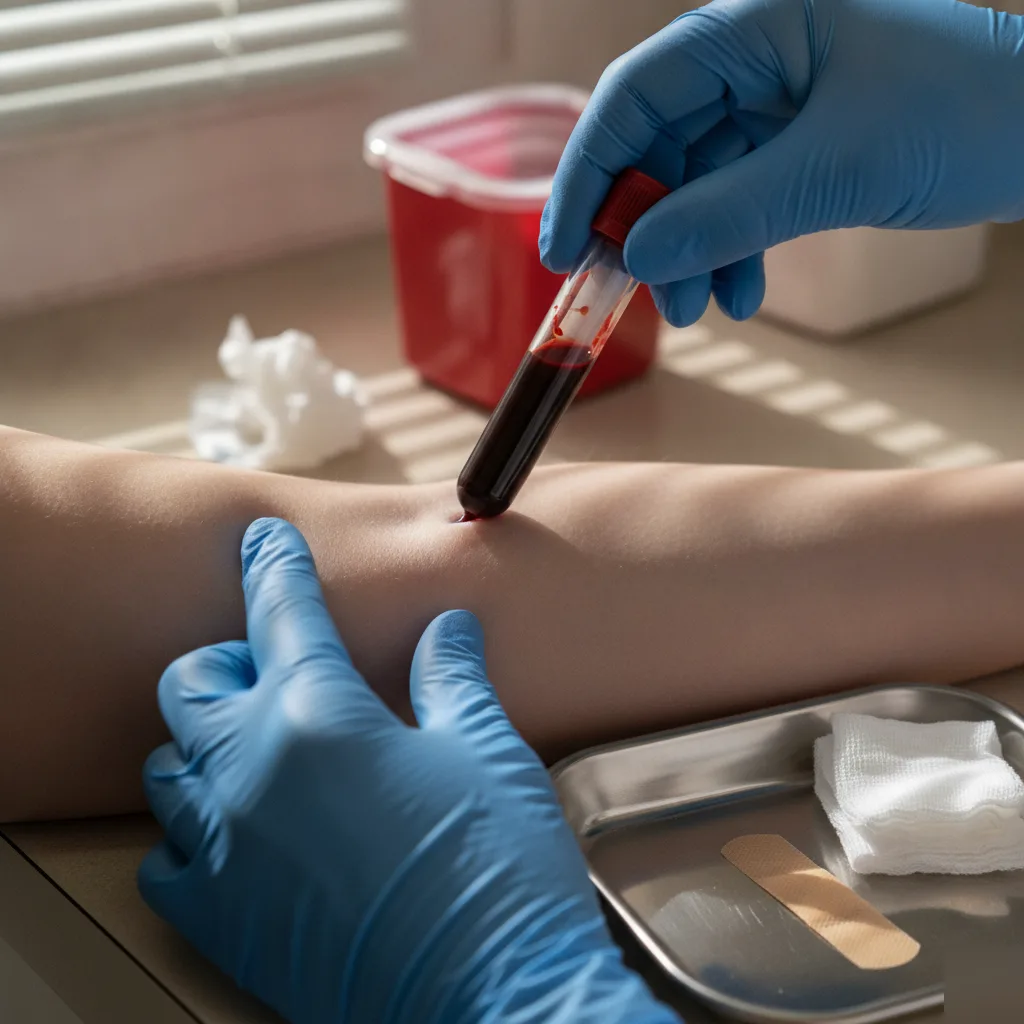
What to Tell Your Doctor Before a Hormone Test
Your lab results are only as good as the story behind them. A testosterone or thyroid number means very little on its own. Your doctor needs context to read it the right way.
We see this all the time. A patient’s labs come back strange, and the reason turns out to be something small they didn’t think to mention. A daily supplement. A new prescription. A rough week of sleep.
So before your blood draw, plan to share the details below. Write them down if that helps, most people forget half of them once they’re in the exam room.
- Every prescription you take, including birth control, thyroid medicine, steroids, or any hormone therapy
- Vitamins and supplements, especially biotin, which shows up in many hair and nail formulas
- Where you are in your menstrual cycle, or the date your last period started
- Recent illness, surgery, or a big source of stress in the past few weeks
- How you’ve been sleeping, plus any night or rotating shifts
- Weight changes, new diets, or whether you use a GLP-1 medication
Biotin deserves its own warning. The FDA has cautioned that high doses of biotin can interfere with certain lab tests and cause falsely high or low results. That includes some thyroid and hormone panels. Many doctors ask patients to stop biotin a few days before testing. But don’t stop anything on your own until your doctor tells you to.
Cycle timing matters too. Estrogen and progesterone rise and fall across the month. A progesterone level drawn on day 5 looks very different from one drawn on day 21. Neither is wrong. They’re just answering different questions.
Sleep is the one people skip. And it’s a big one.
Cortisol and testosterone follow your body clock. They usually peak in the morning. Here in Orlando, plenty of our patients work overnight at hospitals, hotels, and the theme parks. Their “morning” might be 4 p.m. Picture a nurse who just finished three night shifts in a row and comes in at 8 a.m. for a testosterone check. Her result could look low for reasons that have nothing to do with a true hormone problem. Tell your doctor about your schedule. It changes when your blood should be drawn.
What about weight loss? It shifts hormones more than people expect. If you’ve started a GLP-1 medication or cut carbs hard, say so.
Physician tip: Bring your actual pill bottles or a photo of the labels. Patients often remember the medicine but not the dose, and the dose can matter as much as the drug itself.
Last, be honest about your symptoms. Fatigue, hot flashes, low sex drive, weight that won’t budge. These aren’t embarrassing to us. They help your doctor decide which hormones to test in the first place, and that keeps you from getting a panel that misses the real issue –
Nobody expects you to know which details matter. That’s our job. Your job is just to share the full picture.
Book Your Consultation
Frequently Asked Questions
When is the best time for a hormone blood test?
The best time is early morning, usually between 7 and 10 a.m. Many hormones, like testosterone and cortisol, peak after waking and drop as the day goes on. A late-day draw can make normal levels look low. For women, certain hormones need to be checked on a specific cycle day, like day 2 to 5 for FSH and estradiol. Your lab order should state the right timing for your hormone test appointment, so check it before you schedule.
Do I need to fast before a hormone test?
Yes, most hormone panels need 8 to 12 hours of fasting beforehand. Plain water is fine during your fasting window, but skip coffee unless your physician clears it. Keep taking prescribed medications unless told otherwise. Getting fasting right the first time means you avoid a repeat blood draw and get numbers that reflect your true baseline.
Why do some doctors hesitate to order full hormone panels?
Doctors often want to connect your symptoms to specific tests rather than order everything at once. A broad panel without a symptom timeline can produce confusing results that don’t lead anywhere useful. That’s why your history matters as much as your labs. Writing down when symptoms started and how they’ve changed helps your physician choose the right tests and read your results with real context, rather than guessing from numbers alone.
What supplements should I stop before my hormone test?
Stop biotin, hair and nail vitamins, and high-dose B-complex supplements 2 to 3 days before your draw. The FDA has warned that biotin can cause falsely high or falsely low results on many lab tests, including thyroid panels. Many people don’t realize their daily multivitamin contains biotin. Bring a full list of supplements and medications to your appointment so your care team can flag anything that might affect your results.
Does Orlando’s climate affect hormone test results?
Yes, heat and humidity can leave you mildly dehydrated without you noticing, especially after a hot Central Florida day outdoors. Dehydration makes veins harder to find and can affect some blood values. Drink a couple of glasses of water the night before your draw and again that morning. Leave extra time for I-4 traffic too, since rushing in late can throw off your fasting window right before your appointment.
Why do my hormone levels look normal even though I feel unwell?
Normal lab numbers don’t always match how you feel because a single blood draw only captures one moment in time. Your symptom timeline fills in the rest of the story. Noting when fatigue, mood changes, or sleep problems started helps your physician spot patterns labs alone can miss. Building that timeline before your visit, along with following fasting and timing steps for your hormone test appointment, gives your results real context and leads to better answers.
Ready for a Svelte transformation?
Take the first step toward better health and metabolic stability today.
Our team is here to support you.