
Home » What Should I Do to Prepare for My First Testosterone Lab Draw in Orlando?
What Should I Do to Prepare for My First Testosterone Lab Draw in Orlando?
Why Timing Matters More Than Fasting for This Test
Testosterone follows a daily rhythm, peaking in the early morning and dropping later in the day. Because of this, timing your blood draw between 7 and 10 a.m.
matters more than whether you’ve eaten. Fasting only becomes important if your panel includes glucose or lipid markers alongside testosterone.
Most patients assume fasting is the key rule before any blood draw. For testosterone, it’s not. Your body produces testosterone in a daily pattern, tied to your internal clock, not your last meal.
Levels are highest shortly after waking and decline steadily through the day. A sample drawn at 8 a.m. can read noticeably higher than one drawn at 3 p.m., even in the same man on the same day. This isn’t a lab error, it’s biology.
- Testosterone peaks between 6 and 10 a.m. for most adult men, per standard endocrine guidelines
- Afternoon draws can show artificially low results, leading to misdiagnosis
- Fasting affects glucose and cholesterol readings, not testosterone itself
- Sleep quality the night before can shift results more than food intake
- Consistent draw timing matters if you’re tracking treatment progress over months
We see this mistake often. A patient gets labs done on a lunch break, results come back low, and he assumes something’s wrong. But the real issue was timing, not testosterone. Redrawing in the morning often tells a different story.
If your panel includes fasting glucose, insulin, or a lipid profile, those do require 8 to 12 hours without food. Water is fine. Coffee is not, since caffeine can affect glucose readings.
Orlando traffic on I-4 during morning rush can make an early appointment feel like a hassle. But it’s worth planning around. Booking the first slot of the day, before work traffic builds near downtown or Lake Nona, gives you the cleanest possible sample and the most accurate baseline.
Accuracy here isn’t just about a number on a page. It’s the foundation for every treatment decision that follows.
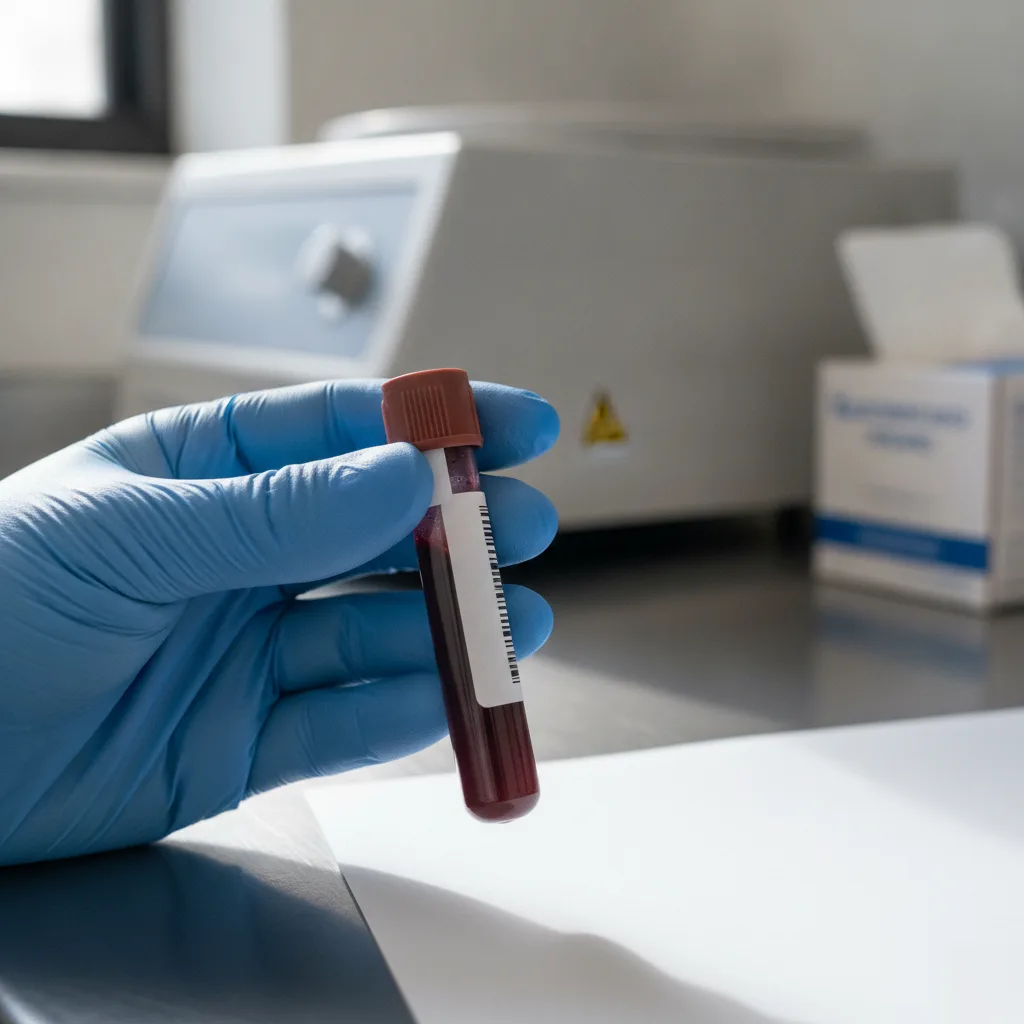
A Simple Checklist for Your First Testosterone Blood Draw
Most guys overthink this. But a few simple steps make a real difference in what your labs show. We’ve drawn thousands of testosterone panels over the years, and the patients who prep right almost always get cleaner, more useful numbers on the first try.
- Schedule your draw between 7 and 10 a.m. Testosterone peaks in the morning and drops as the day goes on, so an afternoon draw can read lower than your true baseline.
- Fast for 8 to 12 hours if your provider also wants glucose or lipid panels. Water is fine, coffee is not.
- Skip intense exercise the day before. Heavy lifting or a hard run can spike inflammation markers and temporarily shift hormone levels.
- Avoid alcohol for at least 24 hours. Even one night of drinking can lower testosterone readings for a day or two.
- Stay hydrated the morning of your draw. It’s a small thing, but it makes the vein easier to find and the draw faster.
- Bring your ID and any current medication list, especially if you’re already using anything that affects hormones.
- Ask if you should hold or take your usual morning supplements. Some, like biotin, can throw off certain lab assays.
That’s it. Seven steps, nothing complicated.
Here’s a real example. One patient, a 41-year-old from Winter Park, came in for his first draw at 4 p.m. after a full workday and a workout at lunch. His number came back at 280 ng/dL, borderline low but not clearly abnormal. He redrew at 8 a.m. the following week, fasted and rested, and the result was 410 ng/dL. Same man, same body, very different picture. That’s the kind of gap timing alone can create.
Why does this matter so much? Because your treatment plan gets built on this one number, or really a couple of them across two separate morning draws. A false low can push you into treatment you don’t need. A false high, though less common, can mask a real problem. Neither outcome helps you.
If you’re getting ready for testing near Dr. Phillips or anywhere else in Orlando, it helps to work with a clinic that already has this process built in. Our testosterone replacement therapy program in Dr. Phillips walks you through exact timing, fasting rules, and follow-up testing so you’re not guessing at any step.
One more thing worth saying. Labs drawn without prep aren’t wrong, exactly, they’re just less reliable, and less reliable numbers make it harder for a physician to give you a straight answer about what’s going on.
What Can Skew or Invalidate Your Results
A blood draw feels simple. Stick, done, results in a day or two. But a few sneaky factors can make a normal testosterone level look low, or make a borderline number look worse than it really is. We see this more than you’d think, especially with patients who skip a few basic prep steps.
Timing is the biggest one. Testosterone follows a daily rhythm, peaking in the early morning and dropping through the day. A draw at 8 a.m. can read very differently than the same body’s blood at 4 p.m. That’s why nearly every lab and physician asks for a morning draw, ideally before 10 a.m.
- Draw time after 10 a.m., when levels have already started their natural daily drop
- Recent intense exercise or a heavy weightlifting session the night before
- Illness, fever, or infection in the days leading up to your draw
- Poor sleep or a recent stretch of fewer than 6 hours a night
- High-dose biotin supplements, which can throw off some lab assay results
- Alcohol use the night before, which can temporarily lower readings
Here’s a scenario we run into a lot. A guy working a night shift near the airport area gets his blood drawn at 3 p.m. before his shift starts. His number comes back at 280, technically low. He retests at 7:30 a.m. two weeks later after a normal night’s sleep. His number reads 410, right in a healthy range. Same man, same body, completely different picture because of when the blood was drawn.
Biotin is worth a special mention. It’s in a lot of hair, skin, and nail vitamins, and it can interfere with certain lab assay technologies used to measure hormones. The Endocrine Society has flagged this interference as a known issue in hormone testing. If you take a biotin supplement, stop it for at least 48 hours before your draw, longer if you’re on a high-dose version.
Stress matters too, though it’s harder to control on command. Cortisol and testosterone have an inverse relationship in the body. A rough week at work or a bad night’s sleep before your appointment can nudge your number lower than your true baseline.
None of this means your test was wrong. It means the timing or conditions around it weren’t ideal.
Book Your Consultation
Frequently Asked Questions
Why does the time of day matter so much for a testosterone blood draw?
Testosterone follows a daily rhythm, so timing matters more than most people think. Levels are highest in the early morning and drop steadily as the day goes on. A sample drawn at 8 a.m. can look much higher than one drawn at 3 p.m., even in the same person. This isn’t a mistake, it’s just how the body works. That’s why most Orlando clinics ask for a draw between 7 and 10 a.m. to get your most accurate baseline number.
Do I need to fast before my testosterone lab draw?
No, fasting is not required for testosterone itself. Food and drink don’t change how much testosterone your body makes that day. Fasting only matters if your panel also checks glucose, insulin, or cholesterol, which do need 8 to 12 hours without eating. Water is always fine. Coffee is not, since caffeine can shift glucose readings on those extra tests.
Can exercise or alcohol the night before change my test results?
Yes, both can temporarily lower your testosterone reading. A hard workout or heavy lifting session can trigger inflammation that shifts hormone levels for a day or two. Alcohol has a similar effect, even after just one night of drinking. If you can, skip intense exercise and alcohol for 24 hours before your draw. This small step helps your number reflect your real baseline, not a temporary dip.
How does Orlando morning traffic affect getting an accurate testosterone draw?
Orlando traffic on I-4 can make an early appointment feel tough, but it’s worth planning around. Testosterone peaks between 6 and 10 a.m., so leaving early to beat rush hour near downtown or Lake Nona keeps your draw inside that accurate window. Booking the first slot of the day is the simplest way to avoid both traffic stress and a skewed result. If you’re near Dr. Phillips, our testosterone replacement therapy program in Dr. Phillips can help you build this timing into your first visit.
What’s a common misconception about a low testosterone result?
The biggest misconception is that one low number always means low testosterone. Many patients get labs drawn in the afternoon, see a low result, and assume something is wrong. Often the real issue is timing, not hormone production. Redrawing in the morning, rested and without alcohol the night before, frequently shows a healthy number instead. One low reading is a starting point, not a final answer.
Ready for a Svelte transformation?
Take the first step toward better health and metabolic stability today.
Our team is here to support you.