
Home » What Does the Pellet Insertion Appointment Actually Feel Like? A Lake Mary Patient’s Guide
What Does the Pellet Insertion Appointment Actually Feel Like? A Lake Mary Patient's Guide
Signs Hormone Pellet Therapy Might Be Right for You
The first complaint Even when getting a good eight hours of sleep, many people find they’re running out of steam by 2 o’clock in the afternoon. Another common complaint is decreased ability to build muscle mass while working out. Finally, poor sleep quality can be another red flag for hormone imbalance. Other common symptoms include loss of sex drive and muscle strength, weight gain, depression and irritability. In addition, men may suffer from low energy levels and loss of muscle tissue while women suffer from hot flashes and night sweats.
A full lab test will allow our physicians to determine if you’re suffering from a hormone deficiency. Men’s hormone panels may be necessary to diagnose low testosterone levels. Women’s hormone panels will evaluate estrogen levels as well as other hormones. There is no rush to insert pellets on the first visit since we need to know your current hormone levels and determine which ones you might need supplementation for. Once your lab results are back, our doctor will take time to review all the information with you, including which symptoms might be caused by hormone imbalance. He will explain what bioidentical hormone replacement with pellets will do to correct any hormone deficiencies. You’ll also be able to ask any questions you have at this time.
During this meeting, we’ll also discuss whether you’re a good candidate for hormone pellet therapy, considering your medical history. Any medications or blood thinners, recent surgery, and skin conditions could affect the pellet therapy process. We’ll tell you exactly what to expect on insertion day, what to wear, and how to plan your week around it. Nothing gets rushed.
Most patients ask us the same thing at this stage: how soon until I feel a difference? We can’t promise a timeline, every body responds differently, but we can tell you the prep work matters. Skipping the panel or guessing at symptoms is how people end up disappointed. Getting it right up front is how this works.
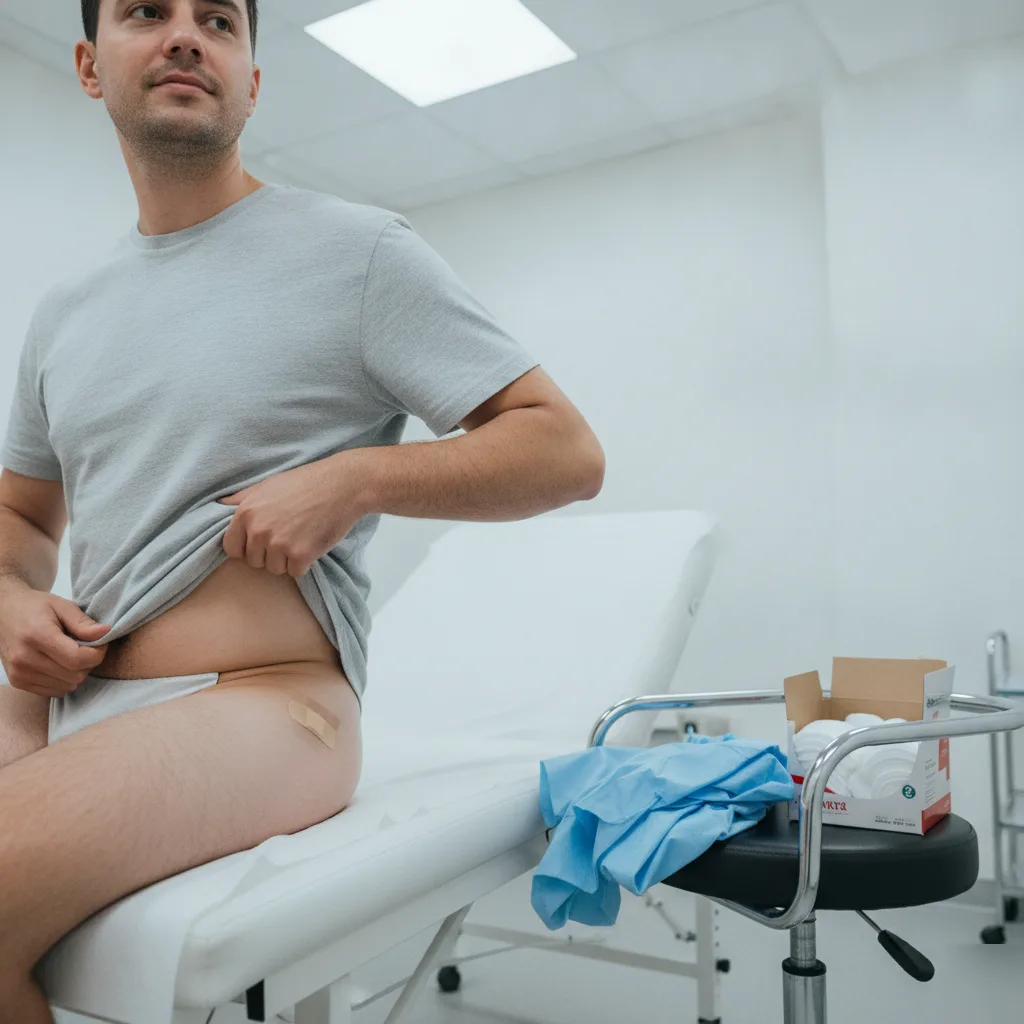
You deserve an honest answer before you’re on the table. The procedure itself takes approximately 10 minutes. Most patients report feeling pressure instead of pain. We use a local anesthetic to numb the area beforehand, which means the actual process of placing the pellets is more of a pushing sensation than anything sharp. We create a very small incision near the hip or upper buttocks and insert a pellet the size of a grain of rice directly beneath the skin.
In nearly every case, our patients say the numbing injection is the most uncomfortable part, and it only lasts a few seconds. Afterward, you may feel some pulling or pressure while we position the pellets, but there shouldn’t be any sharp pain once the area is numb. We seal the incision with a steri-strip, not sutures. Then you’re all set.
If you live in Lake Mary, you may wonder if the local climate impacts your treatment or recovery. The weather doesn’t change the procedure itself, but we do provide clear instructions on how to care for the incision site over the next week or two. This ensures the site remains dry and protected during Central Florida’s hot and humid summers.
It’s normal to experience bruising and slight discomfort at the insertion site for a few days. That’s expected and nothing to worry about.
We explain the entire procedure ahead of time so you aren’t taken by surprise. Because our physicians are involved in the process, they oversee every step. They ensure the pellets are correctly positioned and check in with you regularly to address any concerns. If you’re anxious about needles, let us know. We’ll take extra time to explain everything and slow down if needed.
Most patients leave the same day and go straight back to normal life. That’s the honest truth. You won’t need someone to drive you home, and you won’t need time off work unless your job involves heavy lifting or a lot of squatting.
The insertion site is tiny, usually just above the hip, and it’s covered with a small dressing and a piece of tape. Keep it dry for about 48 hours. No swimming, no soaking in a bath, no long showers where the site gets scrubbed. A quick rinse is fine. Lake Mary summers get hot and humid fast, and if you’re active in a community like Timacuan with a pool right in the backyard, that’s the one thing we ask you to hold off on for a couple days.
You might get bruising. You might get mild soreness at the insertion site for 3-5 days. Some people experience slight tenderness when they stretch or twist, others feel nothing at all. Both are expected.
We instruct all patients to do the following after pellet insertion:
- No intense workouts, running, or heavy lifting for roughly 5-7 days
- No saunas, hot tubs, or baths until the insertion site has healed completely
- Monitor for redness, heat, or worsening drainage at the insertion site
- Keep the site covered for a day or two, then leave it uncovered
We keep in touch with patients during the first week because hormone pellet therapy relies on proper healing of the site and no migration of the pellets. By day five most patients barely remember they had anything done. And that’s the point, a treatment that’s part of your routine but not your whole life.
Pellet therapy is not for everyone, and we’ll be upfront about that before you ever get to your appointment. If you’re not deficient in hormones, pellets won’t help you. There are dozens of reasons why you could feel low energy and low libido, from poor sleep to stress to thyroid problems to side effects from medications. We always test hormones before inserting a single pellet.
If someone comes to us wanting testosterone pellets because a friend felt great after getting them, we won’t blindly administer them if their labs are within normal limits. That’s not what doctors do.
We advise against starting hormone pellet therapy while pregnant or breastfeeding, and we don’t recommend it to people with active hormone-sensitive cancers until the cancer is treated. We also recommend addressing bleeding disorders before pellet insertion because the pellets are inserted via incision.
If you’re seeking a quick fix and have no intention of having your hormone levels retested, pellet therapy may not be the right choice. We prefer to perform regular blood work to ensure that your levels remain stable after insertion and adjust your pellets as needed. Without blood tests, we’re prescribing blindly.
In some cases, if your hormone levels are only mildly low or your symptoms are relatively mild, we’ll recommend waiting and testing again in several months. Or we may recommend a less invasive form of treatment first. It’s better to hear that before the procedure than afterwards. A consultation and blood work will let us know quickly whether pellet therapy is right for you or another treatment is a better option.

Book Your Consultation
Frequently Asked Questions
Does pellet insertion hurt?
No, most patients feel pressure rather than pain. We numb the area with a local anesthetic first, so placing the pellet feels more like pushing than a sharp poke. The numbing shot itself is usually the only part people notice, and it lasts just a few seconds. After that, you might feel some pulling as we position the pellet, but sharp pain isn’t typical once the area is numb.
How long does the actual appointment take?
The insertion itself takes about 10 minutes. We make a tiny incision near the hip or upper buttocks, insert a pellet about the size of a grain of rice, and close it with a steri-strip instead of stitches. There’s no long recovery room wait afterward. Most patients are in and out quickly and head straight back to their day, unless their job involves heavy lifting.
Can I go swimming or use my pool right after in Lake Mary?
You’ll want to wait about 48 hours before soaking the insertion site. This matters a lot here in Lake Mary, especially if you live somewhere like Timacuan with a pool right in the backyard. Central Florida’s heat and humidity make it tempting to jump in fast, but keeping the site dry protects it from infection while it starts to heal.
What can I expect for recovery in the days after?
Expect mild bruising and soreness at the insertion site for three to five days. Some patients feel slight tenderness when stretching or twisting, while others feel almost nothing. We ask patients to avoid intense workouts, running, or heavy lifting for five to seven days so the pellet stays in place and the site heals properly. By day five, most people barely remember they had anything done.
How do I know if I’m a good candidate for pellet therapy?
You’ll know after a full hormone lab panel, not from guessing at symptoms. Low energy and low libido can come from stress, poor sleep, thyroid issues, or medication side effects, not just hormone imbalance. We test every patient before inserting a single pellet, so if your levels are within normal range, we’ll tell you that pellets won’t help and help you figure out what’s going on.
How soon will I notice a difference after treatment?
There’s no exact timeline, since everyone’s body responds differently. What we can promise is that the prep work before insertion, especially getting your labs right, makes a real difference in your results. Skipping that step or guessing at your symptoms is the most common reason people end up disappointed. Getting the diagnosis right upfront sets you up for the best chance at feeling normal again.
Ready for a Svelte transformation?
Take the first step toward better health and metabolic stability today.
Our team is here to support you.