
Home » Testosterone Replacement Therapy East Orlando » Women’s Health Clinic — East Orlando » Low Testosterone Treatment for Women in Orlando | Svelte Medical Weight Loss – East Orlando
Low Testosterone Treatment for Women in Orlando | Svelte Medical Weight Loss - East Orlando
Recognizing the Signs of Low Testosterone in Women

You might not connect what you feel to a hormone issue. Many women we see have experienced these symptoms for months or even years before considering checking their testosterone levels.
Changes often appear slowly. You might feel tired all the time, and extra sleep does not help. Your motivation to exercise might disappear. Muscle tone you used to maintain easily simply fades. Many women also find their sex drive is gone, not just lower, but completely absent. We hear this regularly, and it is more common than many people realize.
Here are some of the most frequent symptoms women describe to us:
- Persistent fatigue that coffee and rest can’t touch
- Loss of lean muscle mass despite regular workouts
- Low or absent libido with no clear emotional cause
- Brain fog, trouble concentrating, or feeling “scattered”
- Mood changes like irritability or a flat, blunted feeling
Does this sound familiar? These symptoms overlap with perimenopause, thyroid problems, depression, or general stress. Women in Orlando’s high-humidity climate already experience heat-related fatigue for half the year. This can mask hormonal symptoms. So, you might write off what you feel as “just getting older” or “just the Florida summer.”
But getting older does not mean you have to feel this way.
A straightforward blood panel can measure your free and total testosterone levels. This is the starting point, rather than relying on guesswork. Our physician reviews your lab results alongside your complete symptom picture. A number on paper provides only part of the story. Two women with the same testosterone reading can feel completely different; one might be fine, while another can barely get through her afternoon. Context matters more than just a reference range, which is why our women’s hormone optimization clinic reviews your full picture before recommending treatment.
If three or more of those symptoms resonate with you, it’s a good idea to get checked. It is to act now, while you still have the energy to do something about it.
Schedule a symptom evaluation

Ruling Out Other Causes Before Diagnosis
Fatigue, mood changes, and a low drive can stem from many different issues. We do not begin hormone treatment without proper testing.
Your thyroid is the first area we examine. An underactive thyroid mimics low testosterone almost perfectly, causing symptoms like weight gain, brain fog, exhaustion, and thinning hair. In Orlando’s heat and humidity, you might attribute sluggishness to Florida summers, masking thyroid symptoms. However, bloodwork provides clarity. We check TSH, free T3, and free T4 before discussing testosterone levels.
Iron deficiency and anemia are also considered. Women in their 30s and 40s can lose iron through menstruation, and this often goes unaddressed. Low iron causes significant fatigue, similar to low testosterone, and the same difficulty building muscle. A simple CBC and ferritin panel quickly clarifies this.
We also examine cortisol levels. Chronic stress keeps cortisol elevated, and elevated cortisol suppresses testosterone production. This creates a difficult cycle. We often see this in women balancing careers and families across the Waterford Lakes area and the UCF corridor. Their bodies operate on stress hormones around the clock. Sleep becomes disrupted, and recovery is often poor. Treating testosterone alone without also addressing cortisol is like trying to fix one symptom without considering its root cause.
We also screen for vitamin D deficiency, insulin resistance, and depression. Each of these can produce overlapping symptoms. What matters most is that a physician-supervised evaluation helps identify the actual cause. This ensures it is not merely a guess or relying on a supplement stack seen on social media.
Our clinic’s blood panels include total testosterone, free testosterone, SHBG, DHEA-S, and a complete metabolic panel. We conduct all these tests in one visit. If your levels come back normal, we inform you directly. We operate with straight-forward honesty and will not treat a problem that does not exist.
Once the numbers confirm low testosterone and we have ruled out other explanations, you will begin treatment with a clear understanding of what is happening inside your body. That confidence can truly make a difference.
When Hormone Therapy Isn't the Right Next Step
Not every woman who feels tired or unwell requires hormone therapy. We believe it is important to state this upfront.
Sometimes the symptoms resembling low testosterone are caused by other issues. Thyroid disorders can mimic almost every sign of hormonal imbalance, including fatigue, weight gain, brain fog, and mood changes. Iron deficiency can do the same. Chronic sleep deprivation is also a factor. This is common among women in their 30s and 40s balancing work and family in Orlando. Long commutes and early school drop-offs can disrupt rest. If your bloodwork shows testosterone levels within a normal range, hormone therapy will not fix the underlying problem.
We observe this more often than one might expect.
A woman might come in convinced her hormones are the problem. She may have read about it online, or her friend had good results with pellet therapy, and she wants the same. When we run a full panel, her testosterone often registers as normal. Her vitamin D may be very low. Her cortisol might be elevated from unmanaged stress. Prescribing testosterone in that situation would not help, and it could make things worse by introducing a hormone her body does not need more of.
Some medical situations require delaying testosterone therapy. Women who are pregnant or actively trying to conceive should not begin treatment. Certain liver conditions and hormone-sensitive cancers need careful evaluation first. If you are dealing with untreated depression or anxiety, those conditions require focused care before adding hormonal changes.
A physician-supervised clinic will not just hand you a prescription because you ask for one. We look at your complete health picture, including bloodwork, symptoms, medical history, and lifestyle factors. If treatment is not right for you today, we will tell you directly. We will also help you figure out what steps might be more suitable. This straight-forward honesty is fundamental to our approach. You deserve a real answer, not just the one you came in hoping to hear.
Once labs confirm low testosterone and your symptoms align, that is when treatment can genuinely change how you feel day to day.
What Happens During Your First Hormone Consultation
When you walk in, you sit down with a physician. Before anything else, you talk.
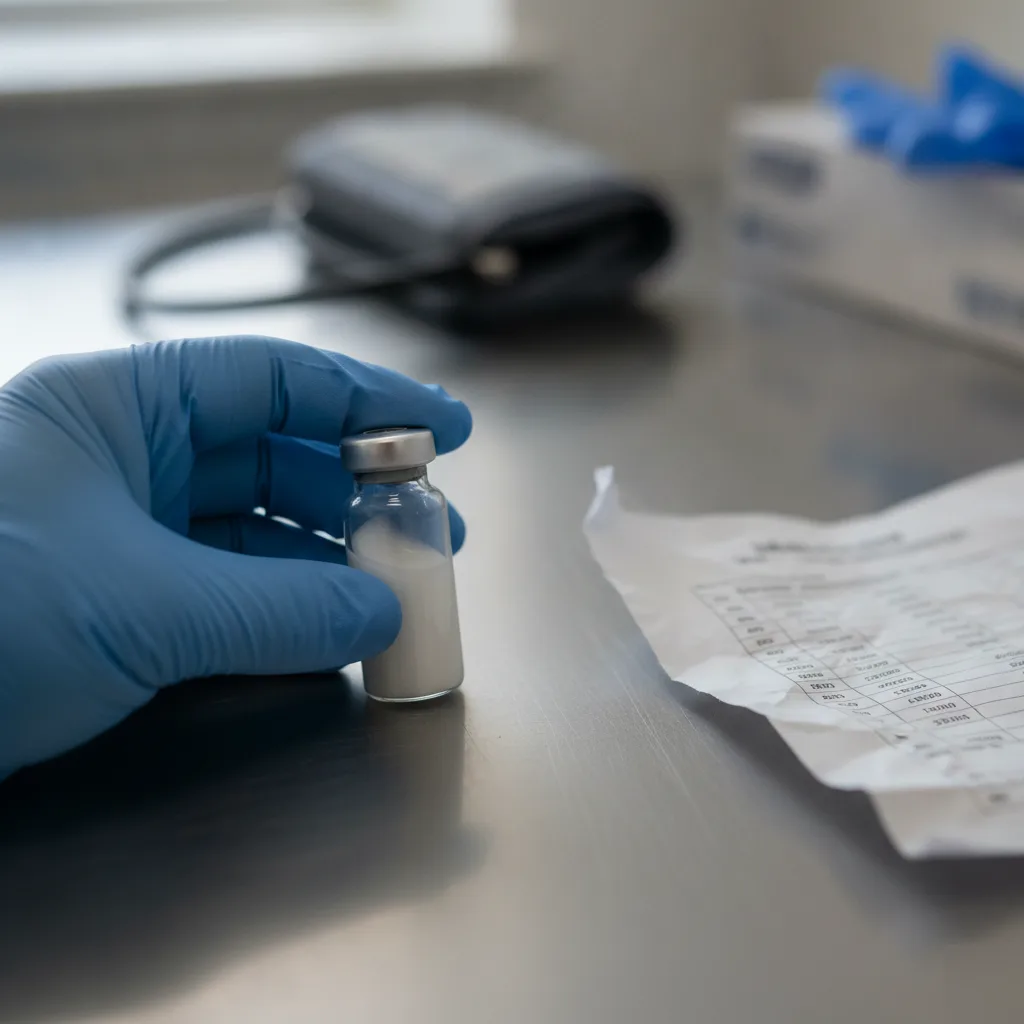
Your first visit is not a sales pitch or a rushed appointment where you receive a pamphlet. It is a genuine conversation about what you have been feeling, how long these symptoms have persisted, and what your daily life entails. We want to know about your sleep, energy levels, mood, and drive. These are topics you might not typically bring up at a regular checkup, having convinced yourself it is just stress or aging.
After our discussion, lab work follows. A blood draw provides a clear picture of your total and free testosterone levels, plus other key markers like thyroid function and estrogen. These numbers are important because symptoms alone do not provide a complete picture. Two women can experience similar fatigue but have very different hormone panels. Without lab results, assessment is based on assumptions.
We frequently see women come in expecting their levels to be “a little low.” The results often show their testosterone is very low. This moment can bring relief for many patients. It confirms that what they have been feeling is not imaginary, and it is indeed measurable.
Once your labs are back, a board-certified medical doctor reviews everything with you. This is a physician who can explain what your numbers mean and whether hormone treatment is the right path forward, not a coordinator or a chatbot. Orlando’s year-round heat and active outdoor culture mean many of our patients in the Waterford Lakes area notice symptoms most during summer months. They find staying active is part of everyday life, but their energy is missing.
If treatment is appropriate, we will create a plan together. If it is not, we will inform you directly. You will leave that first visit with a clear understanding of your situation. There will be no ambiguity.
Bioidentical Hormone Therapy and Biote Pellet Options
Treatment begins with choosing the right delivery method. Bioidentical hormones are plant-derived compounds that match the molecular structure of what your body already makes. This is the difference. Your body recognizes them because they are structurally identical to your own hormones.
We use bioidentical hormone replacement therapy at our East Orlando clinic because evidence supports its use. While creams, patches, and oral options exist, they often present challenges. Daily application can mean daily fluctuation. You might experience a spike after applying a cream, followed by levels dropping before the next dose. This inconsistency can leave you feeling unwell even while undergoing treatment.
Biote pellet therapy functions differently. A physician inserts a tiny pellet, approximately the size of a grain of rice, just beneath the skin near the hip. This procedure takes only minutes. There is no daily routine or need to remember applications. The pellet releases a steady, consistent dose of testosterone over three to five months. Your hormone levels remain stable instead of fluctuating.
This consistency is truly what makes the real difference in how women feel.
Here’s what the process looks like at our clinics in Lake Mary, Dr. Phillips, East Orlando, and our telehealth services:
- A board-certified medical doctor reviews your bloodwork and symptoms during your initial visit.
- If testosterone levels confirm a deficiency, your physician determines the right pellet dosage for your body.
- The insertion takes about ten minutes with local numbing; you can drive yourself home.
- Follow-up labs happen around six weeks later to verify your levels are where they should be.
- Re-pelleting occurs every three to five months based on your individual response.
Orlando’s heat and active outdoor culture mean women in East Orange County often notice rapid energy dips. You might not feel able to push through a morning walk around the Econlockhatchee River trail system when fatigue leaves you tired. Stable hormone levels can alter this situation. As a Biote-certified provider, our pellets meet strict quality and dosing standards. This adherence to protocols is important, as not every clinic offering pellets follows the same guidelines.
If you have been managing symptoms with creams or patches and still do not feel well, the delivery method might be the missing piece.

Book Your Consultation
Frequently Asked Questions
What are the first signs of low testosterone in women?
The earliest signs are usually deep fatigue, low sex drive, and losing muscle tone you used to keep easily. Many women also notice brain fog or feel flat and irritable for no clear reason. These changes tend to build slowly over months, so you might blame stress or aging at first. If three or more of these symptoms sound like you, a simple blood panel can check your testosterone levels and give you real answers.
What should I expect at my first visit?
Your first visit centers on bloodwork and a detailed talk about your symptoms. We draw labs checking total and free testosterone, thyroid function, iron, and cortisol, all in one visit. You do not need to fast or prepare anything special beforehand. Our physician then reviews your results alongside what you have been feeling, since two women with the same numbers can feel completely different. This gives you a clear picture before any treatment decision is made.
Could my symptoms be from something other than low testosterone?
Yes, thyroid problems, iron deficiency, and high cortisol from stress can all mimic low testosterone almost perfectly. We see this often in women across the Waterford Lakes and UCF corridor areas juggling work, family, and long commutes. That is why we test thyroid, iron, and cortisol levels alongside testosterone before recommending treatment. If your levels come back normal, we tell you directly instead of starting therapy you don’t need.
Does Orlando’s climate make it harder to notice low testosterone?
Yes, Orlando’s high humidity causes heat-related fatigue for roughly half the year, which can easily mask hormonal symptoms. You might chalk up your exhaustion to “just the Florida summer” instead of a hormone issue. This overlap is exactly why we rely on lab results instead of guesswork. A blood panel cuts through the seasonal fatigue and shows what’s actually happening with your testosterone, thyroid, and other hormone levels.
How soon after diagnosis can I start treatment?
Once your labs confirm low testosterone and we’ve ruled out other causes like thyroid or iron issues, you can typically begin treatment during the same evaluation process. We run total testosterone, free testosterone, SHBG, DHEA-S, and a full metabolic panel together, so there’s no need for multiple separate visits just to gather information. This gives you a clear, physician-reviewed plan built on your actual results, not a guess based on symptoms alone.
Is hormone therapy ever not the right choice for me?
Yes, hormone therapy isn’t right if your bloodwork shows normal testosterone levels. In that case, treating you would not fix the real problem, whether it’s low vitamin D, unmanaged stress, or a sleep issue common among busy Orlando parents. Certain conditions, like pregnancy or specific liver issues, also require delaying treatment until they’re addressed first. We always confirm the cause before starting anything, so you get care that actually matches what your body needs.