
Home » Testosterone Replacement Therapy East Orlando » Women’s Health Clinic — East Orlando » Hot Flashes and Night Sweats Treatment in Orlando | Svelte Medical Weight Loss – East Orlando
Hot Flashes and Night Sweats Treatment in Orlando | Svelte Medical Weight Loss - East Orlando
Finding the Root Cause of Hot Flashes and Night Sweats

We often hear: “I thought I just had to live with this.” You don’t. Before we fix the problem, we need to understand its cause. These symptoms are not a diagnosis. They are a signal.
The most common cause is a shift in hormone levels. Estrogen, progesterone, and testosterone all help your body regulate temperature. When these hormones drop or fluctuate, your brain’s thermostat becomes confused. It sends a false alarm, indicating you are overheating. Blood vessels dilate, your skin flushes, and you may suddenly sweat profusely at 2 a.m.
Hormones are not always the full story, which is why a women’s HRT physician near me runs bloodwork first before recommending treatment.
Thyroid dysfunction can mimic or worsen these episodes, as can elevated cortisol from chronic stress. Blood sugar imbalances, certain medications, and even low iron levels can trigger symptoms that look like menopause but have a different origin. We see this often in Orlando. The year-round heat and humidity here can mask symptoms, making patients assume it’s “just the weather.” It is not always the weather. Sometimes lab tests show a measurable imbalance.
A physician-supervised evaluation checks multiple systems at once, removing guesswork. We review a full hormone panel alongside metabolic markers, thyroid function, and inflammatory indicators. This matters because treating estrogen loss helps little if your thyroid also underperforms. Addressing cortisol without checking progesterone leaves gaps in care.
We also ask questions blood tests cannot answer. When do your episodes happen? How long do they last? Are they worse after eating, during stress, or only at night? Your pattern reveals as much as your lab results. This guides us toward the right treatment, not a generic approach.
Finding the root cause takes more time initially. This means we solve the actual problem instead of chasing symptoms.
Schedule a root-cause evaluation
Hormone Therapy Options for Vasomotor Symptoms
Not every treatment works the same for every person. We share this honest truth with patients daily. Your body’s hormone profile is unique. Your symptoms have their own pattern, and the right therapy depends on your lab results.
Bioidentical hormone replacement therapy is an effective approach for vasomotor symptoms. These hormones are structurally identical to what your body produces naturally. They are not synthetic. Your body recognizes them and processes them as designed. We use Biote pellet therapy as a delivery method. This provides a steady release of hormones over several months, avoiding the peaks and valleys of pills or patches.
Here’s how the process typically works:
- We run a full blood panel to measure your current hormone levels. This includes estrogen, testosterone, thyroid markers, and other factors influencing how you feel.
- A board-certified medical doctor reviews your results and creates a plan based on your specific numbers and symptoms.
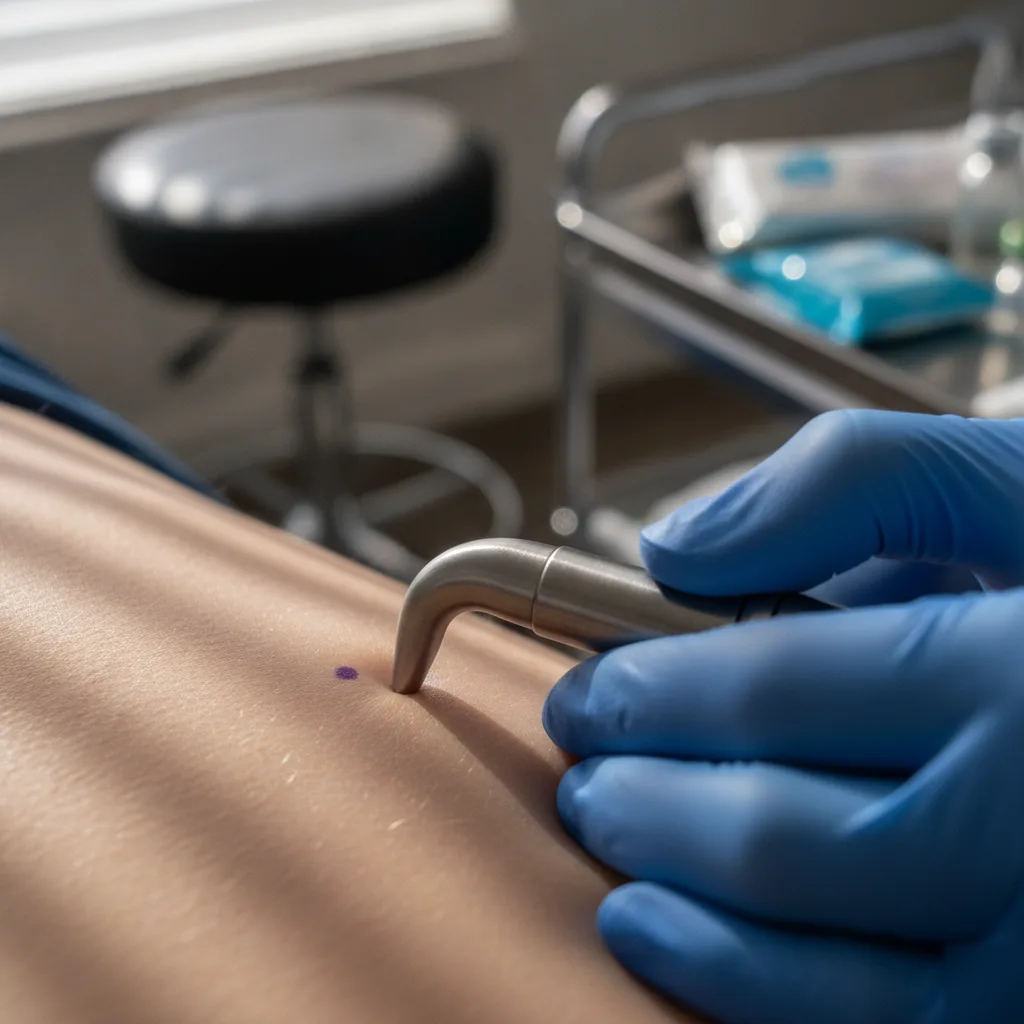
- If pellet therapy is right for you, tiny pellets are placed just under the skin in a quick office visit. Most patients find it less uncomfortable than a blood draw.
- Follow-up lab tests confirm your levels respond. Adjustments happen based on real data, not guesswork.
Orlando’s warm, humid climate can make these symptoms feel worse. We hear this from patients across East Orlando and areas like the Medical City corridor. They spend time outdoors and find the heat intensifying their symptoms. Hormone optimization can reduce the frequency and intensity of those episodes. Then Florida weather stops being your enemy.
Pellet therapy is not a one-size approach. Some patients do better with a combination including other support. Physician supervision matters here. Your doctor sees the full picture, connects your hormone health to your metabolic health, and adjusts course if something shifts. Patients often tell us they wish they had started sooner.
If you are tired of layering and unlayering clothes all day, or dreading bedtime, we can discuss your lab results and available options.
Explore hormone therapy options
When Night Sweats Signal Something Other Than Menopause
Not every case traces back to hormones. We see this often.
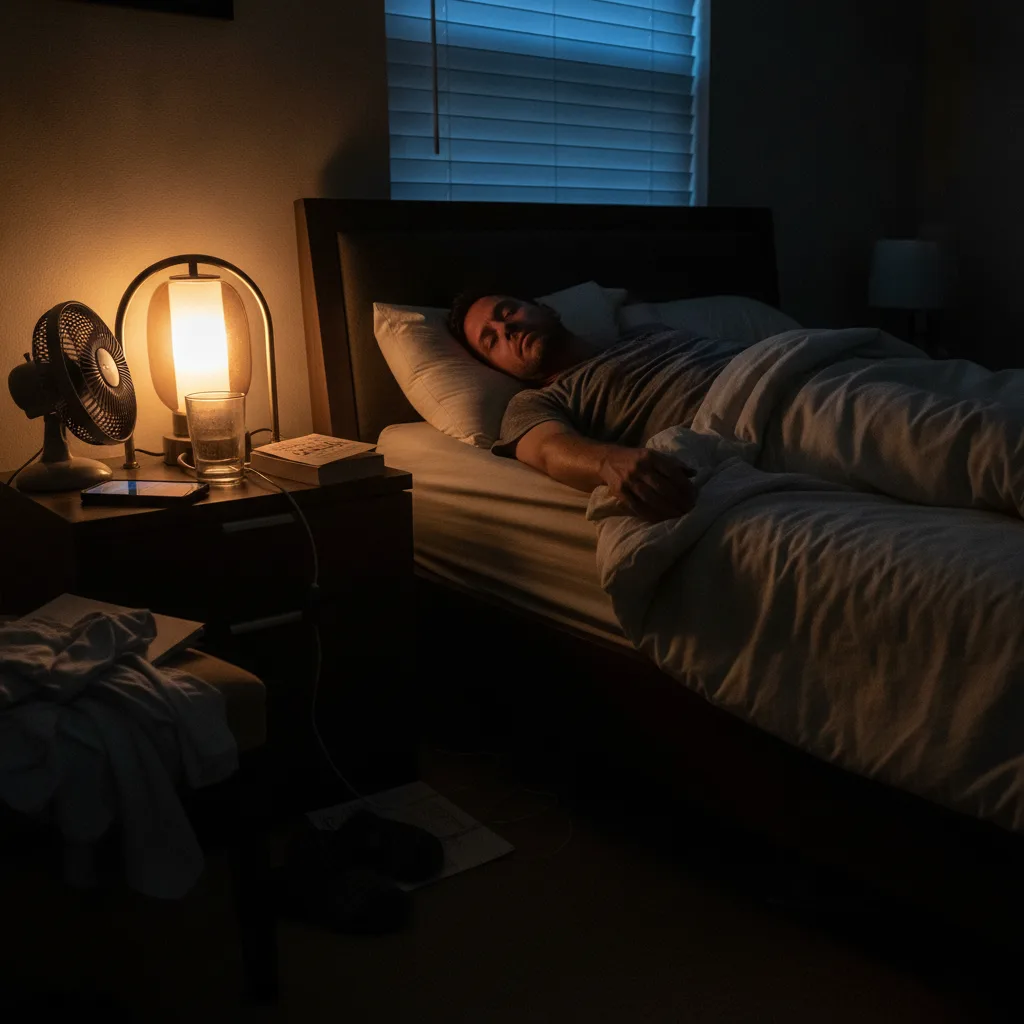
Sometimes symptoms point to thyroid problems. An overactive thyroid speeds up your metabolism and raises your body temperature, even during sleep. Other times, blood sugar swings from undiagnosed or poorly managed diabetes cause drenching sweats at 2 a.m. Certain medications can trigger these events, including antidepressants, blood pressure drugs, and even over-the-counter fever reducers. Infections, even those that go unnoticed for weeks, can also produce similar symptoms as your body fights them.
If your symptoms started suddenly, come with unexplained weight loss, or appear alongside persistent fatigue or fever, you need a thorough medical workup before discussing hormone therapy. We are not trying to slow you down. We are keeping you safe.
Orlando’s warm, humid climate makes this harder to sort out alone. When your bedroom stays above 75 degrees through October, it’s easy to blame the weather for soaked sheets. Yet, a difference exists between heat-related discomfort and true night sweats. True night sweats drench your clothes regardless of room temperature. If you run the AC at 68 and still wake up soaking wet, your body is signaling something.
This is why physician-supervised care matters. A board-certified medical doctor reviews your lab results, history, and medications. We check thyroid panels, blood glucose, and inflammatory markers. We look at the full picture before recommending any treatment path. We can often identify the root cause in that first round of bloodwork.
If your lab results show a hormonal shift, we can treat it with confidence. We rule out other possibilities first. That step protects you from masking a deeper problem with the wrong solution.
Get a thorough symptom workup
What Your First Hormone Evaluation Visit Involves
You do not need to prepare a speech or bring a binder of medical records. Simply arrive and tell us what is happening.
Your first visit starts with a conversation. We want to hear about your symptoms and any lack of sleep. We ask about your energy levels, mood, and appetite. We also ask when things changed. Most people can pinpoint a timeframe. They simply have not connected the dots. That conversation matters more than any lab value. It tells us what your body is doing now, not what a textbook suggests.
Then we run bloodwork. This is not a basic panel. We check estrogen, progesterone, testosterone, thyroid markers, and other hormones influencing your daily well-being. Orlando’s heat and humidity can make symptoms feel worse. We factor in how your environment adds to what is happening internally. We have seen patients from areas like Waterford Lakes who assumed Florida’s summer was the entire problem. It was not.
A board-certified medical doctor reviews your results. This is not a coach or an algorithm. A physician sits with you and explains what each number means for your specific situation. We discuss what drives your symptoms and suitable treatment options. For some, this is bioidentical hormone replacement therapy or Biote pellet therapy. For others, it might be a different path entirely.
We will not rush you out in ten minutes. We will not hand you a pamphlet and say good luck.
If your lab results come back normal, we will tell you. Sometimes a clear hormonal imbalance causes symptoms. If something else is happening, we prefer to point you in the right direction rather than treat a problem you do not have. This is how physician-supervised care works.
If you are ready to stop guessing and get a clear answer about your symptoms, we invite you to visit any of our Orlando-area locations.
Book your first evaluation visit

Pellet Therapy Dosing and Follow-Up Care
Pellet insertion is just the starting point. The real work happens in the weeks and months following.
Biote pellet therapy uses small, rice-grain-sized pellets. They are placed under the skin, usually near the hip. The procedure itself takes minutes. Your dose is not simply pulled from a chart and handed to you. A board-certified physician reviews your bloodwork, symptoms, and medical history. The dose is then built around you. We see patients convinced they need the same thing their friend received. The reality is rarely that simple.
Most people do not realize this about pellet therapy follow-up. The pellets dissolve slowly over three to five months. Your body absorbs the hormones at a steady rate. This steady absorption is why many patients prefer pellets over creams or patches that spike and dip throughout the day. This steady release means your first few weeks might feel subtle. Some patients notice relief within two weeks. Others take closer to four or five weeks. Both timelines are normal.
Follow-up bloodwork is non-negotiable.
We schedule lab tests four to six weeks after insertion. These tests show if your estrogen and testosterone levels have reached the range your body needs. Orlando’s year-round heat and humidity can intensify vasomotor symptoms like flushing and night sweats. Getting the dose precise before summer peaks matters more here than in cooler climates. If the numbers are not right, we adjust. This is the point of physician-supervised care, you are not guessing.
Between visits, our coaches check in on practical aspects. They monitor sleep quality, energy levels, and whether the 3 a.m. wake-ups drenched in sweat have slowed. Patients frequently tell us night sweats improved before hot flashes did. We track these patterns. They guide the next insertion’s dosing.
If you are driving from areas like Medical City or the Waterford Lakes area, you are already close to one of our clinic locations. Follow-up appointments are short. Most patients are in and out in under thirty minutes, bloodwork included. For eligible Florida patients, telehealth check-ins between insertions keep things moving without an extra trip.
Book Your Consultation
Frequently Asked Questions
How do I know if hormone pellet therapy is right for me?
The only way to know is through a full hormone panel done with bloodwork. We don’t guess based on symptoms alone. A physician reviews your actual lab values, your medical history, and your goals before recommending anything. Many women in their late 30s through mid-50s deal with fatigue, brain fog, or hot flashes without realizing hormones are the cause. Getting your labs checked is the first honest step toward an answer.
What happens during a pellet insertion appointment?
A physician places small pellets under your skin, usually in the hip area, during a quick in-office visit. Before that happens, your labs and symptoms are reviewed so the dose matches your body’s needs. The pellets then release hormones steadily over time, so you’re not taking a daily pill or applying a cream. Most women are back to their normal day right after.
Can Orlando’s heat and humidity make my hot flashes worse?
Yes, East Orlando’s heat and humidity from May through October can intensify hot flashes and leave you feeling drained. Many women from Waterford Lakes and Avalon Park tell us they stopped enjoying outdoor time because the heat made their symptoms harder to manage. Once hormone levels are addressed, energy often returns enough to get back outside, whether that’s a walk through Blanchard Park or just running errands without dreading the heat.
Am I too young or too old for hormone pellet therapy?
There’s no single age cutoff, but your lab results matter more than your birthday. Some women notice hormone changes in their late 30s, while others don’t feel it until their mid-50s. If you’re younger with regular cycles, your fatigue or mood changes might come from something else, like thyroid issues or poor sleep. We always check labs first so we’re solving the actual problem, not just assuming it’s hormones.
Does hormone pellet therapy help with weight loss too?
It can support weight loss, but it’s not a standalone weight-loss treatment on its own. Balanced hormones help your body burn fat more efficiently, recover faster, and sleep deeper, which makes your existing efforts pay off. When appropriate, we combine hormone pellet therapy with physician-supervised options like GLP-1 medications or B12 injections. Your physician builds this plan around your labs, not a generic template, so it fits your actual needs.
What if pellets aren’t the right fit for my situation?
That’s a real possibility, and we’ll tell you honestly if that’s the case. Women with a history of hormone-sensitive cancers need a deeper review of their medical history before any hormone therapy is considered. If you’re already managing well on another method, or if you need fast symptom adjustment during Orlando’s intense summer months, pellets may not be the first step. We’ll always explain the reasoning and point you toward what makes sense instead.