
Home » Testosterone Replacement Therapy East Orlando » Women’s Health Clinic — East Orlando » Hormone Pellet Therapy for Women in Orlando | Svelte Medical Weight Loss – East Orlando
Hormone Pellet Therapy for Women in Orlando | Svelte Medical Weight Loss - East Orlando
Hot Flashes, Fatigue, and Other Signs Your Hormones Are Off Balance

You might be waking up drenched at 2 a.m. again. Perhaps you can’t remember why you walked into a room. Your joints could ache for no clear reason, or you might find yourself snapping at loved ones over minor issues. These aren’t just random problems. They are often signs of something deeper.
We hear this story every week. A woman comes in, certain she’s just stressed or not sleeping well. She has tried better pillows, melatonin, or cutting caffeine. Nothing truly helps. The reason is often not about lifestyle. It’s hormonal.
Estrogen, progesterone, and testosterone levels change as women experience perimenopause and menopause. East Orlando’s heat and humidity can intensify hot flashes, particularly from May through October when stepping outside already feels overwhelming. However, the list of symptoms extends far beyond just hot flashes.
- Bone-deep fatigue that sleep doesn’t fix
- Low libido or discomfort during intimacy
- Brain fog, memory lapses, trouble concentrating
- Mood swings, irritability, or new anxiety
- Muscle loss and stubborn weight gain around the midsection
This is a common pattern we observe. A woman deals with three or four symptoms at once, believing each has a separate cause. She might have seen her primary care doctor, a therapist, or a sleep specialist. Often, no one identified the connection.
This can be frustrating. These symptoms overlap with many other conditions like thyroid issues, depression, or chronic fatigue. A complete hormone panel through bloodwork is the only way to get a clear answer. Not a guess, and not an online quiz. You need actual lab values reviewed by a women’s health specialist East Orlando who understands female hormone balance.
Some women notice changes in their late 30s. Others don’t feel it until their mid-50s. There is no single timeline. This is why many women spend years thinking something else is wrong. If you find yourself relating to this, recognizing this possibility matters. It could be the most important step you take.
How Pellet Therapy Fits Into a Broader Hormone and Weight Plan
Hormones don’t work in isolation. Neither should your treatment.
We often see women who have tried everything to lose weight, only to hit a wall that no diet or exercise plan can break. They are eating right and moving their bodies. Still, the scale won’t budge, belly fat keeps appearing, and they feel exhausted by 2 p.m. Often, a hormone issue drives these symptoms. For this reason, we don’t treat hormone pellet therapy as a standalone solution. We consider the full picture. Your hormones affect your metabolism, sleep, muscle growth, and motivation.
East Orlando’s year-round heat and humidity can intensify fatigue and low energy. Women from the Waterford Lakes and Avalon Park areas tell us they used to love being outdoors but lost interest entirely. Once we address the hormonal aspect with hormone pellet therapy, many of them find their energy returns enough to use local walking trails and neighborhood parks like Blanchard Park again.
As a Biote-certified provider, we combine hormone pellet therapy with physician-supervised medical weight loss programs when appropriate for you. This might include GLP-1 medications, lipotropic and B12 injections, or guidance on intermittent fasting. Your physician reviews your labs, symptoms, and goals before recommending any treatment. Every plan is personalized.
This integrated approach offers significant benefits. Balanced estrogen and testosterone help your body respond better to the efforts you’re already making. You can burn fat more efficiently, recover faster, and sleep deeper. When you combine that hormonal foundation with a proven medical weight management strategy, results build. We have seen women finally break through long-standing plateaus they’d faced for years.
We will not add hormone pellet therapy to your plan if your lab results do not support it. We operate with direct honesty, as this is the only way to build real trust. If pellets are not the option yet, we will explain why and suggest alternative first steps. If you are ready to find out whether hormone optimization could be the missing piece in your health plan, we are here to guide you.
When Hormone Pellet Therapy Isn't the Right Next Step
Not every woman who walks through our doors needs hormone pellet therapy.
If you are in your early thirties and your cycles are still regular, your fatigue might stem from other causes entirely. Poor sleep, iron deficiency, thyroid issues, or chronic stress all present like hormonal imbalance. We see this often. A woman comes in convinced her hormones are off, but lab work shows everything in range. In that case, recommending hormone pellet therapy would be incorrect. We prefer to guide you toward the actual problem.
Women with a history of hormone-sensitive cancers need a thorough discussion before considering any form of hormone replacement. This does not mean it is always ruled out. However, a physician must review your full medical history, your oncologist’s notes, and your current risk profile before proceeding. We would never skip this essential step.
Here is another scenario we encounter. Some women are already on oral or patch-based hormone therapy and managing well. Their symptoms are controlled, and their lab results look good. Switching to pellets simply because they sound newer or more convenient isn’t always beneficial. If your current approach is effective, there may be no reason to change it.
If you are dealing with acute symptoms that need fast adjustment, such as severe hot flashes during East Orlando’s intense summer humidity when your body is already under heat stress, pellets might not be the initial solution. Pellets release hormones at a steady rate over months. They cannot be adjusted quickly. Creams or other short-acting options sometimes offer more flexibility initially.
We prefer to explain this upfront rather than have you commit to something unsuitable for your situation. A physician-supervised evaluation, including bloodwork, is always the first step. This process reveals the precise answers. Women leave that initial visit with a clear understanding of whether hormone pellet therapy makes sense for them or if a different path achieves their goals more effectively.
Getting Ready: Lab Work and Your First Visit
Your first step isn’t a pellet insertion. It’s a blood draw.
We need to see your precise hormone levels before we do anything. This means a complete panel, beyond just estrogen and progesterone. We also look at testosterone, thyroid markers, DHEA, and vitamin D levels. These values reveal your internal bodily state. Without them, any treatment plan is simply guesswork, and we do not guess.
Most women who come to our East Orlando location have already tried something on their own. Perhaps an over-the-counter cream or a supplement from a health food store near Waterford Lakes Town Center. Some have been on oral hormone therapy that left them feeling bloated or moody. The lab work helps us understand what has been effective and what has not. It also rules out other causes for your symptoms. Fatigue and weight gain can stem from thyroid issues, not solely declining estrogen. A physician reviews every result before your treatment plan is created.
What happens during the first visit? You will sit down with a provider who reviews your lab results thoroughly. We take our time. We discuss your symptoms, health history, and goals. Are you mainly dealing with hot flashes that wake you up at 2 a.m.? Or is it brain fog that disrupts your focus at work? Both details matter. This conversation shapes your dosing.
Many women find this visit different from what they expect. The atmosphere is reassuring. It’s a real conversation, not a sales pitch. Our physician-supervised approach means a board-certified medical doctor is involved in your care from the start. You are not handed off to someone reading from a script.
Bring a list of your current medications. Also, bring your questions, even the ones that might feel silly. Nothing you ask will surprise us. We hear similar concerns every week, and all of them are valid. By the time you leave that first appointment, you will know your numbers, understand your options, and have a clear understanding of what comes next.

Inside the Pellet Insertion Procedure
Most people expect something complicated. It’s not.
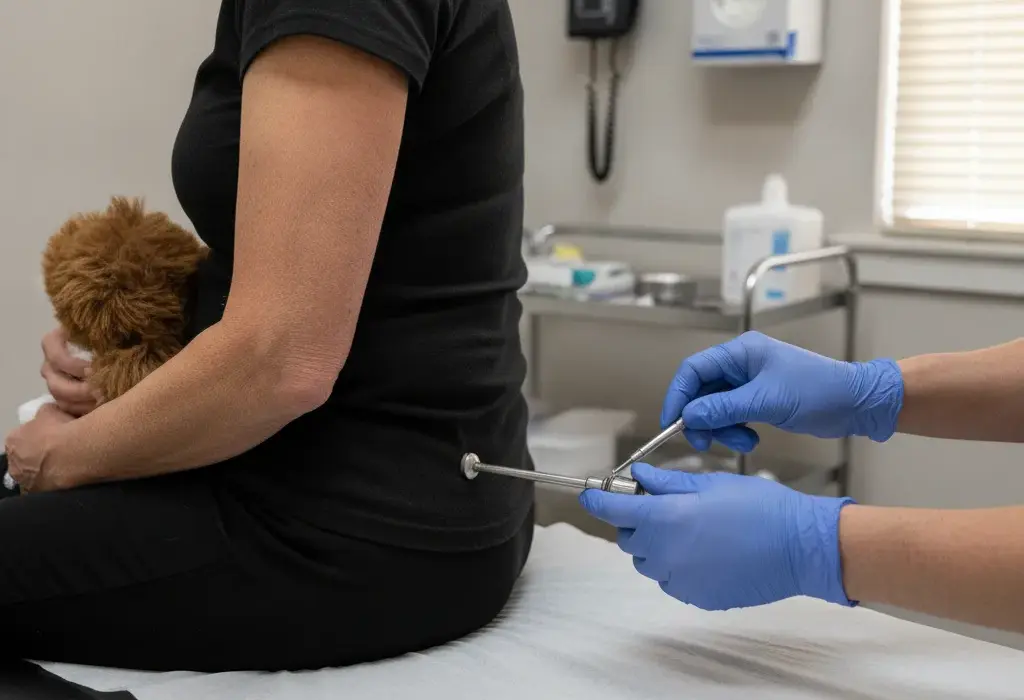
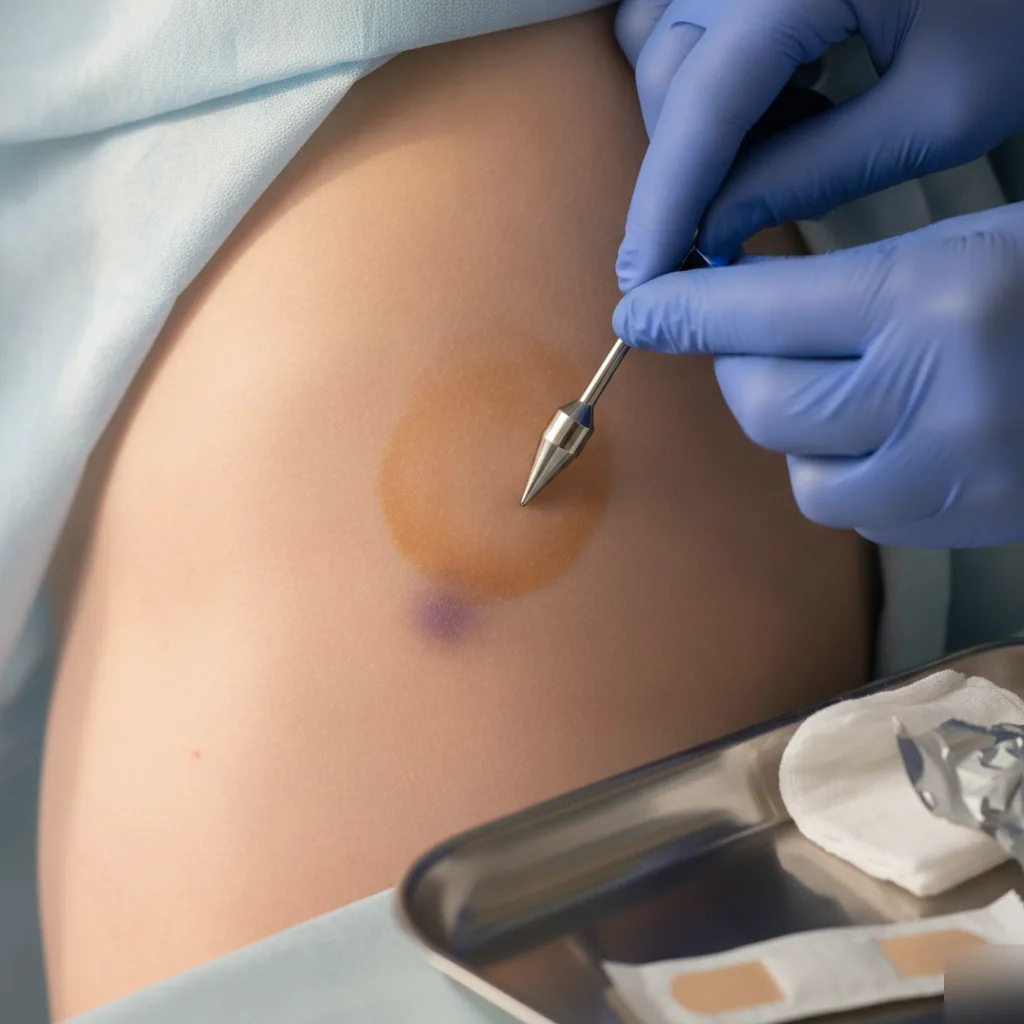
The entire visit takes about 15 to 20 minutes. You will come into one of our East Orlando offices, and we will have you lie on your side or stomach. The insertion site is almost always the upper hip or buttock area. We clean the skin, apply a local anesthetic, and wait for it to become effective. You will feel a small pinch from the numbing agent. After that, you will likely feel minimal sensation.
A tiny incision is made, smaller than a pencil eraser. Through that opening, the physician places one or more small pellets just beneath the skin into the fatty tissue. These pellets are about the size of a grain of rice. The incision is so small that it typically does not even need stitches; only a sterile adhesive strip and a small bandage are needed.
Patients tell us the procedure was easier than they expected. Some mention that the anticipation was the hardest part. This is consistent with our weekly observations in our clinics across the Orlando metro. Central Florida’s warm climate often leads patients to ask about activity restrictions, as they enjoy being outdoors year-round. You can usually return to light daily activities the same day. However, we ask you to avoid vigorous lower-body exercise or swimming for about five to seven days while the insertion site heals.
An important distinction: This is a physician-supervised procedure at our practice. A board-certified medical doctor oversees your care, reviews your labs, and determines the precise pellet dosing for your body. This differs from clinics where you might only see a technician or receive a standardized approach.
After the insertion, the pellets begin dissolving slowly over the next three to five months. Your body absorbs the hormones at a steady rate. This is why many women prefer pellets over methods that cause hormone fluctuations. There is no daily pill to remember, no weekly patch to change. The hormones simply work quietly in the background while you get back to your life.
Most patients schedule their next insertion about four months later. We will check your levels again before each round to confirm your dosing remains appropriate.
Book Your Consultation
Frequently Asked Questions
How do I know if hormone pellet therapy is right for me?
The only way to know is through a full hormone panel done with bloodwork. We don’t guess based on symptoms alone. A physician reviews your actual lab values, your medical history, and your goals before recommending anything. Many women in their late 30s through mid-50s deal with fatigue, brain fog, or hot flashes without realizing hormones are the cause. Getting your labs checked is the first honest step toward an answer.
What happens during a pellet insertion appointment?
A physician places small pellets under your skin, usually in the hip area, during a quick in-office visit. Before that happens, your labs and symptoms are reviewed so the dose matches your body’s needs. The pellets then release hormones steadily over time, so you’re not taking a daily pill or applying a cream. Most women are back to their normal day right after.
Can Orlando’s heat and humidity make my hot flashes worse?
Yes, East Orlando’s heat and humidity from May through October can intensify hot flashes and leave you feeling drained. Many women from Waterford Lakes and Avalon Park tell us they stopped enjoying outdoor time because the heat made their symptoms harder to manage. Once hormone levels are addressed, energy often returns enough to get back outside, whether that’s a walk through Blanchard Park or just running errands without dreading the heat.
Am I too young or too old for hormone pellet therapy?
There’s no single age cutoff, but your lab results matter more than your birthday. Some women notice hormone changes in their late 30s, while others don’t feel it until their mid-50s. If you’re younger with regular cycles, your fatigue or mood changes might come from something else, like thyroid issues or poor sleep. We always check labs first so we’re solving the actual problem, not just assuming it’s hormones.
Does hormone pellet therapy help with weight loss too?
It can support weight loss, but it’s not a standalone weight-loss treatment on its own. Balanced hormones help your body burn fat more efficiently, recover faster, and sleep deeper, which makes your existing efforts pay off. When appropriate, we combine hormone pellet therapy with physician-supervised options like GLP-1 medications or B12 injections. Your physician builds this plan around your labs, not a generic template, so it fits your actual needs.
What if pellets aren’t the right fit for my situation?
That’s a real possibility, and we’ll tell you honestly if that’s the case. Women with a history of hormone-sensitive cancers need a deeper review of their medical history before any hormone therapy is considered. If you’re already managing well on another method, or if you need fast symptom adjustment during Orlando’s intense summer months, pellets may not be the first step. We’ll always explain the reasoning and point you toward what makes sense instead.