
Home » Testosterone Replacement Therapy East Orlando » Women’s Health Clinic — East Orlando » Comprehensive Women’s Hormone Panel in Orlando | Svelte Medical Weight Loss – East Orlando
Comprehensive Women's Hormone Panel in Orlando | Svelte Medical Weight Loss - East Orlando
Recognizing the Signs of Female Hormone Imbalance

You can’t believe you’re still tired at 2 pm, even after a full night’s rest. You’ve got mood swings, weight gain around the midsection, and you can’t seem to shake it no matter what. Those are not just symptoms of aging; they’re symptoms you get.
Hormone imbalance is something you may notice immediately, or things might change slowly over time in very subtle ways.
We see people in our East Orlando office every day who have struggled with these symptoms for years before coming to us for answers. A woman in her late 30’s notices that her periods become erratic and she has heavier than usual flow. She gets moody with her kids in ways she doesn’t understand. She thinks it must be the commute down the 408/417. But it could be estrogen/progesterone levels that haven’t been monitored.
These are some of the most common reasons women come to us for hormone testing:
- Persistent fatigue that coffee cannot fix
- Hot flashes or night sweats, especially disrupting sleep
- Lack of sex drive you’ve never experienced before
- Foggy brain, trouble with remembering or focusing
- Trouble losing weight even with a good diet and active lifestyle
And there’s more! Sometimes women tell me that they notice thinning hair, joint pain or dry, itchy skin. Anxiety or depression can arise when cortisol, thyroid hormone or progesterone is out of range. A woman once told me that she felt fine, just “stressed” before her labs were drawn. After that, everything changed.
These kinds of symptoms can come along with other conditions, which is one of the reasons it’s hard to determine what’s going on without data. You’re looking for hard numbers on a lab result. Your blood will be analyzed for levels of estradiol, progesterone, testosterone, DHEA-S, thyroid hormones, and cortisol. This is more helpful than a guess. Plus, Orlando’s warm weather and humidity can actually hide these kinds of symptoms, like fatigue and poor sleep, which can make it harder to determine the underlying cause.
If any or all of these symptoms sounds familiar, getting some blood drawn at our women’s health clinic serving east Orange County is a great idea.
What's Included in a Women's Hormone Panel
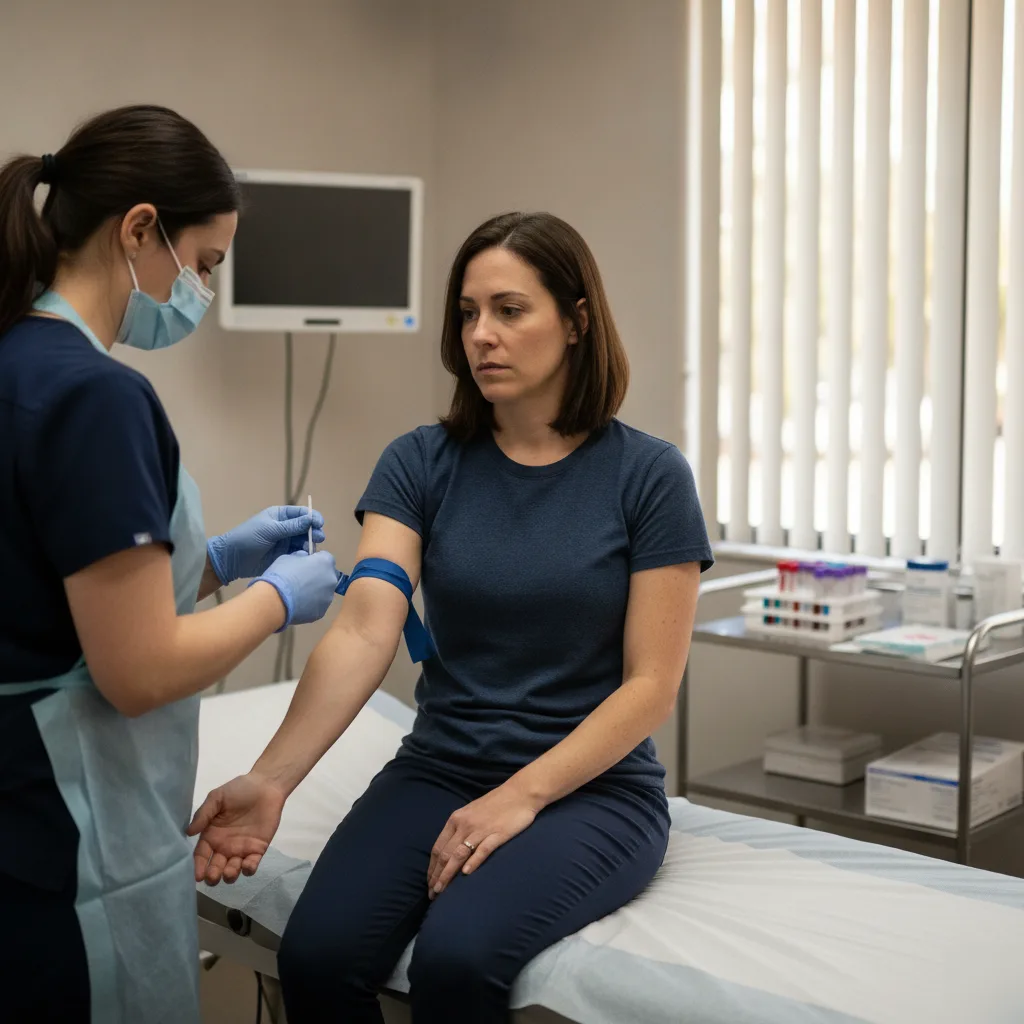
A lot of people that visit our East Orlando medical office have a general idea of what might be going on, but they’ve tried looking it up on the internet themselves, or perhaps they’ve gone to their primary doctor for help and asked the doctor to “check my hormone levels.” Sometimes a random estrogen check isn’t enough to make an accurate picture. We’re going to draw some blood to check your hormone levels.
We want to give you a clearer picture by analyzing your hormones that impact your daily life. This means we test estradiol, progesterone, testosterone (also something women need), DHEA-S, and thyroid markers such as TSH and free T3/T4. We also measure cortisol because high chronic stress can throw off other hormone functions. Each of these data points is just one clue. But when we put them all side-by-side, a complete picture emerges.
And we don’t limit ourselves to just sex hormones and thyroid. We also look at metabolic markers that many practices ignore:
- Insulin and glucose on an empty stomach to detect early signs of insulin resistance before they show up on routine bloodwork
- Level of vitamin D, which can drop surprisingly low in our office-centric lifestyle here in Orlando despite the sunshine outside
- A comprehensive metabolic panel (CMP) to screen for liver or kidney problems that can impact hormone metabolism
- Markers of inflammation such as CRP, which can point to hidden causes of weight gain
Many of our patients are shocked by what we discover. What they attribute to a hectic schedule may turn out to be low progesterone. Their difficulty with stubborn waistline fat could be the result of high cortisol and insulin levels clashing.
The key to us all, however, is this: a physician looks over your results, not an app or a coach. A board-certified physician studies the lab results and makes connections between your numbers and your symptoms. That is the difference between giving you a pile of data and giving you a personalized treatment plan.
And since hormone testing is paired with our medical weight loss program in a single practice, we don’t miss anything. Your hormone testing is then incorporated into your treatment, be it through bioidentical hormone replacement therapy, Biote pellet therapy, or tweaking your current weight loss medication. One stop, one team, one clear treatment goal.
When You Might Not Need All Those Markers
Not every woman who comes to our East Orlando office requires every one of these markers. That’s not our style.
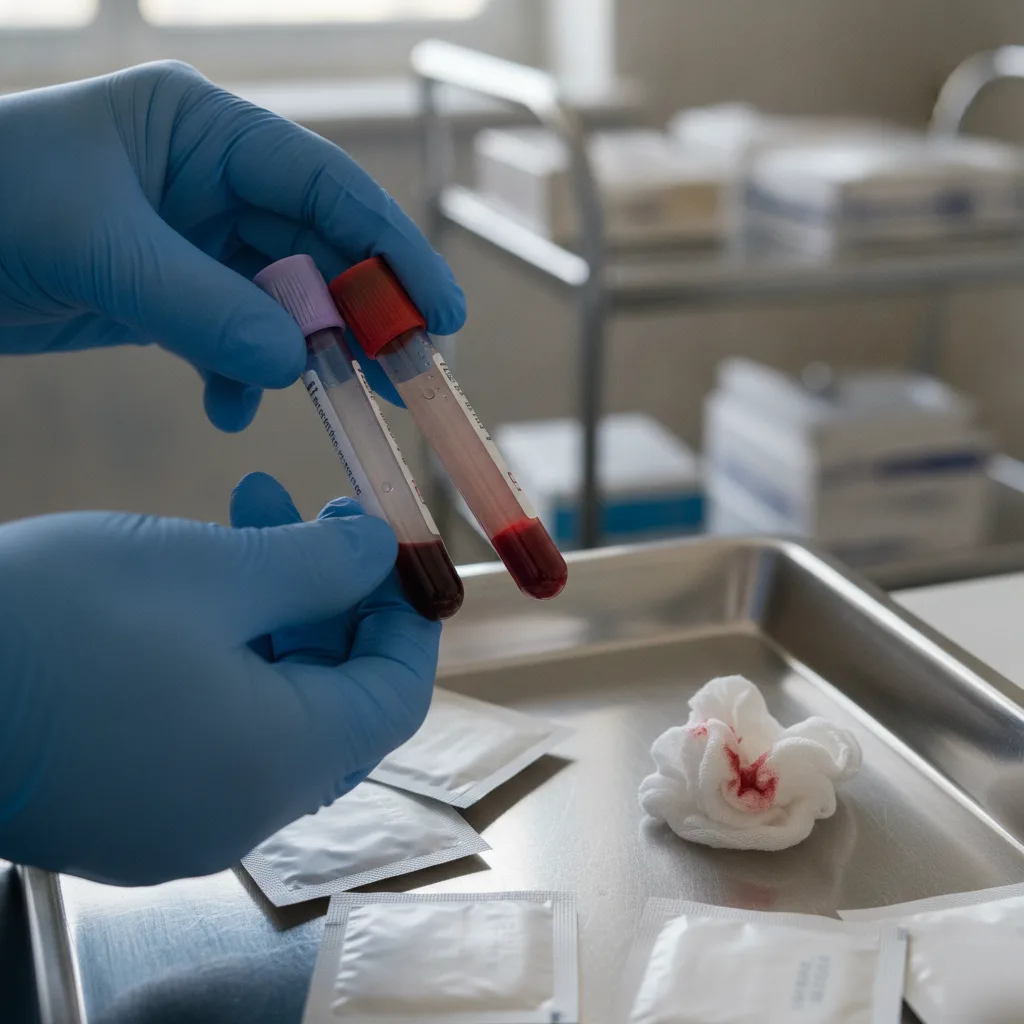
If you are in your late 20s and still have regular periods, you have energy to burn, and you don’t have a specific complaint, then maybe you aren’t ready for the full panel just yet. Perhaps just checking your thyroid and one or two important hormones will give you your answers. We like being forthright about that, rather than ordering a bunch of tests that we don’t think would change your treatment.
Likewise, if you’ve just had your bloodwork done by your obstetrician-gynecologist or your family doctor, it is very possible that you already have recent data for TSH, estradiol, or progesterone. If your blood has been drawn within the last 90 days, there is an excellent chance that we can review those numbers and determine whether we need anything more. There is absolutely no need to draw blood twice for the same thing! Please bring any recent bloodwork to your visit; we will look at that information together and decide where any gaps remain.
There are a few times, though, where timing is more important than running a full lab work. If you’re just starting birth control pills or if you stop taking them six to eight weeks back, your hormones will be fluctuating, and lab work at that time can be misleading. You may want to wait on running that lab work in those instances. The same is true for women that are pregnant during the first trimester and nursing mothers. Their hormones will be fluctuating then, and that’s normal.
If you are over 35 and struggling with fatigue, lack of concentration, resistant weight gain, low mood, or low sex drive, you will probably benefit from getting the full lab panel. It is rare that these symptoms are caused by just one hormone imbalance. Orlando is hot year round, and too many times we see a woman pushing through fatigue in the summer heat, assuming it’s just the weather, when it might actually be an adrenal and or thyroid imbalance. If you are not sure if you should get the full hormone panel, just ask. Our team, working under the direct supervision of a physician, is happy to take the time to help you decide what is best for you, taking into account your age, symptoms, and personal goals. We’d rather save you the cost of unnecessary lab work than run every test we can simply because we can.
Preparing for Your Hormone Blood Test in Orlando
Orlando is simple, but there are a few simple things to help ensure the accuracy of your hormone test results. Most of the hormone panels require a fasting blood draw. This means taking in nothing other than water for 8 to 12 hours before you arrive for your appointment. We recommend that you book your lab work appointment for early morning. This allows for overnight fasting, and also ensures that your cortisol and thyroid levels are at their most accurate point of the day for testing.
Dehydration is always a problem with Florida’s early summer heat, especially in our rainy season (May to October) when the humidity often stays above 70 percent from day to day. Make sure you drink plenty of fluids both the night before and morning of the test. It’s easier to pull your blood if you’re hydrated, and dehydration can also skew some of your blood values.
If you take biotin supplements, you should discontinue them for 72 hours before the test. Biotin interferes with immunoassay hormone tests and can cause abnormal results in thyroid markers. This is something we encounter frequently since many women take biotin in hair and nail vitamins and don’t realize how it alters lab testing.
Bring a complete list of the medication and other supplements you are currently taking including:
- Birth control pills or hormones creams
- Thyroid medication (e.g. levothyroxine)
- Over-the-counter supplements (i.e. DHEA or melatonin)
- Any and all herbal products (e.g. black cohosh and maca)
Your health care provider needs this entire picture of your supplement and medication use in order to interpret your lab test results accurately. If you are currently on hormone replacement therapy (HRT), the timing of the blood draw in relation to your last dose is also important. Your health care provider will guide you on this at the time of your scheduling.
Try to keep your stress level low the morning of your appointment. Acute stress raises cortisol levels quickly, so avoid any strenuous exercise on the day of your blood work and make sure to avoid the final-minute I-4 traffic spike. If your appointment is with our East Orlando office, make sure you allow enough time to avoid traffic along Alafaya Trail or the 408 corridor. Let yourself have a nice, slow morning. Getting your blood work done is easy. The blood draw itself only takes a few minutes and the rest is really where your personalized plan gets started.

Turning Panel Results Into a Hormone Treatment Plan
The hard part is usually just getting there. What you receive is a piece of paper that has a bunch of numbers on it and the paper itself cannot do anything for you, nor can any of those numbers. The key here is what happens next after you get your lab results.
Once you receive your results back, all the markers are evaluated by a physician, never individually or in isolation. Knowing estradiol levels without progesterone, DHEA-S or thyroid function data only tells you half of the story. One of our board-certified doctors discusses with you exactly what each of these levels means to your body and health, and every discussion is personalized for you.
Here is what that looks like in terms of a treatment plan for you once your panel is complete. Your doctor will determine what hormone levels are low or elevated and out of balance with other hormones. We will discuss your current symptoms and which is the most bothersome for you right now. Do you have fatigue, low libido, night sweats and hot flashes keeping you up? Together, with you and your physician, decide the right treatment for you. It could be bioidentical hormone replacement, or it could be the Biote Pellet. It will all depend on your levels and lifestyle. Your physician will schedule follow-up labs to see how your body is responding and can adjust the treatment as needed to fit your needs.
It is very easy in hot and humid Orlando to feel the effects of things like night sweats and hormonal imbalance and it is even more important in these hot months to get to the bottom of the causes quickly. Because we offer hormone optimization and weight management in one space, our doctors get a very clear picture for you as a whole. If your stubborn belly is caused by a hormone imbalance, cortisol or estrogen levels being off, you must treat it, or else neither weight loss treatment nor hormone treatment is very successful in these cases alone.
Not everything requires hormones. Perhaps you have an issue with your sleep, your stress or your vitamin D levels. Sometimes the results show that your body may not even need hormones and instead it is the stress and poor vitamin D levels that need attention. Your physician will tell you and we’d rather give you the right, direct treatment that you need.
If you are ready to see what the results mean and what to do next, please give us a call, and we at our Orlando area office or our East Orlando office would love to help you take the next step. Your plan needs to be personalized based on your results, your symptoms and your goals and this is what you need to see a successful outcome.
Book Your Consultation
Frequently Asked Questions
Do I need to fast before my hormone panel?
No, you do not need to fast for most of the markers in this panel. Estradiol, progesterone, testosterone, and thyroid levels do not require an empty stomach. However, we do check fasting insulin and glucose as part of our metabolic screening. If you can avoid eating for 8 hours before your blood draw, we get the clearest picture of how your body handles sugar and stress hormones together.
How long does it take to get my hormone panel results?
Most women hear back within a few business days after their blood draw. A physician at our East Orlando location reviews every result personally before your follow-up visit. This is not a computer printout you interpret on your own. Your doctor connects your numbers to your actual symptoms, whether that’s fatigue, weight gain, or sleep trouble, and builds a plan around what your body is really doing.
Can I bring in recent lab work instead of testing again?
Yes, if your bloodwork is less than 90 days old, we can often use it instead of redrawing blood. Many women visiting our East Orlando clinic already have thyroid or estradiol results from an OB-GYN or primary care visit. Bring whatever you have to your appointment. We will review it together and only test the markers that are still missing from your picture.
What if I recently started or stopped birth control?
If it’s been less than six to eight weeks, we usually recommend waiting before running a full panel. Your hormone levels are still adjusting during that window, and testing too early can give you readings that don’t reflect your true baseline. The same applies during early pregnancy or breastfeeding. Waiting a few extra weeks gives you a more accurate starting point for your treatment plan.
What symptoms mean I should get a hormone panel?
If three or more symptoms sound familiar, it’s worth getting tested. Common signs include persistent fatigue coffee doesn’t fix, hot flashes or night sweats, low libido, brain fog, and stubborn weight gain despite eating well. Some women also notice thinning hair, joint stiffness, or mood swings that feel out of character. These symptoms overlap with so many other conditions that guessing rarely helps. Actual lab numbers give you a real answer instead of a theory.
Does Orlando’s climate make it harder to know if my symptoms are hormonal?
Yes, Orlando’s year-round heat and humidity can mask fatigue and poor sleep, making it harder to tell what’s hormonal and what’s just the weather. Many women also spend long hours in air-conditioned offices along corridors like the 408 and 417, which can quietly lower vitamin D levels despite all the sunshine outside. That’s why our panel checks vitamin D and metabolic markers alongside your core hormones, so nothing gets blamed on the climate by mistake.