
Home » Testosterone Replacement Therapy East Orlando » Women’s Health Clinic — East Orlando » BioTE Bioidentical Hormone Replacement Therapy for Women in Orlando | Svelte Medical Weight Loss – East Orlando
BioTE Bioidentical Hormone Replacement Therapy for Women in Orlando | Svelte Medical Weight Loss - East Orlando
When Your Hormones Are Off
Remember when you used to sleep all the way through the night? Well, if you’re awake at 3 a.m. staring at the fan again, we hear about this from many of the women who come see us here in Orlando. They don’t even know exactly when or how their hormones started going off track, but they do know that something seems to be wrong, and they’re right to think that because hormonal imbalance doesn’t just appear overnight with one or two symptoms. It creeps up on you gradually. Maybe you’re more tired, or you’ve gained a few pounds, or you have a sudden emotional reaction to something. So many of us spend weeks or months feeling like it’s just stress or getting older before thinking our hormones might be the culprit.
So what does hormonal imbalance look like? It can present in a variety of ways:
- Hot flashes and night sweats, which can disrupt your sleep. And for those living in Orlando, especially during our humid summers when your body is already working hard to regulate its temperature, this can be especially tough.
- Unexplained weight gain around the middle, especially if you can’t seem to shift this weight no matter what you eat or how much you exercise.
- Focusing problems at work or school, forgetfulness, or general “brain fog.”
- Low sex drive or discomfort during sex.
- Mood swings, which can make you irritable, anxious, or depressed with no obvious reason.
We commonly hear from women who assumed that feeling tired at 42 years old was just a natural part of getting older. But the truth is, that feeling shouldn’t be ignored.
There are many other conditions that can mimic hormonal imbalance, ranging from thyroid issues to vitamin deficiencies to poor sleep. That’s why we run lab tests before beginning hormone therapy and a board-certified medical doctor evaluates your results. Your physician doesn’t just want to see if you fill out a symptom checklist; they want to take a closer look at your full story.
Women can experience perimenopause starting as early as age 35 in their mid-30s, well before they think it’s possible for their hormone levels to drop, since the reduction in estrogen and progesterone occurs without a predetermined timeline. If you’ve been experiencing three or more of these symptoms, it could be that your body is trying to tell you there’s something to dig into. Make an appointment today for a hormone screening at our Women’s Health Clinic East Orlando.
Why Doctor Oversight Is Important for BioTE Pellet Therapy
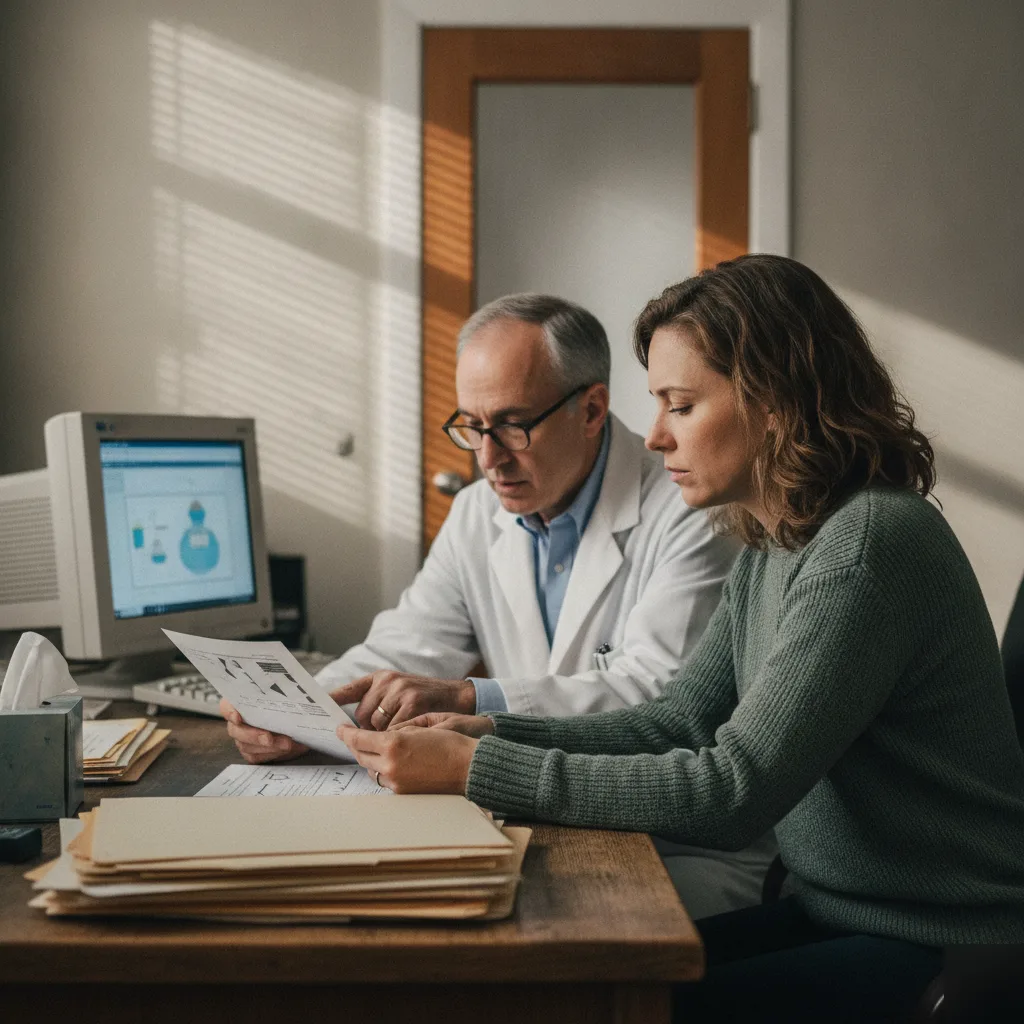
BioTE hormone pellet therapy is not a “one and done,” cookie-cutter procedure. We each have unique hormone levels, and a dosage that works perfectly for one woman could make another feel much worse than when she started the regimen.
It matters who is reading your labs and who places your pellets. A board-certified medical doctor who sees the connections between different hormone levels, including estrogen, testosterone, and thyroid, will have a much clearer view of what is going on with you as a patient. If a practitioner is only looking at a single hormone value, that is not enough to understand your full situation. And we have seen this occur.
Hormones are metabolized differently by every patient. And for the women living in or around the Orlando area, which is characterized by heat year-round, the way your body deals with and responds to the environment can impact your symptoms. For example, a female patient who lives close to the Econlockhatchee River and runs or hikes the many miles of hiking trails in that area could deal with heat stress, just like those who commute in hot weather down SR-408 through the Waterford Lakes neighborhood. All of that heat can influence the balance of cortisol levels in your body, too. In a changing environment like this, it’s important to partner with a physician who knows what these variables can do. We take them into account during your treatment.
How does physician oversight manifest itself when it comes to pellets? Your physician should evaluate your labs before your first insert and periodically follow-up. This is how we know your levels are on target and that you’re not needing to go up or down. We’re not simply asking if “you feel better” during a brief evaluation. This is where SvelteMD stands out. You’ll have a board certified physician who’s on site and involved in your care. This isn’t a telehealth only experience. You will meet your physician, who will sit down and explain your results and help you navigate treatment. You can read about our physician led experience here. The majority of women who try BioTE don’t realize the danger until they’ve had a terrible experience elsewhere. BioTE done improperly may cause your dose to be too high, leading to issues like acne, mood changes, or loss of hair. Alternatively it may be too low and you don’t find any relief for depression or insomnia. The margin is crucial and a physician doing this on a regular basis will understand what that margin looks like for your body and not simply in a graph.
What to Expect During Your BioTE Consultation & Insertion
We walk you in. We talk. That’s what your first BioTE visit will look like. You’ll speak with a physician, not a sales person. They’ll want to hear everything you’re feeling and not feeling: the fatigue, the sleep issues, the mood changes. They’ll order labs, then go over them with you: hormone levels, thyroid, metabolic. They’ll take this into account as your physician on site. Your labs will likely confirm what you already know: you’ve been struggling. Next time you visit, they’ll go over your lab values and what they mean for you. If we determine you need BioTE, they’ll determine your dose based on your labs, not a guess and not a standard dose for everyone.
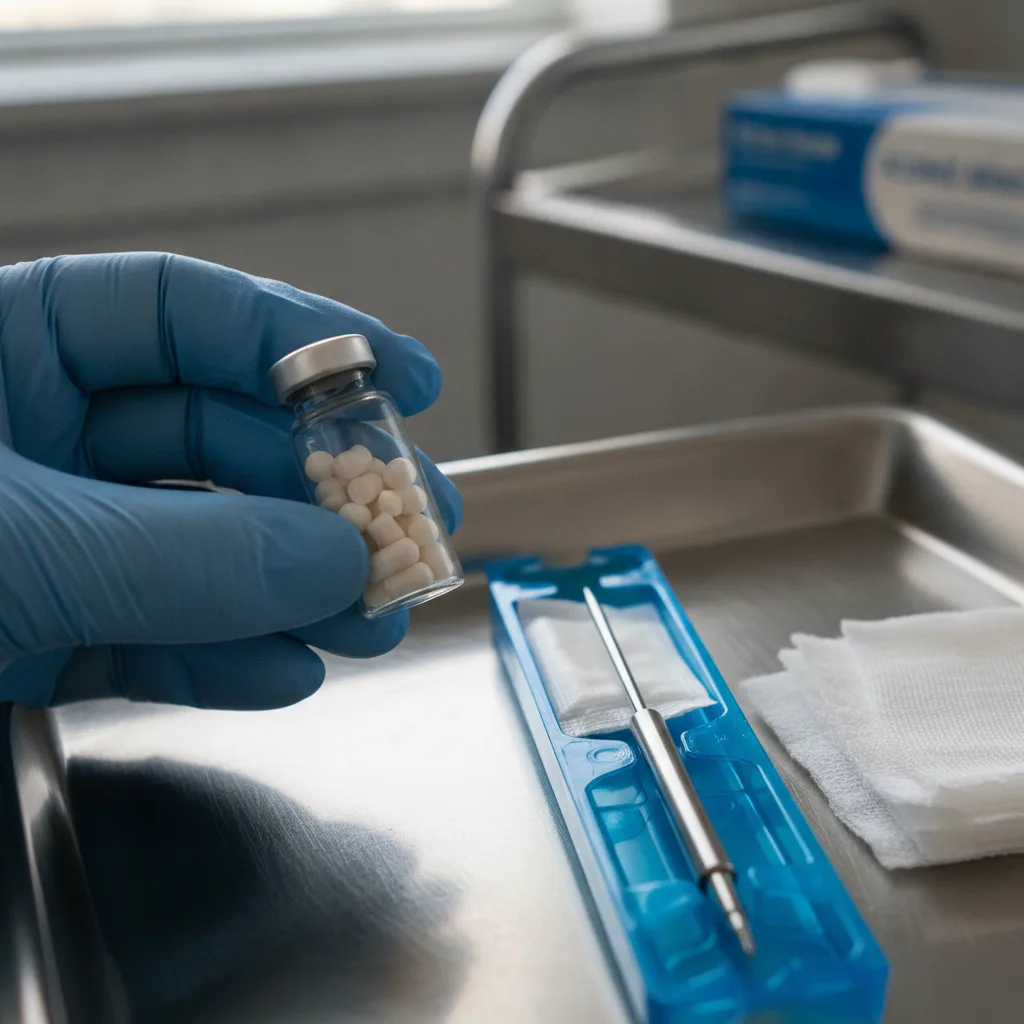
The insertion is 15 minutes or less. Here’s what to expect:
- We numb the upper hip with a local anesthetic.
- A very small incision (pencil eraser size) is made.
- A custom dosed BioTE pellet is placed under the skin.
- An adhesive patch is placed at the insertion site, no stitch needed.
- You return home to resume your daily schedule with simple aftercare instructions.
The anticipation is always worse than the insertion itself. You won’t feel much of anything. You’ll also hear us warn you to avoid hot tubs, swimming pools and to keep the insertion area dry, because in Orlando it’s so humid. Our physician is Biote certified and BioTE certified and does this work. Your follow-up labs are drawn four to six weeks after the initial insertion to review your levels and make any necessary adjustments. We never simply discharge you after the procedure. Read more about what your first visit includes.
Don’t avoid the clinic visit just because you don’t know what it entails. Now that you’re in the know, give us a call and let’s get your labs going!
When BioTE Is Not the Right Option for You
Many practices will omit this information. But you deserve to know.
As I’ve mentioned above, this treatment isn’t the right choice for everyone. BioTE pellet therapy is generally contraindicated in patients with a history of hormone receptor-positive breast cancer, current blood clots, or liver issues, among other conditions. Prior to starting pellet therapy, your physician will need to review your complete medical history to assess whether BioTE is safe for your particular case. Period.
Often, the symptoms you’re experiencing aren’t hormonal issues but rather other medical conditions. Fatigue, brain fog, and insomnia can indicate thyroid disease, iron deficiency, insufficient vitamin D levels, adrenal burnout, or other ailments. I see many women who assume they’re suffering from hormonal imbalances. After running blood tests, however, it turns out their thyroid issues are the cause. Orlando’s warm climate year-round, as well as spending much of the year in the home due to weather or other factors, can contribute to dehydration and sleep deprivation that can mimic menopause symptoms.
Another reason a woman might not be an immediate candidate for pellet therapy is because she’s younger than the average age of menopause and is still having her periods. Women younger than age 35 might find their symptoms can be managed better through lifestyle changes alone. Improved sleep, consistent exercise, and stress reduction techniques are excellent ways to alleviate symptoms without medication. Women in early perimenopause may also benefit from other treatments and medications before BioTE is considered.
Lastly, BioTE pellets are not appropriate for women who are actively trying to become pregnant. BioTE therapy can have an impact on female fertility. Therefore, timing is essential when considering a treatment with a patient who has fertility goals. Women desiring to start a family soon after hormone insertion should speak to their doctor to review alternatives.
This doesn’t mean that you should “suck it up” and try to cope with your symptoms in the meantime, however. Rather, this information means that the most appropriate next step is to have your lab work done and have an open, honest discussion with your physician. Your doctor will be transparent with you about what is truly going on in your body and what treatments would be the most suitable. The only reason why we ever refer a patient elsewhere is that she or he may not be the best candidate for treatment with BioTE at that time. If the blood tests reveal that you have low levels of hormones, we’ll recommend BioTE pellets. If your hormones aren’t deficient, we won’t recommend the treatment, and that’s absolutely fine! You will leave your visit confident in what the bloodwork is revealing.

Hormone Therapy Plus Weight Management
One of the most common situations we see is a woman who starts eating healthier, exercising more, and doing everything correctly, only to see her weight not move on the scale or worse, see an increase in abdominal obesity.
This isn’t a “willpower” issue. It’s a hormone problem!
The female hormones, estrogen, progesterone and testosterone all regulate the way the body stores fat, builds muscle, and burns fat and calories. When these hormones decline perimenopause and menopause, your metabolism begins to change. You will begin to store fat differently, lose muscle, and diet and exercise won’t help you lose weight the way they once did. Our clinics in Orlando see this problem weekly. It’s perhaps one of the most common complaints women bring to us. For this reason, we incorporate BioTE pellet therapy into our weight management protocols. We do not treat these as two distinct problems. Balancing hormones may help your body respond to diet and exercise the way it used to. Testosterone preserves lean muscle mass. Normal estrogen levels determine how your body stores fat. Progesterone influences your sleep cycles. In and of itself, bad sleep may stop a weight loss program dead in its tracks.
So what does this mean practically? Your doctor will evaluate your lab tests and symptoms as a team. Your hormone panel will not be evaluated in a vacuum. Your weight alone will not be evaluated. Your doctor will see the entire picture. A woman who feels lethargic, experiences hot flashes and has trouble losing belly fat, doesn’t require three separate treatment programs. Rather she needs just one treatment plan that addresses the root cause of all the symptoms she is experiencing. Orlando is warm almost all year long, and many of our patients wish to remain active outside. If low testosterone levels have you feeling low on energy or inflammation-induced aches and pains are interfering with your desire to stay active, you won’t see any change by strolling around Blanchard Park or along the Econlockhatchee River. You require hormone normalization to get you back on track, and that’s where we step in. This gives your body what it needs to make your efforts work again. That’s the component most other clinics do not address. They look at your caloric intake and your workout regimen. But they do not consider whether your hormone levels allow you to do this effectively in the first place. As a Biote-certified provider that works under physician supervision, we do not guess at your problems or treatments. Instead, we run lab tests, recommend an effective treatment plan, and keep in touch with you as your treatment progresses. Consider speaking to one of our doctors about integrating hormone therapy into your weight management plan.
Book Your Consultation
Frequently Asked Questions
What happens at my first BioTE consultation?
Your first visit is a conversation, not a sales pitch. You’ll sit down with a physician and talk about your symptoms, from sleep trouble to mood swings. After that talk, we order bloodwork to check your hormone levels, thyroid, and metabolic panels. A board-certified medical doctor reviews everything before any treatment plan is made. Most women say this visit finally puts a name to what they’ve been feeling for months. Nothing gets rushed, and no one hands you a treatment plan before your labs come back.
How soon will I feel a difference after my pellet insertion?
Many women notice small changes within the first few weeks, though your body needs time to adjust to new hormone levels. Sleep often improves first, followed by steadier energy and mood. Your provider checks follow-up labs about four to six weeks after insertion to confirm your levels are where they should be. This isn’t a guessing game. If something needs adjusting, your doctor sees it in your numbers, not just from how you say you feel.
Does Orlando’s heat and humidity affect how BioTE works?
Yes, our climate plays a bigger role than most people expect. Year-round heat and humidity affect how your body absorbs and processes hormones, and outdoor heat stress can shift your cortisol levels. Women who spend time outside near trails or commute through hot, humid conditions often deal with this more. A physician familiar with treating patients in this climate factors that into your dosing, instead of using a one-size-fits-all approach.
What should I avoid doing after my insertion, living in Orlando?
Keep the insertion site dry and skip hot tubs or pools for a few days. Our warm, humid weather can slow healing if the site gets wet too soon. The insertion itself is small, about the size of a pencil eraser, closed with an adhesive strip instead of stitches. Most women go home the same day and return to normal activities quickly. Just give the site a little extra care during Orlando’s hot months.
How do I know if my symptoms are actually hormonal?
If you notice three or more signs consistently, like night sweats, stubborn weight gain, brain fog, low libido, or mood changes, it’s worth investigating. These symptoms often overlap with thyroid problems or vitamin deficiencies, which is why lab work comes before any treatment decision. A board-certified doctor reviews your full results, not just one number, to see what’s really going on. Feeling exhausted in your 40s isn’t something you have to accept as normal.
Is BioTE pellet therapy safe if I have other health conditions, like thyroid issues?
It can be, but that depends on your full lab picture, not just one hormone level. Estrogen, testosterone, and thyroid hormones all interact with each other, so a provider who only looks at part of the picture can miss what’s really driving your symptoms. That’s why a physician reviews your complete bloodwork before recommending pellet therapy. This step helps confirm the treatment fits your body, rather than guessing and adjusting later.