
Home » Testosterone Replacement Therapy East Orlando » Women’s Health Clinic — East Orlando » Anti-Aging Hormone Therapy for Women in Orlando | Svelte Medical Weight Loss – East Orlando
Anti-Aging Hormone Therapy for Women in Orlando | Svelte Medical Weight Loss - East Orlando
Signs Your Hormones May Be Out of Balance

You used to sleep through the night. Now you’re wide awake at 2 a.m., staring at the ceiling fan.
That’s often what we hear first from women visiting our Orlando clinics: not dramatic symptoms, but quiet ones. You might brush these off for months, attributing them to stress or simply aging. However, your body could be signaling something important, and it’s worth listening.
Hormonal imbalance doesn’t always appear as you might expect. While hot flashes often receive attention, fatigue that coffee can’t help is much more common among the women we see. You might experience brain fog, making you forget why you entered a room, or joint stiffness despite no change in your activity. Mood swings might feel completely out of proportion to daily events. These are all real symptoms stemming from a genuine cause, one our women’s bioidentical hormone clinic can help you identify with proper lab testing.
Many women are surprised by weight gain around the midsection that won’t budge, even with clean eating. We see this every week. A woman often comes in frustrated, doing everything “right” but still gaining. Her labs, however, reveal the true story her scale can’t.
Orlando’s consistent heat presents an additional challenge. Central Florida’s humidity often makes night sweats and sleep disruption feel unbearable, particularly during our long summers when temperatures exceed 90 degrees well into October. You might attribute it to the weather, and sometimes that’s true. But if your AC is set to 68 and you’re still waking up drenched, hormones are likely involved.
Other signs can be easy to overlook. These include low libido that surfaced so gradually you barely noticed, thinning hair, dry skin that resists all moisturizers, or anxiety that appeared unexpectedly in your late 30s or 40s.
Not every symptom indicates a need for hormone therapy. Some women simply require improved sleep habits or a vitamin D check. If you recognize three or four of these symptoms, however, getting your hormone levels tested is a good next step. A simple blood panel can reveal exactly what’s happening and if your hormones are contributing to the problem

Pellets, Patches, and Injections: Choosing the Right Delivery Method
Every woman responds uniquely to different delivery methods, a fact we observe regularly. While one patient may thrive on pellets, another might find a different approach works better. Your body, lifestyle, and hormone levels all play a role in this choice.
Here are the main options.
Bioidentical hormone pellets, such as the Biote pellet therapy we provide as a Biote-certified provider, are small implants placed just under the skin. This procedure takes only minutes. Pellets release a steady dose of hormones over several months. This means you avoid daily routines or weekly appointments. For women in East Orlando who travel often or prefer not to think about their hormones daily, pellets offer a very convenient option. They closely mimic your body’s natural release patterns, more so than most other methods.
Topical patches deliver hormones through the skin on a set schedule, applied by you. Some women prefer this level of control, appreciating the ability to adjust or stop treatment quickly if needed. Patches can, however, irritate sensitive skin. In Central Florida’s heat and humidity, adhesion often becomes an issue. We hear this complaint frequently during summer months when outdoor activity is common around places like the Econlockhatchee River trail system or Blanchard Park.
Injections provide precise dosing. A physician can adjust the amount at each visit, basing it on your latest lab work. The main drawback is the need for more frequent office visits, or you must learn to self-administer. Some women don’t mind this, while others find it stressful.
How you choose begins with bloodwork and a direct conversation with a physician who understands your complete health picture. This is not about a website quiz or a one-size-fits-all protocol. Our board-certified medical doctor carefully reviews your labs, symptoms, medical history, and daily routine before making any recommendation.
The right method is the one you’ll consistently follow. This may sound simple, but its importance is often underestimated. A perfectly dosed treatment is ineffective if it remains in your medicine cabinet or if you consistently skip appointments. We discuss all these factors with you before you commit to a plan, because the ideal fit varies for every woman who visits our clinic.
Preparing for Your First BioTE Consultation
Sometimes, you might arrive convinced your hormones are the issue, only to find they are not. This happens more often than many realize.
If your bloodwork results are normal, hormone therapy will not resolve what you’re experiencing. Your fatigue or brain fog might instead stem from poor sleep, chronic stress, a thyroid issue, or a vitamin deficiency. Orlando’s consistent heat and humidity can also mask dehydration symptoms, which can mimic hormonal imbalance. You might feel drained, notice your mood dips, and your energy crashes by 2 p.m. However, the solution isn’t always estrogen or testosterone. A physician-supervised evaluation identifies these distinctions before any treatment begins. That is the fundamental purpose of lab work.
There are medical situations where hormone therapy should be postponed. Women with a history of certain estrogen-sensitive conditions require careful screening. Active blood clotting disorders, undiagnosed vaginal bleeding, or untreated high blood pressure are all factors that can alter treatment considerations. If you still have regular menstrual cycles with no significant symptoms, therapy might not be necessary at this time.
Honesty is paramount here. We prefer to recommend focusing on sleep, hydration, and stress management for 90 days rather than starting a protocol you don’t need. This is not a sales pitch; it’s simply how medicine should function. If your lab results are within range and your symptoms are mild, prioritizing lifestyle changes is often the most appropriate initial step. Improving your sleep schedule, especially in a city where late nights are common around the UCF corridor, can sometimes achieve more than any pellet or cream.
If you have already tried improved nutrition, consistent exercise, and quality sleep, yet still feel exhausted through your days, then your hormone levels warrant a closer examination. The women who benefit most from anti-aging hormone therapy are those who have ruled out simpler solutions and still feel that something is not right. This intuition is worth investigating, but not worth making assumptions about.
What Happens From Consultation to Treatment
Your journey begins when you walk in and sit down with an actual physician.
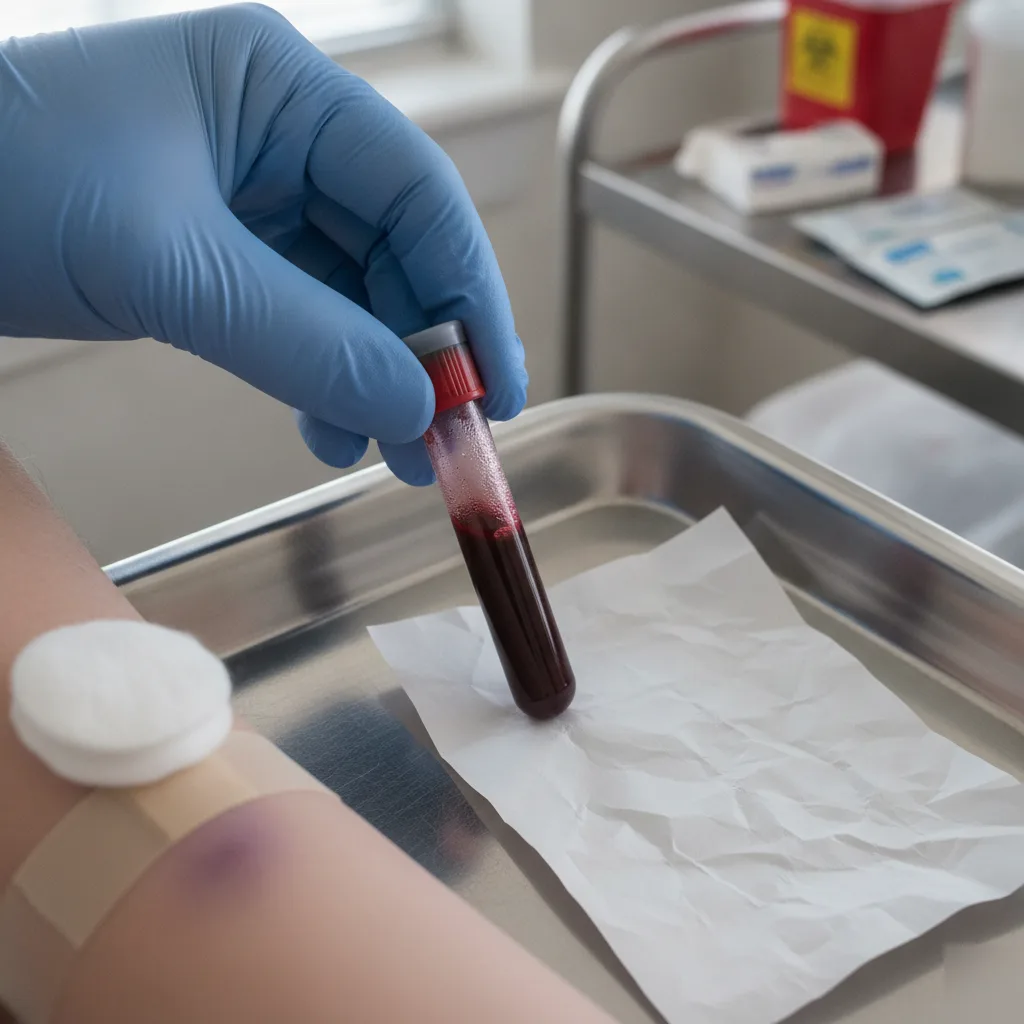
Your first visit is a medical evaluation, not a sales pitch. We review your complete health history, current symptoms, and any approaches you’ve already tried. Then we order specialized bloodwork. This is not a basic panel from an annual checkup. We examine estradiol, progesterone, testosterone, thyroid markers, DHEA-S, and other levels to provide a clear picture of your current hormone status. Often, these results confirm what you’ve been feeling for months.
Once your lab results are available, you meet with your physician again to review every number. We explain what levels are low or imbalanced, and how these findings relate to the fatigue, brain fog, or sleep problems you initially presented. This is when your personalized treatment plan begins to take shape. For many women, bioidentical hormone replacement therapy or Biote pellet therapy is the most suitable option; for others, a different approach fits better. The key is that your plan is derived from your bloodwork and your body, not a generic template.
If Biote Pellet Therapy Is Right for You
The pellet insertion procedure itself takes only a few minutes. A small area near the hip is numbed, and the pellets are placed just under the skin. Patients at our East Orlando clinic often tell us they barely felt it. You can return to most normal activities the same day, with just a few minor restrictions.
The actual adjustment, however, occurs in the weeks that follow. Hormone levels do not change instantly. Your body adjusts gradually over three to six weeks. During this period, we recheck labs to confirm your levels are reaching the intended range, making adjustments as necessary. This consistent follow-up is more significant than many clinics emphasize.
Because we operate as a physician-supervised practice with a board-certified medical doctor on-site, every decision receives appropriate medical oversight. You will not be handed off to a coordinator or left waiting for a callback. If something feels amiss at week four, you speak directly with someone who can adjust your protocol during that same visit. This approach ensures consistent and responsible care.
We can help you discover your hormone levels and guide you through the entire process during your first appointment.

How Follow-Up Labs Confirm Your Treatment Is Working
You cannot manage what you do not measure. For this reason, we never begin hormone therapy and simply hope for improvement.
Your initial follow-up labs typically occur approximately four to six weeks after treatment starts. We examine specific markers such as free and total testosterone, estradiol, progesterone, DHEA-S, a thyroid panel, and sometimes insulin or cortisol, depending on your symptoms. These numbers quickly reveal whether your body is absorbing and utilizing the introduced hormones.
Often, a woman reports feeling noticeably better, perhaps sleeping through the night for the first time in years. Yet, her labs might reveal estradiol levels are still a little low. Without that blood work, we might assume everything was perfect. Instead, we make a small adjustment, and she feels even better within weeks. That illustrates the distinction between guessing and knowing.
Orlando’s heat and humidity also play a role. Women who spend significant time outdoors in East Orlando, perhaps enjoying the trails near Blanchard Park, or anywhere in Central Florida’s subtropical climate, often metabolize hormones differently during summer months. Hydration levels, activity patterns, and even sweat loss can all influence how your body processes bioidentical hormones. We consider all these factors when interpreting your results.
After the initial check, most patients to labs every three to six months. Some require closer monitoring early on, while others stabilize quickly, depending on their individual body. A physician reviews every result, not a computer algorithm or an app notification. An actual doctor assesses your numbers within the context of your daily well-being.
We also monitor trends over time. A single snapshot is less significant than the pattern observed across several draws. We look for answers: Is your progesterone climbing steadily? Is your thyroid responding as expected? Are inflammatory markers decreasing? These trend lines truly reveal the complete picture.
However, lab results are not the complete picture. We combine them with symptom tracking. Your sleep quality, energy levels, mood, and libido are all documented alongside the numerical data. A lab value that appears “normal” on paper holds little meaning if you still feel terrible at 3 p.m. every day.
Book Your Consultation
Frequently Asked Questions
What happens during my first visit for hormone therapy in Orlando?
Your first visit starts with bloodwork and a real conversation, not a quick quiz. Our board-certified doctor reviews your symptoms, medical history, and daily routine before suggesting anything. You’ll talk about sleep, stress, and how you’ve been feeling day to day. This visit usually takes longer than a typical checkup because we want the full picture. Nothing gets prescribed until your labs come back and we know what’s actually going on.
How soon will I notice a difference after starting treatment?
Most women notice changes within a few weeks, though full results can take a couple of months. Sleep and mood often improve first. Energy and weight changes tend to follow a bit later as your body adjusts. Pellets release hormones steadily, so shifts happen gradually rather than overnight. We check back with you early on to see how you’re responding and adjust the plan if needed based on your labs and how you feel.
Does Orlando’s summer heat make hormone symptoms worse?
Yes, heat and humidity can make hormonal night sweats feel much worse here. Central Florida’s long, hot stretch through October often intensifies sleep disruption for women already dealing with hormone swings. If you’re waking up drenched even with your AC set low, that’s usually more than just the weather. This is one reason so many Orlando women come in during late summer, once the heat has made symptoms impossible to ignore any longer.
What blood tests are done before starting hormone therapy?
A simple blood panel checks your hormone levels along with related markers like thyroid function. This tells us whether your symptoms actually trace back to hormones or something else, like a vitamin deficiency or thyroid issue. We won’t recommend therapy based on symptoms alone. The labs give us real numbers to work from, so any plan we suggest is based on what your body is actually doing, not guesswork.
Can I switch delivery methods if my first choice doesn’t work?
Yes, you can switch between pellets, patches, or injections if your first method isn’t a good fit. Some women find patches irritate their skin in Orlando’s humidity, especially if they’re active outdoors. Others prefer the steady release of pellets once they see how it fits their schedule. We check in after you start treatment, and if something isn’t working for your lifestyle, we’ll talk through other options at your next visit.