
Home » Testosterone Replacement Therapy East Orlando » Testosterone Therapy for Muscle Mass and Energy in Orlando | Svelte Medical Weight Loss – East Orlando
Testosterone Therapy for Muscle Mass and Energy in Orlando | Svelte Medical Weight Loss - East Orlando
The Lab Work Behind an Accurate Low Testosterone Diagnosis

You can’t fix what you haven’t measured. That’s the whole foundation here.
A proper low testosterone diagnosis starts with blood work, not guesswork. We check total testosterone, free testosterone, and bioavailable testosterone because each number tells a different part of the story. Total testosterone is the big picture. Free testosterone shows what’s available for your muscles, brain, and energy systems to use. Most men walking around with fatigue and muscle loss have never had their free testosterone checked, they just got a single total number and were told “you’re fine.”
But there’s more to it than testosterone alone. We also look at estradiol, SHBG (sex hormone-binding globulin), thyroid markers, a complete metabolic panel, and CBC. Why? Because high estradiol can cancel out the benefits of healthy testosterone levels. Elevated SHBG binds up your free testosterone so your body can’t use it. Orlando’s year-round heat and humidity can mask symptoms like fatigue or poor recovery, so accurate lab values matter even more when your environment already drains energy.
Timing matters too. Testosterone levels peak in the morning and drop throughout the day. We draw blood early, usually before 10 a.m., to capture your true baseline. A blood draw at 3 p.m. could show numbers 20 to 30 percent lower than your actual morning level. That kind of gap changes the entire treatment plan.
Here’s something we see constantly. A patient comes in with labs from another provider showing a total testosterone of 450 ng/dL. Looks normal on paper. But their free testosterone is in the basement and their SHBG is sky-high. Without the full panel, that patient gets sent home and told nothing’s wrong. With a physician-supervised evaluation and the right labs, we can finally explain why they’ve been dragging through every workout and every workday.
Good lab work isn’t optional; it is the difference between a real plan and a shot in the dark.
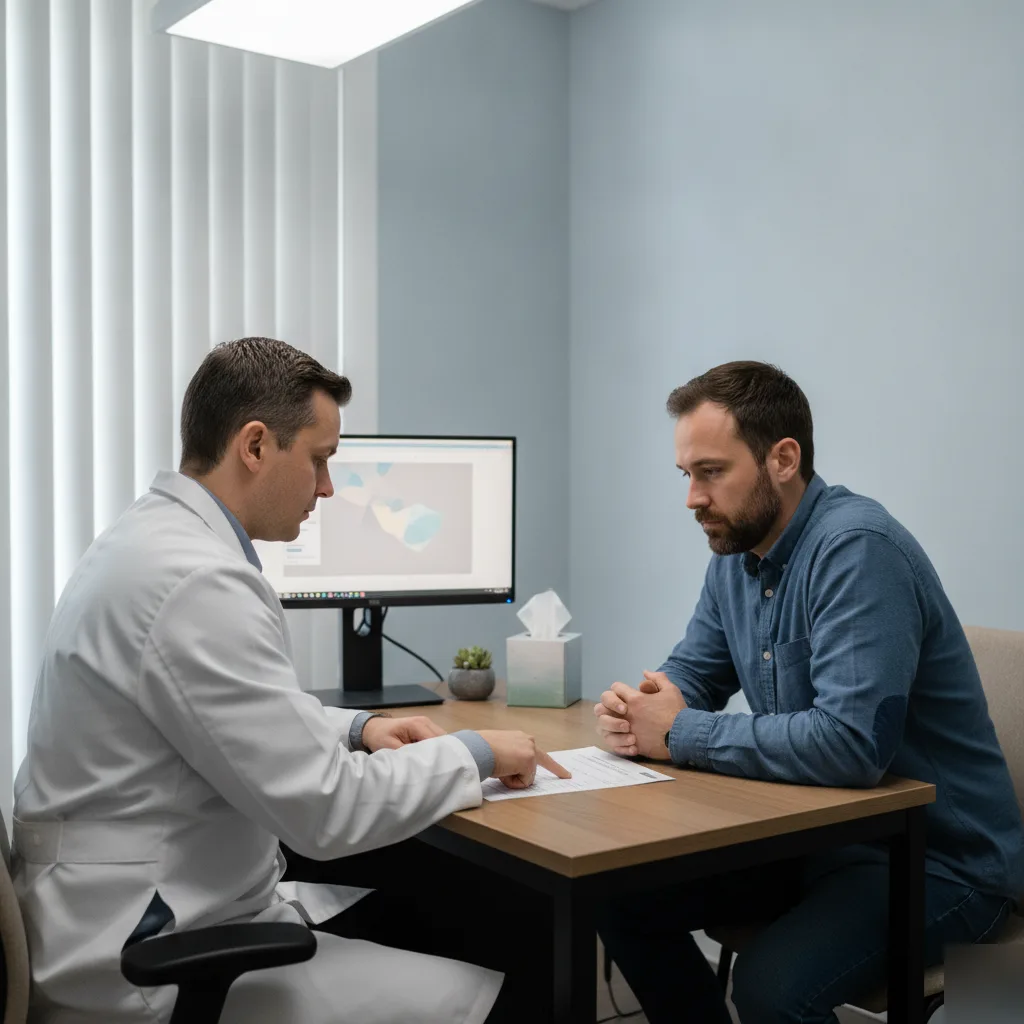
When Fatigue and Muscle Loss Aren't Low Testosterone
Not everyone who walks through our door needs testosterone therapy. That’s a straight-forward honest answer, and we think you deserve it before spending a dime.
Sometimes the symptoms look identical. You’re dragging through your afternoon, losing strength you used to have, gaining weight around the middle. But when we run bloodwork, testosterone levels come back perfectly normal. So what’s going on? A few common culprits mimic low testosterone almost exactly.
Thyroid dysfunction is a big one. A sluggish thyroid can slow your metabolism, drain your energy, and leave you feeling like you’re stuck in muscle-building quicksand. With Orlando’s heat and humidity, it’s easy to dismiss the first symptoms of thyroid problems, as anyone living in the Sunshine State can feel sluggish during a Florida summer. This is exactly why we don’t guess, we test.
Sleep apnea is another. It’s a problem we see constantly. Patients can believe there’s a hormonal issue, but they’re waking up forty times every night. A lack of quality sleep ruins your recovery, your mood, and your motivation. Furthermore, sleep apnea reduces your natural testosterone production on its own, so addressing that issue can resolve hormonal issues as well.
We often see cases of vitamin D and iron deficiencies and we can’t discount chronic stress and elevated cortisol. Even some medications like those used for high blood pressure or anxiety can lead to symptoms like lethargy, poor mood, and muscle mass loss, mimicking low T.
This is why we emphasize a doctor-supervised evaluation. You can rule out the root cause before initiating treatment and ensure that the medication you’re taking is exactly what your body needs. We run a comprehensive hormone panel along with metabolic markers, thyroid levels, and other key health markers. If your testosterone levels are normal, we will tell you, as there’s no benefit to treating you for a condition you do not have. Conversely, if it’s something else causing your fatigue, we will help you discover the next steps.
If you skip this step, there is potential for complications. Some clinics start patients on a treatment based solely on their symptoms and without running complete lab work. This could unnecessarily put someone on hormone therapy. While hormone therapy can offer some benefits, it also comes with some risks.
However, if your labs are confirmed low and your symptoms match, then we can discuss whether therapy can be a good solution. In the case that your hormones aren’t low, or if your health is a different matter, we’ll help you identify another route of recovery.
Picking a Delivery Method: Pellet Therapy vs. Injections vs. Gels
There’s no one method that works best for everyone, which is why we discuss your options prior to starting any therapy.
Testosterone injections are the most common treatment method. You receive an injection according to a set schedule, like every week or every two weeks. While this is effective, your testosterone levels fluctuate between your treatments. This means you may feel great for the first few days, but then energy levels will taper off as you approach the next appointment. This fluctuation in levels is a common issue many patients report with testosterone injections during follow-up visits.
Topical gels are another common treatment method. Patients can apply the medication to their skin daily, providing stable blood levels throughout the day. However, you must make sure to apply the gel at the same time every day. Additionally, there’s a risk of transfer to others if someone touches the site before it fully dries. For patients who have children or partners living in the home, this is something to take seriously as there is a potential risk of transfer. It’s worth noting that we often discuss this specific concern during your consult.
Finally, there’s pellet therapy. Small testosterone pellets are inserted into the skin, usually on or around the hip, during a quick, in-office procedure. They deliver a slow and steady dose of testosterone, lasting three to six months. There’s no need for daily attention or weekly trips in and out of the clinic. Orlando weather lends itself to being active outdoors year-round, and pellets can easily accommodate an active Orlando lifestyle since patients aren’t constantly worrying about something they can’t forget about. We are a Biote Certified Provider, and therefore adhere to a strict protocol for Biote pellet insertions based on thousands of pellet insertions performed across the country. So what’s the right decision for you? It really depends on your lifestyle, what feels comfortable to you, and how your body reacts to different forms of testosterone. A doctor will look at all of your lab data, your symptoms, and your lifestyle choices when determining the best type of TRT therapy for you. Many patients begin with a specific form of TRT (usually injections) and change their therapy to pellets later on after seeing how their body responds. Other men find that they prefer the ease of pellets right away. We won’t find one type of treatment that works for everyone. We will find one that works specifically for you. That is the foundation of physician-supervised TRT. Your lab data should direct treatment choices, not a set standard of care. If you’ve been wondering for months now how you should treat yourself, you’ll find that you can talk about it in your initial consultation here.
What To Expect From Your First Orlando Testosterone Consultation
You walk in, you meet with an East Orlando men’s health doctor, and you get started on your care. We always prioritize listening. During your first visit, we’ll discuss how your symptoms are affecting your day-to-day life. Perhaps you’re exhausted in the morning when you live in Waterford Lakes despite feeling like you’ve slept eight solid hours. Maybe your workout routine near Blanchard Park no longer yields the same gains that it once did. You can share any concerns you have, no matter how small or big they are, and we’ll use that information to determine the next best steps for you.
Next, we perform bloodwork. This isn’t the basic set of tests you get from your general practitioner during a yearly wellness checkup. We order a complete hormone panel that checks your total testosterone, free testosterone, sex hormone-binding globulin, estradiol, thyroid function and other metabolic markers. It’s important to look beyond testosterone and understand all of the data surrounding you because issues like low energy or loss of muscle mass aren’t always tied to testosterone issues. They may result from thyroid dysfunction, for example, or perhaps cortisol. A full scope is necessary in order to make a proper recommendation.
A physician who is board-certified in medicine will take a careful look at your bloodwork, your medical background, what medications you’re taking, and what you’d like to accomplish. They will evaluate your body composition, inquire about your sleep habits, your stress level, and your eating patterns. Our location in Orlando allows for year-round outdoor recreation, so we will consider your lifestyle and activity level in the context of your hormone health. We do not hand out a prescription for hormones simply because someone asks for them on their first visit. This is physician-supervised care. If the labs came back low, we develop a plan that targets the labs and symptoms and your body specifically. If your levels are fine, we tell you that your problem is driven by something else.
And that’s one thing patients tell us they haven’t gotten from a provider before: time. That time is necessary. We don’t guess our way to better hormone health, we work systematically toward that goal. All of that discussion happens within the confines of strict HIPAA-secure practices; your medical information is private.
Tracking testosterone levels and markers over time
Just starting treatment with testosterone is not the end of the road. We also follow what’s going on in your body after treatment initiation.
We do bloodwork before you get your first treatment. This provides a snapshot of how your total T, free T, and E2 are right now, but it also lets us see hematocrit, hemoglobin, liver function, PSA, and cholesterol. These other tests aren’t specific to hormone levels, but they are important safety indicators that we watch for the whole time you’re on treatment.
The first lab follow-up for most patients falls in that 6–8 week range, at which point we look for changes. Your T levels are increasing at a level that should produce positive clinical effects, such as a boost in energy, muscle growth, and recovery. But we’re also checking the red flags, like hematocrit. This can spike, and the body may start producing too much red blood cell mass as a result; you need the doctor to monitor this closely.
Adjustments are minimal but they are made: a slight increase or decrease in dose, or injection frequency. Because you’re in Orlando and the weather is so nice, you’re able to be more active, which can help metabolize testosterone better. Activity also changes throughout the seasons, so we track for that, too.
Following your first few visits of treatment and lab work, you’ll usually have labs drawn quarterly. Some patients are on a different schedule. Each patient is a case unto themselves, but a board-certified doctor reviews your labs; it’s not a quick glance at numbers. We look at trends. Is your E2 going up? Are your liver enzymes increasing? Where does your PSA fall, relative to 3 months ago? Physician oversight and safety. A board-certified MD on staff to oversee your lab work and adjust your treatment protocol. Patients tell us this is the best part: seeing the numbers on a sheet match up with how they feel. It’s a motivating factor, and it’s good to know they’re safe along the way.

Book Your Consultation
Frequently Asked Questions
How do I know if my symptoms are actually low testosterone?
The only way to know for sure is a full blood panel, not just how you feel. Fatigue, muscle loss, and low drive can come from thyroid problems, sleep apnea, or vitamin D deficiency too. We check total testosterone, free testosterone, SHBG, estradiol, and thyroid markers before we ever discuss treatment. If your levels come back normal, we’ll tell you and help you look at other causes instead.
What happens during my first visit?
Your first visit centers on an early morning blood draw, ideally before 10 a.m. Testosterone levels peak in the morning and can drop 20 to 30 percent by afternoon, so timing changes what your results actually show. After your labs come back, a physician reviews your full panel with you and talks through your symptoms, schedule, and lifestyle before recommending any next step.
How long before I notice more energy or muscle gains?
Most patients start noticing energy changes within the first few weeks, with muscle and body composition changes building over a few months. This depends heavily on which delivery method you choose. Injections can bring quicker but less steady effects, while pellets release testosterone gradually over three to six months for a more even response.
What’s the difference between pellets, injections, and gels?
Pellets, injections, and gels all raise testosterone, but they deliver it differently. Injections are dosed weekly or biweekly and can cause a rise-and-dip pattern some patients notice before their next shot. Gels need daily application at the same time and carry a transfer risk around kids or partners. Pellets are inserted under the skin during a quick office visit and release a steady dose for three to six months, with nothing to remember day to day.
Does Orlando’s climate make it harder to spot low testosterone symptoms?
Yes, Orlando’s year-round heat and humidity can mask fatigue and poor recovery, making them feel like normal side effects of summer instead of a hormone issue. That’s part of why we lean on full lab panels instead of symptoms alone. On the flip side, our warm climate keeps a lot of people active outdoors most of the year, which is one reason pellet therapy fits so well here since there’s no daily routine to interrupt an active schedule.
Can a clinic prescribe testosterone based on symptoms alone?
Some clinics do, but it’s not the safest approach. Prescribing testosterone without full lab work, including free testosterone, SHBG, and thyroid markers, can put you on therapy your body doesn’t actually need. That creates real risk with no real benefit. A physician-supervised evaluation confirms low testosterone is truly the cause before any treatment plan starts, so you’re not guessing with your own body.