
Home » Testosterone Replacement Therapy East Orlando » Testosterone Replacement Therapy in Orlando | Svelte Medical Weight Loss – East Orlando
Testosterone Replacement Therapy in Orlando | Svelte Medical Weight Loss - East Orlando
Know the Signs of Low Testosterone Before Scheduling

Men don’t usually say, “Good morning, my testosterone is low,” when they wake up. Instead, you feel more tired during the day after getting a good night’s rest. Your muscle tone starts to dip, so you don’t seem as strong when you work out. Your moods seem to fluctuate, even if you can’t pinpoint the specific cause.
We see this every week.
Low testosterone rarely manifests as a single isolated symptom. It impacts multiple functions simultaneously. What makes the condition so challenging is that each symptom by itself is often a fairly minor concern. Fatigue could be caused by stress; a larger belly might just be related to your diet; a loss of interest in sex might seem like an inevitable part of aging. But when you have a cluster of these problems at once, it’s a strong signal that something is fundamentally wrong.
Here’s a summary of red flags to keep an eye on:
- Ongoing tiredness that doesn’t improve with coffee or better rest
- Your muscles shrinking or you losing strength, even though you’re active
- Your body fat going up, especially around your abdomen
- Brain fog or concentration issues at work
- Being moody, feeling less drive, or not caring about anything
In Florida, the persistent heat and humidity can sometimes make these symptoms seem even worse. It’s common for Waterford Lakes residents or those who commute along the 408 highway to chalk up their fatigue to a hot summer and a long commute. And while the climate certainly has an effect on your energy levels, you should still not feel this sluggish in January just because it’s hot outside.
Often, we’ll hear this from patients: a guy in his late 30s to 40s thinks he just needs to get better rest or eat more properly. Then we test his blood, and his testosterone levels are much lower than they should be for someone of his age. Suddenly, everything makes sense; he’s finally got a concrete explanation for months of bad days.
You don’t need to have every item on that list, of course, but two or three of these persistent symptoms are definitely enough to get a blood test. A simple lab draw gives you a definitive number to rely on rather than making assumptions based on some forum post or late-night Google search. Once you have that information, you and your doctor can decide together if testosterone replacement therapy is right for you.

Distinguishing Physician-Supervised TRT Programs in Orlando from Prescription Mills
Every place that offers testosterone replacement therapy in Florida isn’t the same. The clinics lining International Drive or near Orlando attractions that are more like “prescription mills” might have you drop in, fill out a couple forms, walk out with a prescription, and then be left on your own to deal with anything that comes along later. That’s a model no good doctor will follow.
So what sets a prescription mill apart from a real doctor-supervised clinic? A medical-supervised program never starts with just a questionnaire; it always includes actual bloodwork. We run labs to check your total testosterone, free testosterone, estradiol, hematocrit, PSA, and metabolic panel. If a clinic does not do labs, or only tests your total testosterone, that is a major red flag. Your body is a lot more complicated than one lab number.
A legitimate program will look like this:
- A board-certified MD reviews your labs and designs your protocol, not a sales rep
- Follow-up bloodwork is conducted at set intervals to track your levels and adjust dosing
- Your clinic should monitor other labs, like your red blood cell count and your liver function
- Your medical team should be able to explain the reasoning behind a particular delivery choice
Most of the “pillory mills” out there push a one-size-fits-all approach. You may get the same dose as everyone else or the same kind of injection as your next-door neighbor. They usually do not discuss how to control estrogen or the overall relationship between hormones and body composition. We often get referred guys coming from those clinics who are frustrated because their initial progress plateaued and they had developed side effects.
We are in a city with tons of testosterone clinics in Orlando. It can get hard to narrow down which is right for you. The first thing you should ask before booking an appointment is this: “Is it okay to speak with a physician to discuss my lab results and my protocol?” If they say no or do not give you a straight answer, keep looking.
We provide medical-supervised TRT with a board-certified men’s hormone restoration specialist on-site. In addition, our hormone optimization and metabolic health are integrated because we know testosterone does not operate in a vacuum. Your weight, sleep, and stress level all affect how your body uses hormones and you should get a clinician who knows this. In our experience, that often matters more than most clinics acknowledge.
You should work with a clinic that treats more than just the lab value.
Why We Require Repeat Morning Labs Before Writing a Prescription
A lot of men do not expect to hear this: one low testosterone number does not warrant a prescription. We will need to draw at least two sets of morning bloodwork before we write anything. This is not because we are difficult, but because that is how real medicine should work.
Your testosterone number is not set in stone. Testosterone peaks in the early morning, usually between 7 and 10 a.m., and gradually drops off throughout the rest of the day. A low number from an afternoon draw may not really show your baseline. That is why we get fasting morning labs and we require two draws.
Why do we need to do two draws? Maybe you did not sleep well the previous night; that can drop your levels temporarily. Maybe you had a stressful work week, you worked out hard yesterday, or you did a few nights of partying. A single lab number could easily miss that off-day you just happened to land on. The second test is what lets us know whether that number was the norm or just a bad night in your schedule. The American Urological Association guidelines require that the clinician document at least two low testosterone readings before establishing a diagnosis of hypogonadism.
- Free testosterone, which lets us know how much of your testosterone you can actually use.
- Sex hormone-binding globulin (SHBG); if SHBG is too high, it can bind to your testosterone and make it inaccessible to your body.
- Estradiol, LH, and FSH; these lab values help identify whether something else is causing your low testosterone.
- CBC, metabolic panel; to ensure that it’s safe for you to start treatment with exogenous testosterone.
Many men who come to us here in our East Orlando clinics, serving patients from all around the Waterford Lakes area, the Alafaya Trail area, and more, often already have strong feelings that something isn’t quite right. Maybe they feel lethargic and struggle with low energy more and more through every humid summer as the temperatures rise in Central Florida. But knowing that you aren’t feeling well isn’t the same as having a doctor confirm why. That’s what we offer. This also helps protect you. There are some risks involved when you go into testosterone replacement therapy when you don’t actually need it. When we show you your lab results, if we’re seeing a pattern, then you’ll know that we aren’t treating you with a shot-in-the-dark guess or a hunch, but data-driven results that were pulled directly from your bloodwork. We’ll go through every single one of these numbers with you and discuss how they fit together.
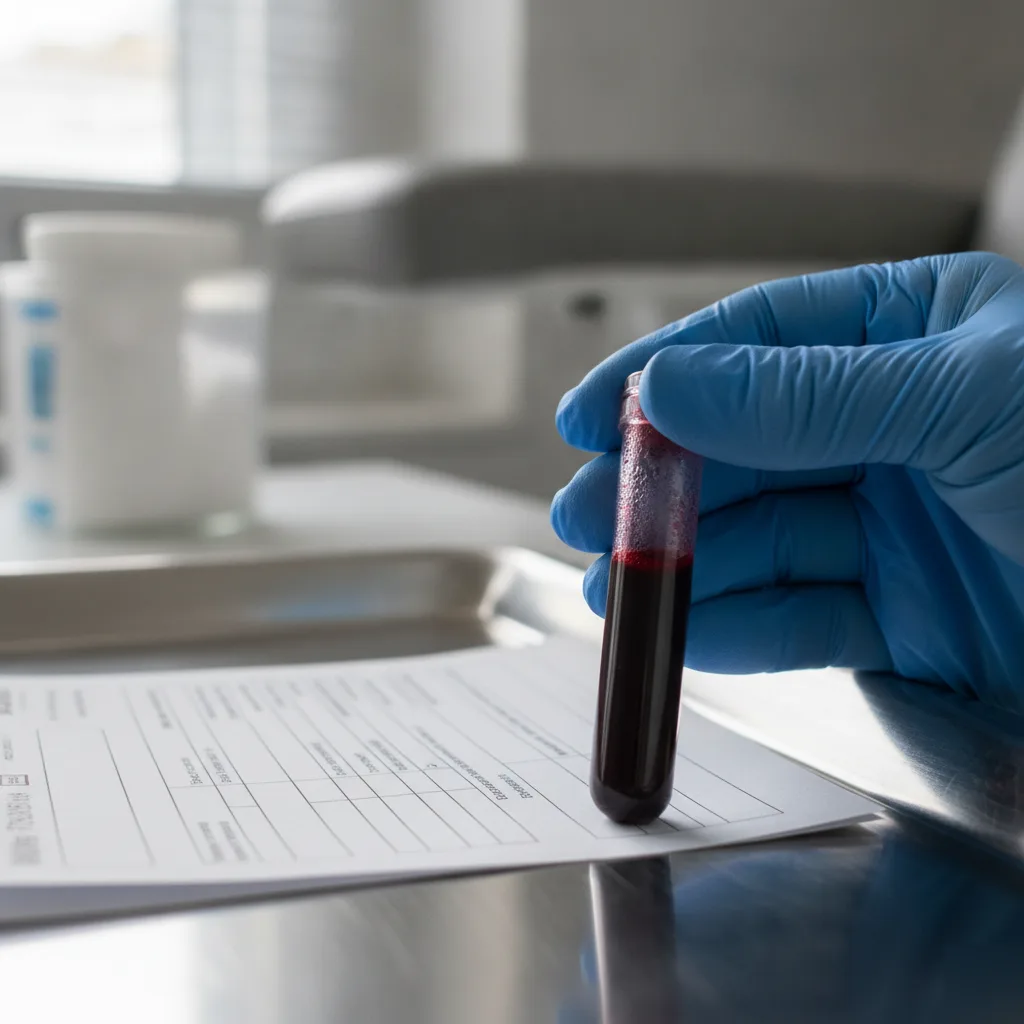
It’s Not Always the Right Treatment for Everyone
Sometimes, you’re coming in here feeling absolutely fried. You feel foggy in the brain and don’t feel like yourself at all, and you’re starting to think that maybe, possibly, you have low testosterone. But as we’ve noted before in some cases, after we’ve run the tests, the results can still come back as normal. In our clinic, we’ve seen this more than you might imagine. Testosterone deficiency can share a lot of similar symptoms to other conditions. If you have thyroid conditions, this can lead to similar symptoms like fatigue and weight gain. You may also be sleep-deprived, have too much chronic stress, low vitamin D levels, or be dealing with depression. Some patients who present at our East Orlando clinics are convinced that their symptoms are tied to low hormones and, at first, that’s all that they’ve thought; that’s all they wanted to know. But then we do blood work and we may see something different. This is why we always get lab results first; we never guess!
Let me give you another possible scenario where we wouldn’t begin treatment with exogenous testosterone. If you’re a younger man who isn’t married, or if you’re not ready for a family because you want to be able to father children one day, it may not be a good idea for you to begin testosterone replacement therapy, as it can decrease your ability to sire babies by suppressing the signals that your body uses to create sperm. A doctor will discuss alternatives in these circumstances as it would not be wise to just begin testosterone therapy if you’re struggling to father a child.
Also, if your low testosterone symptoms are mild, then simply lifestyle modification alone may help significantly. You may simply need better sleep habits and to start exercising. Regular strength training or just managing your stress levels are great ways to begin. If you’re overweight, simply trying to reduce your body fat percentage may raise your body’s natural testosterone production without the need for TRT, and so if we see something like this, we may discuss options other than treatment that may not help at all.
In addition, there are other health conditions that we must consider if we’re thinking about TRT. For example, if you have severe sleep apnea or have untreated sleep apnea, a high red blood cell count, or a hormone-dependent cancer, these are all examples of things we need to consider when it comes to your safety. And before we can even consider prescribing testosterone replacement therapy, you must have a board-certified physician who knows and can address all of your symptoms to review your full health history with you.
The warm temperatures that persist throughout much of the year in Central Florida, along with an active outdoor lifestyle, can sometimes obscure dehydration and loss of sleep, both of which can reduce energy levels and mimic symptoms of low-T.
However, not all tiredness or low libido calls for testosterone, and an assessment like the one we do in my office ensures the patient does not get unnecessary treatment and actually find out what might be causing the symptoms. The best-case scenario, when we do blood testing, is that our blood work indicates a normal level. If it does, we will then work with you to get to the root of whatever is causing the problem.
A Closer Look at Injectable vs. Pellet Treatment
Many men come to our office with a basic question: how does the testosterone get to my body? The two most common methods we employ to accomplish this are testosterone injections and hormone pellets, which work very differently.
Testosterone is administered via an injection, which goes into the muscle, usually in the upper arm or butt. This allows for your body to absorb the testosterone gradually over the course of a number of days. Some men prefer to receive weekly injections, while others opt for two times per month, depending on their lab results. The benefit of injections is that it provides the physician precise dosing control. If you are running too high, it is quick to adjust the dose; similarly, if you are running too low, the physician has the ability to adjust the dose accordingly and quickly.
Pellet therapy is quite a different option. We are a Biote certified provider, and so we operate under the Biote protocol for subcutaneous pellets. We have the physician make a small incision, typically in the hip area, and slip in several pellets about the size of a grain of rice under the skin. It only takes a minute or two. These pellets then release a consistent amount of bioidentical testosterone for anywhere from three to six months depending on the size of the pellets. This eliminates the need for a weekly shot or having to set up a reminder on the phone for that time period.
So, which one is best? It really depends on the man and his needs.
Injections are a good fit for men who want the option of an adjustment to their hormone levels at some point in the future. If we discover a patient is running a bit high or low a month after they started the injections, we can tweak the dose at that time. Pellets might be a good choice if you do not want to be thinking about it between visits. Most of our patients live an active lifestyle year-round, regardless of how humid it may seem in Orlando. It is nice that some of the men who have pellets can continue to work out and hike trails around the east end of Orange County without worrying that they have an injection coming up that day.
More important than how the therapy is administered is physician monitoring of the patient throughout the process, including lab testing prior to treatment and follow up lab testing after, rather than simply prescribing treatment through an app. Too often men report having an unsatisfactory experience with TRT because they were treated by a doctor who was not monitoring their care appropriately. We don’t skip a beat.
Both of these options are safe. But safe only when managed properly by a doctor who follows up with lab testing and makes appropriate dosing adjustments and who takes the time to look at each result.

Book Your Consultation
Frequently Asked Questions
What should I expect at my first TRT consultation in Orlando?
Your first visit starts with a full conversation about your symptoms, followed by a fasting morning blood draw. Come in before 10 a.m. so we catch your testosterone at its natural peak. We’ll review your health history and talk about your energy, sleep, and mood. No prescriptions happen on day one. We wait for lab results and often a second morning draw before deciding if treatment fits your situation. This gives you real answers, not guesses.
How long does it take to feel the effects of TRT?
Most men notice better energy and mood within three to six weeks of starting treatment. Muscle strength and body composition changes take longer, often three to six months of consistent therapy. Your physician tracks your progress with follow-up bloodwork, adjusting your dose if levels aren’t moving the way they should. Patience matters here. Hormones shift gradually, and rushing the process can cause side effects instead of faster results.
Does insurance cover testosterone replacement therapy in Orlando?
Coverage depends on your specific plan and whether your labs show a documented deficiency, so we recommend calling your insurer directly before your visit. Many Orlando plans require proof of low testosterone through two separate morning blood draws, which matches our own protocol anyway. Bring your insurance card to your consultation so our staff can check your benefits and explain what documentation your plan may require.
How often will I need follow-up bloodwork once I start TRT?
Most patients return for bloodwork every three months during their first year of treatment. This lets your physician track your testosterone, estradiol, and red blood cell count, adjusting your dose as needed. Skipping these checks is how side effects go unnoticed. Once your levels stabilize and your protocol is dialed in, some men move to twice-yearly monitoring, but that decision always comes from your doctor, not a fixed schedule.
What symptoms mean I should get my testosterone checked?
Persistent fatigue, loss of muscle strength, extra belly fat, brain fog, and low motivation are the main warning signs. You don’t need every symptom on the list. Two or three showing up together, especially if they’ve lasted months, are reason enough to get bloodwork done. Men in Orlando sometimes blame the heat for their exhaustion, but if you’re still dragging in January, the weather isn’t the real cause.
Can Orlando’s heat and humidity make low testosterone symptoms worse?
Yes, Florida’s year-round heat can intensify fatigue and make low testosterone symptoms feel stronger than they would in a cooler climate. Men commuting along the 408 corridor or living in warmer parts of Orlando often assume summer heat explains their exhaustion. Heat does add stress on your body, but it doesn’t create low testosterone on its own. If your energy stays low through the winter months, it’s worth getting a blood test.