
Home » Testosterone Replacement Therapy East Orlando » Comprehensive Men’s Hormone Panel in Orlando | Svelte Medical Weight Loss – East Orlando
Comprehensive Men's Hormone Panel in Orlando | Svelte Medical Weight Loss - East Orlando
Signs Your Symptoms May Be Hormone-Related

You feel tired every afternoon. Coffee no longer helps. You used to perform well at the gym, but now you struggle to finish a set. Something has changed, and you can’t say exactly when.
Hormonal changes in men often appear slowly. They creep in over months or years, and many men attribute it to aging. Yet, “getting older” is a description, not a diagnosis.
We often hear similar patterns from men visiting our Orlando clinics:
- Fatigue that sleep doesn’t improve, no matter how many hours you get
- Losing muscle despite consistent workouts
- Belly fat that resists diet efforts
- Reduced interest in activities you once enjoyed, including intimacy
- Brain fog, difficulty focusing, or forgetting words mid-sentence
Men in their late 30s or 40s often try to ‘fix’ these issues by eating less or sleeping more. This approach often fails when the root cause is biochemical.
Orlando’s heat and humidity can also play a role. Men in the East Orlando area often spend more time indoors during summer, which can lower activity levels and raise stress hormones. Central Florida’s lifestyle may mask or speed up hormonal decline in subtle ways. For example, commuting along the 408 corridor daily, spending hours in traffic and stress, floods the system with cortisol. This directly suppresses testosterone production over time.
However, not every symptom indicates a hormone issue. Conditions like untreated sleep apnea, thyroid dysfunction, vitamin deficiencies, or depression can all mimic low testosterone. It’s not to assume hormones are the answer before you have accurate data. A men’s hormone panel helps separate your feelings from your blood test results. Without testing, guessing can lead to incorrect treatments. Testing provides clear answers.
If three or more of these signs sound familiar, that’s reason enough to get checked, not to panic, but to gain understanding.
What's Included in a Full Male Hormone Workup
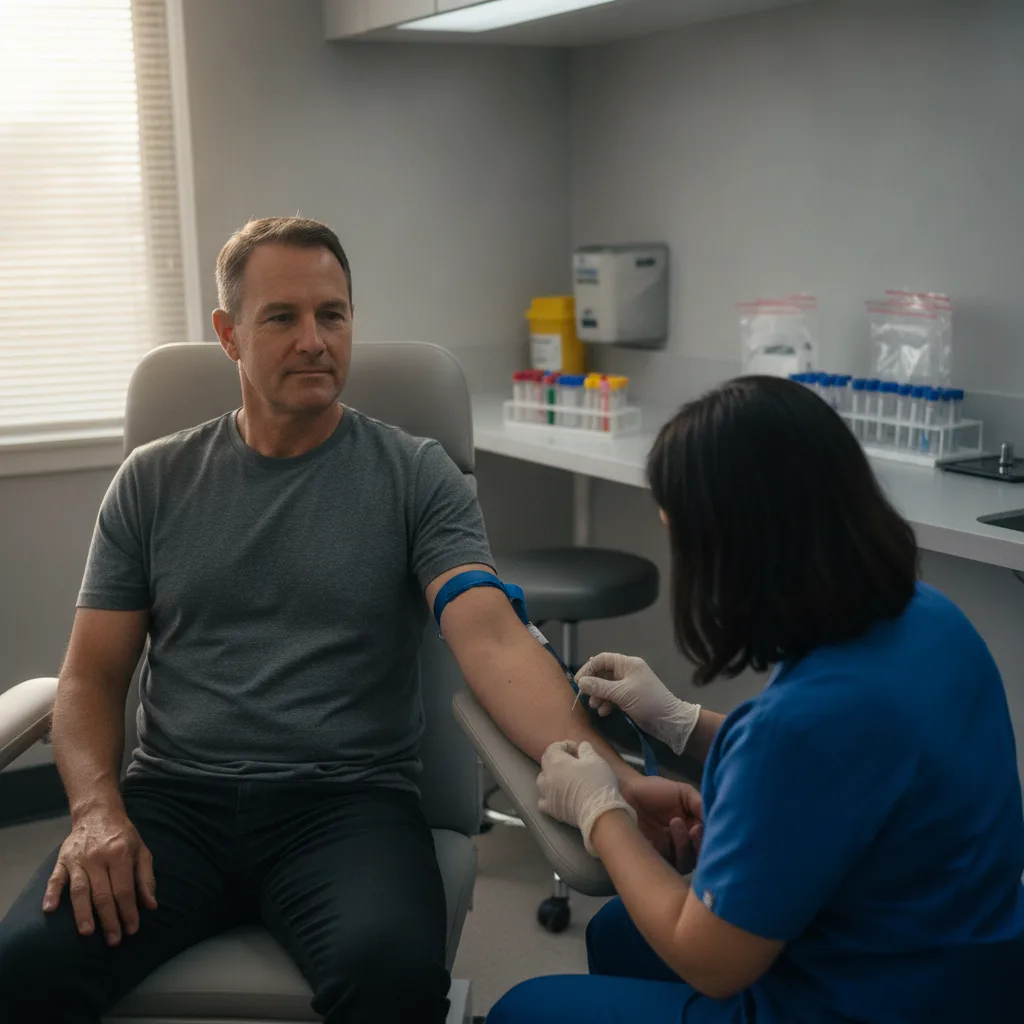
A single testosterone number rarely tells the whole story. We often see men with “normal” total testosterone results from their primary care doctor who still feel tired, foggy, and low on energy. Total testosterone is only one part of a larger picture.
A full male hormone panel examines the markers showing how your body makes, converts, and uses hormones. We check the following markers, and here’s why each is important:
- Total and Free Testosterone, Total measures all testosterone in your bloodstream. Free testosterone is the portion your body can use. You might have adequate total levels but very low free levels, and this mismatch often explains many symptoms.
- Estradiol (E2), Men also produce estrogen. When estradiol levels become too high compared to testosterone, it can lead to weight gain around the midsection, mood swings, and water retention.
- DHEA-S, This adrenal hormone acts as a building block for both testosterone and estrogen. Low levels often suggest chronic stress or adrenal fatigue.
- Sex Hormone-Binding Globulin (SHBG), SHBG binds to free testosterone. High SHBG reduces the hormone available for your muscles, brain, and energy.
- Thyroid Panel (TSH, Free T3, Free T4), Thyroid function directly affects metabolism, energy, and even testosterone production. We always include this test.
We also run a metabolic panel and CBC to check liver function, kidney health, and red blood cell counts. These tests are important because hormone therapy decisions rely on your overall health profile. In Orlando’s heat and humidity, dehydration can skew lab values, so we consider this in our assessment.
The real value comes from how a physician interprets these results. It’s not just about running the tests; it’s about having a physician read them as a system, not as isolated numbers. One marker out of range might mean little. However, three markers slightly off in the same direction indicate a pattern needing attention. A board-certified medical doctor reviews every panel before making recommendations.
The blood draw itself takes about ten minutes, and most men receive their results within a few business days.
When You Might Not Need Testing Yet
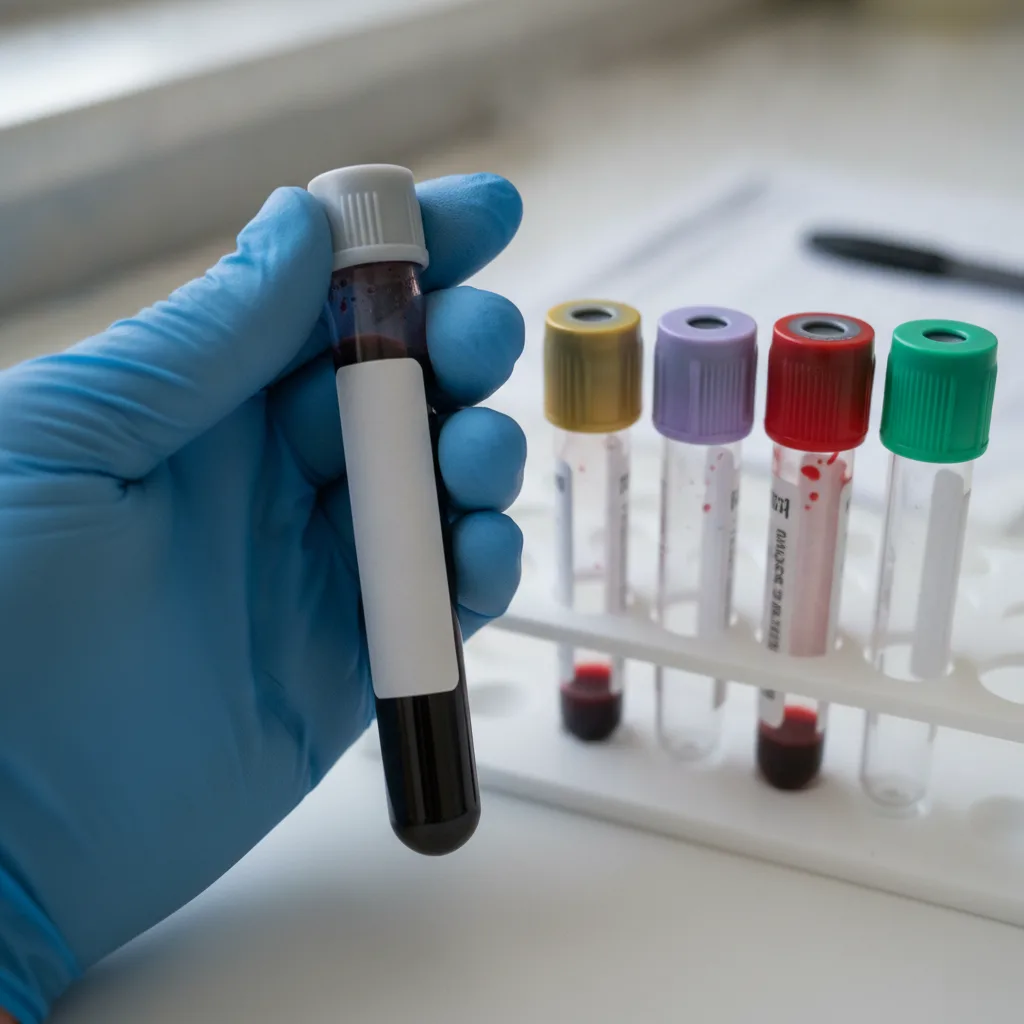
Not every man who feels tired needs a hormone panel immediately.
If you are 25, sleeping four hours a night, eating fast food, and skipping the gym, your fatigue is likely a lifestyle issue, not a testosterone problem. No blood test will solve that. We prefer you address the fundamentals first: sleep seven to eight hours, eat nourishing food, and move your body most days. Give these changes six to eight weeks. If you still feel unwell after that, then we should talk.
Similarly, if you’ve had a difficult month at work or are experiencing stress, cortisol spikes can temporarily reduce your energy and drive. Your body typically recovers once that pressure eases. This differs from a chronic hormone imbalance.
Young men under 30 with few symptoms do not typically need a full panel. Your body is likely still producing hormones at or near peak levels. Unless you have specific issues like unexplained muscle loss, persistent mood changes, or fertility concerns, testing at that age seldom leads to different recommendations.
However, if you are over 35 and have already improved your sleep, diet, and stress management, yet still experience brain fog or low energy, that’s a different situation. In this case, a men’s hormone panel becomes a logical next step. For residents in the East Orlando area, the heat and humidity can also disguise dehydration and poor sleep as hormone problems, making it important to rule out simpler causes first.
We prefer to see you when the timing is appropriate, rather than running labs simply out of curiosity. If your levels appear healthy, we will inform you directly. Our practice does not push unnecessary treatments. A physician reviews every result, and if the findings indicate healthy levels, that is the clear feedback you will receive.
If you have already made these efforts and your symptoms persist, that indicates it’s time for further investigation.
Getting Tested Across the Orlando Area
You should not need to reschedule your entire week just for bloodwork. As a men’s TRT clinic east Orange County relies on, we make it easy to get a men’s hormone panel at a location convenient to your home or workplace.
Our clinics are located in Lake Mary, Dr. Phillips, Lake Nona, and East Orlando. Each location offers the same lab draw process, physician review, and follow-up care. Your results remain consistent, regardless of which clinic you visit. For eligible Florida patients unable to visit in person, telehealth is available for the consultation portion of your care.
Orlando’s wide geography means driving from Lake Nona to Dr. Phillips during I-4 rush hour can take over an hour. We designed our practice so that no one in East Orlando, or any of our service areas, needs to skip important lab work due to distance. Choose the location that fits your commute, school pickup route, or lunch break. Most blood draws take about 15 minutes.
Consider a man in his mid-40s, perhaps from the nearby Waterford Lakes area, who finally decides to check his testosterone after months of feeling sluggish at work. He might have delayed testing, assuming it would require multiple trips across town. However, a single morning appointment for a blood draw, and he is back in his car before his coffee cools.
Getting tested is just the first step. The true value lies in the follow-up. Every hormone panel we run receives physician review, not by a chatbot or an algorithm. A doctor carefully examines your free testosterone alongside your thyroid markers, metabolic numbers, and DHEA. This medical professional connects the findings from your labs with the symptoms you have described.
Se habla español at all of our locations, so language will not prevent you from receiving the care you need.
If you have considered having your levels checked, booking the appointment is often the most challenging part; everything after that proceeds quickly.
How Test Results Lead to a Treatment Plan
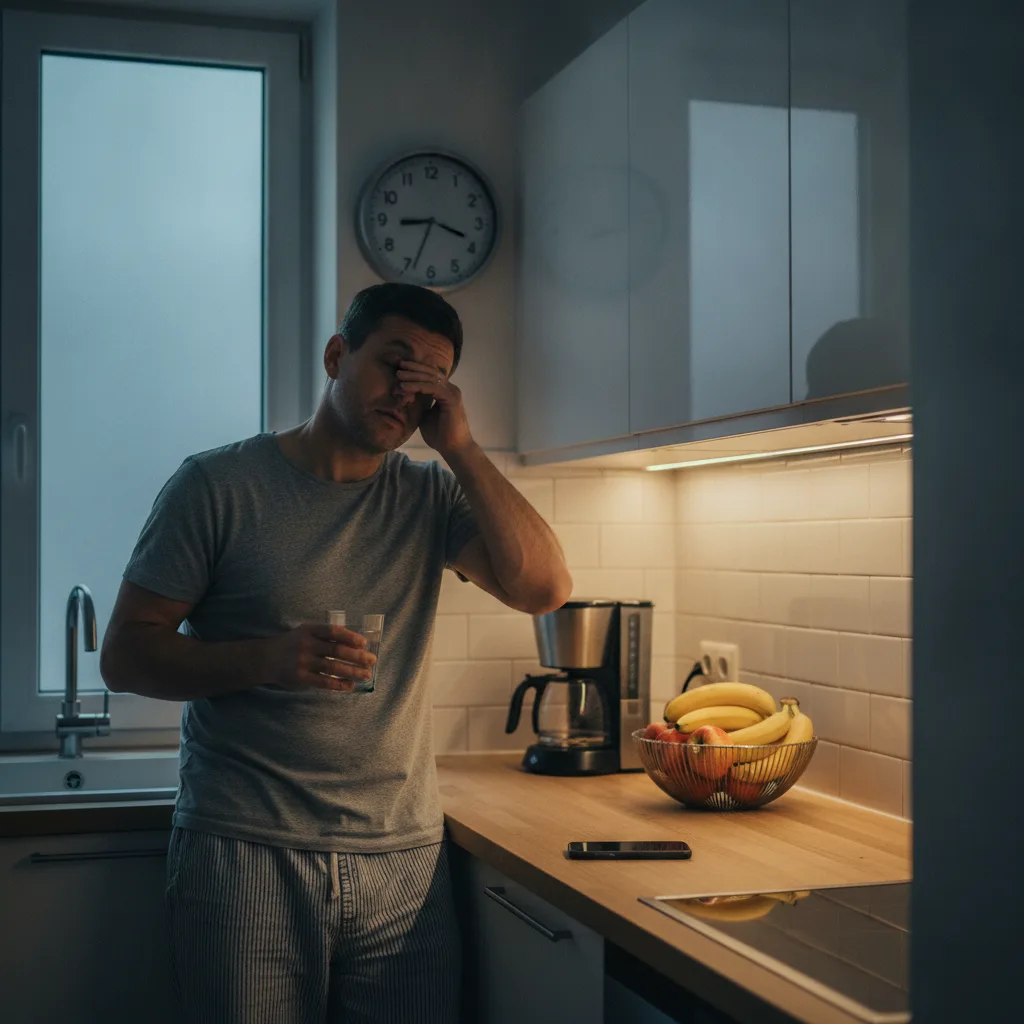
Numbers on a lab report are not meaningful on their own. What truly matters is how a physician interprets them, considering your symptoms alongside the data.
Once your results are back, a physician reviews every marker. This includes not only testosterone but also free testosterone, SHBG, estradiol, DHEA-S, thyroid hormones, and metabolic markers. All are viewed as one complete picture. For example, a man might have total testosterone at 450 ng/dL, which appears normal. However, if his SHBG is very high, his free testosterone could be extremely low. A physician trained to connect these indicators will notice this.
We frequently observe this pattern across our Orlando locations.
Your follow-up visit involves a thorough conversation. The doctor explains what each result means for your specific situation. You might hear findings like “your estradiol is elevated relative to your testosterone” or “your thyroid is slow enough to explain weight gain.” You then discuss your daily experiences: afternoon fatigue, reduced drive, or brain fog that persists. The lab values confirm what your body has been indicating; they do not replace your personal experience.
From this point, a treatment plan begins to form. It may include bioidentical hormone replacement therapy or Biote pellet therapy if your levels indicate a need. Sometimes, the plan addresses metabolic issues first. Hormone optimization can also complement a medical weight loss program, as carrying extra weight around the midsection, often seen in Central Florida’s climate due to less outdoor activity, can suppress testosterone production on its own. For this reason, we approach hormones and weight as interconnected issues.
Every plan is tailored to your labs, your symptoms, and your goals. It is not a template. If you are ready to understand what your numbers mean, we welcome you to visit us at our East Orlando location, or any of our clinics in Lake Mary, Dr. Phillips, or Lake Nona.
Book Your Consultation
Frequently Asked Questions
What should I do to prepare for a men’s hormone panel in Orlando?
You don’t need much prep, but morning appointments give the most accurate reading. Testosterone naturally peaks earlier in the day, so a fasting morning blood draw shows your true baseline. Drink plenty of water beforehand, since Orlando’s heat and humidity can lead to mild dehydration that skews lab values. Avoid heavy workouts or alcohol the night before. The blood draw itself takes about ten minutes, and you can go straight back to your day afterward.
How long does it take to get hormone panel results back?
Most men receive their results within a few business days. Once your blood is drawn, it goes to the lab for a full workup covering testosterone, estradiol, thyroid function, and more. A board-certified physician reviews every marker together before your follow-up call, rather than just handing you a printout. This way, you get an explanation of what your numbers mean, not just a list of values to interpret on your own.
Can stress from Orlando traffic really affect my testosterone levels?
Yes, chronic stress from daily commuting can lower testosterone over time. Sitting in traffic along corridors like the 408 day after day keeps cortisol elevated, and high cortisol directly suppresses testosterone production. This is different from a one-time stressful week, which your body usually recovers from on its own. If you commute long hours and also notice fatigue or brain fog, it’s worth mentioning during your panel review.
Do I need a full hormone panel or just a testosterone test?
A full panel gives you a clearer answer than a single testosterone number. Many men have a normal total testosterone reading but still feel tired and foggy because their free testosterone, SHBG, or thyroid markers are off. Testing only one marker can miss the real cause of your symptoms. A complete workup checks how your body makes, converts, and uses hormones, so your physician can spot patterns instead of guessing from one data point.
At what age should I consider getting a hormone panel checked?
Most men don’t need testing until their mid-to-late 30s unless specific symptoms appear earlier. Men under 30 are usually still near peak hormone production, so testing rarely changes recommendations at that age. If you’re over 35, have already improved your sleep and diet, and still feel low energy or brain fog, that’s when a panel makes sense. Persistent muscle loss, mood changes, or fertility concerns are also good reasons to test sooner.
Will lifestyle changes fix my symptoms before I need testing?
Sometimes, yes, especially if poor sleep or diet are the main problem. If you’re getting less than six hours of sleep, eating fast food often, and skipping exercise, try fixing those basics first. Give it six to eight weeks of solid sleep, better food, and regular movement. If you still feel unwell after that, a hormone panel becomes the logical next step. This approach helps you avoid unnecessary testing when a simpler fix might work.