
Home » Testosterone Replacement Therapy East Orlando » Andropause Treatment in Orlando | Svelte Medical Weight Loss – East Orlando
Andropause Treatment in Orlando | Svelte Medical Weight Loss - East Orlando
Recognizing the Signs of Low Testosterone

Most men do not wake up one morning knowing their testosterone is low. The onset is gradual. You might notice yourself dragging through the afternoon, your workouts feeling less effective, and sleep offering no real rejuvenation.
Then there are the more private concerns. Low libido, difficulty with erections, or a brain fog so thick you forget why you walked into a room. These symptoms often develop over months or years. Many attribute them to stress, aging, or simply being busy. Often, the men who seek our help have been struggling with these issues for too long before asking for assistance.
This is what we frequently hear from men throughout the Orlando area. A man in his late 40s describes how he once had energy for workouts in the Waterford Lakes area, but now struggles to finish a set. Another might mention being irritable with his children for no clear reason. Often, spouses or partners notice mood changes first. This pattern is common: those closest to you often observe the shifts before you do.
The clinical indicators of andropause extend beyond just feeling tired:
- Ongoing fatigue that persists despite sleep and caffeine
- Decreased muscle mass even with consistent exercise
- Increased body fat, particularly around the midsection
- Reduced interest in sex or challenges maintaining erections
- Mood shifts such as irritability, anxiety, or mild depression
Not every symptom, however, points to low testosterone. Thyroid problems can present with similar issues. Conditions like sleep apnea, depression, or vitamin deficiencies can also mimic these signs. This is precisely why physician-supervised evaluation holds importance. A board-certified medical doctor reviews your bloodwork and your overall health profile before forming conclusions. Guessing is not how we practice medicine.
Florida’s heat and humidity persist for much of the year. This weather can intensify fatigue and sometimes hide the true underlying issues. If you have been attributing your drained feeling to the Orlando summer, it could be time to investigate further.
Diagnosing Low Testosterone With Lab Testing
You cannot address what you have not measured. That is the fundamental principle we follow before any steps are taken.
Many men arrive already convinced their testosterone is low. Perhaps they researched it online, or a friend discussed hormone therapy with them. Often, they are correct. However, “probably low” is not a sufficient basis for a treatment plan. We require specific numerical data.
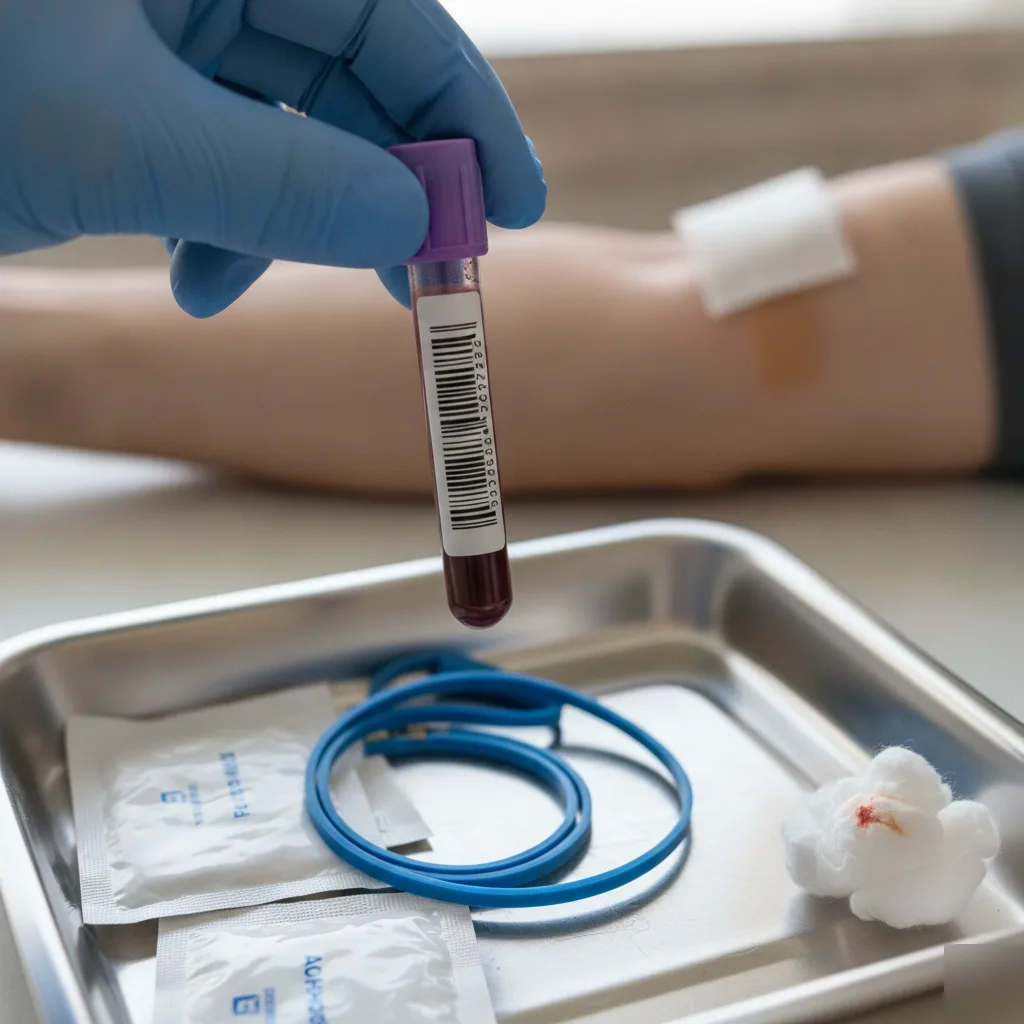
The initial step is a blood draw, typically conducted in the morning when testosterone levels usually peak. We analyze total testosterone, free testosterone, and sex hormone-binding globulin. These three markers provide a much clearer picture than total testosterone alone. A man might have a “normal” total reading, but very little free testosterone available for his body to utilize. This detail is often overlooked by many clinics.
We also check markers that patients often do not expect. Estradiol levels are relevant because testosterone converts to estrogen through a process known as aromatization. Thyroid panels are important because low thyroid function can closely mimic andropause. A complete blood count, metabolic panel, and PSA for prostate screening are all reviewed. Orlando’s humid climate can make fatigue feel like simple dehydration., identifying other potential causes is important before focusing on hormones.
Often, lab results confirm what the symptoms suggest. But occasionally, other factors are at play. It might be a thyroid issue, a vitamin D deficiency, or even sleep apnea contributing to the problem. Beginning hormone therapy without this information would mean treating the wrong condition.
A thorough diagnostic workup should include:
- Morning fasting blood draw for accurate hormone levels
- Free and total testosterone alongside SHBG
- Estradiol, a thyroid panel, and metabolic markers
- PSA screening for a prostate health baseline
Our men’s health physician Orlando FL personally reviews every result. Not a nurse. Not an automated system. A board-certified medical doctor meets with you, discusses each number, and explains its meaning for your body right now. This conversation is where effective treatment begins. The lab results do not just tell us if your testosterone is low. They also tell us why, which shapes our approach to your care.

When Andropause Treatment Isn't the Right Answer
Not every man who visits us requires hormone therapy. That is the straightforward truth.
Sometimes, the fatigue, the brain fog, the weight gain around the midsection, these symptoms are not related to testosterone at all. We see men in their 40s and 50s who are convinced their hormones are declining. Then, bloodwork shows their levels are healthy, sometimes even above average. The actual cause could be sleep apnea, unmanaged thyroid issues, or chronic stress that has been impacting them for years. East Orlando’s muggy periods can also make dehydration symptoms feel similar to low-T fatigue. Starting andropause treatment when another problem is present will not resolve anything; it will only delay finding the correct solution.
Here is another situation we encounter regularly. A man’s total testosterone appears low on paper, but his free testosterone is within normal range. His symptoms are mild. He sleeps six hours a night, consumes several alcoholic beverages on weekends, and has not exercised in two years. This individual does not require pellets or injections yet. He needs better sleep, less alcohol, and consistent physical activity. We will communicate this directly. If these lifestyle adjustments improve his levels and symptoms, he saves both time and money.
Men with certain prostate conditions or untreated polycythemia require careful evaluation before beginning any hormone therapy. A board-certified medical doctor should review those risks with complete lab work, not just a brief online questionnaire. This is why physician-supervised programs are so important for this type of care.
So, if you are reading this page and questioning whether your symptoms indicate andropause, that is a positive sign. Such skepticism is beneficial. We prefer to conduct your lab tests, meet with you, and confirm a diagnosis before discussing treatment options. Typically, the men who achieve positive outcomes are those who approach care openly, ready to learn what their body requires. Sometimes that involves hormone optimization. Sometimes it does not. But you deserve an honest answer first.

Treatment Options: Pellets, Injections, and Ongoing Monitoring
Not every man responds identically to testosterone replacement., we do not apply a single, uniform approach. Your individual body, lab results, and daily life all influence which delivery method is most suitable.
Bioidentical hormone pellet therapy is an option we use frequently. As a Biote-certified provider, we insert tiny pellets just under the skin during a brief in-office visit. These pellets release a consistent dose of testosterone over several months. There are no daily pills. There are no weekly reminders. Most men report forgetting the pellets are even there, which aligns with the goal of steady hormone levels. Consistent hormone levels can mean fewer mood fluctuations and more stable energy throughout your day.
Injections offer another path. Some men prefer them because the dosing can be adjusted more often based on how they feel. We monitor your response closely and make changes as needed. Often, men observe a noticeable improvement within the first few weeks of starting injections, including better sleep, clearer focus, and improved drive.
What differentiates effective treatment from speculation is ongoing monitoring. A board-certified medical doctor reviews your bloodwork at regular intervals. We check free and total testosterone, estradiol, hematocrit, PSA, and metabolic markers. East Orlando’s warm, humid climate can affect hydration and blood viscosity, so we pay particular attention to hematocrit levels. Your protocol is adjusted based on actual data, not assumptions.
We also consider the broader health picture.
Hormone optimization and weight management are interconnected. If your testosterone levels are rising but your body composition is not improving, we examine sleep patterns, stress levels, nutrition, and activity. Our coaches establish weekly goals across these areas. This built-in support keeps you progressing rather than stagnating after the initial month.
If you cannot visit one of our clinic locations, telehealth appointments are available for eligible Florida patients. You still receive physician-supervised care, conveniently from your home.
How Hormone Therapy Pricing Works
Many men postpone seeking help because they believe hormone therapy costs a lot. That is not always the case.
Andropause treatment pricing varies across the Orlando area, so understanding what you are paying for is helpful. The industry generally uses one of three models: monthly membership plans, per-visit fees, or pay-by-unit pricing for medications and pellets. Each model has its own considerations. Monthly memberships can offer predictability, but you might pay for services you do not use. Per-visit models can accumulate quickly if you require frequent monitoring early on. Pay-by-unit pricing allows you to see the exact cost of each medication, with no hidden fees.
Several factors influence the overall cost:
- The specific type of therapy you require, testosterone injections, bioidentical hormone pellets like Biote, or topical options each have different costs.
- The frequency of your lab draws, especially during the first 90 days as your provider establishes the correct dosage.
- Whether your treatment is supervised by a physician or managed through a less-monitored telehealth-only model.
- The source of your medications, compounds from FDA-regulated pharmacies differ in cost from mass-produced alternatives.
Here is something to ask any clinic before committing: what does the quoted price include? Some practices combine labs, follow-up appointments, and medications. Others charge separately for each component. You will want to know this information upfront. Avoid surprises after a few months.
Also, inquire about the physician’s involvement. Are you consulting with a board-certified medical doctor who reviews your bloodwork and tailors your protocol? Or are you receiving a standard plan from someone who does not perform a physical examination? That distinction holds more value than the dollar amount on the invoice. It can mean the difference between real results and wasted resources.
We see patients from the East Orlando area, including communities near the UCF corridor and Waterford Lakes, who have tried online testosterone clinics. They arrive feeling disheartened because no one monitored their estrogen levels or checked their hematocrit. Taking shortcuts on supervision does not save money in the long term. If you wish to understand what your specific treatment would involve, please call us, and we will discuss the options.
Book Your Consultation
Frequently Asked Questions
What should I expect at my first andropause treatment visit in Orlando?
Your first visit starts with a morning blood draw, since testosterone peaks early in the day. Try to schedule your appointment before 10 a.m. for the most accurate reading. We check total and free testosterone, SHBG, estradiol, and thyroid levels. A board-certified doctor reviews your results with you in person. No lifestyle prep is needed, but avoid heavy workouts the night before, since intense exercise can temporarily skew your numbers.
How long does it take to see results from andropause treatment?
Most men notice changes in energy and mood within a few weeks of starting treatment. Sleep quality and mental clarity often improve first. Muscle mass and body composition changes take longer, usually two to three months of consistent care. Your doctor rechecks bloodwork along the way to confirm your levels are responding correctly. Everyone’s timeline differs based on starting levels and overall health.
Does Orlando’s heat and humidity make low testosterone symptoms worse?
Yes, Florida’s humidity can intensify fatigue and make it harder to tell what’s really causing your low energy. Many men blame the Orlando summer for feeling drained, when low testosterone is the actual issue. Dehydration from our climate can also mimic andropause symptoms like brain fog and low motivation. This overlap is exactly why bloodwork matters. It separates true hormone issues from simple heat exhaustion.
How do I know if my tiredness is from low testosterone or something else?
The only way to know for sure is a complete blood panel reviewed by a physician. Thyroid problems, sleep apnea, and vitamin deficiencies all cause symptoms that look like andropause. We’ve seen men convinced their hormones were the problem, only to find their testosterone was normal or even high. A proper workup checks thyroid function, metabolic markers, and prostate health alongside testosterone, so we treat the real cause.
Can I fix low testosterone with lifestyle changes instead of treatment?
Sometimes, yes. If your free testosterone is normal and your symptoms are mild, better sleep, less alcohol, and regular exercise may be enough. We regularly see men sleeping six hours a night with no exercise routine whose numbers improve once those habits change. We’ll always tell you honestly if lifestyle adjustments should come first. Starting hormone therapy when it isn’t needed only delays finding your real solution.
What lab tests confirm low testosterone before treatment starts?
A complete workup includes free and total testosterone, SHBG, estradiol, and a full thyroid panel. We also run a complete blood count, metabolic panel, and PSA screening for prostate health. These numbers together show whether low testosterone, or something else entirely, is behind your symptoms. Your physician reviews every result personally and explains what each number means for your specific situation before any treatment begins.