
Home » Low Libido Treatment for Men in Lake Mary | Svelte Medical Weight Loss – Lake Mary
Low Libido Treatment for Men in Lake Mary | Svelte Medical Weight Loss - Lake Mary
What Low Libido in MenActually Signals

Few men ever come in and say straight out, “I’ve got low libido.” More often, it sounds like, “I just don’t feel like myself anymore.” Maybe they haven’t been in the mood for intimacy in a few months. Maybe their libido is still there on some level but it’s been masked by fatigue, stress or a haze they can’t put a finger on. It’s this kind of treatment that begins with. Not a diagnosis. An understanding of what’s changed.
Low libido doesn’t just mean a lack of sex drive. It is actually your body signaling to you.
We see men in Lake Mary all the time who think this is the normal effect of age. They are men in their 30s, 40s, and 50s. They think it’s to be expected. But decreased libido is often an indicator of something physical occurring within your body. This can include things like lower testosterone levels than you expected, thyroid issues, chronic stress and high cortisol, and the rest is a long list of potential problems we can identify with lab work.
Below are some of the more common causes we see for men with low libido:
- Low testosterone levels (sometimes referred to as low T), which can impact your energy, mood and sex drive all at once
- Low quality sleep, or possibly untreated sleep apnea, which can interfere with hormone production
- Side effects of medications such as antidepressants, blood pressure medicine and cholesterol drugs which may lower libido
- Higher than normal estrogen levels for men, this can occur when testosterone levels convert to estrogen through a process known as aromatization
- Insulin resistance or a metabolic issue which impacts how your body processes hormones
According to the American Urological Association, approximately 1 out of 4 men over the age of 30 will have a testosterone level lower than. This is a large statistic. This does not include men whose testosterone level is technically in the “normal range” and on the very lower end of the range and is causing symptoms to manifest.
So, if you think your low libido is related to something, don’t dismiss it. You’re not damaged. You are telling your body something. Many of the men we’ve worked with near Heathrow and around the Lake Mary area were very taken aback at how simple it can become once you get the right labs. Talking to a local men’s health physician could be the first step. A single set of blood work could transform the entire story.
Why a Full Lab PanelChanges Everything
Here is something we tell guys every week. If you don’t measure it, you can’t manage it.
Many men have come into our Lake Mary clinic after their primary care doctor did a basic testosterone level test and found it to be in the “normal” range. And yet, they still feel miserable. Still no sexual drive. Still tired in the early afternoon. That one number doesn’t give you the complete story, in fact it doesn’t even give you the beginning.
We test every lab value because understanding low testosterone in men takes more than one data point. Your body is a network. Hormones interact with dozens of other labs and values. When we only see your total testosterone, we fail to understand the reasons for how you feel. What do we look at? Our lab test for men isn’t a total testosterone and nothing else test. We also look at free testosterone and total, SHBG (sex hormone-binding globulin), estradiol, thyroid function, fasting insulin, and hemoglobin A1C, which most doctors and men in Lake Mary don’t test at. We often find something the last physician didn’t know. We don’t find it because they’re bad doctors; we find it because they weren’t looking for it.
Guessing vs knowing your labs
For example, a man who lives near the Timacuan neighborhood may think his low sex drive is due to stress at work. It could be. But the lab values might tell a totally different story; his SHBG might be very high. We can’t guess if our hormones aren’t fully tested. According to the American Urological Association, it’s important to test for male sexual dysfunction. A physician should check your male hormones alongside thyroid and metabolic markers like fasting insulin or hemoglobin A1C. We do the same thing with every patient because it makes for a better treatment plan. Your lab values are your map. They tell us specifically where the issues are located so we can address them properly.
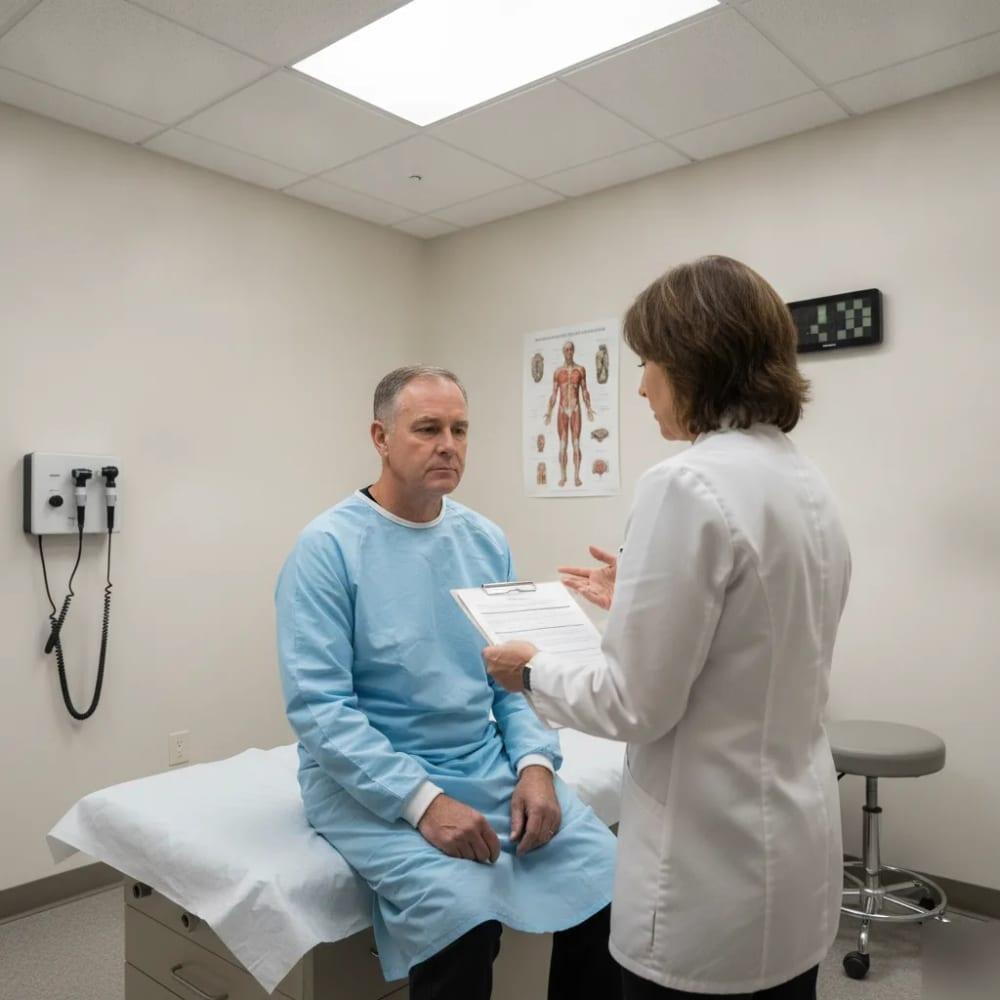
This is what happens at your initial visit for low testosterone. Coming in to discuss your libido takes confidence and strength.. The average male patient that sees us had a low libido that caused stress for months or even years prior to seeing us. You don’t have to be the only man that feels this way, which is why we want your initial visit to feel as natural as can be. Here’s what happens during that initial appointment for your low libido:
- A conversation about how you feel. We discuss your sexual symptoms, energy, mood and sleep, asking for your experience with these symptoms, as well as how long you’ve been having these symptoms and what you do day to day currently.
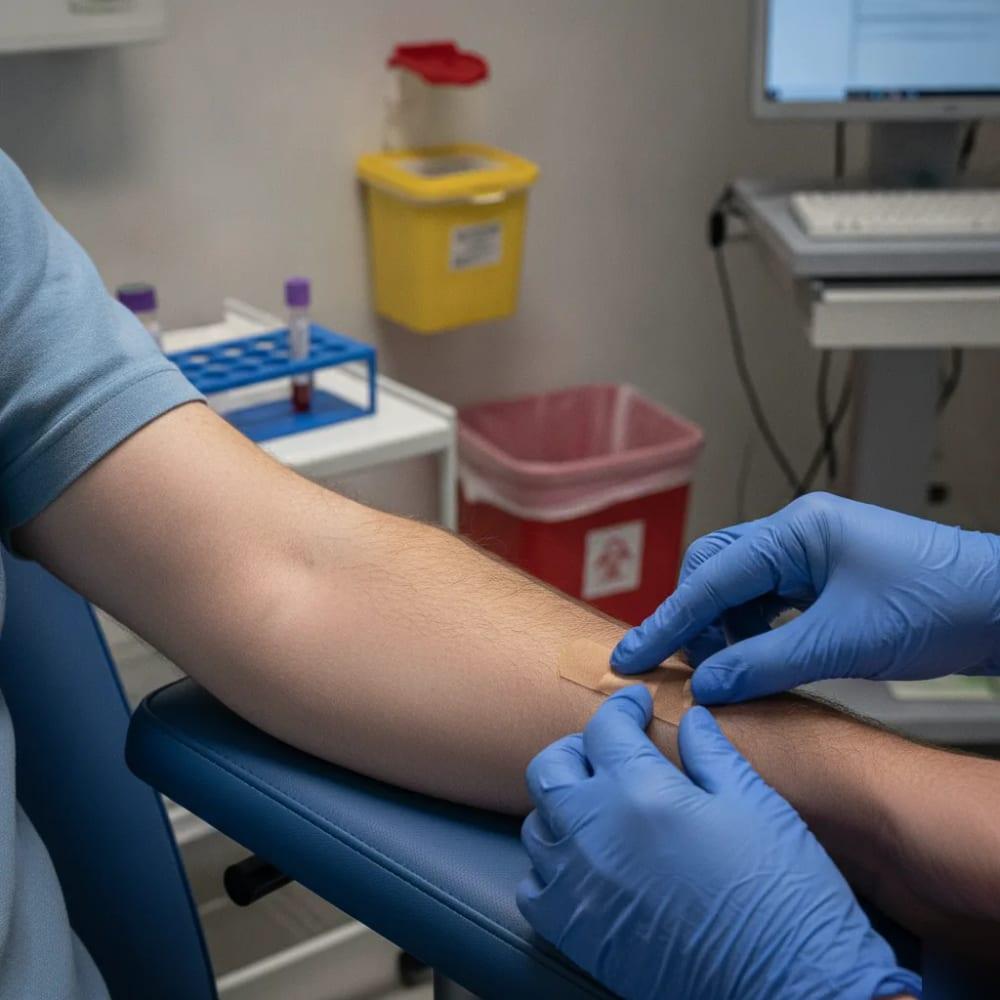
- A full lab panel for your hormones, including total testosterone, free testosterone, estradiol, SHBG, thyroid labs, and more. The results are more than one lab value on a printed lab report.
- An assessment of your medical history, including what medications you take now, any past surgeries, current stress, and if you’ve been gaining or losing weight over the past few years. Everything counts, and typically multiple factors are at play.
- Clarity about the path forward. You’ll leave the visit knowing exactly what we found and what we suggest to move forward. No nebulous “let’s wait and see.”
Expect your appointment to run roughly 45 minutes to an hour. We don’t race you through it.
All of us men report this is a standard expectation: the fear of embarrassment. And our clinical team takes low libido appointments on a regular basis (multiple times a week), so you can’t faze us. We have heard it all from guys near Timacuan who assumed it was just old age to guys in their 30s who didn’t understand what hit them that fast.
Another important takeaway: most lab results will be available within a couple of days. You don’t have to sit and wait. We review all results with you individually and tell you exactly what your numbers mean for your body.
Haven’t decided if your low libido symptoms are “bad enough” to come in? They’re bad enough. If you notice a change, that’s enough of a reason to start the process. Book your consultation today and let us know if we should look at your levels.
Treatment Options andan Actual Timeline
Then what? After the appointment and subsequent bloodwork, treatment will look different for each man depending on your labs, symptoms and personal goals. There isn’t one “right” low libido solution for everyone. But there are evidence-based ways of restoring your sex drive and energy once the right course is designed for your body.
The usual treatment plans we offer men with low libido in Lake Mary include:
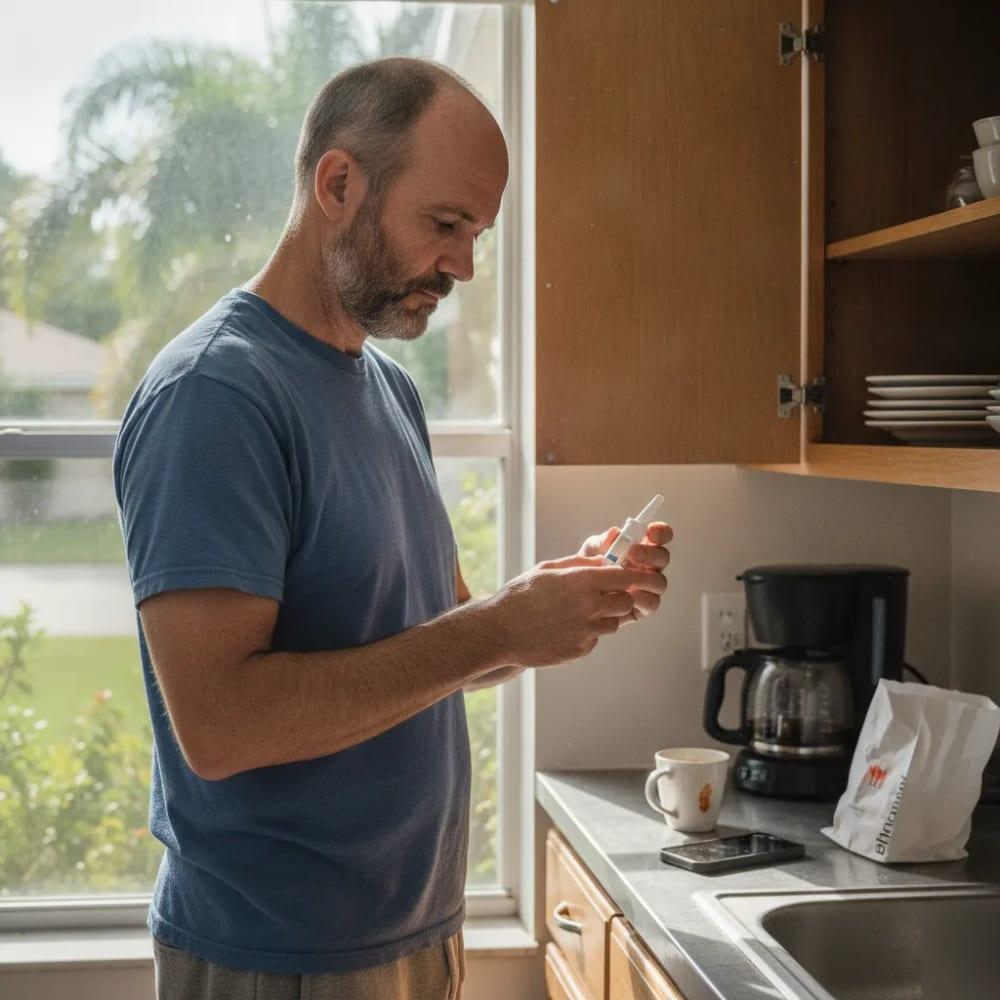
- Testosterone replacement therapy (TRT): via injections, topical cream, or pellets to bring your testosterone levels up to normal ranges
- HCG therapy: to help maintain production of your own testosterone, often used in combination with TRT
- Lifestyle and nutritional counseling: to optimize areas like sleep, stress and body weight that lower testosterone
- Drug modification: if you’re currently on medication, we may adjust that prescription. It’s worth noting that sexual health problems in men are frequently linked to underlying conditions and medication side effects that can be identified and addressed with the right clinical approach.
We hear men come in expecting a pill. There may not be one. But you can still get dramatic results with the right treatment approach.
The First Couple of Months
We typically see patients report increased energy and a more balanced emotional state within the first couple of weeks of treatment, between week 2 and week 4. Libido and sexual drive can take longer to improve, usually in week 6 to 8. And at about the three-month mark, we do lab work again to confirm your body is tolerating the dosages correctly so we can tweak them if needed.
Here’s the thing: You will be monitored regularly during the course of treatment by a licensed provider. We aren’t just giving you a prescription and saying “good luck.” That’s why men in the Heathrow and Lake Mary regions continue returning for periodic evaluations, as that is how you get real, safe, and effective treatment. For some men, they feel like themselves again within a few weeks. For others, it takes a bit longer, and that’s okay. The timeframe varies based on how low your testosterone was when we started, your personal metabolic profile, and other health variables. What remains consistent, however, is this: Men who stick with the process and attend their follow-up appointments get the tangible results they want. They get real results. Not fleeting, but stable and sustainable ones.
Monitoring And MaintainingYour Results
Achieving hormone levels represents only part of the battle; keeping your levels in range is the rest of it. We run rechecks on a regular basis when you start treatment, with the first recheck usually happening around six to eight weeks in. That way, that your body is reacting to the treatment in the right way, by checking total testosterone levels, free testosterone levels, estradiol, hematocrit, and PSA. We take multiple markers into consideration, rather than focusing only on one or the other.
What Do Follow-Up Visits Entail?
When you come to our Lake Mary office for follow-ups, here’s what we’re doing:
- Running your hormone profile for that particular day, as dictated by the treatment protocol;
- Going over the results with you;
- Making comparisons to your original bloodwork (baseline) and your other recent blood draws;
- Checking in with you about your experience, changes in energy, mood, performance, sleep, etc.;
- Adjusting your treatment plan when necessary.
Most men say that they feel changes in their energy levels and mental clarity within a few weeks, but there could be a delay in libido improvement. We tell all of our Heathrow and Lake Mary patients: don’t make an overall assessment based on week 3. We do see this quite a bit: a patient reports feeling excellent at month four, so decides to forego a follow-up, or even goes back to treatment on a stop and start basis; then, three months later, he’s back where he started. Increasing sexual desire in men isn’t a one-time event. Instead, it’s a partnership with your healthcare provider. After you achieve stable levels, we suggest a recheck every quarter or two. While we’re making our visits less frequent, there’s still enough testing in place to prevent you from slipping back down without notice. We’re also always on the lookout for cardiovascular risks, as we’re paying attention to red blood cell counts as well. The answer, to answer your questions on longevity is yes, results can last. They just need your commitment to the process and a healthcare provider who’s dedicated to ongoing management.

Book Your Consultation
Frequently Asked Questions
How do I know if my low libido is a hormone problem or just stress?
The only way to know for sure is through a full lab panel — not just a basic testosterone check. Stress raises cortisol, which can suppress testosterone. But high SHBG, low free testosterone, or thyroid issues can look exactly like stress symptoms. Many men near Lake Mary come in convinced it’s work pressure, and the labs tell a completely different story. A single blood draw gives you real answers instead of guesses.
My doctor said my testosterone is ‘normal’ — why do I still feel terrible?
Normal on paper doesn’t always mean normal for you. Total testosterone is just one number. If your free testosterone is low or your SHBG is high, you can still feel exhausted and have zero sex drive — even inside the ‘normal’ range. We see this constantly with men in Lake Mary. A deeper panel that includes free testosterone, estradiol, SHBG, and thyroid markers tells a much fuller story than one lab value ever could.
What should I expect at my first appointment for low libido treatment in Lake Mary?
Plan for about 45 minutes to an hour — we don’t rush you through. You’ll have a real conversation about your symptoms, energy, mood, and sleep. Then we run a full hormone and metabolic lab panel. By the end of the visit, you’ll know what we found and what we recommend next. There’s no vague ‘let’s wait and see.’ You leave with a clear picture and a direction forward.
Can medications I’m already taking cause low sex drive?
Yes, and this is more common than most men realize. Antidepressants, blood pressure medications, and cholesterol drugs are all known to lower libido as a side effect. We review your full medication list during your first visit. If a drug is likely contributing to your symptoms, we factor that into your treatment plan. You don’t have to stop any medication on your own — we work around what you’re already taking.
How long does it usually take to notice improvement after starting treatment?
Most men start noticing changes in energy and mood within four to six weeks of starting treatment. Sexual drive often follows shortly after, though it can take a bit longer depending on how many factors are involved. Men we’ve worked with around the Heathrow and Lake Mary area typically report feeling more like themselves within the first two months. Results vary based on your labs, your health history, and how well your body responds to the initial protocol.
Is low libido at 35 or 40 really that common, or is something seriously wrong?
It’s more common than you’d think — about one in four men over 30 has testosterone levels lower than expected. That doesn’t make it normal or something you have to accept. Low libido at 35 or 40 is often a signal that something physical is off, like low testosterone, insulin resistance, or a thyroid issue. Men across Lake Mary come in thinking this is just aging. In most cases, there’s a real, treatable cause behind it.
Ready for a Svelte transformation?
Take the first step toward better health and metabolic stability today.
Our team is here to support you.