
Home » How Long Does the Pellet Insertion Procedure Take in Orlando?
How Long Does the Pellet Insertion Procedure Take in Orlando?
Procedure Time vs. Total Visit Time: What Takes Long
The pellet insertion itself usually takes just 10 to 15 minutes. But your whole visit runs longer once you count check-in, numbing time, and post-procedure instructions. Plan for 45 minutes to an hour total, not just the few minutes the needle is in.
Here’s the honest answer. The insertion part, where the pellet goes under your skin, takes about 10 to 15 minutes. That’s it. But the number people really want is how much time to block off on their calendar. And that’s a different question.
We see this confusion all the time. A patient reads online that the procedure takes 10 minutes, then shows up expecting to be in and out in a flash. But local anesthetic needs a few minutes to numb the area first. So does prepping the site and reviewing your labs one last time before the physician moves forward.
Think of your visit in three parts.
- Check-in and prep: 10 to 15 minutes for vitals, a quick look at your labs, and confirming the pellet dose.
- Numbing and insertion: 15 to 20 minutes. This includes time for the local anesthetic to kick in before we place the pellet.
- Aftercare instructions and bandaging: 10 to 15 minutes covering activity limits, signs to watch for, and your next follow-up.
Add it up, and you’re looking at 35 to 50 minutes for a typical visit. First-time patients sometimes take a bit longer, there’s just more to explain. Returning patients who’ve done this before usually move faster.
One thing worth knowing: the insertion site itself is small. We usually place it just below the hip. The physician makes a tiny nick in the skin, places the pellet, and closes it with a steri-strip. No stitches needed in most cases. And that’s part of why the actual procedure moves so quickly once the numbing has set in. Honestly, this is the part most people overthink.
We’ve had Dr. Phillips patients drive over from Bay Hill or Sand Lake Hills on a lunch break, and most make it back to work within the hour. That’s the kind of predictability you want when you’re managing a schedule around a medical appointment.
So don’t judge the visit by the 10-minute headline number alone. Ask your provider what their typical total visit time looks like, since clinics vary in how they structure check-in and aftercare. A clinic with physician oversight at every step, not a rushed franchise model, will usually take the time to answer your questions before you leave, not after.
What Happens During Hormone Pellet Insertion, Step by Step
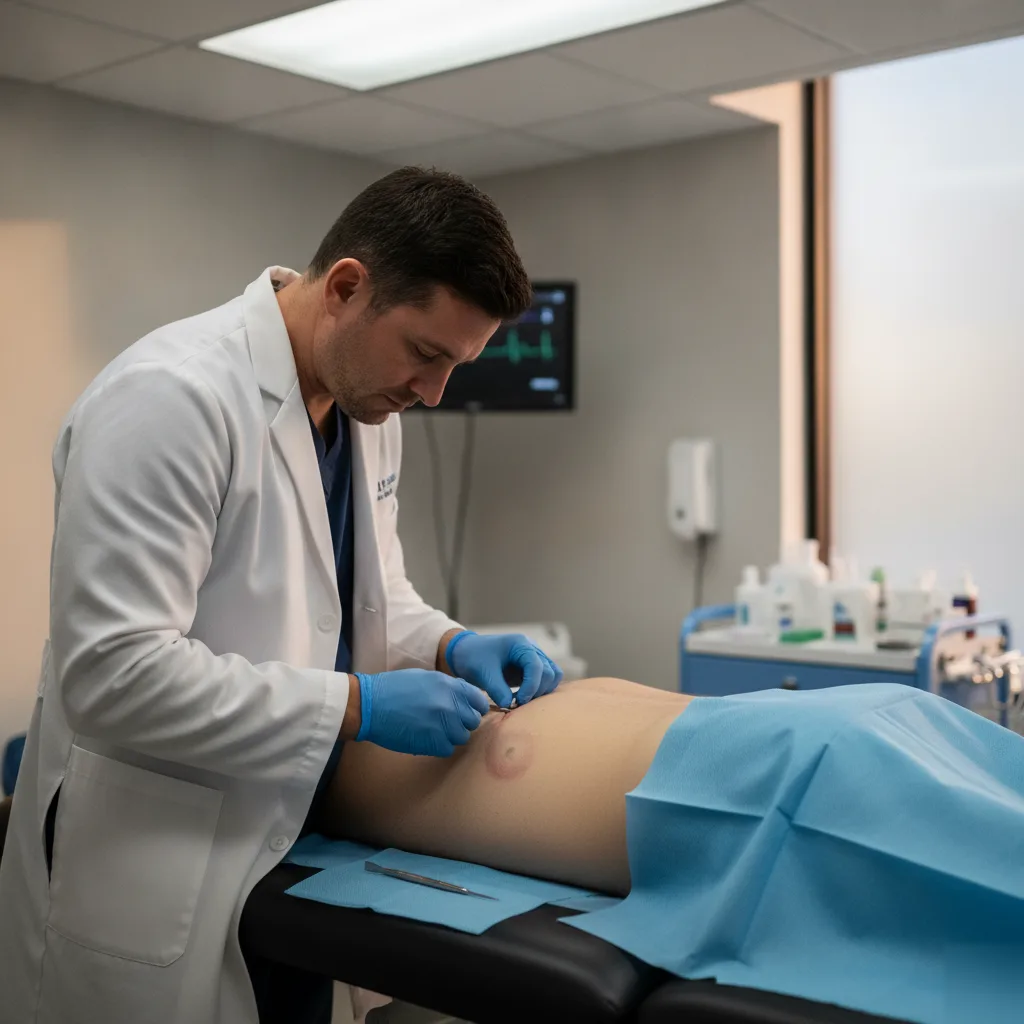
So, how long does the pellet insertion procedure take? In our Dr. Phillips clinic, the actual insertion takes about 10 to 15 minutes. Most patients are in and out within 30 minutes, once you count check-in and numbing time. It’s a quick, in-office procedure. Not surgery in any real sense. We’ve done hundreds of these, and the routine rarely changes.
Before we ever touch a pellet, there’s lab work. This is not optional. A board-certified physician reviews your hormone panel first. Dosing without labs is guesswork, and we don’t guess. Once your levels are reviewed and the plan is set, the actual appointment moves fast.
- Check-in and a quick look at your labs and symptoms with the clinical team.
- The insertion site, usually the upper hip or buttock, is cleaned and prepped.
- A local anesthetic numbs the area, so you feel pressure, not pain.
- A small incision, just a few millimeters, is made. The pellets are inserted under the skin using a hollow instrument called a trocar.
- The incision is closed with a small adhesive strip or steri-strip. No stitches needed.
- A brief pressure bandage goes on. You get aftercare instructions before you leave.
That’s it. Five to six steps, done in one visit. Most patients describe a quick pinch during numbing, then mild pressure during insertion. It’s less dramatic than people expect. We hear that a lot in follow-up calls.
One thing patients ask often: does the type of hormone change the timing? Not really. Whether it’s testosterone or estradiol pellets, the mechanics of insertion stay the same. What changes is the dose and pellet count. That’s decided ahead of time, based on your labs, not on the day of the procedure.
We see this mistake all the time. Patients think prep starts the morning of the appointment. It doesn’t. The real prep is the lab work and consult days or weeks earlier. On procedure day, you’re just executing a plan your physician already built for you.
Here’s a quick scenario. A patient came in last year after months of low energy and stubborn weight gain, classic signs tied to sugar-burning metabolism and insulin swings rather than pure hormone decline. Labs confirmed low estradiol alongside insulin resistance. We addressed both, hormone pellets for the deficiency, and nutrition coaching to stabilize insulin. The pellet appointment itself still took under 15 minutes.
There’s no general anesthesia, no operating room, and no recovery unit. You walk in, you walk out.
Is Pellet Insertion Painful? What the Numbing Step Really Does
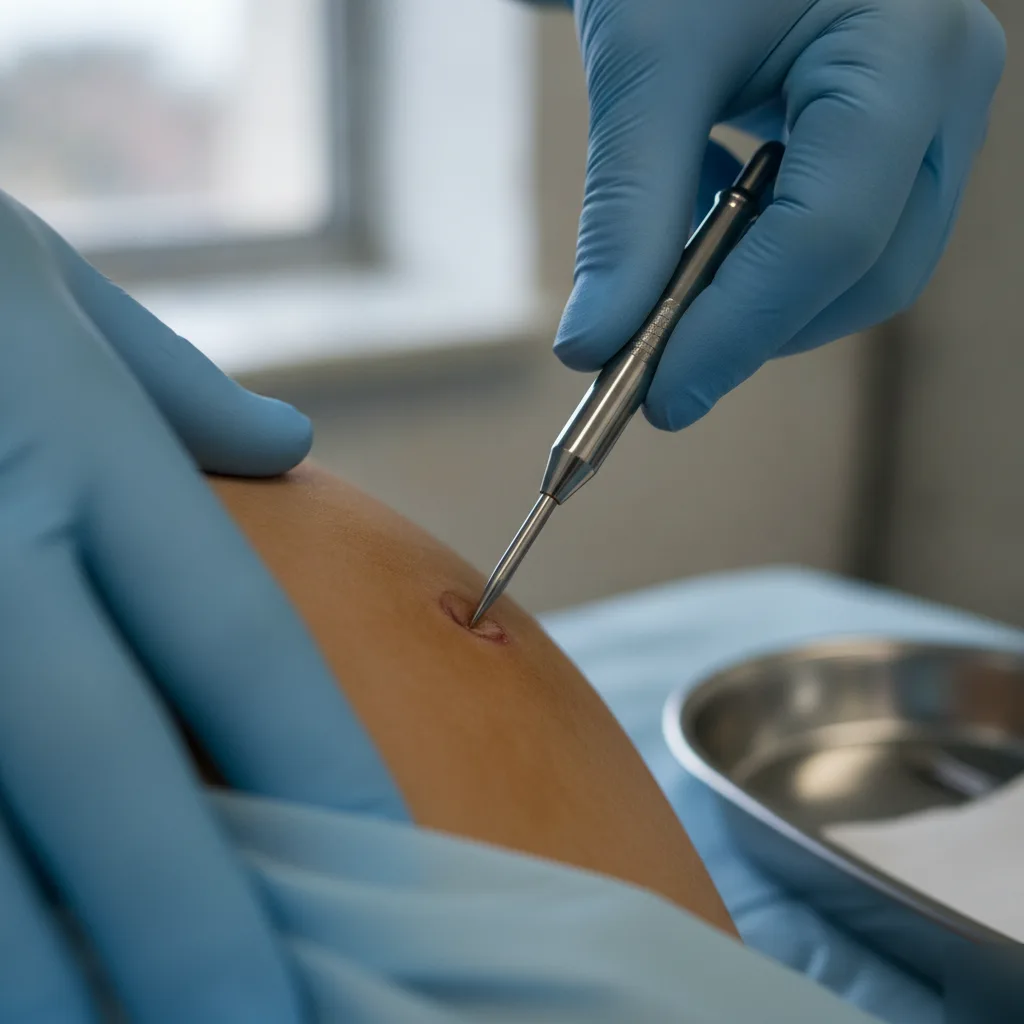
This is the question we hear most in our Dr. Phillips office. And the honest answer is this: most patients feel pressure, not pain. The insertion site, usually the upper hip or buttock, gets numbed first. We use a local anesthetic, the same type of medicine a dentist uses before a filling. It stings for a second or two when it goes in. After that, you’re numb.
Once the area is numb, we make a tiny incision, smaller than a quarter inch. The pellet gets placed just under the skin. The incision closes with a small strip or a stitch. You won’t feel the pellet go in. Most patients describe pressure or a slight tugging sensation, nothing sharp.
We’ve placed pellets for patients across southwest Orlando for years. The pattern is consistent.
- The numbing shot is the only part most patients feel at all.
- Pressure during pellet placement is common. Sharp pain is not.
- Mild soreness for a day or two afterward is normal.
- Bruising can happen but usually fades within a week.
- Numbness at the injection site can linger a few hours.
So why does the numbing step matter so much? It’s not just about comfort in the moment. A well-numbed site keeps you relaxed. A relaxed patient means a cleaner, faster insertion. Tension makes everything harder. For you and for us. We take our time with this step on purpose.
We had a patient last year, a nurse who works long shifts at a hospital near downtown Orlando, tell us she expected it to feel like a big injection. It didn’t. She said the worst part was the two seconds before the numbing kicked in, after that she barely noticed the rest.
Some patients ask if the numbing wears off too soon. It doesn’t. The local anesthetic lasts well beyond the few minutes needed to place the pellet. Your physician confirms you’re fully numb before making any incision, not after guessing.
Here’s the part people don’t expect: aftercare matters more than the procedure itself. Keep the site dry for a couple of days. Skip heavy leg workouts for about a week. Watch for unusual swelling or redness. That’s rare but worth a call if it happens.
We won’t pretend there’s zero sensation involved. But calling it painful oversells it. Pressure, a pinch, a little soreness after-that’s the realistic picture.
For more information on the standards and clinical guidelines for hormone therapy, you can visit the Endocrine Society.
Book Your Consultation
Frequently Asked Questions
How long does hormone pellet insertion take once you’re in the room?
The insertion itself takes about 10 to 15 minutes once the area is numb. Most of your visit time goes toward check-in, reviewing your labs, and letting the local anesthetic work first. Plan for 35 to 50 minutes total for the full appointment. That covers prep, numbing, insertion, and aftercare instructions before you leave. It’s quick, but not as instant as the 10-minute headline number makes it sound.
Is it normal for the appointment to feel longer than the procedure itself?
Yes, this is completely normal and not a sign of a problem. A lot of Orlando patients expect a 10-minute in-and-out visit and feel surprised when it takes closer to 45 minutes. Numbing needs time to set in before insertion starts. Prepping the site and confirming your dose also add a few minutes. This step-by-step process is exactly what makes the actual insertion so fast and predictable.
Do I need to do anything the morning of my pellet insertion appointment?
No major prep is needed the morning of your appointment. The real preparation, your lab work and hormone panel review, happens days or weeks before. On procedure day, you’re simply following a plan your physician already set based on your results. This is why appointment day moves fast. You can read more about what happens during the appointment on our pellet insertion page.
Does traffic or location in Orlando affect how long my appointment takes?
Traffic doesn’t affect the procedure time, but it’s worth planning your drive so you’re not rushed. Patients travel from areas like Bay Hill and Sand Lake Hills for appointments near Dr. Phillips and usually make it back to work within the hour. Since the visit itself is short, most people fit it into a lunch break without needing to take the afternoon off.
Will the type of hormone pellet change how long the procedure takes?
No, the type of hormone doesn’t change the timing. Whether you’re getting testosterone or estradiol pellets, the insertion steps stay the same. What changes is the dose and number of pellets, and that’s already decided based on your labs before you arrive. The mechanics of numbing, incision, and placement take the same 10 to 15 minutes either way.
Why do first-time patients sometimes take longer than returning patients?
First-time patients usually take a bit longer because there’s more to explain. Your provider will walk through the process, answer questions, and cover aftercare instructions in more detail. Returning patients already know what to expect, so their visits often move faster. Either way, the actual insertion time stays about the same at 10 to 15 minutes.
Ready for a Svelte transformation?
Take the first step toward better health and metabolic stability today.
Our team is here to support you.