
Home » How Long Does It Take to Feel Results from Testosterone Pellet Therapy in Lake Mary?
How Long Does It Take to Feel Results from Testosterone Pellet Therapy in Lake Mary?
How Testosterone Pellets Release Hormone Into Your Body
Testosterone pellets sit under your skin. They slowly dissolve. This releases hormone into your bloodstream over three to four months. This slow release is why results build gradually, not all at once. Your body gets a steady hormone supply. This keeps your levels more stable than daily gels or weekly shots.
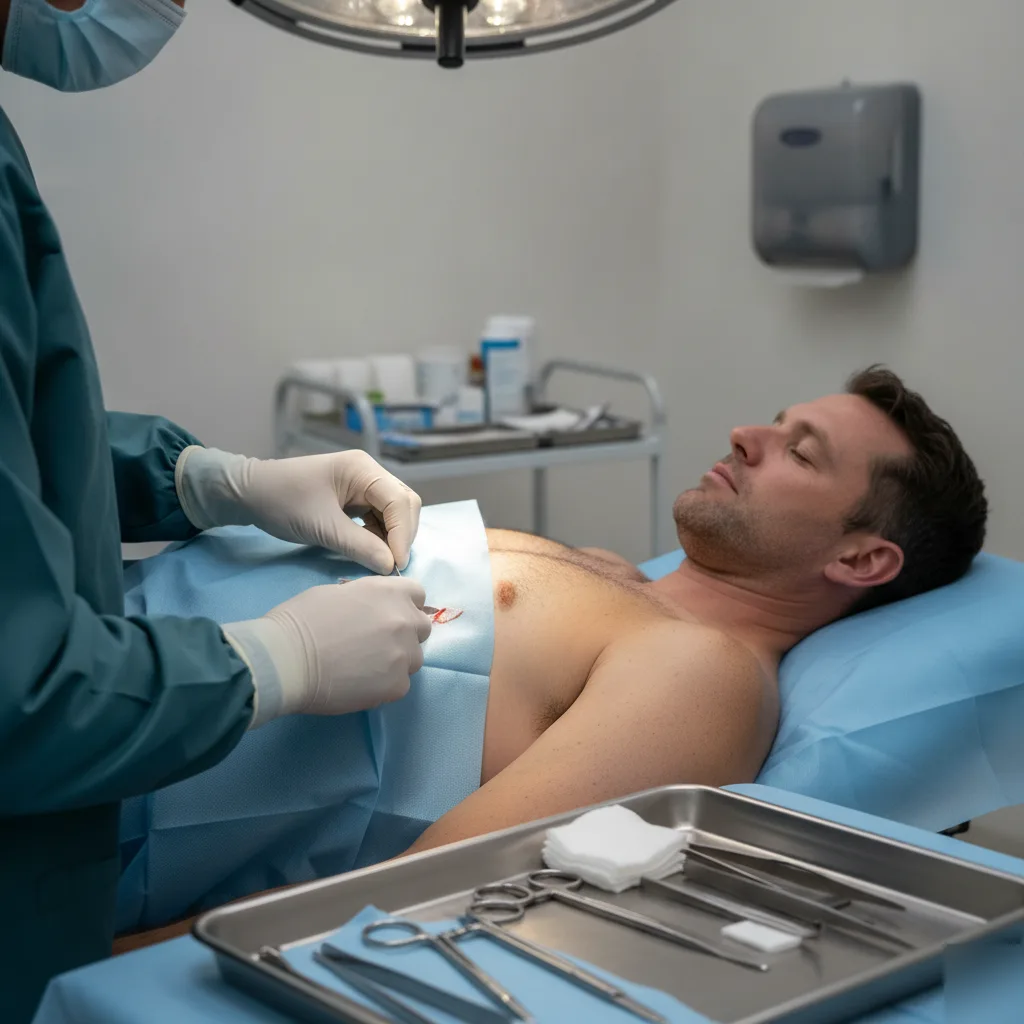
Here’s what happens after we insert your pellet. We place tiny, rice-sized pellets under your skin, usually near the hip. Then your body takes over. Blood flow around the pellets slowly breaks them down. Testosterone seeps out bit by bit. No pump, no patch. No daily reminder. Just a steady hormone drip under your skin, day and night.
Pellet therapy is different from testosterone injections. Shots cause a spike after the dose and a dip before your next one. Pellets don’t work that way, and that’s good. A steadier release means steadier energy, a steadier mood, steadier everything. But it also means it takes longer to reach your peak level than with a shot.
So, why does waiting matter? Your blood testosterone level rises fastest in the first two to three weeks after insertion. This is based on clinical data published in the Journal of Medicine on pellet pharmacokinetics. After that initial rise, levels plateau. They hold steady until around month three or four, when the pellets are mostly gone. That plateau period, weeks eight through twelve, is when patients tell us they feel like themselves again.
- Weeks 1-2: Pellets settle, hormone release starts slow.
- Weeks 3-6: Blood levels climb, mild symptom changes may begin.
- Weeks 6-12: Levels plateau. Most noticeable results appear.
- Months 3-4: Pellets keep dissolving until the next round.
We’ve had patients in Lake Mary ask if a bigger dose would speed things up. It does not work that way. Pushing the dosage too high can cause side effects. That’s not faster relief. The dissolving process is biological. Your body’s metabolism, how active you are, even your muscle mass around the insertion site, can affect how fast the pellets break down. We check hormone levels with a follow-up panel, not just a guess.
One more thing worth knowing. Pellets release hormone continuously. But your body still needs time to respond at the cellular level. Testosterone must bind to receptors in your muscles, brain, and other tissues. Then you notice a difference. That receptor response lags a bit behind the blood level rise. It’s a two-step process. Hormone release, then cellular response. Both take time.
A General Timeline of What Most People Notice
Most patients notice changes in stages. It does not happen all at once. Your body needs time to absorb the pellets. Hormone levels must rise steadily. We tell every patient the same thing: be patient during week one and two. The real shifts usually start after that.
Here’s the timeline we share with patients at our Lake Mary practice. We based this on years of tracking outcomes. We also follow up at regular intervals.
- Week 1 to 2: Pellets settle under the skin. Testosterone starts releasing. Some patients feel a little more alert. Most notice nothing dramatic yet.
- Week 3 to 4: Energy usually improves first. Patients tell us they’re sleeping better. They feel less afternoon fog.
- Week 5 to 6: Mood often stabilizes. Irritability fades for many men and women. Motivation starts to climb back.
- Week 8 to 10: Libido and physical performance changes show up. Muscle tone and workout recovery can also improve.
- Week 12: Most patients fully feel how the therapy works. We usually recheck hormone levels with a follow-up panel.
No two bodies respond the same way. We’ve had patients in Lake Mary and nearby Heathrow who felt sharper focus in ten days. And we’ve had others who didn’t notice real change until week seven. Both patterns are normal.
We watch baseline testosterone levels closely. That’s before treatment starts. A man with very low testosterone often feels the shift sooner. The contrast is bigger. Someone with mild symptoms may need the full six to eight weeks. Only then do they notice a real difference.
We also track this with a men’s hormone panel or women’s hormone panel. We do this before and after therapy starts. Numbers on paper help confirm what you’re already feeling.
Here’s a quick scenario from our clinic. A 52-year-old patient came in. He reported low energy and low libido. By week four he mentioned better mornings. By week nine, he said his gym recovery improved a lot. That staged progress is what we see most often. This is why we ask patients not to judge results too early.
So what if week six arrives and you’re still not feeling different? Reach out. That’s not a sign to give up. It’s a sign we need to check your levels and adjust.

First Signs That Testosterone Pellets Are Working
Most men start noticing small shifts within two to four weeks. The pellets release testosterone slowly and steadily. Your body isn’t hit with a sudden spike. It’s more like a dimmer switch turning up, not a light flipping on. We tell every new patient this: be patient during week one and two, then start paying attention.
The very first sign most men report isn’t muscle or libido. It’s sleep. You might fall asleep faster. Or wake up less groggy. A patient we worked with, a Lake Mary contractor in his late 40s, told us he noticed better sleep first. That was about ten days in. That’s common. Sleep and mood tend to shift before the more talked-about changes.
- Better sleep quality and fewer middle-of-the-night wake-ups, often in 10 to 14 days.
- A steadier mood, less irritability or flatness, usually in the second or third week.
- Small boosts in morning energy, even before workouts feel different.
- Improved focus at work, especially by week three.
- Early changes in libido, though this varies more by person.
Physical changes tend to lag a bit. Muscle tone, fat loss, and exercise stamina usually take four to six weeks. Then they become noticeable. And that’s normal. Your hormone levels rise gradually. Your body needs time to catch up. It needs to use that testosterone efficiently in muscle tissue and metabolism.
We always tell patients not to judge results by day 10.
Erectile function and libido often improve gradually. It’s not all at once. Some men notice a difference by week three. Others don’t feel a real shift until week six or eight. Both are normal. If you’re comparing notes with a friend who felt results faster, try not to worry. Everyone’s hormone panel and starting point are different.
One thing we watch closely in follow-up hormone testing is whether testosterone levels are rising as we’d expect. That’s part of why medical supervision matters here. Pellets aren’t a one-size approach. Your dose gets calculated from your men’s hormone panel. We track your progress with follow-up bloodwork. No guesswork.
If it’s been over six weeks and you’re not noticing any change, that’s worth a conversation. Not a shrug. Sometimes dosing needs adjusting. Sometimes another hormone, like estrogen or thyroid, is also playing a role.
Book Your Consultation
Frequently Asked Questions
How soon should I expect to feel different after getting testosterone pellets in Lake Mary?
Most people notice small changes within two to four weeks, with sleep and mood often shifting first. Energy usually improves around week three or four. The bigger changes, like better focus and workout recovery, tend to show up between weeks eight and twelve. Everyone’s timeline is a little different based on starting hormone levels and metabolism. If you want a clearer picture of what to expect week by week, the parent page on testosterone pellet therapy walks through the full process.
Is it normal to feel nothing during the first two weeks after pellet insertion?
Yes, this is completely normal and expected. Your body needs time to absorb hormone from the pellets before blood levels rise enough to notice. Most patients feel little to nothing during week one and two. This isn’t a sign the treatment failed. Give it time, since real changes usually begin by week three or four as testosterone builds up steadily in your bloodstream.
Does a higher pellet dose make results show up faster?
No, a bigger dose does not speed up results. The dissolving process is biological and depends on things like your metabolism, activity level, and muscle mass near the insertion site. Pushing the dose higher can cause unwanted side effects instead of faster relief. We track your progress with follow-up hormone panels rather than guessing at dosage, which gives a much safer and more accurate picture of how you’re responding.
Why do some Lake Mary patients feel results sooner than others?
Your starting testosterone level makes a big difference in how fast you notice change. Men and women with very low baseline levels often feel a bigger, faster shift because the contrast is more noticeable. Someone with only mild symptoms may need six to eight weeks before feeling a real difference. We’ve seen patients in Lake Mary and nearby Heathrow feel sharper focus in as little as ten days, while others needed seven weeks. Both patterns are normal.
What’s the difference between how testosterone pellets and testosterone shots make you feel over time?
Pellets release hormone slowly and steadily, while shots cause a spike right after the dose and a dip before the next one. This means pellets give you steadier energy and mood over months, but it takes a bit longer to reach peak levels compared to a shot. Many patients prefer this steadier pattern because it avoids the highs and lows that come with weekly injections.
What should I do if I still don’t feel results by week six?
Reach out to your provider instead of waiting it out on your own. This isn’t a reason to give up on treatment. It’s simply a sign your levels need to be checked and possibly adjusted. Follow-up hormone panels help confirm what’s happening beneath the surface, since some people just need more time to respond at the cellular level. Scheduling a hormone panel is a good next step if week six passes without noticeable change.
Ready for a Svelte transformation?
Take the first step toward better health and metabolic stability today.
Our team is here to support you.