
Home » How Long Does It Take to Feel Results from BioTE Pellet Therapy in Lake Mary? A Week-by-Week Guide
How Long Does It Take to Feel Results from BioTE Pellet Therapy in Lake Mary? A Week-by-Week Guide
The Surge-Plateau-Taper Timeline Explained
BioTE pellet therapy doesn’t work like a light switch. Instead, it acts like a dimmer, slowly increasing hormone levels over weeks, not days. Understanding these three phases helps you know what’s normal and when to call us.
Most patients move through this pattern:
- The surge (days 1-14): Pellets release a higher dose of hormone right after insertion. You might feel a quick lift in energy or mood during this window, then a short dip as your body adjusts.
- The plateau (weeks 3-10): This is where steady work happens. Hormone levels settle into a consistent release. Most patients tell us sleep improves, brain fog lifts, and libido returns during this phase.
- The taper (months 3-4): Release slows gradually as the pellets dissolve. You may notice symptoms creeping back in the final weeks before your next round; that’s your body’s signal it’s time to retest.
We tell every new patient at our Lake Mary office: do not judge the treatment by week two. We see this every week: someone calls worried nothing is happening. It is too early. Full benefit usually shows up between weeks four and eight, once hormone levels stabilize in the plateau phase.
Your age, metabolism, activity level, and starting hormone levels all shape your timeline. A 45-year-old man with noticeable fatigue often experiences changes faster than someone with mild, early symptoms. Women managing hot flashes or night sweats may see relief sooner than improvements in mood or sleep. Different symptoms respond to different hormone thresholds.
Bloodwork at follow-up visits confirms what your body tells you. It gives us data to adjust future dosing if needed.
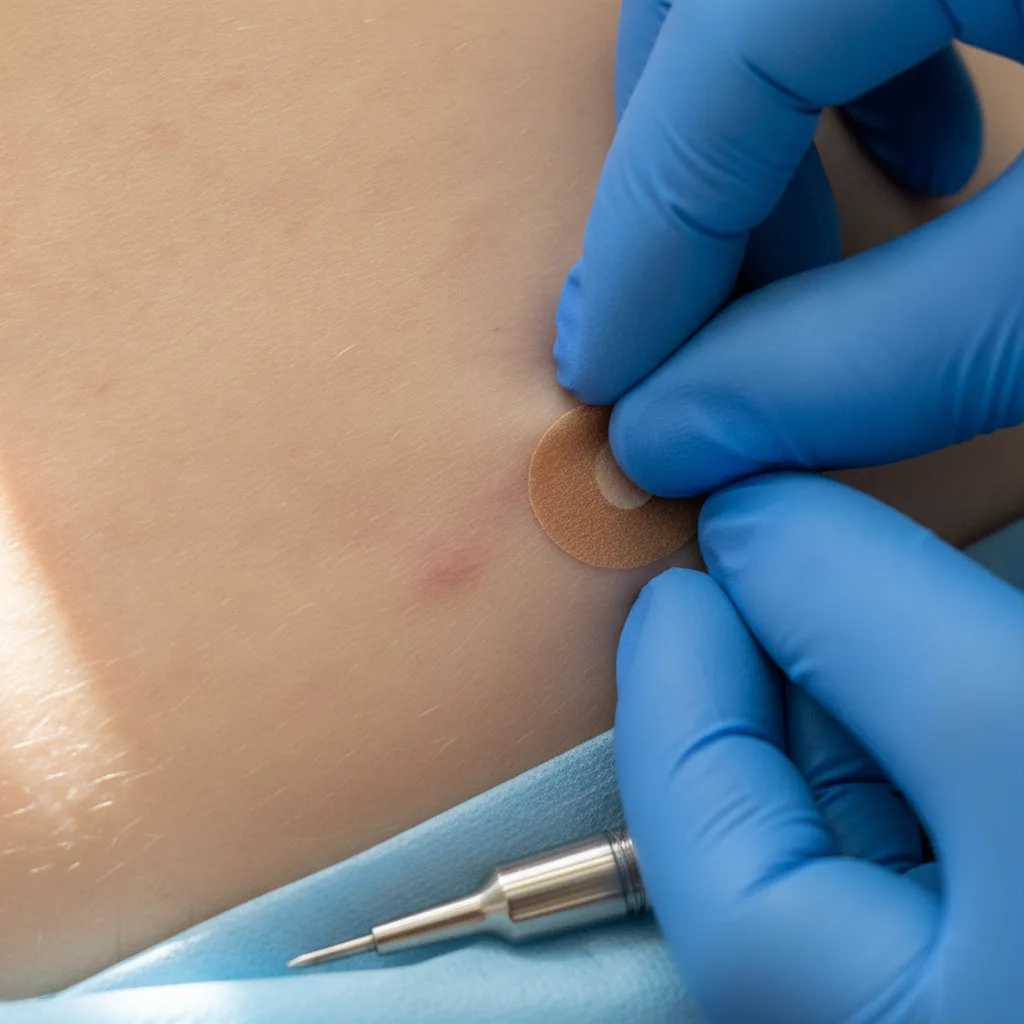
What to Expect in the First Two Weeks After Insertion
The first two weeks focus on healing, not results. Your BioTE pellets sit under the skin, usually in the hip area. Your body needs time to accept them before hormone release ramps up. Expect a small bruise or tenderness at the insertion site for a few days. That is normal. Most patients tell us it feels like a minor bump they forget about by day five.
Keep the area dry for 24 to 48 hours after insertion. No heavy workouts, no swimming, no long soaks for about a week. Light walking is fine; we even encourage it. Lake Mary summers bring heat and humidity that may cause sweat to pool right at the site, so we ask patients to wear loose clothing and skip tight waistbands until things settle down.
You might not feel much of anything yet. And that’s okay.
Hormone pellets release slowly, dosed to your body’s rhythm rather than a quick spike. Most men and women do not notice real shifts in energy, mood, or libido until closer to the three or four-week mark. Sometimes it takes longer, depending on your starting hormone levels and metabolism. If you had a low testosterone reading or a challenging perimenopause hormone panel initially, your body may take a bit more time to respond.
Watch for warning signs: fever, spreading redness, or drainage from the site. These are not typical and call our office right away. Mild soreness or an occasional itch as it heals is just your body doing its job. Give it time. Real changes are coming, just not on day three.

Signs Your Pellets Are Working
Most patients ask us how they will know pellet therapy is working. It’s a common question. Pellet therapy does not flip a switch; it builds gradually as the pellet releases hormone steadily under your skin.
For men, energy is usually the first sign. You wake without dragging yourself from bed. Mental fog lifts, and focus at work feels steadier. Around week three or four, many men notice improved gym performance, better recovery after workouts, and a return of morning wood or stronger libido. Muscle tone often improves before the scale moves much. Testosterone helps your body use protein more efficiently. Erectile function and drive shift gradually, not overnight. We track these changes at follow-up visits using a hormone panel, not guesswork.
For women, the pattern looks different. Hot flashes and night sweats are usually the first thing to ease up, often within the second or third week. Sleep quality improves next. Many women tell us they’re sleeping through the night for the first time in months. Mood swings soften, irritability fades, and libido can improve as estrogen and progesterone levels stabilize. Some women also notice their skin feels less dry and their joints ache less, though these changes tend to show up a little later.
The reality is, everyone’s timeline is different. Your starting hormone levels, metabolism, and activity level all play a role. This is why we do not just hand you pellets and send you home. We recheck your hormone levels a few months in. This helps us see, on paper, whether your body is responding as we expect. If something feels off, that follow-up testing helps us identify it early.
When Results Feel Off: Weight Gain, Soreness, and Aftercare Rules
The pellet insertion site sits just under the skin, usually near the hip. Some soreness there is normal for the first few days, sometimes up to a week. If you notice bruising or some swelling, that’s your body responding to the procedure, not a red flag.
We tell every patient the same thing before they leave our office: keep the site dry for 24 to 48 hours, skip strenuous leg workouts for a few days, and avoid soaking in a bathtub or pool. Central Florida humidity can make bandages feel uncomfortable, so we use a small waterproof covering that holds up through a Lake Mary summer without needing constant changes.
Weight gain concerns come up often, especially with women starting hormone pellet therapy. Some patients notice mild fluid retention in the first couple of weeks as hormone levels adjust. This usually settles once your body reaches a steady state. We schedule a follow-up hormone panel around the three-month mark to monitor this adjustment.
Call us if you experience any of the following:
- Redness or warmth at the site that spreads or worsens after day three
- Fever or chills following the procedure
- Pellet extrusion, if you feel or see the pellet working its way out
- Symptoms that feel more intense than before treatment, rather than better
None of these are common, but they warrant a same-day phone call, not a wait-and-see approach. Our physician-supervised model means a provider directly reviews these calls. Most patients do not encounter these issues. Knowing what is normal soreness versus what warrants a call provides peace of mind while your body works through the adjustment period.
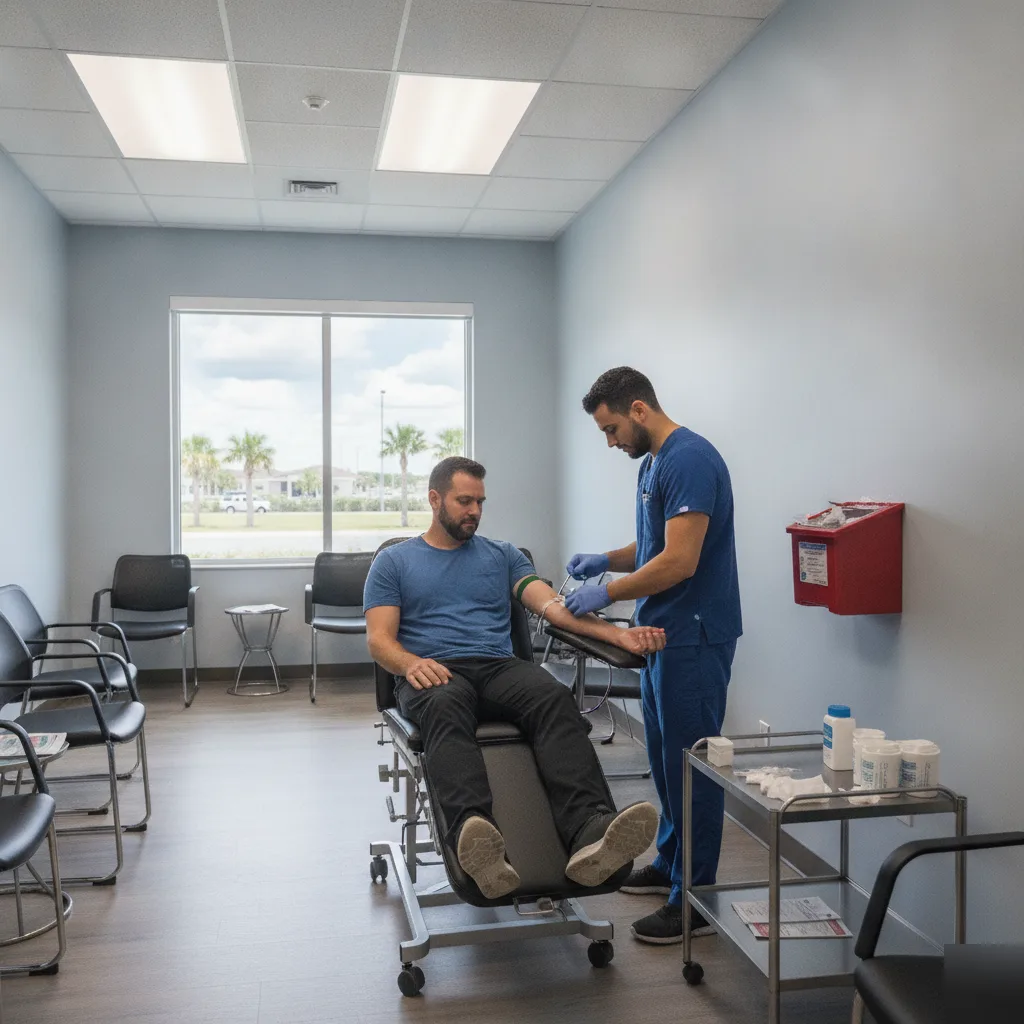
Follow-Up Labs at the Lake Mary Office Confirm Progress
The reality is, you feel changes before we document them on paper. We still draw labs because how you feel and what your numbers show do not always align. For men, we typically schedule a follow-up hormone level test around four to six weeks after pellet insertion. This is usually enough time for testosterone to peak and settle into a steady release pattern. For women, timing shifts. We often wait closer to eight to twelve weeks since estrogen and progesterone respond differently to pellet dosing.
These are not quick finger-stick checks. We run a full hormone panel, comprehensive for men and comprehensive for women. This helps us see the whole picture. Testosterone alone does not tell the story. Estradiol, free testosterone, and other markers matter just as much for figuring out if your dose is right.
So what happens at that follow-up visit? We compare your lab results to how you’ve described feeling over the past month. Sleeping better? Libido improved? Energy holding steady through the afternoon instead of crashing? We ask, and we listen. Sometimes the labs confirm what you already know. Sometimes they show us your body needs a small dose adjustment before the next insertion cycle.
Patients often underestimate this part. Pellet therapy is not a one-time fix; it is a cycle we monitor and adjust. Skipping the follow-up lab means guessing instead of knowing. Guessing is what we help you avoid.
If you are due for a check or you have never had a baseline hormone panel done, that is the natural next step before we talk about pellets at all.
Book Your Consultation
Frequently Asked Questions
How long does it take to feel results from BioTE pellet therapy?
Most patients notice real changes between weeks three and four, once hormone levels settle into a steady release. The first two weeks focus on healing around the insertion site, not results. By the plateau phase, weeks three through ten, sleep improves, brain fog lifts, and energy climbs. Full benefit usually shows up by week four to eight. Your age, metabolism, and starting hormone levels all affect your timeline, so don’t judge results too early.
What should I expect during my first two weeks after pellet insertion?
Expect mild soreness and a small bruise at the insertion site, not dramatic changes yet. Your pellets sit under the skin near the hip, and your body needs time to accept them before hormone release ramps up. Keep the area dry for 24 to 48 hours and skip heavy workouts or swimming for about a week. In Lake Mary’s summer heat, wear loose clothing to keep sweat away from the site while it heals.
How will I know if my BioTE pellets are working?
You’ll know they’re working when energy, sleep, or mood shift gradually over several weeks, not overnight. Men often notice better focus and gym recovery around week three or four. Women usually see hot flashes and night sweats ease first, often within two to three weeks, followed by better sleep. We recheck your hormone panel a few months in to confirm your body is responding as expected, not just guess from symptoms alone.
Is soreness or weight gain after pellet insertion something to worry about?
Mild soreness and a little fluid retention are normal in the first couple of weeks, not a sign something’s wrong. The insertion site near your hip may feel tender or bruised for up to a week. Any weight gain usually comes from fluid adjustment as hormone levels shift, and it typically settles by your three-month follow-up. Watch for fever, spreading redness, or drainage instead. Those are the real signs to call our office right away.
How does Lake Mary’s climate affect pellet aftercare?
Central Florida heat and humidity mean you’ll need to protect your insertion site more carefully than in a drier climate. We use a small waterproof covering that holds up through sweat and summer activity without frequent changes. Tight waistbands can trap moisture against the site, so we recommend loose clothing for about a week. Light walking is fine, but skip long soaks in the pool or bathtub until healing settles down.
When should I call the office if something feels off after treatment?
Call us right away if you notice fever, spreading redness, or drainage from the insertion site, since these aren’t typical healing signs. Mild itching or soreness as the area heals is normal and expected. If symptoms like fatigue or hot flashes return around months three to four, that’s your body signaling it’s time for a retest, not an emergency. Our Lake Mary team schedules follow-up bloodwork to catch these shifts early.
Ready for a Svelte transformation?
Take the first step toward better health and metabolic stability today.
Our team is here to support you.