
Home » How Long Does It Take to Feel Results After Starting BioTE Pellet Therapy? An Orlando Patient Guide
How Long Does It Take to Feel Results After Starting BioTE Pellet Therapy? An Orlando Patient Guide
The BioTE Pellet Therapy Timeline: What to Expect Week by Week
Most patients notice the first shifts in energy and mood within 1 to 2 weeks of BioTE pellet insertion. Sleep, libido, and mental clarity usually follow by week 4. Fuller results settle in around week 6 to 8 as hormone levels stabilize. Full effect can take up to 3 to 4 months, since pellets release hormones gradually rather than all at once.
Patients ask us this in nearly every consult. It makes sense. Pellet therapy doesn’t work like a pill you swallow and feel in an hour. BioTE pellets go under the skin and release a steady, low dose of hormone over weeks and months. That slow release is the whole point. It mimics how your body produced hormones before levels dropped, so results build instead of hitting all at once.
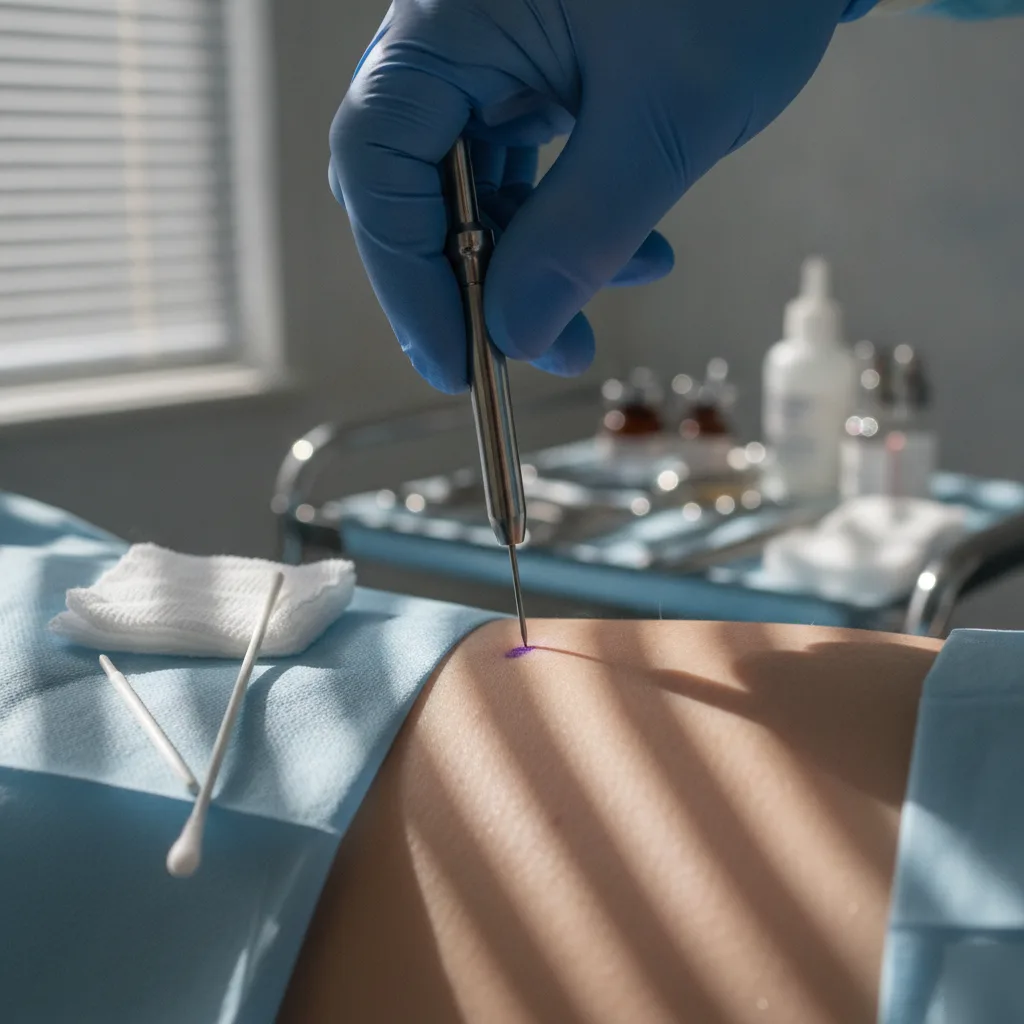
- Days 1 to 3: The insertion site may feel sore or bruised. Normal, and it settles fast.
- Week 1 to 2: Many patients notice a subtle lift in energy and mood, sometimes described as feeling less foggy.
- Week 3 to 4: Sleep quality often improves. Some patients say they wake up less during the night.
- Week 4 to 6: Libido and stamina changes become more noticeable for most men and women.
- Week 6 to 8: Hormone levels reach a steadier state, and physical changes like muscle tone or reduced hot flashes often show up.
- Month 3 to 4: Most patients report the full benefit has kicked in. This is usually when a follow-up lab check happens.
A scenario we see often at our Orlando practice: a 52-year-old patient comes in exhausted, irritable, struggling with sleep. By week two her mood feels lighter. By week six she’s sleeping through the night for the first time in years. Fairly typical arc, not an exception.
Timelines aren’t identical for everyone though. Metabolism, activity level, and how depleted your hormone levels were before treatment all play a role. Someone with severely low testosterone may need longer to feel the full shift than someone with mild deficiency. That’s one reason we require labs before and during treatment. We track your actual numbers instead of guessing.
One more thing worth knowing. Results don’t fade in a straight line after they peak. They hold steady for months, then gradually decline as the pellets metabolize. Normal, expected – and it’s how you’ll know it’s time for your next round.
Why Everyone's Hormone Pellet Results Feel Different
Two men can get the exact same BioTE pellet insertion on the same day and still feel results at different speeds. That’s not a flaw in the treatment. It’s biology. Your hormone levels don’t exist in a vacuum. They interact with your metabolism, your stress load, and how your body handles insulin.
We see this constantly at our Orlando clinic. A patient in his 40s with low testosterone but stable blood sugar often notices energy shifts within two to three weeks. Another with insulin resistance, more common than people realize given Central Florida’s fast-food-heavy lifestyle, may take six to eight weeks before feeling the same lift. Why the gap? Insulin resistance blunts how efficiently the body uses hormones at the cellular level. The pellets are working. The signal just takes longer to get through.
A few things drive this variation. Knowing them helps you set fair expectations instead of guessing.
- Baseline hormone levels before treatment started, lower starting points sometimes show faster relative change
- Body composition and metabolism, muscle mass affects how testosterone gets absorbed and used
- Insulin stability, chronic blood sugar spikes slow down hormone signaling at the cell level
- Sleep quality and stress, cortisol competes with testosterone for attention in your system
- Consistency with follow-up labs, dosing gets adjusted based on how your body responds, not a generic chart
A real scenario: a 52-year-old patient came in fatigued, irritable, with stalled weight loss despite gym effort. His labs showed low testosterone and elevated fasting insulin. We started BioTE pellets. We also addressed the insulin piece directly. His energy came back around week five, later than average. But his fat loss and mood improvements stuck because we treated the whole picture, not just the hormone number on a lab report.
This is exactly why physician oversight matters so much with pellet therapy. Anyone can insert a pellet. Getting the dose, timing, and follow-up right for your specific chemistry takes a trained eye. If you want a clear, honest look at where you stand and what timeline makes sense for your body, our BioTE pellet therapy program for men in Dr. Phillips walks through labs, dosing, and monitoring step by step.
One more thing worth saying plainly: slower doesn’t mean it isn’t working.
Your results depend on your body, not on someone else’s timeline you saw in a forum post or heard about from a coworker. That’s exactly why lab-based follow-up matters more than watching the calendar.

The Surge-Then-Settle Pattern: Why You Might Feel Great, Then Flat
Here’s something we tell every new patient in Orlando before their first insertion: the hormone curve is not a straight line. Pellets release their highest dose in the first week or two. Your body soaks that surge up fast – energy climbs, sleep improves, mood lifts. Then the release rate naturally tapers as the pellet dissolves slower over the following weeks. That taper is where the flat feeling comes from. Not a sign the treatment stopped working.
We see this pattern almost every cycle. A patient calls week three, thrilled. Then week six or seven arrives, and they call again worried the pellets ‘stopped.’ They didn’t. The curve simply moved from a peak into its steady middle phase. Most people notice this dip somewhere between week five and week eight.
- Week 1-2: Sharp rise in hormone levels, often the most noticeable energy and mood shift
- Week 3-5: Levels stay elevated but begin a slow, steady decline
- Week 5-8: The dip many patients feel as ‘flat,’ which is a normal mid-cycle plateau
- Week 8-16: Levels stabilize at a lower but still therapeutic range for most patients
- End of cycle (month 3-5): A gradual decline signals it’s time to discuss re-insertion
Florida heat plays a small role too. Higher humidity and heavy sweating in Orlando summers can speed up how quickly some patients metabolize hormones. The settle phase might land a bit earlier for someone training outdoors versus someone in an office all day. We factor that into follow-up lab timing – part of why bloodwork gets rechecked instead of guessed at.
None of this means you sit and wait blindly. If the flat period drags past eight weeks or symptoms return to baseline, that’s worth a conversation. Not silent frustration.
Physician oversight matters most right here. A board-certified provider can tell the difference between an expected dip and a dose that’s genuinely too low for your body. Guessing on your own usually just adds weeks of frustration you don’t need.
Book Your Consultation
Frequently Asked Questions
What should I expect in the first few days after BioTE pellet insertion?
You should expect mild soreness or a small bruise at the insertion site. This is normal and fades within a few days. Most patients keep the area dry and avoid heavy exercise for about 24 to 48 hours. You won’t feel hormone changes yet during this time. The pellets are just starting to release into your system. If you want a full walkthrough of what happens before and after treatment, our BioTE pellet therapy page covers the whole process.
Does feeling nothing right away mean BioTE pellets aren’t working?
No, feeling nothing at first does not mean the treatment failed. Pellets release hormones slowly, so early days often bring no noticeable change. Most Orlando patients start feeling shifts in energy or mood by week one or two. Full results can take up to three or four months. This slow build is normal and expected. It’s how the treatment is designed to work.
Why might I feel great for a few weeks, then suddenly flat?
You feel a dip because the hormone release naturally tapers after an early surge. Pellets deliver their highest dose in the first week or two, so energy and mood often peak fast. Then the release rate slows as the pellet settles into a steadier phase. Most people notice this shift between week five and week eight. It doesn’t mean the pellets stopped working. It means your levels moved from a peak into their normal, steady middle stage.
Does living in Central Florida affect how fast I feel results from hormone pellets?
Yes, lifestyle factors common in Central Florida can affect your timeline. Diets heavy in fast food often lead to insulin resistance, which is more common here than many realize. Insulin resistance slows how efficiently your cells use hormones, even when the pellets are releasing correctly. Orlando’s warm climate and active outdoor culture can help, since regular movement supports hormone signaling. Your actual speed depends on your metabolism and blood sugar stability, not just the treatment itself.
How do I know if low hormones, not something else, are causing my fatigue or mood changes?
Lab testing is the only reliable way to know. Fatigue, poor sleep, and low mood can come from many causes, not just hormone decline. That’s why a proper workup checks your actual hormone numbers before starting treatment. It also rules out other issues like blood sugar problems or thyroid changes. Guessing based on symptoms alone often leads to the wrong plan. Tracking real lab data keeps your treatment matched to your body.
Why do some people need longer than others to feel BioTE results?
Your starting hormone levels, metabolism, and stress load all shape how fast you feel change. Someone with severely low testosterone may need more time than someone with a mild dip. Insulin resistance, poor sleep, and high cortisol can also slow how your body uses the hormones being released. None of this means the treatment isn’t working for you. It means your body has its own pace, which is why follow-up labs matter more than comparing timelines with someone else.
Ready for a Svelte transformation?
Take the first step toward better health and metabolic stability today.
Our team is here to support you.